
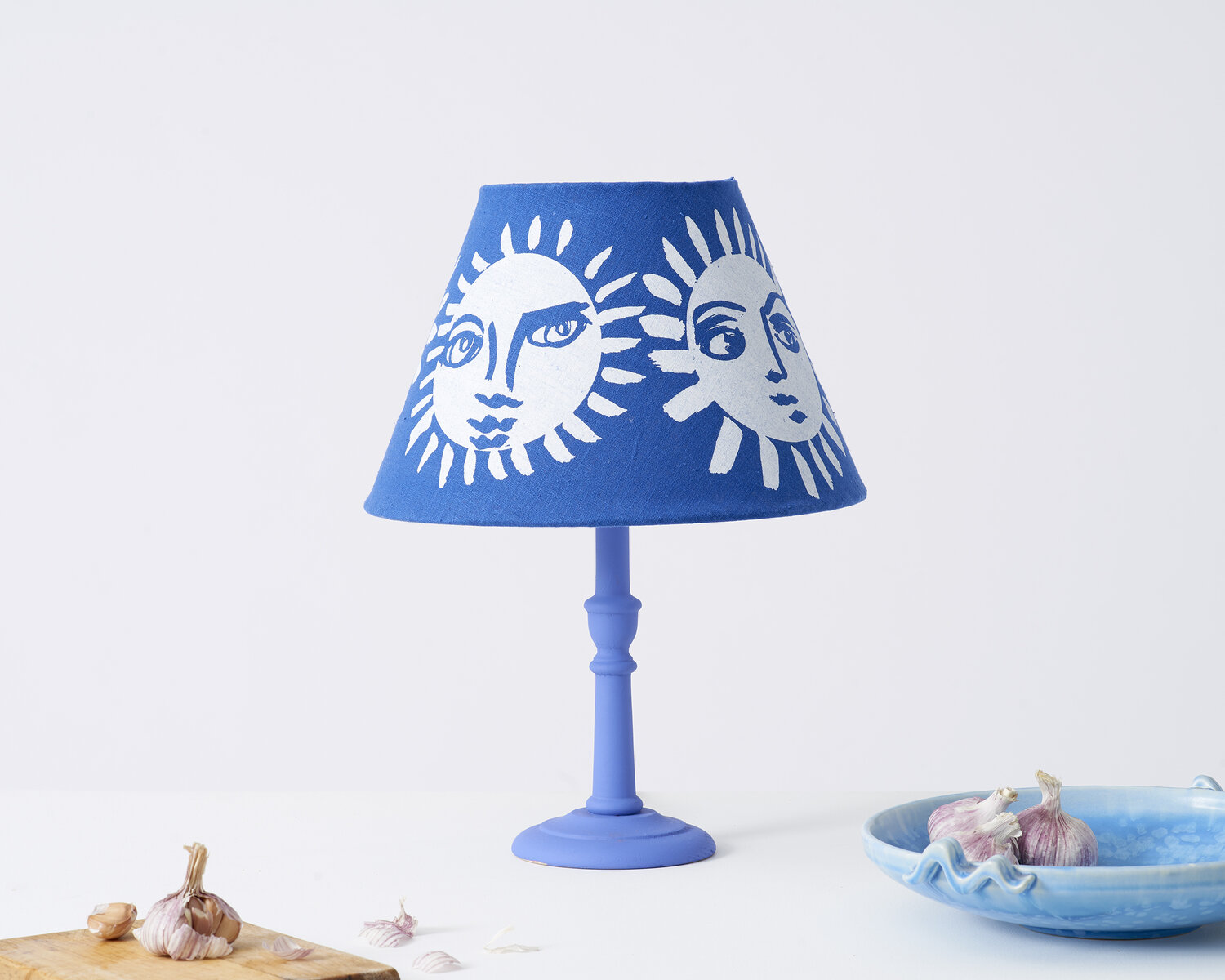
The Sunne Lampshade is the kind of home accessory that looks small on a shopping page and then, once installed, somehow starts behaving like the room has hired a charming new personality. It is not merely a cover for a bulb. It is a little theater of color, fabric, pattern, and glow. In an age when many interiors are drowning in beige sameness and suspiciously identical “minimalist” corners, the Sunne Lampshade brings back something refreshingly human: handmade texture, playful design, and enough warmth to make your living room feel like it finally remembered how to smile.
At its heart, the Sunne Lampshade is a hand screen printed linen shade known for its sun-inspired pattern, compact tapered shape, and versatile use as either a table lampshade or ceiling light shade. It has the practical bones of a well-sized everyday shade, but the visual energy of a small artwork. The result is a piece that can make a plain lamp base look intentional, a bedroom feel cozier, or a dull hallway suddenly act like it has been invited to the party.
This guide explores what makes the Sunne Lampshade special, how to style it, where it works best, what to consider before buying, and how to live with it in a real home where coffee mugs migrate, children touch things, pets investigate everything, and dust arrives without an invitation.
What Is the Sunne Lampshade?
The Sunne Lampshade is a decorative fabric lampshade made from linen and printed with a bold sun motif. It is associated with handcrafted textile design, traditional screen printing, and small-batch homeware production. Unlike mass-produced plain shades that politely disappear into the background, the Sunne Lampshade is designed to be noticed without shouting across the room like an overconfident throw pillow.
The shade typically has a tapered profile, measuring approximately 30 centimeters across the bottom, 15 centimeters across the top, and 20 centimeters high. In American terms, that is about 11.8 inches wide at the base, 5.9 inches at the top, and 7.9 inches tall. This size makes it especially useful for table lamps, bedside lamps, accent lighting, and smaller pendant installations. It is large enough to create a visual statement but not so large that it starts looking like it is trying to join the furniture.
Why the Sunne Lampshade Stands Out
Hand Screen Printing Gives It Character
One of the most appealing qualities of the Sunne Lampshade is its hand screen printed finish. Screen printing gives fabric a tactile quality that digital prints often struggle to imitate. The pigment sits with intention. The pattern feels graphic but not sterile. Small variations can appear from piece to piece, and that is part of the charm. A handmade lampshade should not look like it just rolled off a conveyor belt while checking its email.
The Sunne design often features sun faces or simplified solar shapes, giving the shade a cheerful, almost folkloric personality. It nods to vintage textiles, Scandinavian color play, and contemporary craft all at once. That combination makes it surprisingly flexible: it can look playful in a child’s room, sophisticated in a layered living room, or delightfully unexpected in a reading nook.
Linen Adds Texture and Warmth
Linen is one of the best materials for a lampshade because it softens light while allowing texture to remain visible. When the bulb is off, linen brings a natural woven surface to the room. When the bulb is on, the shade glows with a warmer, softer effect than many synthetic materials. In practical terms, that means fewer harsh shadows and less “interrogation room” energy. Nobody wants their bedside lamp to look like it is about to ask where they were on Tuesday night.
The natural texture of linen also helps the Sunne Lampshade pair well with wood, ceramic, brass, painted metal, rattan, and vintage bases. It bridges casual and polished styles, which is exactly what a good lampshade should do.
Design Details That Matter
The Shape
The Sunne Lampshade has a tapered silhouette, wider at the bottom and narrower at the top. This shape is useful because it directs light downward while still allowing ambient glow through the fabric. On a table lamp, it can illuminate a side table, book, or bedside surface without overwhelming the room. As a ceiling shade, it can create a compact pendant effect that feels decorative but not bulky.
The Pattern
The sun motif is the visual star. Depending on the colorway, the design may feel bright and citrusy, warm and earthy, or bold and graphic. Sun patterns work especially well in rooms that need a bit of lift. A hallway with no personality? Add a sun. A guest bedroom that says “we had leftover furniture”? Add a sun. A corner that looks like it gave up in 2019? Definitely add a sun.
The Colorways
Sunne Lampshades are often seen in color combinations such as blue with white, pink with orange, yellow with white, or warmer tones like burnt orange on natural linen. These palettes give homeowners options. A cobalt or azure version can sharpen a room and add contrast. A yellow or lemon colorway can brighten a neutral corner. A warmer orange shade can make a room feel grounded, cozy, and slightly Mediterranean without requiring you to start saying “villa” every five minutes.
Where to Use a Sunne Lampshade
In the Living Room
The living room is a natural home for the Sunne Lampshade. Place it on a side table beside a sofa, on a console behind a seating area, or on a vintage ceramic base near a bookshelf. Because the shade has personality, it works best when it has a little breathing room. Let it be part of a layered lighting plan with floor lamps, sconces, and overhead lighting rather than expecting one lamp to perform every job like an overworked intern.
In the Bedroom
As a bedside lampshade, Sunne can soften the mood of a bedroom instantly. The linen helps diffuse light, while the pattern adds cheer without feeling childish. For a calmer bedroom, choose a softer or warmer colorway. For a more expressive room, pair a bright Sunne shade with patterned bedding, painted furniture, or colorful artwork. The trick is to repeat one color from the shade elsewhere in the room so it feels intentional rather than “I bought this at 1:13 a.m. and now we all have to live with it.”
In a Hallway or Entryway
Hallways are often neglected, which is unfair because they do a lot of emotional heavy lifting. They introduce the home. They connect rooms. They host the mysterious pile of shoes. A Sunne Lampshade used as a ceiling light or small table lamp can make an entry feel welcoming. The sun motif is especially appropriate near a front door because it gives an immediate sense of warmth.
In a Child’s Room or Nursery
The playful pattern makes Sunne a strong option for children’s spaces, but it does not feel disposable or overly themed. Instead of choosing a novelty lamp that may be outgrown quickly, a well-made patterned linen shade can grow with the room. It can work with storybook wallpaper, painted furniture, natural wood, or simple white walls.
How to Style the Sunne Lampshade
Pair It With a Simple Base
If the shade is colorful or graphic, a simple base is usually the easiest match. Think white ceramic, warm wood, clear glass, matte black metal, or aged brass. This lets the lampshade take center stage. A busy base plus a busy shade can work, but it requires confidence, restraint, and possibly a snack before decision-making.
Use It to Wake Up Neutral Rooms
Neutral interiors can be beautiful, but they sometimes need one strong design moment to avoid looking like a hotel lobby that sells expensive candles. The Sunne Lampshade adds color and pattern in a controlled dose. It is less commitment than wallpaper, less expensive than a new sofa, and much easier to move when inspiration strikes.
Repeat Its Colors Elsewhere
The easiest way to make a patterned lampshade look professionally styled is to repeat one of its colors two or three times in the same room. For example, if you choose an azure Sunne Lampshade, echo that blue in a cushion, art print, vase, or book cover. If the shade has orange tones, repeat the warmth through terracotta, wood, rust-colored textiles, or brass accents.
Mix It With Natural Materials
Linen loves company. Pair the Sunne Lampshade with oak, walnut, cane, rattan, wool, cotton, jute, clay, or handmade ceramics. These materials share a tactile quality, so the room feels collected rather than assembled by algorithm.
Choosing the Right Bulb
A beautiful lampshade can only do so much if the bulb inside it looks like it belongs in a parking garage. For most rooms, a warm white LED bulb between 2700K and 3000K is a safe choice. This color temperature creates a cozy glow that flatters linen and helps the shade feel inviting. LEDs are also more energy-efficient and emit much less heat than old incandescent bulbs, which is important when using fabric shades.
Always check the lamp base and shade recommendations before choosing wattage. Even though LEDs run cooler, every fixture still has limits. The goal is warm atmosphere, not a tiny domestic sun experiment.
Understanding Fittings and Installation
Before buying a Sunne Lampshade, check how it will attach to your lamp or ceiling fixture. Common options include harp fittings, spider adapters, duplex fittings, and shade carriers. In the United States, many table lamps use a harp and finial system, where the shade sits on a metal frame above the bulb and is secured at the top. Ceiling installations may require a pendant-compatible fitting or adapter.
This is the part of lampshade shopping that sounds boring until you ignore it. Then the shade arrives, the lamp refuses to cooperate, and suddenly you are learning hardware terminology at midnight. Measure first. Confirm the fitting. Protect your future self.
Is the Sunne Lampshade Worth It?
The Sunne Lampshade is best for someone who wants lighting to contribute style, not just visibility. It is not the cheapest way to cover a bulb, but it offers qualities that budget shades usually lack: handmade character, linen texture, distinctive pattern, and design flexibility. If you already own a plain lamp base that feels underwhelming, replacing the shade with a Sunne can completely change the look without replacing the entire lamp.
It is also a strong choice for renters. You may not be able to change flooring, cabinets, or wall color, but you can absolutely change a lampshade. That small upgrade can make a room feel more personal, layered, and finished.
Care and Maintenance
Because the Sunne Lampshade is made from fabric, it should be treated with care. Dust it gently with a soft, dry cloth, feather duster, or low-suction vacuum brush. Avoid soaking it, scrubbing the printed surface, or using harsh cleaners. Linen has natural texture, and aggressive cleaning can distort the fibers or dull the print.
Place the shade away from steamy bathrooms, greasy kitchen zones, and direct splash areas. It can handle normal home life, but it is still a textile. In other words, it is a lampshade, not a waterproof hiking boot.
Common Decorating Mistakes to Avoid
Choosing a Bulb That Is Too Cool
A cool white bulb can make a warm fabric shade feel flat or clinical. Stick with warm white for bedrooms, living rooms, and cozy spaces.
Using a Base That Is Too Large
Because the Sunne Lampshade is compact, it can look overwhelmed by a very large lamp base. Choose a base that feels balanced with the shade’s diameter and height.
Forgetting the Room’s Color Story
A colorful lampshade should connect to something else in the room. It does not need to match perfectly, but it should have a visual friend nearby.
Installing It Too High or Too Low
For table lamps, the shade should generally cover the bulb and socket hardware. If the bulb is visible from eye level, the lamp may feel unfinished or glaring. For ceiling use, consider the height of the room and whether the shade will hang over a walkway, table, or quiet corner.
Experience Notes: Living With a Sunne Lampshade
Living with a Sunne Lampshade is a reminder that small objects can change the emotional temperature of a room. The first thing you notice is the color. Even before the lamp is switched on, the shade brings a graphic burst to the space. It behaves almost like a framed print, except it also has a job after sunset. During the day, it can brighten a quiet corner. At night, it becomes softer, warmer, and more atmospheric.
One of the best experiences with this type of lampshade is using it on an older lamp base. Many people have a lamp that is technically fine but visually tired. Maybe it came from a relative. Maybe it was bought in a hurry. Maybe it has been sitting in the corner looking like it knows too much. Add a Sunne Lampshade, and suddenly that base feels deliberate. The whole lamp looks more collected, more designed, and more personal.
The shade also works beautifully in rooms that mix old and new pieces. A vintage wooden side table, a modern sofa, a patterned rug, and a Sunne Lampshade can sit together comfortably because the shade has both craft and freshness. It does not feel locked into one style. That flexibility is useful in real homes, where rooms rarely follow one pure design category. Most homes are part modern, part practical, part inherited, and part “this was on sale and I stand by it.”
Another pleasant surprise is how much the linen matters. A printed shade on flat synthetic material can look sharp but cold. Linen softens the design. It introduces tiny irregularities, natural texture, and a more relaxed glow. When the light is on, the shade feels less like a product and more like a textile object. That makes it especially satisfying in bedrooms and reading corners, where the mood should be gentle rather than dramatic.
In daily use, the Sunne Lampshade encourages better lighting habits. Instead of relying only on overhead lights, you start turning on smaller lamps in the evening. The room becomes layered. Shadows become softer. A sofa corner becomes more inviting. A bedside table feels more finished. Even ordinary routines, like reading a few pages before sleep or drinking tea while ignoring the laundry, feel a little more intentional.
There are practical lessons too. The first is to measure carefully. A shade can be gorgeous and still be wrong for a particular base. Check the fitting, height, and diameter before ordering. The second is to choose the bulb thoughtfully. A warm LED bulb makes the shade glow beautifully, while a harsh cool bulb can flatten the colors. The third is to place it where the pattern can be appreciated. A Sunne Lampshade deserves visibility. Hiding it behind a giant plant or wedging it into a cluttered corner is like buying a nice jacket and wearing it under a sleeping bag.
Over time, the Sunne Lampshade becomes one of those pieces guests notice. It has enough personality to start a conversation but not so much that it dominates the room. People may ask where it came from, whether it is handmade, or if the little suns are all slightly different. That is the joy of choosing decorative lighting with character. It does more than brighten a space; it gives the room a story.
Conclusion
The Sunne Lampshade is a strong example of how a small design choice can make a big difference. With its hand screen printed linen, playful sun motif, versatile scale, and warm glow, it can refresh a lamp base, improve a reading corner, lift a hallway, or add personality to a bedroom. It is practical enough for daily use and artistic enough to feel special.
For homeowners, renters, decorators, and anyone who believes lighting should do more than simply prevent people from walking into furniture, the Sunne Lampshade is worth considering. It brings charm, craft, color, and atmosphere in one compact package. In short, it is not just a lampshade. It is a tiny sunrise with excellent manners.











