
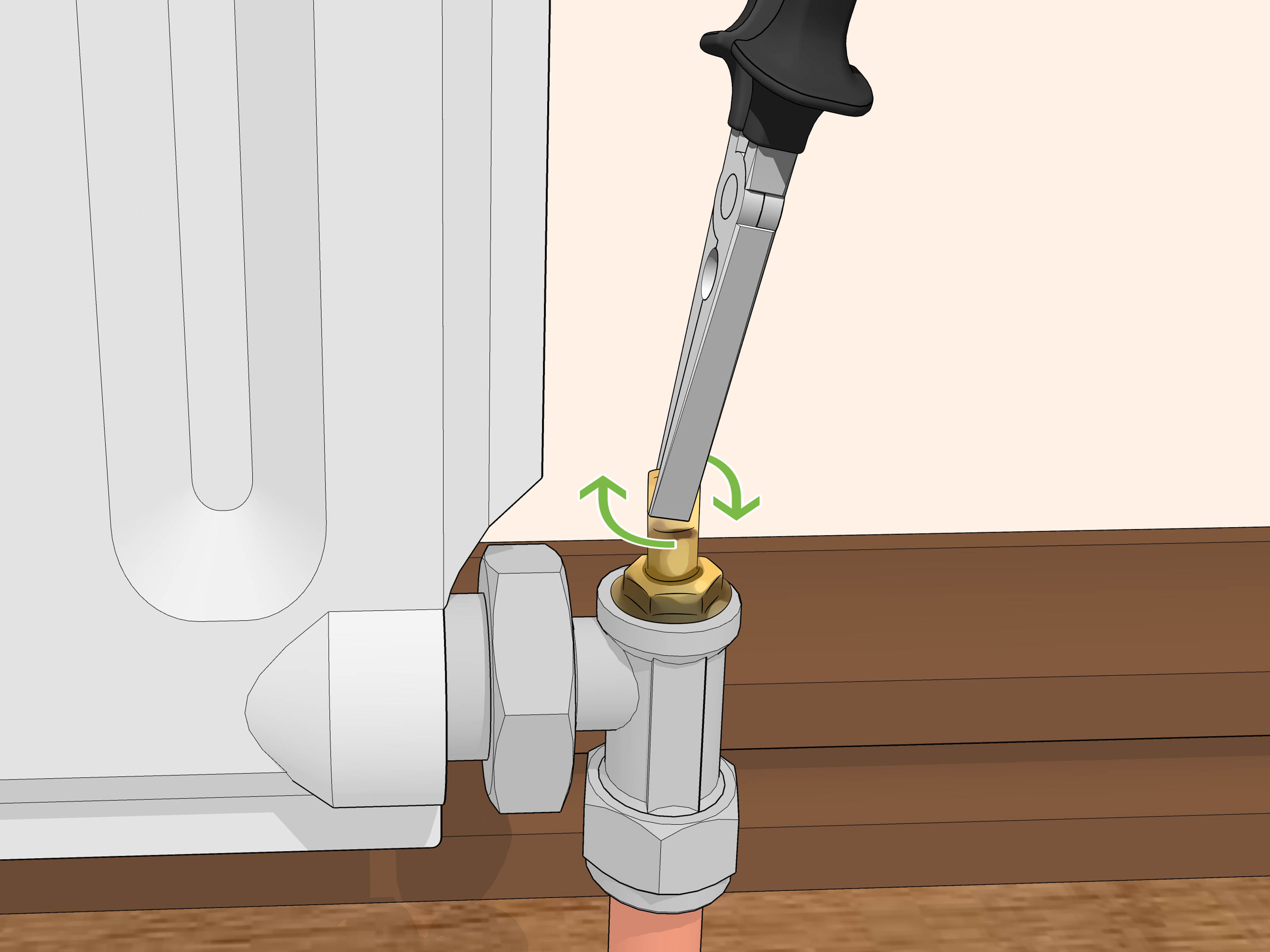
Turning a radiator off sounds like it should be as simple as flipping a switch. And sometimes it is. Other times, you’re standing in socks on a cold floor, staring at two mysterious knobs like they’re the launch codes. Don’t worrythis guide walks you through the safe, correct, and non-flood-inducing way to shut a radiator down, whether you’ve got a classic steam beast, a hot-water (hydronic) system, or a fancy thermostatic radiator valve.
Along the way, you’ll learn what not to do (spoiler: “halfway” is often the villain), how to avoid noises that sound like a haunted dishwasher, and how to confirm your radiator is actually offwithout hugging it like a space heater.
Before You Touch Anything: A 30-Second Safety Check
- Hot surfaces burn fast. Radiators and pipes can cause serious burnsespecially steam systems.
- Don’t fight active steam. If you hear hissing or the radiator is blazing hot, wait for a cool-down.
- Freezing risk is real. In very cold weather, turning off heat in a room with plumbing can invite frozen pipes.
- Leaks are a “stop and call” moment. Water around a valve or the floor is not a “keep tinkering” situation.
Step 1: Identify What Kind of Radiator System You Have
This step matters because the “right” way to turn a radiator off depends on the system. Here’s the quick ID guide:
Steam radiator (one-pipe)
- One big pipe connects to the radiator (usually near the floor).
- You’ll also see a small air vent on the side of the radiator.
- Often found in older homes and many city apartments.
Steam radiator (two-pipe)
- Two pipes connect to the radiator (one supply, one return).
- May have a steam trap and/or a vent depending on setup.
- More common in some older multi-unit buildings and certain retrofit systems.
Hot water (hydronic) radiator or baseboard
- Often has two valves (supply and return) or a valve plus a balancing/shutoff on the other side.
- May have a small bleed valve near the top for releasing trapped air.
- Heat feels more “steady” than steamless dramatic hissing, more gentle warmth.
Electric radiator / oil-filled portable “radiator”
- Plugs into a wall outlet.
- Has switches/dials on the unit.
- No pipes, no valves, no plumbing-related surprises.
If you’re unsure, look for an air vent (steam clue) and count pipes (one vs. two). When in doubt, treat it like steam (more burn risk) until proven otherwise.
Step 2: Turn the Heat Source Down and Let the Radiator Cool
Yes, you can sometimes close a valve while the system is runningbut it’s like trying to tie your shoes on a treadmill: technically possible, but the odds of regret go up.
- Set the thermostat lower (or off) so the boiler isn’t actively sending heat.
- Wait for the radiator to cool enough to touch briefly without pain. Steam systems deserve extra patience.
- Listen: if there’s hissing at the vent or valve, it’s not the best time to wrestle hardware.
Bonus: turning the thermostat back when you’re asleep or away can cut heating costs in many homes, so you’re not just being safeyou’re being financially smug (the best kind).
Step 3: Locate the Radiator Control Valve(s)
Most radiators have at least one main control: the supply (shut-off) valve near the floor where the pipe enters the radiator. Hot-water radiators often have a second valve on the other side (return/balancing/shutoff).
Common valve types you might see
- Handwheel/round knob: turn it like opening a jar, but with fewer snacks.
- Lever handle: usually rotates from open to closed in a clear arc.
- Thermostatic Radiator Valve (TRV): a numbered dial controlling room temperature automatically.
- Bleed valve (hydronic): small square/slot valve near the top used to release trapped air (not for turning heat off).
If the “valve” spins freely and does nothing, you may be dealing with a missing/stuck handle, a stripped stem, or a valve that needs service. That’s fixablebut it changes the game, and we’ll cover it later.
Step 4: Turn Off a Steam Radiator (One-Pipe or Two-Pipe)
Steam radiators are the divas of the heating world: loud opinions, dramatic entrances, and they do not appreciate being controlled “a little bit.”
4A) Close the supply valve fully (clockwise) no “halfway”
On many steam systems, the radiator’s supply valve is designed to be fully open or fully closed. Partially closing it can invite water hammer (banging) because steam and condensate end up arguing in a tight space.
- Turn the main valve clockwise until it stops.
- Don’t crank it like you’re sealing a submarine hatchjust firm and fully closed.
- If it won’t budge, stop forcing it. A stuck valve can snap internal parts or start leaking.
4B) Leave the air vent alone (unless you’re troubleshooting)
In normal “turn it off” mode, you don’t need to touch the vent. Your job is to stop steam from entering the radiator. If you’re trying to reduce heat without shutting off completely, some steam systems use adjustable or thermostatic vents but that’s a different strategy than “off.”
4C) Expect leftover heat for a while
Steam radiators can stay warm after shutdown because the metal holds heat and steam in nearby pipes may still be hot. Give it time, then check again after the next heating cycle would normally run.
Step 5: Turn Off a Hot Water (Hydronic) Radiator or Baseboard
Hydronic systems circulate hot water through radiators/baseboards and back to the boiler. Turning off one unit usually means stopping flow through that unit.
5A) Close the supply valve (clockwise)
- Find the valve where hot water enters the radiator (usually near the floor).
- Turn it clockwise until it stops.
5B) Close the return/balancing valve too (if you have one)
Many hot-water radiators have a second valve on the opposite side. It might look like a plain cap or a smaller control. Closing both can help fully isolate the radiator so it stops heating and can be serviced without affecting the entire system.
If the second valve is a balancing-style valve (sometimes called a lockshield in some setups), don’t wildly spin it if you care about system balance. A practical approach: close it gently, and if you ever reopen it, return it to the same position you found (count turns).
5C) If you have a TRV, set it to the lowest setting (and understand what it does)
A thermostatic radiator valve adjusts water flow to maintain a target room temperature. Setting it low may reduce or stop flow, depending on design, room temperature, and system conditions. If your goal is “absolutely off,” closing the manual supply/return valves is the more definitive move.
5D) Don’t open the bleed valve to “turn it off”
The bleed valve is for removing trapped air when the radiator isn’t heating evenly. Opening it can release hot water/air and may affect system pressureuse it for maintenance, not shutdown.
Step 6: Confirm the Radiator Is Really Off (and Avoid Common Pitfalls)
Now we verify. This is the part where you avoid the classic mistake: “I turned it off, why is it still warm?” (Answer: physics is rude.)
6A) Do a “next-cycle” test
- Let the heating system run a normal cycle later (if it’s cold enough to call for heat).
- Check whether the radiator heats up again or stays noticeably cooler than others.
6B) Steam-specific warning: never leave a one-pipe steam valve half closed
If you closed it halfway to “reduce heat,” reopen it fully or close it fullydon’t camp in the middle. That middle position is how you end up with banging pipes and vents that spit like angry llamas.
6C) Hydronic tip: if the radiator is still heating, you may not have isolated flow
Possibilities include: a valve that doesn’t fully close anymore, a hidden bypass, a stuck internal valve pin (common with thermostatic valves), or you only closed one side when the radiator can still get flow through system design.
6D) Watch for freezing risk
If this is a spare room with plumbing in an exterior wall, “off” can become “ice sculpture exhibit” in severe cold snaps. Consider keeping the room above a safe minimum temperature, even if you don’t need it cozy.
Step 7: Know When to Stop DIY (and How to Turn It Back On)
Turning a radiator off is usually simple. But certain symptoms are a neon sign that says “call someone with a wrench collection and insurance.”
Call a pro if you see or hear any of this
- Valve leaks around the stem or packing nut.
- Water hammer that’s new, violent, or getting worse.
- Valve won’t turn without major force.
- Radiator won’t shut off even with valves closed (possible internal failure).
- Burn risk situations in steam systems where controls aren’t behaving normally.
Turning the radiator back on (the “undo” button)
- Steam: open the supply valve fully (counterclockwise all the way).
- Hydronic: open supply and return valves back to their previous positions (especially if balancing was involved).
- TRV: set to your desired temperature and confirm the valve pin moves freely.
After restoring, check for drips around valve stems and listen for unusual noises during the next cycle. Catching a small leak early beats discovering it via a surprise ceiling stain later.
Helpful Troubleshooting: “Why Won’t My Radiator Turn Off?”
Reason 1: You have a steam system and the valve isn’t fully closed (or it’s worn)
Older valves can fail internally. If the handle turns but the radiator still heats, the valve seat may be damaged or a part may be lodged inside. That’s repair territory.
Reason 2: You have a hydronic system and only one side is closed
Depending on piping layout, closing only the supply may not fully stop heat transfer. Closing both supply and return provides a clearer shutdown signal for that radiator.
Reason 3: Residual heat (aka “the radiator’s emotional support warmth”)
Cast iron holds heat for a long time. Also, pipes feeding the radiator may stay warm even if the radiator itself is no longer getting fresh hot water or steam.
Reason 4: Air or balance issues (hydronic)
If your broader goal is comfort (not just “off”), trapped air can make radiators heat unevenly. Bleeding air is common seasonal maintenance on hot-water radiator systems.
FAQ
Does turning off one radiator save money?
It can, especially if you’re reducing heat to unused roomsbut savings depend on your system and controls. Many homes see meaningful savings by lowering thermostat settings during sleep or away hours, and by using room-by-room controls thoughtfully rather than overheating and “fixing it” with open windows.
Is it safe to turn off radiators in winter?
Usually yes, but be cautious in rooms with plumbing on exterior walls, and in homes where the heating system also helps protect pipes in less-insulated areas. If freezing is a possibility, keep a minimum temperature instead of going full “off.”
Should I turn the steam radiator valve halfway to reduce heat?
On many one-pipe steam systems, no. Those valves are typically intended to be fully open or fully closed. If you want less heat, consider adjusting the venting strategy or room controls rather than throttling the supply valve.
Conclusion
Turning a radiator off isn’t complicatedbut the type of radiator matters. Steam systems want decisive valve positions (all the way open or all the way closed), while hot-water (hydronic) systems often let you isolate a radiator by closing supply and return valves. Take a minute to cool things down, close the correct valves with a firm (not Hulk-level) turn, and verify after the next heating cycle.
If a valve leaks, won’t move, or the system starts banging like it’s rehearsing for a drumline, that’s your cue to call a pro. Your goal is a comfortable homenot a DIY plumbing origin story.
Real-World Experiences: What People Learn After Turning a Radiator Off (About )
Here are a few common, very real scenarios homeowners and apartment dwellers run into when they try to shut down a radiator and what they learn (often the hard way, occasionally while holding a towel and reconsidering their life choices).
1) The “I turned it off, but it’s still hot” moment
This is the #1 complaint and it’s usually not a failureit’s a timeline issue. Cast iron radiators store heat like a champ. People often close a valve, touch the radiator ten minutes later, and assume nothing happened. In reality, the radiator may be off, but it’s still radiating stored warmth. The best “experience-based” fix is simple: wait for a full cycle (or two), then compare it to other radiators. If it’s consistently cooler while others heat, you succeeded.
2) The steam system “halfway” trap
Plenty of folks try to reduce heat by partially closing a steam radiator valve. It feels logicalless opening, less steam, less heat. But in many one-pipe steam systems, that in-between setting can create banging (water hammer) that sounds like a pipe is trying to escape the building. The lesson people report: steam valves often want commitment. If you’re turning it off, close it fully. If you’re turning it on, open it fully. If you want “less,” look at venting control or thermostat/room strategies instead.
3) The hydronic balancing surprise
On hot-water systems, shutting off a radiator is often straightforwarduntil someone closes a balancing valve, forgets its original position, then reopens it “about right.” Later, different rooms heat unevenly, and the house develops micro-climates: tropical living room, arctic guest room, “why is the hallway always weird?” corridor. A practical habit from experienced DIYers is counting turns when closing a balancing-type valve and writing it down (phone note, painter’s tape, whatever works). That tiny step can save a future headache.
4) The “valve is stuck, so I used more force” regret
People often assume stiffness means “just push harder.” Sometimes it does. But sometimes it means corrosion, worn parts, or a valve stem that’s one bad twist away from leaking. A common real-world best practice: if the valve won’t move with reasonable hand force, stop and reassess. A little patience beats a slow drip that turns into a repair bill.
5) The unexpected win: comfort and quiet
When done correctly, turning off an overheating radiator can make a room dramatically more comfortableespecially bedrooms. Many people report sleeping better once they stop overheating the room and relying on cracked windows in winter. Bonus: less heat wasted, fewer temperature swings, and fewer “why is it 78°F in here?” arguments.











