
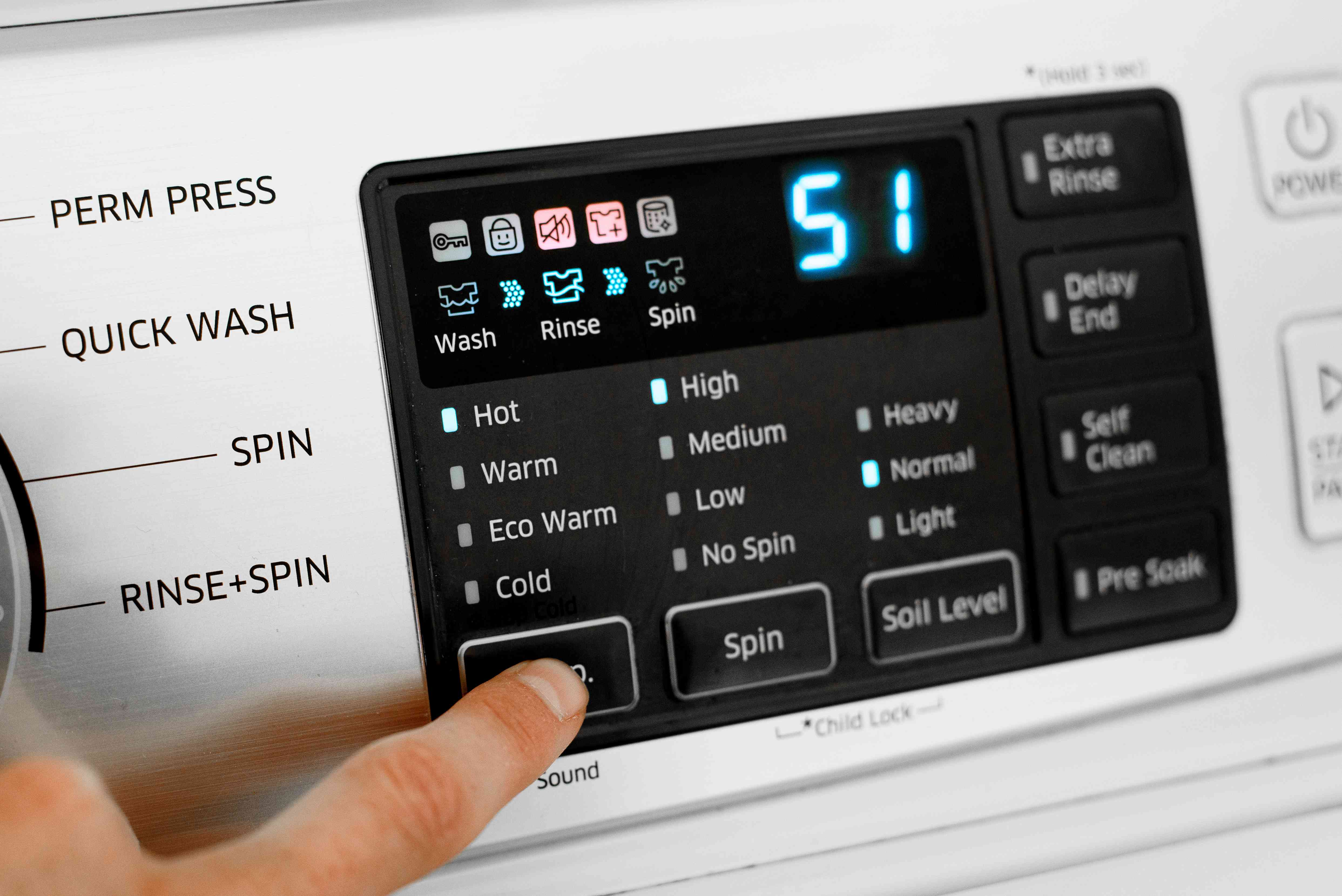
Hot water is the laundry room’s version of bringing in the big broom: you do not need it for every little crumb, but when the mess is serious, it earns its keep. Modern detergents are excellent, and many everyday clothes can be washed in cold or warm water to save energy and protect fabric. But some items collect sweat, body oils, bacteria, allergens, grease, and odors so stubborn they deserve a hotter, more aggressive clean.
The key is knowing when hot water helps and when it hurts. A red silk blouse? Absolutely not. A pile of gym socks that could probably walk to the washer by themselves? Yes, please. A laundry pro’s rule is simple: use hot water for durable, washable items that need deeper cleaning, odor control, or better hygiene. Always check the care label first, sort by color and fabric type, and dry items completely afterward. Heat in the washer helps, but heat plus thorough drying is where the “fresh and actually clean” magic happens.
Below are 10 items you should usually wash in hot water, plus practical tips to keep them clean without turning your laundry into a shrink-ray experiment.
Why Hot Water Matters in Laundry
Hot water can help loosen oily residue, dissolve certain soils, brighten sturdy whites, and reduce germs and allergens on washable fabrics. It is especially useful for items that come into close contact with skin, bodily fluids, food messes, pet dander, or dust mites. That said, hot water is not a universal cure. It can shrink cotton, fade dark colors, damage elastic, weaken delicate fibers, and set some stains, especially protein-based stains like blood or egg.
Think of hot water as a tool, not a personality trait. Use it when the item is durable enough and dirty enough to justify the heat. For routine T-shirts, dark jeans, sweaters, and delicate fabrics, cold or warm water is often the smarter choice. For the items below, however, hot water usually has a strong case.
10 Items You Should Always Wash in Hot Water
1. White Cotton Towels
Bath towels live a dramatic life. They touch clean skin, wet skin, bathroom air, makeup residue, hair products, and sometimes the floor because someone in the house believes hooks are decorative. Moisture allows odors and microbes to linger, so towels benefit from a hot-water wash when the care label allows it.
Wash white cotton towels separately from clothes, using a heavy-duty or towel cycle. Avoid overloading the washer because towels need room to move, rinse, and release detergent. Skip fabric softener, which can coat fibers and make towels less absorbent over time. For musty towels, use hot water, a quality detergent, and a full dry cycle. A damp towel folded too soon is basically a tiny spa retreat for mildew.
2. Bed Sheets and Pillowcases
Sheets may look innocent, but they collect sweat, body oils, dead skin cells, pet dander, dust, and allergens every night. Pillowcases also absorb hair products, facial oils, and skincare residue. If your bedding is white or light-colored cotton and the care label permits it, hot water can help remove buildup and keep the fabric fresher.
For allergy-prone households, hot washing is especially useful because dust mites and their allergens are common in bedding. Wash sheets weekly, and do not cram a king-size sheet set into a washer already hosting towels, pajamas, and a mystery sock from 2021. Bedding needs space to circulate. Dry completely before making the bed, unless your goal is to create a fitted-sheet-shaped swamp.
3. Washcloths and Face Towels
Washcloths and face towels deserve special treatment because they touch sensitive skin and often stay damp between uses. They may carry makeup, cleanser residue, body oils, shaving cream, and bacteria from repeated handling. Hot water is a smart choice for white or colorfast cotton washcloths because it helps remove oily residue and reduces lingering odors.
Use a separate load for washcloths when possible, especially if someone in the home has acne-prone skin, a rash, or a skin infection. Do not share face towels, and wash them frequently. A fresh face towel is a small luxury; a questionable one is just a tiny bathroom flag of bad decisions.
4. Underwear Made from Durable Cotton
Underwear is one of the most important items to wash thoroughly. It sits close to the body, absorbs sweat, and may come into contact with bodily fluids. Hot water can help sanitize sturdy cotton underwear and remove odor-causing residues more effectively than cooler water.
There is one big warning: not all underwear belongs in hot water. Lace, silk, performance fabrics, shapewear, and elastic-heavy pieces may stretch, shrink, or wear out faster with repeated hot washing. For everyday white cotton briefs or boxers, hot water is usually appropriate. For delicate pairs, use warm or cold water and a mesh laundry bag. Laundry wisdom is knowing when to fight germs and when to protect the waistband.
5. Socks, Especially Athletic Socks
Socks are the front-line workers of the laundry basket. They deal with sweat, shoe bacteria, odor, dead skin, and whatever the floor contributed. White cotton athletic socks are excellent candidates for hot water because they are usually durable and often heavily soiled.
Turn socks right-side out or inside out depending on where the dirt is worst. For sweaty gym socks, inside out helps detergent reach the part that touched the foot. Wash with towels or other sturdy whites, not with delicate tops. If socks still smell after washing, the issue may be detergent buildup, under-dosing, washer overload, or not drying them completely. A sock should not have a second act as a biological research project.
6. Kitchen Towels and Dishcloths
Kitchen towels are among the most important household items to wash in hot water. They touch counters, hands, dishes, spills, food residue, and sometimes raw-meat-adjacent surfaces. Dishcloths can hold moisture and food particles, making them prime candidates for odor and bacteria buildup.
Wash kitchen towels separately from bath towels and clothes. Use hot water, a strong detergent, and bleach or oxygen bleach when safe for the fabric. Replace dishcloths often and let them dry between uses. A kitchen towel should help clean the kitchen, not quietly audition for a role in a food-safety warning video.
7. Cloth Napkins and Table Linens with Grease
Cloth napkins, placemats, and tablecloths often pick up cooking oil, butter, salad dressing, sauce, and other greasy stains. Hot water can help break down oily residue, especially on white cotton or linen table linens that can handle heat.
Pre-treat grease stains before washing. Apply a small amount of liquid detergent or stain remover, let it sit for several minutes, then wash in the hottest water recommended on the care label. Avoid putting stained linens in the dryer until the stain is gone, because dryer heat can set it. This is particularly important for tomato sauce, gravy, and oil marks that like to cling to fabric with the confidence of a toddler saying “mine.”
8. Baby Cloth Diapers and Burp Cloths
Cloth diapers, burp cloths, and washable baby mess cloths need serious cleaning because they may contain urine, feces, spit-up, formula, breast milk, and food residue. Hot water is often recommended for the main wash because it helps remove soils and odor more thoroughly.
Follow the diaper manufacturer’s instructions because some modern cloth diapers have waterproof layers, snaps, and elastic that can be damaged by excessive heat or harsh additives. A common routine is a rinse or short wash first, followed by a hot main wash with an appropriate detergent, then a complete dry. Never overload the washer. Cloth diapers need agitation and water flow to come out truly clean, not just emotionally supported.
9. Pet Bedding and Washable Pet Blankets
Pets are wonderful. They are also walking confetti machines of fur, dander, outdoor dirt, drool, and mysterious smells. Washable pet bedding, crate pads, and pet blankets can benefit from hot water when the care label allows it. Heat helps remove oils and allergens, while detergent tackles odor and soil.
Shake out loose hair before washing, or use a pet-hair remover tool. Wash pet items separately from human bedding and clothing. If the bed has a removable cover, zip it closed before washing so the inner seams do not collect debris. Dry thoroughly before returning it to your pet. Your dog may not write a thank-you note, but the living room will.
10. Heavily Soiled Work Clothes and Cleaning Rags
Gardening clothes, mechanic shirts, cleaning rags, aprons, and chore clothes can carry sweat, mud, grease, household grime, and chemical residues. When the fabric is durable and colorfast, hot water can help remove heavy soil and oily buildup.
Separate these items from regular laundry. Pre-treat stains, use a heavy-duty detergent, and choose a longer wash cycle. Be careful with flammable substances such as gasoline, paint thinner, or certain solvents; these items should not go directly into a washer or dryer without proper handling because heat can create a fire risk. For ordinary dirt and grease, hot water is your friend. For hazardous residue, the care strategy needs to be much more cautious.
When Not to Use Hot Water
Hot water is helpful, but it is not gentle. Avoid it for wool, silk, lace, bright colors, dark denim, delicate synthetics, embellished garments, bras, many swimsuits, and items with fragile elastic. Hot water may also set protein stains, such as blood, egg, dairy, and some baby formula stains. Start those stains with cold water first, then wash according to the care label after pre-treatment.
Also remember that “hot” varies by washer and household water heater. Some machines use lower temperatures than people expect, while sanitize cycles may require specific settings. If hygiene is the goal, use the warmest appropriate water, the right detergent dose, enough wash time, and a complete drying cycle. Laundry is teamwork: water temperature, detergent, agitation, and drying all have jobs.
How to Wash Hot-Water Loads the Right Way
Sort by Fabric, Color, and Soil Level
Do not simply throw every “hot water” item together. Wash white towels with white towels, kitchen towels separately, pet bedding separately, and heavily soiled work clothes separately. Sorting prevents lint transfer, odor transfer, dye bleeding, and the deeply annoying discovery that your dish towels now smell faintly like wet dog.
Use the Right Amount of Detergent
More detergent does not mean cleaner laundry. Too much detergent can leave residue, trap odor, stiffen towels, and make the washer work harder. Use the amount recommended for your load size and soil level. If your washer is high-efficiency, use HE detergent and measure carefully.
Do Not Overload the Washer
Hot water cannot help if the items are packed too tightly to move. Towels, bedding, and diapers need room for water and detergent to circulate. A crowded washer creates laundry lasagna: layers of fabric, detergent pockets, and disappointment.
Dry Completely
Drying matters. Damp towels, sheets, cloth diapers, and pet bedding can develop mildew odors quickly. Use the warmest dryer setting allowed on the care label, or line-dry in direct sun when appropriate. Before folding, make sure thick seams and corners are dry.
Extra Laundry Pro Experience: What Hot Water Teaches You After Enough Wash Days
After enough laundry days, you begin to learn that fabric has a memory and odors have ambition. The first lesson is that hot water works best when you give it the right partner. A good detergent, enough space in the washer, and a full drying cycle matter just as much as the temperature dial. People often blame the washer when towels smell sour, but the real culprit is usually one of three things: too much detergent, not enough drying, or a load so crowded the towels barely had room to wave at the water.
One practical habit is to separate “body laundry” from “house laundry.” Body laundry includes underwear, socks, gym towels, washcloths, and sheets. House laundry includes kitchen towels, cleaning rags, pet blankets, and table linens. Mixing them may save one load, but it often creates cross-contamination, lint problems, or weird smells. Kitchen towels in particular should not be washed with bath towels. The kitchen towel that wiped up chicken juice and the towel you use after a shower do not need to become close friends.
Another helpful experience is learning when to pre-treat. Hot water is great for oily soils, but it is not a magician. Grease on cloth napkins, yellowing on pillowcases, and sweat buildup on socks respond better when you pre-treat them before washing. Rub a little detergent into the stain, wait a few minutes, then wash. For white cotton items, oxygen bleach or chlorine bleach may help when the fabric label allows it. The label is not tiny legal paperwork for fun; it is the fabric’s survival guide.
Hot water also reveals whether an item is truly colorfast. That cheerful red dish towel may look harmless until it turns a load of white towels into Valentine’s Day confetti. When in doubt, test bright items or wash them separately. The same caution applies to cheap dark socks, printed sheets, and colorful pet blankets. A laundry pro may love hot water, but nobody loves surprise pink underwear unless it was purchased that way on purpose.
For families, the best hot-water routine is simple and repeatable. Wash sheets once a week. Wash bath towels every few uses, sooner if they stay damp. Wash kitchen towels after a day of heavy cooking or immediately after contact with raw food messes. Wash underwear and socks after every wear. Wash pet bedding weekly or whenever it smells like the dog has been writing memoirs in it. The goal is not to become obsessive; it is to prevent small messes from becoming laundry legends.
Finally, hot water should be used with common sense. It is powerful, but it can shorten the life of some fabrics. Save it for sturdy cottons, whites, heavily soiled items, and washable household textiles that need deeper cleaning. Use cold or warm water for everyday clothes, dark colors, and delicate garments. The best laundry routine is not the hottest one; it is the one that gets items clean while helping them last. That is the sweet spot: fresh towels, bright sheets, odor-free socks, and no casualties in the lint trap.
Conclusion
Hot water is not necessary for every load, but it absolutely belongs in your laundry toolkit. Use it for durable items that collect sweat, body oils, food residue, allergens, pet dander, or heavy soil. White cotton towels, sheets, washcloths, underwear, socks, kitchen towels, greasy table linens, cloth diapers, pet bedding, and work clothes are the top candidates.
The smartest approach is balance. Read the care label, sort carefully, pre-treat stains, measure detergent, avoid overloading, and dry everything completely. Hot water can make laundry cleaner and fresher, but only when used with good technique. In other words, let hot water be the laundry hero when the job calls for itnot the villain shrinking your favorite shirt into doll clothing.











