
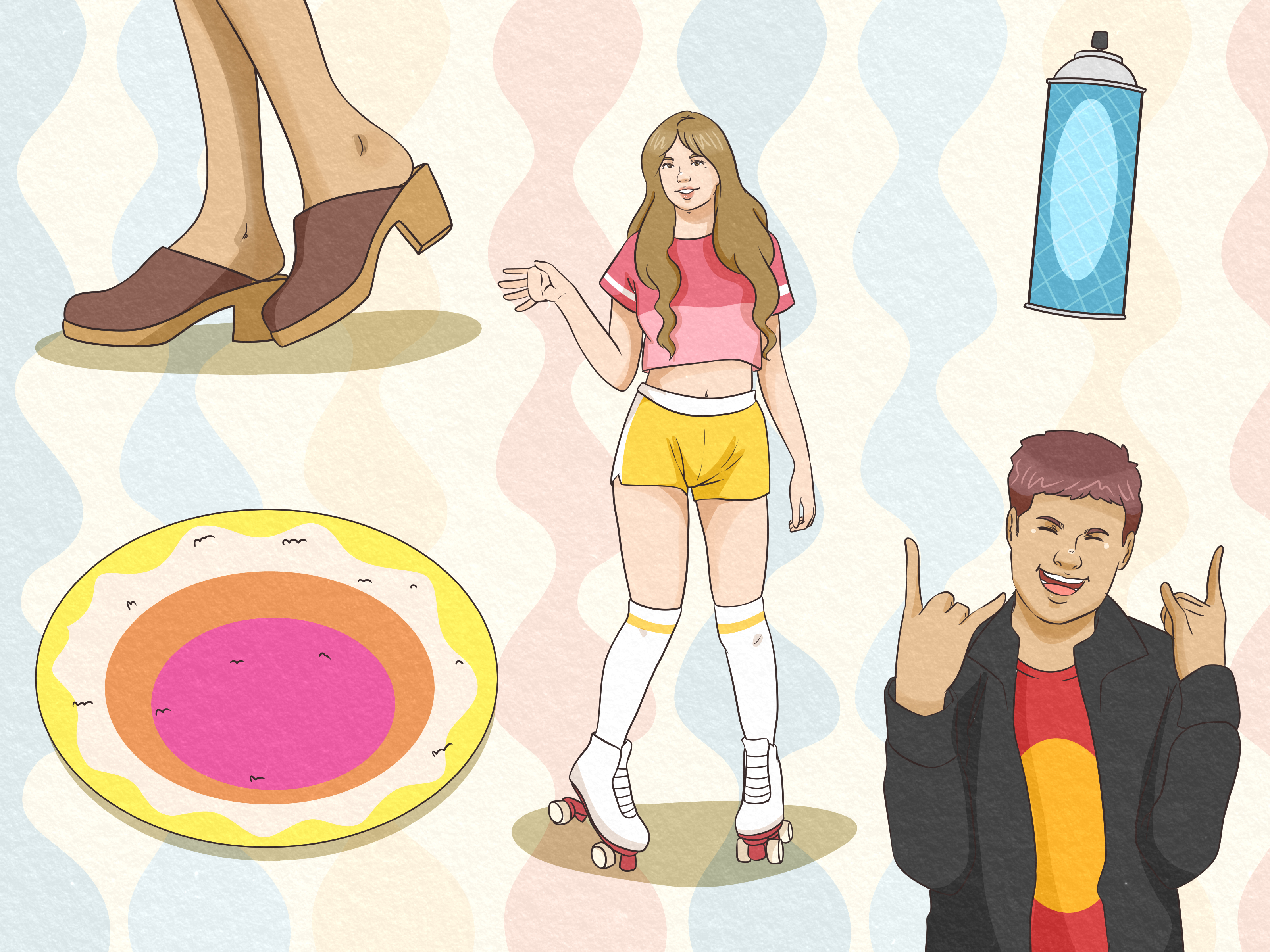
Want to time-travel without inventing a machine, borrowing a scientist’s lab coat, or accidentally turning your lunchbox into a spaceship? Good news: you can relive the 1970s right at home. The 1970s were a colorful, noisy, creative decade filled with bell-bottom jeans, disco music, board games, space dreams, Saturday morning cartoons, environmental action, and enough orange-and-brown home décor to make a pumpkin feel underdressed.
For kids today, exploring the 1970s is not about pretending everything was perfect. The decade had real challenges, including economic problems, gasoline shortages, political scandals, and social change. But it was also a time when kids played outside for hours, families gathered around one TV, music made people dance like nobody was watching, and toys did not need Wi-Fi to be exciting. This guide will show you how to relive the 1970s in a fun, safe, kid-friendly way while learning what made the decade so unforgettable.
What Made the 1970s So Different?
The 1970s sat between the bold changes of the 1960s and the tech-heavy world that arrived later. Kids in the 1970s grew up without smartphones, streaming apps, tablets, or social media. If they wanted to talk to a friend, they used a landline phone, wrote a note, rode a bike over, or simply yelled across the street with impressive lung power.
Many families had one television, and everyone watched what was on at the time. No pausing. No skipping ads. No “just one more episode” button. If a favorite show aired at 7:00 p.m., you were there at 6:59 p.m. like a tiny TV executive. Kids played records, listened to radio countdowns, read comic books, swapped trading cards, built model kits, and invented games from whatever was in the garage.
Dress Like a 1970s Kid
Try Bell-Bottoms, Bright Colors, and Funky Patterns
The easiest way to feel like you stepped into the 1970s is to dress the part. Bell-bottom jeans were one of the most famous fashion trends of the decade. These pants were fitted at the top and flared wide at the ankles, which made walking feel slightly more dramatic. Add a striped shirt, a denim jacket, or a colorful sweater, and suddenly you look ready to ride a banana-seat bike to the local record store.
The 1970s loved patterns: paisley, stripes, florals, checkerboards, and geometric prints. Earth tones like brown, mustard yellow, burnt orange, avocado green, and cream were everywhere. If modern minimalism whispers, “Keep it simple,” 1970s style shouts, “What if the couch matched the curtains and both looked like soup?”
Make It Kid-Friendly
You do not need expensive vintage clothing. Look for flared jeans, colorful T-shirts, headbands, round sunglasses, or a fringed vest at thrift stores or in a costume box. Avoid anything uncomfortable or unsafe, especially super-high platform shoes. The goal is groovy, not wobbly.
Create a 1970s Bedroom or Hangout Corner
A 1970s-inspired room does not need a full makeover. Start with a cozy corner. Use warm colors, a beanbag chair, a shag-style rug, a lava lamp-style light, or posters with rainbows, peace signs, planets, records, or classic movie art. Add a small shelf for books, puzzles, and board games. Bonus points if you make a handmade “Keep on Groovin’” sign, because apparently everything in the 1970s sounded better with groovin’ attached.
Kids in the 1970s often decorated with handmade crafts. Try macramé-inspired wall art using yarn, paper flower garlands, painted rocks, or a collage made from magazine cutouts. A homemade room decoration fits the era perfectly because the 1970s had a strong do-it-yourself spirit.
Listen to 1970s Music
Build a Family-Friendly Playlist
Music was a huge part of 1970s culture. Disco became famous for its danceable beat, while rock, funk, soul, folk, and pop all shaped the decade. To relive the 1970s as a kid, make a clean, family-friendly playlist with upbeat songs that adults approve. Choose music that gets people moving without including mature themes.
You can explore disco rhythms, Motown-influenced pop, soft rock, and classic sing-along tunes. The point is not to memorize every artist. The point is to notice how music brought people together. In the 1970s, a song could fill a living room, a school dance, a roller rink, or a backyard party.
Host a Mini Disco
Clear a safe space in the living room, hang paper stars, turn on colorful lights, and invite family members to dance. Learn simple moves like the point, the step-touch, and the dramatic spin. Keep it silly. The best disco dancers look confident even when their arms seem to be giving directions to an airplane.
Play Like Kids Did in the 1970s
Bring Back Board Games and Tabletop Fun
Before video games became common in homes, kids played board games, card games, puzzles, and imagination-based games. Family game night was a major event. Try classic-style games that involve strategy, memory, guessing, or storytelling. Games like checkers, chess, word games, trivia, and simple card games can create that 1970s feeling without needing original boxes from the attic.
Tabletop role-playing also began growing in the 1970s. Kids who enjoy storytelling can create a safe, simple adventure game with paper, pencils, dice, and imagination. One person describes a pretend world, and the other players decide what their characters do. Keep it light: treasure maps, lost castles, friendly dragons, mysterious libraries, or space explorers are perfect.
Try Playground Classics
Kids in the 1970s spent a lot of time outside. They played tag, hide-and-seek, kickball, hopscotch, jump rope, four square, and bike-riding games. To relive the decade, gather friends or siblings and play outside without using screens for an afternoon. Bring sidewalk chalk, a jump rope, a ball, and a water bottle. That is basically a 1970s starter pack.
Experience Early Video Game History
The 1970s helped launch the video game world kids know today. Arcade games became popular, and simple home game systems began appearing. Early games had basic graphics, simple sounds, and controls that were easy to understand. Compared with modern games, they may look like two rectangles arguing on a black screen, but at the time they felt futuristic.
To relive this part of the 1970s, play a safe retro-style game with simple controls. Choose games inspired by ping-pong, space shooting, racing, or maze challenges. Notice how much fun can come from a basic idea. The graphics may be simple, but the challenge can still be surprisingly intense. A tiny square can ruin your day if it moves fast enough.
Watch 1970s-Inspired TV and Movies
Choose Kid-Friendly Shows
Educational television became especially important during this era. Programs like Sesame Street helped make learning letters, numbers, kindness, and everyday problem-solving more entertaining. Short animated educational segments also became popular, teaching grammar, math, science, and history through catchy songs.
For a 1970s TV night, ask a parent or guardian to help choose age-appropriate episodes, clips, or documentaries. Watch together and talk about how the pacing, jokes, animation, and music feel different from today’s shows. You may notice that older children’s TV often moved more slowly but gave viewers time to sing, think, and laugh.
Have a Classic Movie Night
The late 1970s gave pop culture some unforgettable space adventure energy. A kid-friendly 1970s movie night can include science fiction, family adventures, or documentaries about the decade. Add popcorn in a big bowl, homemade tickets, and a “no phone during the movie” rule. That last part may sound impossible, but children of the 1970s survived it bravely.
Eat 1970s-Inspired Snacks
Try Fondue the Safe Way
Fondue became a memorable food trend in American homes during the 1970s. Traditionally, fondue involves dipping bread or fruit into melted cheese or chocolate. For kids, this should always be done with adult help because hot pots and melted foods can burn. A safer version is a room-temperature dip night with cheese spread, yogurt dip, hummus, fruit, crackers, and vegetables.
The fun part is sharing food from a central bowl, which captures the social feeling of 1970s entertaining. You can also make a “retro snack tray” with orange slices, celery sticks, popcorn, cheese cubes, pretzels, and mini sandwiches.
Make a Retro Family Dinner
Many 1970s meals were practical, budget-friendly, and easy to serve to a busy family. Think casseroles, baked potatoes, gelatin desserts, deviled eggs, carrot cake, and slow-cooker meals. You do not have to love every retro recipe. Some dishes from the past look like science experiments wearing whipped topping. But trying one or two can be a fun way to taste history.
Celebrate the 1970s Environmental Spirit
The first Earth Day was celebrated in 1970, and environmental awareness became a major part of the decade. Kids can relive the positive side of that movement by doing simple eco-friendly activities. Clean up litter at a park with adult supervision, plant flowers, recycle properly, turn off lights when leaving a room, or make art from reused materials.
This is one of the best 1970s lessons for today. You are not just copying a fashion trend; you are practicing responsibility. A kid who plants a tree or picks up trash is doing something more historically meaningful than wearing bell-bottoms, although doing both at the same time would be extremely committed.
Explore 1970s Space Dreams
Space exploration still captured imaginations in the 1970s. The decade followed the Apollo Moon landings and included major missions such as Skylab and Voyager. Kids dreamed about astronauts, rockets, planets, and life beyond Earth. Space toys, posters, books, and model rockets reflected that excitement.
To relive the space-loving side of the 1970s, build a cardboard rocket, draw a mission patch, create a planet poster, or write a pretend space diary. Imagine you are sending a message to another planet using only paper and creativity. No laser cannon required. This is peaceful space travel, not a galactic traffic jam.
Learn About the Serious Side of the 1970s
Reliving the 1970s should include more than costumes and music. The decade also included major events that shaped American life: the Vietnam War ended, the Watergate scandal changed public trust in government, the energy crisis affected transportation and daily routines, and many groups continued fighting for civil rights, women’s rights, and better representation.
Kids do not need to study everything at once. Start with age-appropriate books, museum pages, documentaries, or classroom resources. Ask questions like: What did families worry about? What changed in schools? How did people get news? What inventions were new? What problems from the 1970s are still important today?
Make a 1970s Time Capsule
A time capsule is a perfect way to connect past and present. Gather objects that represent today and compare them with 1970s items. You might include a printed photo, a handwritten note, a favorite snack wrapper, a drawing of your room, a list of songs you like, a newspaper headline, or a family recipe.
Then add a 1970s-inspired section: a peace sign drawing, a pretend concert ticket, a paper record cover, a list of outdoor games, or a mini poster about Earth Day. Seal everything in a box and write a future opening date. Congratulations: you have created historical suspense in cardboard form.
Plan a 1970s Day for Kids
Morning: Dress and Decorate
Start the day by putting on a 1970s-inspired outfit. Choose flared pants, bright colors, stripes, or a denim jacket. Decorate one room with handmade signs, paper flowers, and a playlist station. Take photos with parent permission so you can compare your modern life with your retro experiment.
Afternoon: Games and Crafts
Play outdoor games, make a macramé-style yarn craft, design a pretend album cover, or build a cardboard arcade cabinet. You can also draw your own comic strip or create a board game using paper and dice. The 1970s reward creativity. If something looks homemade, that is not a problem; that is the entire vibe.
Evening: Food, Music, and Family TV
End the day with retro snacks, a family-friendly playlist, and a classic show or movie. Ask older family members what they remember about the 1970s. Even if they were not alive then, they may remember stories, songs, or old photos from relatives. History becomes more interesting when it sounds like family gossip with better pants.
Extra Experiences: What It Feels Like to Relive the 1970s as a Kid
The most surprising part of reliving the 1970s is how quickly you notice the silence left behind when screens are not controlling every minute. At first, a no-phone afternoon can feel strange, like someone paused the universe and forgot to add background music. But after a while, the quiet starts to feel useful. You begin noticing little things: the sound of a basketball bouncing, the smell of popcorn in the kitchen, the weird squeak of a board game box opening, or how funny your family looks when everyone tries disco dancing at once.
A 1970s-style day also teaches patience. If you play records or pretend to listen to a radio countdown, you cannot instantly jump to every favorite song. You wait. If you play a board game, you wait for your turn. If you call a friend on a pretend “landline only” rule, you realize conversations used to be more planned. People could not send fifteen tiny messages just to say, “Wait, where are you?” They had to make a plan and trust it. Mysterious, ancient technology known as “being on time” was very important.
The clothes make the experience even funnier. Bell-bottoms feel dramatic. A headband makes you feel like you might either join a band or teach a very intense gym class. Bright patterns make every mirror look like it is hosting a party. Even if you only dress up for a few hours, fashion helps you understand that the 1970s were full of personality. People used clothes, hair, patches, and handmade accessories to express themselves.
Food is another memorable part. A retro snack tray may look simple, but sharing it changes the mood. Instead of everyone grabbing separate snacks and disappearing, people gather around. They dip crackers, compare flavors, laugh at unusual recipes, and tell stories. That is the secret power of many 1970s activities: they are social. The decade’s games, music, meals, and TV habits often pulled people into the same room.
Outdoor play may be the best experience of all. Spending an afternoon with chalk, bikes, jump ropes, balls, and imagination can feel freeing. There are no levels to unlock and no battery warnings. You invent rules, change them, argue for thirty seconds, solve it, and keep going. You may discover that boredom is not always bad. Sometimes boredom is just creativity stretching before the big game.
Reliving the 1970s also helps kids appreciate modern life. Today, you can learn almost anything instantly, talk to people far away, and watch educational videos whenever you want. That is amazing. But the 1970s remind us that fun does not have to be complicated. A song, a friend, a ball, a notebook, a backyard, and a little imagination can still do a lot of heavy lifting.
By the end of your 1970s adventure, you may not want to give up modern technology forever. That is fine. Nobody is asking you to trade your favorite game for a rotary phone and a shag carpet. But you might keep a few habits: playing outside more often, making crafts by hand, listening to music with family, asking older relatives about their memories, or celebrating Earth Day with real action. That is how you truly relive the 1970snot by copying every detail, but by borrowing the best parts and making them work for kids today.
Conclusion
Learning how to relive the 1970s for kids is more than putting on bell-bottoms and dancing under a homemade disco ball. It is a playful way to explore history, creativity, music, fashion, environmental awareness, family entertainment, and old-school fun. The 1970s were colorful, complicated, and full of change. For today’s kids, the decade offers a chance to unplug, imagine, build, listen, move, and learn.
Start small. Try a retro outfit, play a board game, make a craft, watch a kid-friendly classic show, create a 1970s snack tray, or spend an afternoon outside. You may discover that the past is not dusty at all. Sometimes it wears flared jeans, dances badly, and invites everyone over for popcorn.











