
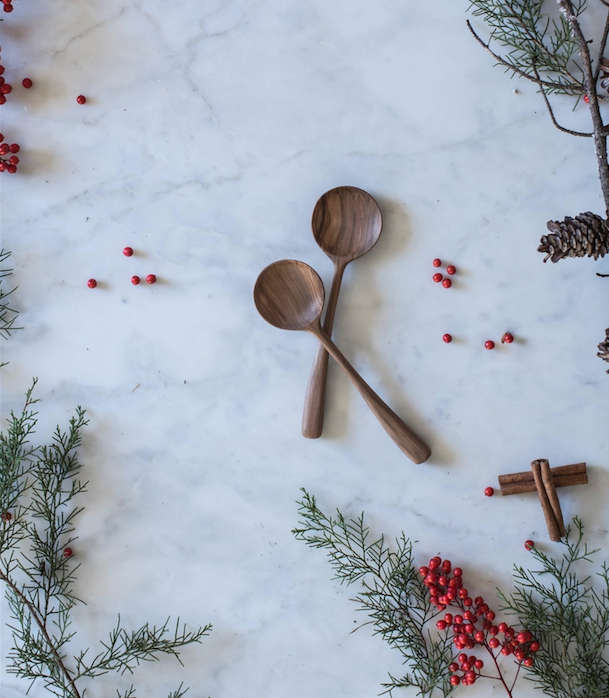
The Sweet Gum Relish Spoon sounds like the sort of object that quietly sits on the table until everyone suddenly needs it. It is not a flashy stand mixer, a copper pan, or a knife that could headline a cooking show. It is a small wooden serving spoon made for pickles, olives, chutneys, preserves, condiments, and all the tiny bright things that make a meal feel awake. In other words, it is the table’s polite little problem-solver.
At first glance, a relish spoon may seem old-fashioned. That is part of its charm. Before every snack board became a “grazing experience” and every party platter needed a drone shot, American tables often relied on small specialty utensils: pickle forks, jam spoons, butter spreaders, olive spoons, jelly servers, and relish spoons. The Sweet Gum Relish Spoon brings that tradition into a warmer, simpler, more handmade world. Instead of shiny silverplate or stainless steel, this piece leans into wood, craft, natural texture, and everyday usefulness.
The archived product information describes the Sweet Gum Relish Spoon as a wooden flatware piece from Sweet Gum Co., handmade in Tennessee, measuring about 7.5 inches by 2 inches, and finished with mineral oil. That compact size is exactly what makes it useful. It is long enough to reach into a small bowl or jar, broad enough to lift a few olives or a spoonful of chow-chow, and attractive enough to leave on the table without looking like it wandered in from the junk drawer.
What Is a Sweet Gum Relish Spoon?
A relish spoon is a small serving spoon designed for condiments and bite-size foods. Think pickled okra, corn relish, cranberry relish, bread-and-butter pickles, caper berries, cocktail onions, marinated mushrooms, pepper jelly, and those olives that mysteriously disappear before dinner officially starts. Some traditional relish spoons are pierced so liquid can drain away. Others, especially wooden versions, use a shallow bowl shape to scoop and serve without scratching glass, ceramic, or delicate serving dishes.
The Sweet Gum Relish Spoon belongs to the second family. It is less about draining brine like a slotted spoon and more about graceful serving. Because it is wood, it adds warmth to the table. It looks natural beside cheese boards, stoneware bowls, linen napkins, handmade plates, and rustic bread boards. It also works beautifully in modern kitchens where people want tools that feel human instead of factory-perfect.
Why Sweet Gum Wood Matters
Sweetgum, botanically known as Liquidambar styraciflua, is a native tree commonly associated with the eastern United States and parts of Mexico. If you have ever stepped barefoot on one of its spiky seed balls, congratulations: you have met sweetgum in its most dramatic form. The tree is also known for star-shaped leaves, deeply furrowed bark, and colorful fall foliage that can shift through yellow, red, burgundy, and purple.
For woodworkers, sweetgum can be interesting because it has visual character. Its sapwood can be pale, pinkish, or tan, while the heartwood may run from grayish tones to reddish brown. The wood can have a fine, uniform texture and natural luster. Sometimes it is called redgum, especially when discussing the darker heartwood. That reddish warmth helps explain why sweetgum can look so inviting in a kitchen tool.
Sweetgum is not always the easiest wood to manage. It may move, warp, or distort during drying, and its interlocked grain can make planing tricky. But for a careful maker, those same qualities can create a spoon with personality. Handmade wooden utensils often celebrate what mass production tries to erase: grain changes, small asymmetries, color variation, and the gentle evidence of a human hand.
The Handmade Appeal of the Sweet Gum Relish Spoon
The beauty of a handmade wooden relish spoon is that it does not pretend to be a universal gadget. It has a specific job, and it does that job with style. The Sweet Gum Relish Spoon is small, useful, and tactile. It invites people to slow down just enough to notice the table.
Sweet Gum Co.’s broader woodworking identity centers on bread boards, servingware, and cooking utensils made from reclaimed Southern wood. That context matters because the spoon is not just “wooden.” It belongs to a larger craft tradition where salvaged or local material is given a second life. In a kitchen culture crowded with disposable plastic and anonymous imports, a handmade wooden spoon feels almost rebellious. Quietly rebellious, yesbut still rebellious.
Small Tool, Big Personality
One reason the Sweet Gum Relish Spoon works so well is scale. At roughly 7.5 inches long, it is not competing with the mashed-potato serving spoon or the soup ladle. It is for smaller dishes: a crock of whole-grain mustard, a dish of fig jam, a ramekin of chopped giardiniera, or a bowl of homemade relish next to grilled sausages. It is the tool that says, “Yes, someone thought about the condiments.” That is hospitality in miniature.
A Warmer Alternative to Metal Flatware
Metal relish spoons are classic, but wood offers a softer presence. A wooden spoon will not clink loudly against ceramic bowls. It will not feel cold to the touch. It will not visually overpower a casual table. Instead, it blends in with the food: the amber of honey, the green of olives, the ruby shine of cranberry relish, the golden edge of pickled peppers.
How to Use a Sweet Gum Relish Spoon
The obvious use is right there in the name: relish. But stopping there would be like buying a bookshelf and storing one pamphlet on it. A Sweet Gum Relish Spoon can serve many small foods and condiments.
For Pickles, Olives, and Briny Things
Use it with bread-and-butter pickles, cornichons, pickled red onions, cocktail onions, olives, caper berries, pickled jalapeños, and chow-chow. If the bowl contains a lot of liquid, let the spoon rest against the edge for a second before transferring food to a plate. Is it as efficient as a slotted utensil? Not always. Is it much prettier than a random teaspoon from the drawer? Absolutely.
For Jams, Chutneys, and Cheese Boards
A wooden relish spoon is excellent for fig jam, onion jam, tomato chutney, apple butter, pepper jelly, and whole-fruit preserves. Place it beside a wedge of cheddar, a soft goat cheese, or a round of baked brie. The spoon adds a natural, handcrafted look to the board while making guests feel welcome to help themselves. Nobody wants to be the first person to attack the jam with a dinner knife. Give them a spoon and civilization continues.
For Holiday and Everyday Tables
The American relish tray has deep nostalgic energy. Many families remember divided glass dishes filled with celery sticks, olives, pickles, carrots, radishes, and other crunchy snacks before the main meal. A Sweet Gum Relish Spoon fits beautifully into that tradition, especially at Thanksgiving, Christmas, Easter, cookouts, brunches, and Sunday suppers. It also works for everyday meals when you want to make a jar of pickles feel like a side dish instead of a fridge rescue mission.
Design Analysis: Why This Spoon Feels Special
Good serving tools balance function, proportion, and emotion. The Sweet Gum Relish Spoon checks all three boxes.
Functionally, it is sized for small servings. The bowl is broad enough for a useful scoop but not so large that it overwhelms a condiment dish. Its wooden surface is gentle on serveware and comfortable in the hand. The mineral oil finish helps preserve the wood while keeping the grain visible and touchable.
Visually, the spoon creates contrast. Place it beside a white porcelain dish and the wood grain becomes a design feature. Lay it on a linen napkin and it looks like a carefully chosen tabletop accent. Pair it with a jar of homemade relish and it suggests craft before anyone even tastes the food.
Emotionally, it carries the feeling of handmade work. Slight variations are not defects; they are the point. In a world where so many kitchen tools look like they were designed by a committee trapped in a stainless-steel conference room, a small wooden spoon feels refreshingly personal.
How to Care for a Wooden Relish Spoon
Wooden utensils reward gentle care. Treat them well and they can stay handsome for years. Treat them like a dishwasher-safe plastic spatula and they may crack, dry out, or look like they spent a summer stranded in a parking lot.
Wash by Hand
After use, wash the spoon with mild dish soap and warm water. Do not soak it for long periods. Do not put it in the dishwasher. Dishwashers use heat, moisture, and strong detergents that can strip natural oils from wood and cause warping or cracking.
Dry Thoroughly
After washing, wipe the spoon with a clean towel and let it air-dry completely. Avoid storing it while damp. Trapped moisture is not a friend to wooden kitchen tools.
Oil Occasionally
When the spoon begins to look dry, condition it with food-safe mineral oil or a food-safe beeswax blend. Apply a small amount with a clean cloth, let it absorb for several hours or overnight, and wipe away any excess. Avoid olive oil or vegetable oil for long-term wood care because those oils can become sticky or rancid over time.
Know When to Retire It
If a wooden spoon develops deep cracks, splinters, or areas that cannot be cleaned effectively, retire it from food service. That does not mean it must go into the trash. It can become a decorative object, a plant marker, or the most charming coffee-scoop-adjacent item in the pantry.
Who Should Buy or Use a Sweet Gum Relish Spoon?
A Sweet Gum Relish Spoon is ideal for people who love thoughtful table settings, handmade kitchen tools, rustic-modern design, and small objects with a story. It is especially appealing for hosts, home cooks, collectors of wooden utensils, fans of Southern craft, and anyone who believes a cheese board deserves better than a sad butter knife.
It also makes a thoughtful gift. Unlike many kitchen gifts, it does not require counter space, electricity, or an instruction manual thick enough to stun a raccoon. It is simple, beautiful, and useful. Pair it with a jar of local relish, pepper jelly, honey, or pickled vegetables and you have a small but memorable host gift.
Sweet Gum Relish Spoon Styling Ideas
For a casual board, place the spoon in a small bowl of olive tapenade beside crackers, aged cheddar, salami, and roasted almonds. For brunch, use it with citrus marmalade, berry preserves, or whipped honey butter. For barbecue, pair it with chow-chow, pickled onions, mustard relish, or jalapeño jelly. For Thanksgiving, let it serve cranberry-orange relish or spiced apple chutney.
The trick is to let the spoon feel intentional. Put it next to a dish that deserves a dedicated server. That tiny act makes the table look more generous. It tells guests they are invited to taste, scoop, and enjoy without awkwardly asking, “Is this spoon for the olives or did someone already use it in the coffee?”
Experience Notes: Living With a Sweet Gum Relish Spoon
The first thing you notice about a wooden relish spoon is that it changes the pace of serving. A metal spoon is efficient. A plastic spoon is forgettable. A wooden spoon asks you to pay attention. You reach for it, feel the grain, and suddenly the condiment bowl is not just an accessory. It becomes part of the meal’s atmosphere.
In everyday use, a Sweet Gum Relish Spoon shines most during small gatherings. Imagine a weekend lunch with grilled sandwiches, a bowl of pickles, a little mustard, and a jar of pepper relish. Without a dedicated spoon, everyone starts improvising. Someone uses a fork. Someone tips the jar too far. Someone splashes pickle brine across the plate like modern art. Add a small wooden relish spoon and the table instantly becomes calmer, prettier, and less slippery.
It is also surprisingly useful for tasting spreads while cooking. You can scoop a little chutney onto a cracker, add apple butter to a biscuit plate, or serve a spoonful of salsa macha next to roasted vegetables. Because the spoon is small, it encourages moderation without making the serving feel stingy. It gives just enough.
For holiday meals, the spoon feels even more at home. A relish tray may sound vintage, but the idea is timeless: bright, acidic, crunchy bites that wake up the appetite before heavier food arrives. Put out pickled okra, olives, radishes, celery sticks, baby carrots, marinated peppers, and cranberry relish. Add the Sweet Gum Relish Spoon to the bowl that needs scooping, and suddenly the tray has that “someone cared” feeling. It is a tiny detail, but hosting is mostly tiny details pretending to be effortless.
The spoon also photographs well, which matters more than many people admit. On a cheese board, wood softens the look of glass jars and ceramic dishes. It pairs nicely with linen, slate, marble, stoneware, and butcher block. The natural grain keeps the scene from looking too polished. It says rustic, but not “I churned butter before sunrise.” It says handmade, but not messy.
Care becomes part of the experience. Washing it by hand takes only a moment. Drying it properly and oiling it occasionally creates a small ritual, the same way people season cast iron or polish a favorite knife. Over time, the spoon may darken slightly, smooth at the handle, and take on the memory of meals. That is the advantage of wood: it ages with you instead of merely wearing out.
One of the best ways to enjoy a spoon like this is to stop saving it for “company.” Use it on a Tuesday. Use it for jam at breakfast. Use it for olives while making pasta. Use it for relish with hot dogs, because even hot dogs deserve dignity. The more often it appears, the less it feels like a precious object and the more it becomes part of your kitchen language.
A Sweet Gum Relish Spoon is not essential in the way a chef’s knife is essential. You can live without it. You can also live without cloth napkins, fresh flowers, warm bread, and good pickles, but what kind of bleak little dinner are we building here? The point of a tool like this is not survival. The point is pleasure, attention, and the quiet upgrade of ordinary moments.
Conclusion
The Sweet Gum Relish Spoon is a small wooden serving utensil with a big sense of place. Handmade in Tennessee, shaped for condiments and small bites, and finished to highlight the natural beauty of wood, it turns a simple actserving relishinto something warmer and more intentional. Its appeal comes from the meeting of function and feeling: useful enough for everyday meals, handsome enough for holiday tables, and personal enough to make guests notice.
Whether used for pickles, olives, chutney, cranberry relish, pepper jelly, or jam, this handmade wooden relish spoon reminds us that tabletop details matter. They do not need to be expensive, loud, or complicated. Sometimes the best object on the table is the one that simply helps everyone reach the good stuff.
Note: This article is written as original web content based on real product details, wood characteristics, tableware usage, and safe wooden utensil care practices. It contains no copied product descriptions and no unnecessary citation placeholders.











