
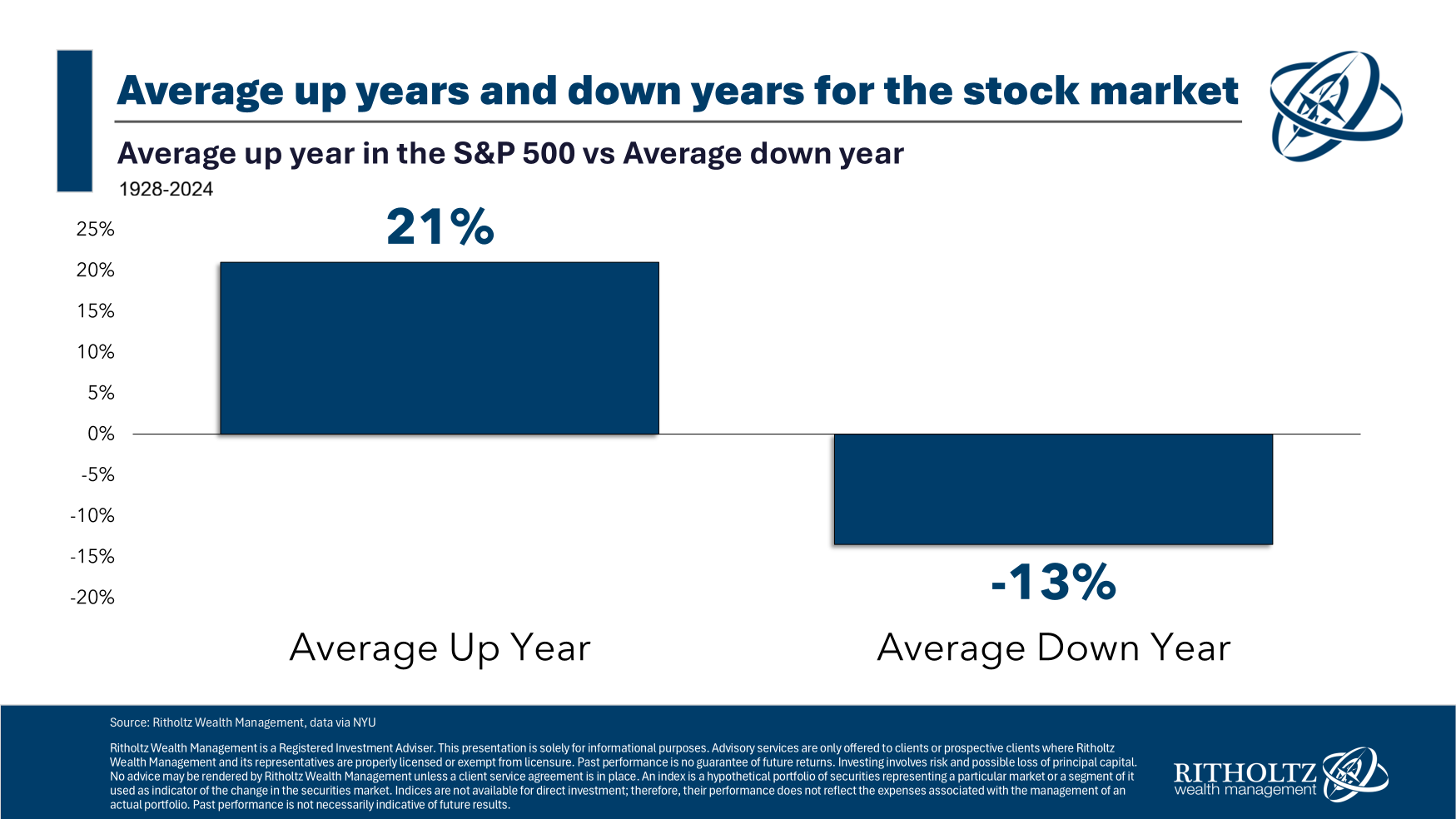
If you came here hoping for a perfectly precise answer like, “The market will fall exactly 12.37% on a Thursday afternoon right after lunch,” I have unfortunate news: the stock market does not send calendar invites. What it does send, however, are clues. And in 2026, those clues suggest something important: a pullback is possible, a correction is plausible, volatility is practically on stage with a microphone, but a full-blown crash is not the clear base case.
That distinction matters. Investors often ask the wrong version of the question. Instead of asking whether the stock market will fall in 2026, the better question is how far it could fall under different conditions. That is where reality lives. Markets do not move on vibes alone. They react to earnings, valuations, interest rates, inflation, oil prices, geopolitics, and whether traders wake up feeling brave or dramatically unwell.
So let’s get practical. Based on the major market outlooks, economic releases, and financial commentary shaping 2026 so far, the most reasonable answer is this: the U.S. stock market could see a normal drawdown in the range of 5% to 10%, a deeper correction in the 10% to 15% zone if inflation or growth worsens, and a bear-market-style decline of 20% or more only if the economy slides toward recession or earnings expectations crack in a meaningful way.
In other words, 2026 may be a year of bumps, not automatically a year of doom.
The Short Answer: Probably a Correction, Not Necessarily a Collapse
At the start of 2026, plenty of Wall Street firms still leaned broadly constructive on stocks. Several major investment houses expected another positive year for equities, though they also warned that valuations were high, policy uncertainty was elevated, and market leadership remained concentrated. That is Wall Street’s polite way of saying, “The party may continue, but someone is standing too close to the punch bowl.”
That means the baseline outlook for 2026 is not “stocks are doomed.” It is closer to “stocks can still rise, but the path may be choppy, and the downside could be sharp if a few things go wrong at once.”
So how much could the market fall?
Base-case scenario: 5% to 10%
This is the most normal outcome. A market that has run up on optimism, AI enthusiasm, easing-rate hopes, and strong earnings can easily give back some gains when investors confront stubborn inflation, sticky bond yields, or profit-taking. A 5% to 10% drop is unpleasant, but it is also common enough that long-term investors should not act like the sky is falling because the S&P 500 twisted an ankle.
Stress scenario: 10% to 15%
This becomes more likely if inflation refuses to cool, the Federal Reserve stays restrictive longer than expected, energy prices remain elevated, or earnings growth disappoints. Markets hate being forced to reprice both profits and interest rates at the same time. That is when a “healthy pullback” suddenly starts writing angry emails.
Bearish scenario: 20% or more
This usually requires a bigger catalyst: recession risk rising materially, a real earnings recession, a major credit event, or a geopolitical shock that spills into growth and inflation simultaneously. Could it happen in 2026? Yes. Is it the clearest base case right now? No.
Why Investors Are Even Asking This Question in 2026
The stock market did not enter 2026 from a place of deep pessimism. Quite the opposite. U.S. equities had been supported by resilient corporate profits, enthusiasm around artificial intelligence, hopes for lower rates, and an economy that kept refusing to behave like a textbook recession candidate.
But by early 2026, several cracks started drawing more attention. Valuations looked stretched in parts of the market, especially among mega-cap growth names. Concentration risk stayed high. Inflation progress had become less smooth. And policy uncertainty, including tariffs and geopolitical risks, kept barging back into the room like an ex who still has your Netflix password.
That matters because expensive markets can keep rising, but they become less forgiving. If earnings remain strong, high valuations can be tolerated. If earnings wobble, those same valuations turn from “ambitious” to “what exactly were we thinking?” very quickly.
The Biggest Forces That Could Push Stocks Lower
1. High valuations leave less room for error
One of the clearest themes in 2026 outlooks is that valuations are not cheap. That does not mean the market must fall immediately. It does mean expectations are already fairly optimistic. When prices are high relative to earnings, even decent news can feel merely “fine,” and merely “fine” does not always keep a bull market sprinting.
This is especially true if leadership remains narrow. If a handful of giant companies are doing most of the heavy lifting, any stumble in those names can drag the entire index lower. Broad participation usually makes rallies sturdier. Narrow participation can make them look athletic until they trip over one shoelace.
2. The Fed may not rescue the market on command
Many investors entered 2026 hoping for a friendlier Federal Reserve. But inflation has been sticky enough to complicate that dream. Higher oil prices, tariff effects, and lingering service inflation have all made the disinflation story less clean than investors would prefer.
If the Fed stays cautious for longer, or even hints that policy will remain restrictive because inflation risks are still alive, equity valuations may feel pressure. Lower rates tend to support higher stock multiples. Fewer cuts, delayed cuts, or no cuts at all can create the opposite effect.
That does not automatically cause a crash. It does, however, increase the odds of a correction as markets adjust expectations.
3. Earnings must keep doing the heavy lifting
There is an old market truth that refuses to retire: over time, stocks follow earnings. In 2026, that idea matters more than ever. If corporate profits keep growing, the market can absorb a lot of stress. If earnings estimates start coming down across sectors, stocks may need to reprice lower.
This is why the most dangerous scenario for equities is not just slower growth. It is slower growth paired with lower earnings expectations and stubborn inflation. That combination is like getting bad weather, bad traffic, and a dead phone battery on the same commute.
4. Oil and geopolitics remain wild cards
Recent market swings have shown how quickly headlines tied to conflict and energy can move both stocks and rate expectations. When oil spikes, inflation concerns return. When inflation concerns return, the Fed becomes less flexible. When the Fed becomes less flexible, highly valued stocks lose some of their shine.
This chain reaction does not guarantee a lasting sell-off, but it absolutely raises volatility. Even if geopolitical shocks fade, they can still trigger short, sharp drops along the way.
5. Recession risk is not zero
Recession is not the consensus call for 2026, but it is not fiction either. Growth slowed materially from the stronger pace seen in 2025, and some economic models still assign meaningful recession odds over the next year. If labor markets weaken more sharply, consumers pull back, or business investment cools, the market could shift from “soft landing” optimism to “maybe we landed in a ditch” concern surprisingly fast.
How Much Has the Market Already Fallen in 2026?
This is where perspective helps. The market has already shown it can wobble in 2026. First-quarter performance was softer than the previous year’s momentum suggested, and some broad measures of the U.S. market were down around 4% for the quarter. That is not catastrophic, but it is enough to remind investors that straight-line rallies belong mostly to fantasy novels and promotional PowerPoints.
Even so, the action in early April also demonstrated how quickly sentiment can swing back. Relief around geopolitical developments sparked strong rallies, which tells us something important: the market is nervous, but not broken. A broken market struggles to bounce. A nervous market ricochets between panic and optimism like a caffeinated squirrel.
Scenario Analysis: What 2026 Might Look Like From Here
Bullish outcome: the market falls briefly, then finishes higher
In this version of 2026, earnings growth holds up, inflation cools enough to keep the Fed patient rather than aggressive, and AI-related investment continues supporting productivity and corporate spending. The market may still see a 5% to 8% dip at some point, but buyers step in quickly, and the year ends with gains.
This is not a fantasy scenario. Several major firms entered 2026 with a generally constructive view on equities, even while admitting volatility would likely rise.
Middle outcome: a 10% to 15% correction, then stabilization
This is perhaps the most realistic “messy but not disastrous” path. Inflation proves sticky. Rate-cut hopes get pushed out. Economic growth slows but does not collapse. Earnings remain positive but less exciting. Investors decide they no longer want to pay premium prices for everything with an AI slide deck.
In that environment, indexes could correct by 10% to 15% before stabilizing as valuations improve and expectations reset.
Worst-case outcome: 20% to 25% or more
This requires more than simple disappointment. It likely needs a combination of recession fears, falling earnings forecasts, tighter financial conditions, and a market that realizes it was priced for something better. Could tariffs, oil, policy mistakes, or a credit shock help trigger that? Yes. But that is not the same as saying it is the most likely path.
Markets usually do not suffer deep bear markets just because investors are mildly grumpy. They usually need a more serious fundamental reason.
What Smart Investors Should Actually Watch
If you want to know how much the stock market could fall in 2026, stop obsessing over dramatic headlines and focus on the variables that move the math:
Earnings revisions
Are analysts cutting profit estimates broadly, or only in a few industries? Widespread downward revisions matter much more than isolated company stumbles.
Bond yields
If Treasury yields stay high or move higher, richly valued stocks can struggle. If yields settle down, equity markets get more breathing room.
Inflation data
Sticky inflation keeps the Fed cautious. Cooling inflation opens the door for easier policy and higher valuations.
Labor market trends
A softening labor market can be healthy if it is gradual. A cracking labor market can turn an earnings slowdown into something nastier.
Market breadth
If more sectors and more stocks start participating in gains, the market becomes more resilient. If leadership narrows again, downside risk rises.
So, How Much Will the Stock Market Fall in 2026?
The honest answer is not sexy, but it is useful: probably not enough to satisfy the permanent doom crowd, and possibly enough to terrify anyone who checks their brokerage app every nine minutes.
The best estimate right now is that a normal 2026 decline would likely fall in the 5% to 10% range. A larger correction of 10% to 15% is very plausible if inflation stays sticky, the Fed remains higher for longer, or earnings lose momentum. A 20%+ drop is possible, but it likely needs a more serious economic or earnings shock than the base case currently implies.
That is the key takeaway. Investors should prepare for volatility, not automatically assume catastrophe. There is a huge difference between a market that gets repriced and a market that gets wrecked.
What Living Through a 2026 Pullback Actually Feels Like
Here is the part market forecasts often forget: behind every drawdown is a human being staring at a screen, pretending to be calm while mentally composing a farewell speech to their portfolio. The experience of a market decline in 2026 is not just about percentages. It is about psychology, timing, and the strange way fear can make a normal correction feel like the opening scene of a financial disaster movie.
For newer investors, a 5% drop can feel personal. They bought solid companies, read three newsletters, watched two videos on asset allocation, and suddenly their account is red. Their first instinct is usually to ask, “Did I ruin everything?” The answer, in most cases, is no. A routine pullback is not a moral judgment. It is just the market doing what markets do best: reminding everyone that risk was not decorative text in the brochure.
For experienced investors, 2026 may feel familiar but still annoying. They know corrections happen. They know volatility comes with equities. Yet even seasoned investors can get rattled when the reasons for the sell-off keep changing. One week it is inflation. The next week it is oil. Then it is rates, tariffs, geopolitics, earnings, or some combination that sounds like the economy lost a bar fight.
Then there is the emotional whiplash of headline-driven trading. A scary open becomes a relief rally by lunch. A strong jobs report is somehow bad because it may keep rates higher. A weak report is also bad because growth may be slowing. Investors end up trapped in that uniquely modern condition of having too much information and not nearly enough peace.
Long-term investors often describe these periods the same way: exhausting, noisy, and oddly educational. Drawdowns reveal whether a portfolio is actually diversified or just wearing a diversification costume. They expose how much risk someone can tolerate in theory versus how much risk they can tolerate when actual dollars are evaporating in real time.
And yet, these experiences are not always destructive. For disciplined investors, a correction in 2026 could become a moment of clarity. It may encourage better habits: rebalancing instead of panicking, adding gradually instead of making grand dramatic calls, and realizing that successful investing is often less about prediction and more about behavior. That is not flashy advice, but flashy advice tends to age like milk.
So if the market falls in 2026, the real experience will likely be a mix of discomfort, second-guessing, and opportunity. Some people will sell too early. Some will buy too aggressively. Some will do nothing and later claim that was the plan all along. In the end, the investors who come through these periods best are usually not the ones with perfect forecasts. They are the ones with a process sturdy enough to survive being wrong for a while.
That may be the most useful lesson of all. A market fall is not only a test of valuations and earnings. It is a test of patience. And patience, unlike hot stock tips, usually does not trend on social media.
Conclusion
If you want a one-line answer, here it is: the stock market may fall in 2026, but the most likely drop looks more like a correction than an apocalypse. Investors should respect downside risk, watch inflation and earnings closely, and remember that “volatile” and “broken” are not the same word.
In a year like 2026, discipline matters more than drama. That may not be the quote people print on T-shirts, but it is usually the one that keeps portfolios alive.











