
Anxiety and depression are not exactly the kind of roommates anyone invites in. They do not pay rent, they rearrange the emotional furniture, and they have a suspicious talent for showing up right when you are trying to answer a simple text message. For many people, these mental health struggles are invisible from the outside. You can look “fine,” reply “haha no worries,” and still feel like your brain is hosting a tiny disaster committee in matching gray suits.
That is why comics about anxiety and depression can feel so powerful. A four-panel drawing can capture what a thousand-word explanation sometimes cannot: the dread before a phone call, the guilt of canceling plans, the heroic effort of taking a shower, or the weird comedy of lying in bed at 2 a.m. while your brain replays something mildly awkward from 2014.
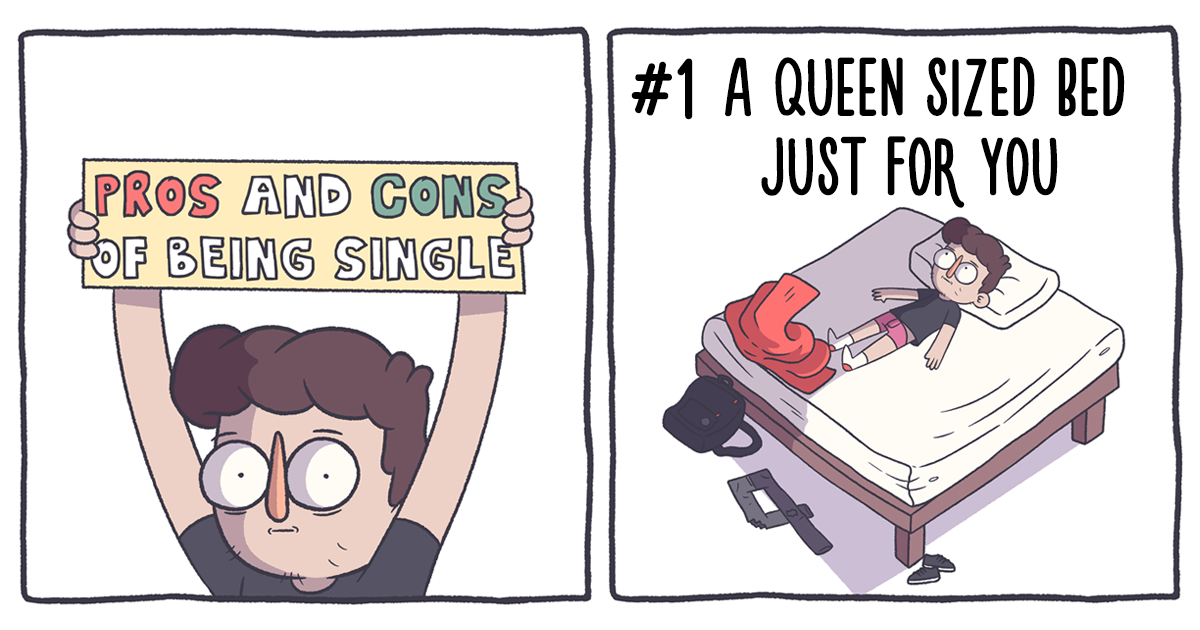
The title I Illustrate My Everyday Struggles With Anxiety And Depression In Mildly Amusing Comics speaks to a growing creative movement: artists turning personal mental health experiences into relatable, funny, honest visual stories. The humor is not about mocking pain. It is about making pain visible, giving it a shape, and sometimes shrinking it down to a cartoon goblin small enough to laugh at.
Why Comics Work So Well for Anxiety and Depression
Comics are uniquely suited to explain mental health because they combine words, facial expressions, body language, timing, and visual metaphor. Anxiety can become a buzzing cloud. Depression can become a blanket with a suspiciously strong grip. Intrusive thoughts can become annoying pop-up ads. In a comic, feelings do not have to stay abstract. They can become characters, props, shadows, monsters, or tiny gremlins with terrible office etiquette.
Anxiety disorders often involve excessive worry, fear, restlessness, difficulty concentrating, sleep problems, and physical symptoms such as tension or a racing heart. Depression can include persistent sadness, loss of interest, fatigue, changes in sleep or appetite, hopelessness, and trouble completing ordinary tasks. These descriptions are accurate, but they can sound clinical and distant. A comic, on the other hand, can show a person staring at a laundry basket as if it is a final boss in a video game. Suddenly, the symptom becomes understandable.
Visual storytelling makes invisible symptoms visible
Many people with anxiety and depression spend years trying to explain how “small” things can feel enormous. A missed email is not just a missed email; it is a doorway to shame, panic, and a full mental courtroom where the judge is also the prosecutor. A comic can show that spiral in a way readers instantly recognize. One panel shows the task. The next shows the brain’s exaggerated reaction. The punchline lands because the emotional truth is real.
Humor creates distance without denial
Humor does not cure anxiety or depression, and it should never be treated as a replacement for therapy, medication, social support, or professional care. But humor can create breathing room. It lets the artist say, “This is awful, but also, wow, my brain is being extremely dramatic today.” That tiny bit of distance can turn a private shame spiral into a shared human moment.
The best mildly amusing mental health comics do not pretend everything is fine. They say the opposite: things are hard, brains are weird, and sometimes survival looks like eating cereal for dinner while wearing the emotional confidence of a damp sock.
The Everyday Struggles That Become Comic Material
When people think about anxiety and depression, they may imagine dramatic scenes. But much of the experience happens in ordinary places: bedrooms, grocery stores, group chats, work meetings, sidewalks, kitchens, and the mysterious emotional battlefield known as “opening the front-facing camera by accident.”
1. The overthinking spiral
Overthinking is comic gold because it is both painfully familiar and absurdly theatrical. A simple “Can we talk later?” text can become a three-act tragedy directed by anxiety. The comic version might show a person calmly reading the message in panel one, sweating in panel two, writing a 900-word apology in panel three, and finally replying “Sure!” in panel four while emotionally aging twelve years.
This kind of comic resonates because it validates a common experience: anxiety often makes neutral situations feel threatening. The joke is not “people with anxiety are silly.” The joke is “anxiety is a terrible screenwriter, and it keeps pitching disaster movies.”
2. The depression energy budget
Depression can make ordinary tasks feel impossibly heavy. Showering, doing dishes, replying to messages, cooking a balanced meal, or leaving the house may require more effort than others realize. A comic can show a person celebrating after making the bed, only for the laundry pile to rise like a mountain in the background. Mildly amusing? Yes. Accurate? Also yes.
These drawings can gently challenge the misconception that depression is laziness. They show that the person is trying, even when the result looks small from the outside. Sometimes the victory is not running a marathon. Sometimes the victory is brushing your teeth before noon and not apologizing to the toothbrush.
3. Social anxiety and the fake-normal performance
Social anxiety can turn casual interactions into high-stakes theater. In comics, this often appears as a character practicing a coffee order like a Shakespeare monologue, then panicking when the barista asks, “Anything else?” Another panel might show someone leaving a party and immediately conducting a forensic investigation into whether they waved too enthusiastically.
The humor works because it exaggerates something real. Many people with anxiety know the exhausting performance of appearing relaxed while internally managing fear, embarrassment, and self-monitoring. A comic makes that invisible labor visible, and readers respond with the sacred internet phrase: “It me.”
4. The guilt of needing rest
Anxiety often says, “You should be doing more.” Depression says, “You cannot do anything.” Together, they form the least helpful motivational podcast of all time. Comics can capture this contradiction beautifully. A character lies on the couch trying to rest, while two tiny creatures shout opposite instructions: “Be productive!” and “Why bother?”
By drawing this conflict, artists can reveal how mental health struggles are not simply mood problems. They affect motivation, attention, self-worth, decision-making, and relationships. The comic becomes a small map of an internal tug-of-war.
Why Mild Humor Helps Readers Feel Less Alone
One reason mental health comics travel so widely online is that they offer recognition. A reader sees a drawing about canceling plans because “my brain has entered soup mode,” and suddenly a lonely experience becomes communal. The comic says, “You are not the only person whose mind sometimes behaves like a browser with 47 tabs open and one of them playing mysterious music.”
That sense of recognition matters. Stigma often grows in silence. When people believe they are the only ones struggling, they may hide symptoms, delay seeking help, or judge themselves harshly. Honest comics can interrupt that silence. They do not diagnose anyone, but they can create a doorway to conversation.
Comics can start difficult conversations gently
Some people struggle to tell friends or family what anxiety or depression feels like. Sending a comic can be easier than starting with a vulnerable confession. A person might say, “This is close to what I mean,” and let the drawing do part of the emotional heavy lifting.
That does not make comics therapy. But they can be a bridge. They can help loved ones understand that mental health struggles are not always visible, logical, or easy to “snap out of.” They can also help readers find language for experiences they had not been able to name.
Relatable art reduces shame
Shame thrives on the belief that your struggles are strange, embarrassing, or unacceptable. A relatable comic can puncture that belief. When thousands of people laugh, comment, share, and say “I thought it was just me,” the experience becomes less isolating. The symptom is still difficult, but the person no longer feels like a lone weirdo floating through space with a weighted blanket and a suspicious amount of unread notifications.
The Creative Process: Turning Feelings Into Panels
Creating comics about anxiety and depression starts with observation. The artist pays attention to small moments: the physical tension before a meeting, the relief after canceling plans, the dread of opening email, the strange pride of completing one chore, or the dark comedy of being tired from doing absolutely nothing because the brain has been sprinting all day.
Then comes translation. The artist asks: What does this feeling look like? Is anxiety a cloud, a monster, a ringing phone, a swarm of bees, a very serious raccoon in a tiny suit? Is depression a heavy coat, a low battery icon, a room with no windows, or a couch that has developed gravitational powers?
Step one: Identify the emotional truth
A good mental health comic begins with a real feeling. It does not need to be dramatic. In fact, the ordinary moments are often the strongest. “I could not reply to a message because I was overwhelmed” may not sound epic, but in comic form it can reveal the exhausting inner mechanics of anxiety.
Step two: Find the funny angle
The humor usually comes from contrast. The outside world sees a normal task; the inside world sees a dragon. The artist draws both. A character faces a sink full of dishes with the intensity of a medieval knight. A person attends a social event while their anxiety holds cue cards reading, “Say something normal,” and “No, not that normal.”
Step three: Keep the tone compassionate
The line between helpful humor and harmful humor is compassion. The best comics laugh at the absurdity of the struggle, not at the person struggling. They make room for tenderness. A punchline can coexist with empathy. A silly drawing can still say, “This hurts, and you deserve care.”
What Mental Health Comics Should Avoid
Because anxiety and depression are serious conditions, creators need to handle them thoughtfully. Humor can open doors, but careless jokes can reinforce stigma. Comics should avoid suggesting that people can fix depression by “thinking positive,” that anxiety is just being dramatic, or that professional treatment is unnecessary.
Responsible mental health comics can be funny while still respecting the seriousness of symptoms. They can show coping tools such as therapy, medication, journaling, breathing exercises, movement, social support, sleep routines, and setting boundaries without turning them into magic cures. Recovery is rarely a neat before-and-after montage. It is often messy, slow, and full of tiny wins that deserve applause, even if the applause is just one tired person whispering, “Nice,” to a clean spoon.
How Readers Can Use These Comics in a Healthy Way
Reading mental health comics can be comforting, but it is also important to notice how they affect you. If a comic helps you feel understood, that can be valuable. If it makes you feel stuck, hopeless, or overly identified with symptoms, it may be time to step away and seek additional support.
Use comics as a mirror, not a diagnosis
Relating to a comic about anxiety or depression does not automatically mean you have a disorder. It means the experience feels familiar. If symptoms are persistent, intense, or interfering with daily life, speaking with a qualified mental health professional is a stronger next step than relying on internet content.
Share comics to communicate, not to disappear
Comics can help explain feelings, but they should not become the only way a person asks for support. If you are struggling, it is okay to be direct with someone you trust. A comic can start the conversation, but real support often requires words like, “I am not doing well,” “Can you sit with me?” or “I think I need help.”
Create your own version
You do not need to be a professional illustrator to draw your mental weather. Stick figures count. Messy doodles count. A sad potato with eyebrows absolutely counts. The point is expression, not perfection. Drawing can help externalize a feeling, making it easier to observe instead of becoming swallowed by it.
Why This Kind of Art Belongs on the Internet
The internet can be overwhelming, noisy, and occasionally a place where nuance goes to take a nap. Still, it has allowed mental health artists to reach audiences who may never pick up a clinical brochure but will stop scrolling for a comic that says, “My anxiety made a spreadsheet of everything that could go wrong.”
These comics make mental health conversations more accessible. They meet people where they are: tired, scrolling, distracted, curious, and maybe quietly hurting. A simple drawing can offer a moment of relief. It can say, “This feeling has a name.” It can say, “Other people understand.” It can say, “You are not broken beyond repair.”
The Deeper Message Behind Mildly Amusing Comics
At first glance, comics about anxiety and depression may look like small jokes. But underneath the humor is a deeper message about survival, honesty, and self-compassion. The artist is not saying, “Everything is hilarious.” The artist is saying, “I found a way to speak when words were heavy.”
That matters because mental health struggles often distort identity. Anxiety may tell a person they are too much. Depression may tell them they are not enough. Comics can push back. Each panel becomes evidence: I am still observing. I am still creating. I am still here.
And sometimes, being here is the bravest panel of all.
Experiences Related to Illustrating Everyday Anxiety and Depression
When I imagine the experience behind I Illustrate My Everyday Struggles With Anxiety And Depression In Mildly Amusing Comics, I picture a creative routine that is less glamorous than people expect. There is no dramatic lightning bolt of inspiration, no perfect studio with sunlight pouring across expensive markers. More often, there is a desk with a cold cup of coffee, a phone face-down to avoid notifications, and one stubborn thought that refuses to leave until it becomes a drawing.
The strange thing about turning anxiety into comics is that the moment often feels awful while it is happening. For example, anxiety might show up before a normal errand. The grocery store is not dangerous, but the brain behaves as if the cereal aisle contains a panel of judges. What if I run into someone? What if my card declines? What if I forget why I came here and spend twenty minutes pretending to compare pasta shapes like a sophisticated noodle scholar? Later, when the panic has softened, that same experience can become a comic: a tiny character in a supermarket, facing a towering wall of spaghetti while a thought bubble screams, “We are definitely doing this wrong.”
Depression creates different material. It is quieter, heavier, and less dramatic from the outside. A comic about depression might show a character lying under a blanket while a cheerful to-do list knocks on the door wearing tap shoes. The joke is mild, but the feeling underneath is serious. Depression can turn everyday responsibilities into objects with emotional weight. A single email becomes a boulder. A sink full of dishes becomes a swamp. Getting dressed becomes a side quest with too many steps and no reward music.
Drawing these moments can feel like translating a private language. Instead of saying, “I feel overwhelmed,” the comic shows a person trying to carry twelve invisible backpacks. Instead of saying, “I am afraid people secretly dislike me,” the comic shows a brain detective pinning red string between completely unrelated social clues. The image makes the emotion easier to understand, both for the creator and for anyone reading.
There is also relief in making the struggle a little ridiculous. Not fake. Not minimized. Just small enough to hold. Anxiety may feel like a monster, but in a comic it can become a grumpy blob with tiny legs. Depression may feel like a fog, but on the page it can become a gray cloud that follows the character into the kitchen and complains about breakfast. Once the feeling has a shape, it becomes less mysterious. It is still there, but now it has eyebrows, and honestly, that helps.
The most meaningful responses often come from readers who say they felt seen. Someone might recognize the comic about over-apologizing. Someone else might relate to the panel about needing three business days to recover from one social event. These reactions remind the artist that private pain is rarely as private as it feels. Many people are quietly carrying similar thoughts, fears, and exhausted little victories.
Creating mental health comics is not a cure, and it does not make every day easier. Some days the pencil feels too heavy. Some days the joke does not arrive. Some days the best possible comic is simply a blank panel titled, “Nope.” But even that can be honest. The goal is not to turn suffering into content. The goal is to turn experience into connection.
In that way, mildly amusing comics become more than entertainment. They become tiny postcards from the messy middle of being human. They say, “I struggled today, but I noticed it. I drew it. I made it speak.” And for someone living with anxiety or depression, that small act of expression can feel like opening a window in a room that has been closed for too long.
Note: This article is for educational and storytelling purposes only and is not a substitute for professional mental health care. If you or someone you know is in immediate danger or considering self-harm in the United States, call or text 988 for crisis support.
Conclusion
I Illustrate My Everyday Struggles With Anxiety And Depression In Mildly Amusing Comics is more than a clever title. It captures the heart of why mental health comics matter: they turn silent struggles into shared language. Through humor, honesty, and simple visual storytelling, artists can make anxiety and depression easier to talk about without pretending they are easy to live with.
These comics remind readers that mental health symptoms can show up in ordinary moments, from unanswered texts to impossible laundry piles. They also remind us that creativity can be a powerful form of expression. A small comic cannot replace therapy, medication, or support, but it can help someone feel less alone. And sometimes, feeling less alone is the first panel in a much better story.











