
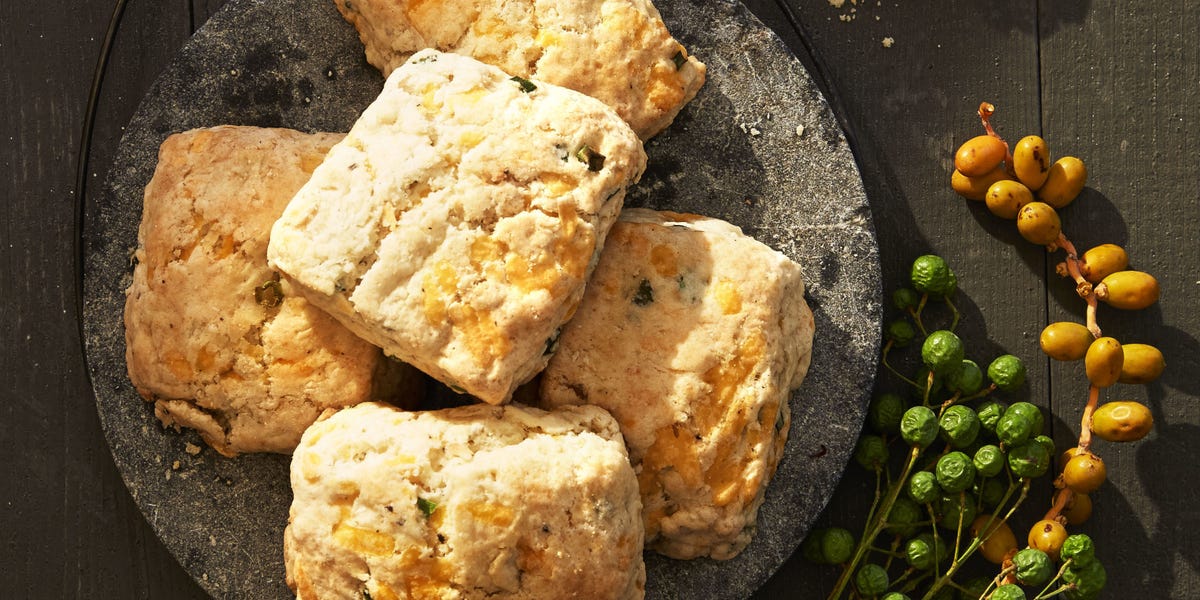
Some recipes politely knock on the door. Fluffy apple-cheddar biscuits kick it open wearing a cozy sweater and carrying a basket of warm, buttery joy. These tender homemade biscuits bring together two very American comfort-food heroes: sharp cheddar cheese and crisp apples. The result is sweet, savory, flaky, fluffy, and just fancy enough to make brunch guests ask, “Did you buy these?” You may smile mysteriously. That is allowed.
This apple-cheddar biscuits recipe is inspired by classic American biscuit-making techniques: cold butter, a hot oven, gentle mixing, and ingredients that know how to behave. Tart apples add brightness, sharp cheddar brings salty richness, and a touch of black pepper keeps the biscuits from wandering too far into dessert territory. They are perfect for breakfast, Thanksgiving bread baskets, soup night, brunch boards, or those emotionally complex afternoons when toast simply does not have the range.
Why Apple and Cheddar Work So Well Together
Apple and cheddar are an old-school pairing for a reason. The apple brings acidity, sweetness, and moisture. The cheddar brings fat, salt, and a deep savory note. When baked inside a biscuit, they become the culinary equivalent of a plaid blanket: rustic, warm, and surprisingly stylish.
The best apple-cheddar biscuits are not sugary pastries pretending to be breakfast. They are real biscuits with a balanced flavor. The apple should taste fresh, not mushy. The cheese should melt into pockets of savory goodness. The biscuit itself should be tall, tender, and light enough to split open without needing power tools.
The Secret to Fluffy Apple-Cheddar Biscuits
Fluffy biscuits are not difficult, but they are sensitive. They have the temperament of a house cat: treat them gently and they reward you; overwork them and they become dense, dramatic, and mildly judgmental.
Use Very Cold Butter
Cold butter is the engine behind flaky, fluffy biscuits. When small pieces of butter hit the heat of the oven, they release steam. That steam creates little pockets inside the dough, helping the biscuits rise. For this recipe, frozen grated butter works beautifully because it distributes evenly without needing much handling.
Choose a Tart Apple
Granny Smith is a reliable choice because it stays bright and firm after baking. Honeycrisp, Pink Lady, or Braeburn can also work if you want a slightly sweeter biscuit. Avoid apples that collapse quickly into applesauce unless you enjoy surprise fruit pudding inside your biscuit.
Use Sharp or Extra-Sharp Cheddar
Mild cheddar can disappear in baked goods. Sharp cheddar stands up to the apple and butter, giving the biscuit a bold, savory flavor. For the best texture, shred the cheese yourself. Pre-shredded cheese is convenient, but it often contains anti-caking agents that can make it melt less smoothly.
Ingredients for Fluffy Apple-Cheddar Biscuits
This version uses simple pantry ingredients and a straightforward method. It is designed for home bakers who want a reliable biscuit without turning the kitchen into a flour-based weather event.
- 3 cups all-purpose flour, plus extra for shaping
- 1 tablespoon baking powder
- 1 tablespoon granulated sugar
- 3/4 teaspoon fine salt
- 1/2 teaspoon freshly ground black pepper
- 10 tablespoons unsalted butter, frozen and grated
- 3/4 cup finely diced peeled tart apple
- 1 cup shredded sharp cheddar cheese
- 2 tablespoons thinly sliced green onion or chives
- 3/4 cup cold whole milk, plus more if needed
- 1 large egg
- 1 tablespoon melted butter, for brushing after baking
How to Make Fluffy Apple-Cheddar Biscuits
Step 1: Preheat the Oven
Heat the oven to 425°F. Line a baking sheet with parchment paper. A properly hot oven matters because biscuits need quick heat to rise tall. A lukewarm oven is where biscuit dreams go to become sad bread coins.
Step 2: Mix the Dry Ingredients
In a large bowl, whisk together the flour, baking powder, sugar, salt, and black pepper. Whisking is not just polite stirring; it evenly distributes the leavening so every biscuit has a fair chance at greatness.
Step 3: Add the Butter
Add the frozen grated butter to the flour mixture. Toss it lightly with your fingertips or a fork until the butter is coated. Do not mash it into oblivion. Visible bits of butter are good. They are future flakes.
Step 4: Fold in Apple, Cheddar, and Green Onion
Add the diced apple, shredded cheddar, and green onion. Toss gently until evenly distributed. Coating these mix-ins with flour helps prevent them from clumping and sinking.
Step 5: Add the Wet Ingredients
In a small bowl, whisk together the cold milk and egg. Pour the mixture into the dry ingredients. Stir with a fork just until a shaggy dough forms. If the dough seems extremely dry, add cold milk 1 tablespoon at a time. Stop as soon as the dough holds together. Overmixing develops gluten, and too much gluten makes tough biscuits. Nobody invited tough biscuits to brunch.
Step 6: Shape the Dough
Turn the dough onto a lightly floured surface. Gently pat it into a rectangle about 1 inch thick. Fold it in half, pat it down, and repeat once or twice. This folding creates layers without needing advanced pastry-school confidence.
Step 7: Cut the Biscuits
Use a floured biscuit cutter or a sharp knife to cut the dough. If using a round cutter, press straight down without twisting. Twisting seals the edges and can stop the biscuits from rising properly. If cutting squares, you reduce scraps and get a rustic bakery look with less fuss.
Step 8: Bake Until Golden
Place the biscuits close together on the prepared baking sheet for softer sides, or slightly apart for crispier edges. Bake for 15 to 18 minutes, or until the tops are golden and the centers are cooked through. Brush with melted butter as soon as they come out of the oven.
Pro Tips for Tall, Tender Biscuits
Keep Everything Cold
If your kitchen is warm, chill the bowl, flour, and shaped biscuits for 10 minutes before baking. Cold dough creates better lift and texture. This is especially helpful when making apple-cheddar biscuits because the apple adds moisture and the cheese adds fat.
Dice the Apple Small
Large chunks of apple can weigh down the dough and create wet pockets. Finely diced apple gives you fruit flavor in every bite while keeping the biscuit structure light.
Do Not Overload the Cheese
More cheese sounds like the correct answer to most of life’s questions, but biscuits need balance. Too much cheese can make them greasy and heavy. One cup gives strong cheddar flavor without stealing the biscuit’s ability to rise.
Check Your Baking Powder
Fresh baking powder is essential for fluffy biscuits. If yours has been living in the cabinet since the last presidential administration, it may be time to replace it.
Flavor Variations
Once you master the base recipe, you can customize these homemade apple-cheddar biscuits in several delicious ways.
- Maple Apple-Cheddar Biscuits: Add 1 tablespoon maple syrup to the milk mixture and reduce the sugar slightly.
- Bacon Apple-Cheddar Biscuits: Fold in 1/3 cup cooked, crumbled bacon for a smoky brunch version.
- Herbed Cheddar Biscuits: Add chopped rosemary, thyme, or sage for a holiday-ready flavor.
- Spicy Apple-Cheddar Biscuits: Add a pinch of cayenne or smoked paprika for a warm, savory kick.
- Whole-Grain Version: Replace 1 cup of all-purpose flour with white whole wheat flour for a nuttier taste.
What to Serve with Apple-Cheddar Biscuits
These biscuits are flexible. Serve them warm with salted butter, apple butter, honey, or a swipe of cream cheese. They also make an excellent side for roasted chicken, creamy tomato soup, butternut squash soup, chili, or a fall salad with toasted nuts.
For breakfast, split one open and add scrambled eggs. For brunch, pair them with sausage, fruit, and strong coffee. For dinner, use them instead of dinner rolls. For a snack, eat one standing over the counter while telling yourself you are “checking texture.” Professional bakers call this quality control. Probably.
How to Store and Reheat
Apple-cheddar biscuits taste best the day they are baked, especially while warm. If you have leftovers, let them cool completely, then store them in an airtight container in the refrigerator for up to 3 days. Because these biscuits contain cheese and fresh apple, refrigeration is the safer choice.
To reheat, place biscuits in a 300°F oven for 8 to 10 minutes, or until warmed through. Avoid microwaving if possible; it can make biscuits rubbery. The oven brings back the crisp edges and tender interior.
Common Mistakes to Avoid
Using Warm Butter
Warm butter melts into the flour before baking, which reduces steam and creates a heavier biscuit. Keep butter frozen or very cold until the moment you use it.
Adding Too Much Liquid
Biscuit dough should look shaggy, not smooth like cake batter. Too much milk makes the dough sticky and can lead to flat, cakey biscuits.
Overworking the Dough
Handle the dough as little as possible. A few folds are helpful; kneading like you are training for a bread marathon is not.
Baking at Too Low a Temperature
Biscuits need heat. A hot oven encourages quick rise and browning. Always preheat fully before the tray goes in.
Why This Recipe Deserves a Place in Your Kitchen
The best fluffy apple-cheddar biscuits feel special without being fussy. They use familiar ingredients, but the flavor combination makes them memorable. You get the comforting softness of a homemade biscuit, the savory pull of sharp cheddar, the freshness of apple, and a gentle peppery finish. It is the kind of recipe that works for holidays, lazy weekends, potlucks, and weeknight dinners when you want the bread basket to do a little more than sit there looking beige.
They are also beginner-friendly. You do not need yeast, long rising times, or complicated equipment. A bowl, a fork, a baking sheet, and a light touch are enough. The most important skill is restraint: do not overmix, do not overhandle, and do not panic when the dough looks shaggy. Shaggy dough often becomes beautiful biscuits. This is also true of some hairstyles, but that is another article.
Extra Kitchen Experience: Lessons from Making Apple-Cheddar Biscuits at Home
The first time you make apple-cheddar biscuits, you may be tempted to treat them like ordinary cheese biscuits with fruit tossed in. That works, but only halfway. Apples change the dough. They add moisture, weight, and sweetness, so the biscuit needs a little extra attention. The best results usually come from small apple pieces, strong cheddar, and a dough that is mixed only until it comes together.
One useful experience is learning how different apples behave. Granny Smith gives the cleanest tart flavor and holds its shape well. Honeycrisp adds more sweetness and a juicy bite, but it can make the dough feel wetter. Pink Lady offers a nice middle ground. If your apple is especially juicy, pat the diced pieces dry with a paper towel before adding them. This tiny step can prevent the biscuit from becoming soggy inside.
Another lesson is that cheese intensity matters. Extra-sharp cheddar gives these biscuits personality. Mild cheddar is not bad, but it can vanish once baked, leaving you wondering whether you imagined the cheese entirely. White cheddar looks elegant, orange cheddar looks classic, and a mix of both gives excellent flavor and color. Freshly grated cheese is worth the extra minute because it melts better and blends more naturally into the dough.
When shaping the dough, confidence helps, but gentleness helps more. The dough may look rough, uneven, and slightly crumbly at first. That is normal. Patting and folding brings it together. If you keep adding milk until it looks smooth, you may end up with biscuits that spread instead of rise. A slightly messy dough is a good sign. Biscuit dough is not supposed to look like polished marble; it is supposed to look like breakfast with potential.
Serving these biscuits fresh from the oven is the peak experience. The edges are lightly crisp, the inside is tender, and the cheddar aroma makes the kitchen smell like a very successful fall afternoon. They are excellent with butter, but apple butter takes them into “please hide the basket from me” territory. For a savory meal, they are fantastic beside creamy soups or roast turkey. For breakfast, they make a memorable sandwich with egg and bacon.
If you are baking for guests, make the dough, cut the biscuits, and chill them on the baking sheet for up to an hour before baking. This keeps the butter cold and lets you clean the kitchen before people arrive, which creates the illusion that you are effortlessly organized. Bake them just before serving. Warm biscuits make people forgiving, cheerful, and briefly silent, which is how you know the recipe worked.
Conclusion
Fluffy apple-cheddar biscuits are the perfect blend of cozy and clever. They bring together tart apple, sharp cheddar, cold butter, and classic biscuit technique in a recipe that tastes homemade in the best possible way. Keep the butter cold, handle the dough gently, use a hot oven, and choose bold ingredients. Do that, and you will get biscuits that are golden outside, tender inside, and flavorful enough to make plain dinner rolls feel a little underdressed.











