
Note: This article is for general health education only and is not a substitute for medical advice, diagnosis, or treatment. Always read the Drug Facts label and ask a healthcare professional if Aleve may not be safe for you.
So, is Aleve an NSAID?
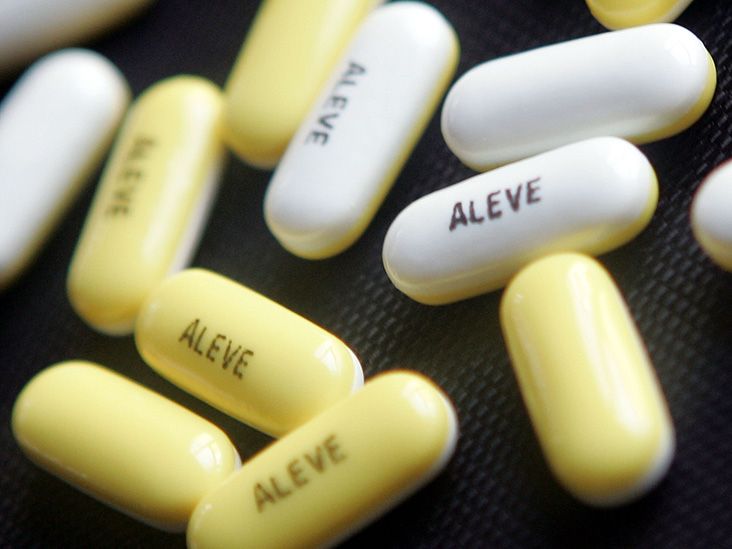
Yes. Aleve is an NSAID, which stands for nonsteroidal anti-inflammatory drug. Its active ingredient is naproxen sodium, a pain reliever and fever reducer used for common problems such as headaches, minor arthritis pain, backache, muscle aches, menstrual cramps, toothache, and aches linked with the common cold.
In plain English, Aleve belongs to the same general medication family as ibuprofen and aspirin. It is not a steroid, it is not an opioid, and it is not acetaminophen. Think of NSAIDs as the “calm down, inflammation” group of pain relievers. They help reduce pain, swelling, and fever by lowering the production of certain body chemicals involved in inflammation. Your sore shoulder may not send you a thank-you card, but it may stop shouting quite so loudly.
Aleve is popular because one dose can last longer than many shorter-acting over-the-counter pain relievers. However, “available without a prescription” does not mean “risk-free.” NSAIDs can be very helpful when used correctly, but they can also cause serious side effects, especially when taken too often, at higher doses, with alcohol, with certain medications, or by people with specific health conditions.
What does NSAID mean?
NSAID means nonsteroidal anti-inflammatory drug. The name sounds like it escaped from a medical textbook wearing a lab coat, but the meaning is simple:
- Nonsteroidal means it is not a corticosteroid such as prednisone.
- Anti-inflammatory means it helps reduce inflammation, which can contribute to pain, swelling, stiffness, and tenderness.
- Drug means it has real effects in the body, including possible benefits and risks.
NSAIDs work mainly by blocking enzymes called cyclooxygenase enzymes, often shortened to COX-1 and COX-2. These enzymes help the body make prostaglandins. Prostaglandins are chemical messengers that play a role in pain, fever, and inflammation. Blocking them can ease discomfort, but prostaglandins also help protect the stomach lining, support kidney blood flow, and influence blood clotting. That is why NSAIDs can upset the stomach, raise bleeding risk, affect the kidneys, and increase cardiovascular concerns in some people.
Aleve vs. naproxen: Are they the same thing?
Aleve is a brand name. Naproxen sodium is the active ingredient in Aleve. You may also see generic store-brand naproxen sodium products on pharmacy shelves. These may have the same active ingredient and strength as Aleve, but the inactive ingredients, tablet shape, coating, or packaging may differ.
There is also prescription naproxen, which may come in different strengths and formulations. Prescription naproxen is often used for conditions such as arthritis, tendonitis, bursitis, gout flares, and other inflammatory pain conditions. Over-the-counter Aleve is designed for short-term use unless a doctor tells you otherwise.
What is Aleve used for?
Aleve is used to temporarily relieve minor aches and pains and to reduce fever. Common uses include:
- Headache
- Backache
- Muscle aches
- Minor arthritis pain
- Menstrual cramps
- Toothache
- Minor pain from the common cold
- Fever reduction
Because Aleve is an NSAID, it can be especially useful when pain has an inflammatory component. For example, a mildly swollen knee after overdoing yard work may respond differently than a tension headache from staring at spreadsheets all afternoon. That does not mean Aleve is always the best option, but it helps explain why some people reach for naproxen when soreness feels tied to inflammation.
How is Aleve different from ibuprofen?
Aleve and ibuprofen are both NSAIDs, but they are not identical. The biggest practical difference is duration. Naproxen sodium usually lasts longer, while ibuprofen is typically shorter acting. That is why Aleve is often marketed for longer-lasting relief.
Common comparison points
- Aleve: Active ingredient is naproxen sodium; often taken less frequently because it lasts longer.
- Ibuprofen: Active ingredient in brands such as Advil and Motrin; often taken every 4 to 6 hours depending on the product directions.
- Both: Can reduce pain, fever, and inflammation.
- Both: Can increase the risk of stomach bleeding, kidney problems, high blood pressure, heart attack, or stroke in certain users.
One is not automatically “better” for everyone. The safer choice depends on your age, medical history, other medications, pregnancy status, kidney function, stomach ulcer history, heart health, and how often you need pain relief. Pain relief is not a one-size-fits-all hoodie.
Aleve vs. Tylenol: Is Aleve the same as acetaminophen?
No. Aleve is not the same as Tylenol. Aleve is naproxen sodium, an NSAID. Tylenol is acetaminophen, which is not classified as an NSAID.
Acetaminophen can reduce pain and fever, but it does not reduce inflammation in the same way NSAIDs do. It also has a different safety profile. Acetaminophen is generally easier on the stomach than NSAIDs, but taking too much can cause serious liver damage, especially when combined with alcohol or other acetaminophen-containing products.
This distinction matters. If someone says, “I can’t take NSAIDs,” Aleve is usually on the avoid list unless their clinician says otherwise. Tylenol may or may not be appropriate as an alternative, depending on the person’s liver health, alcohol use, dose, and other medications.
How should you take Aleve safely?
Always follow the Drug Facts label on the package unless your healthcare professional gives different instructions. For over-the-counter Aleve, people should avoid taking more than directed and should avoid using it for longer than recommended without medical advice.
General safety habits include:
- Use the lowest effective dose.
- Use it for the shortest time needed.
- Take it with a full glass of water.
- Consider taking it with food or milk if it bothers your stomach.
- Do not combine it with other NSAIDs unless a doctor tells you to.
- Read labels on cold, flu, sleep, and pain products to avoid accidental duplication.
Taking more Aleve does not mean pain relief becomes magically heroic. It mainly increases the chance that your stomach, kidneys, blood pressure, or heart will complain loudly.
Who should ask a doctor before taking Aleve?
Many healthy adults can use Aleve occasionally as directed. However, some people should check with a healthcare professional first. This includes people who:
- Are age 60 or older
- Have a history of stomach ulcers or stomach bleeding
- Take blood thinners, steroids, aspirin, or other NSAIDs
- Have heart disease, high blood pressure, heart failure, or a history of stroke
- Have kidney disease or reduced kidney function
- Have liver disease
- Drink three or more alcoholic drinks daily
- Have asthma or have had an allergic reaction to aspirin or another NSAID
- Are pregnant, trying to become pregnant, or breastfeeding
- Are scheduled for surgery or have a bleeding disorder
If you fit one of these categories, Aleve may still be possible in some situations, but it deserves a professional green light. This is especially important for people taking multiple medications, because NSAIDs can interact with common drugs used for blood pressure, blood thinning, mood disorders, inflammation, and heart protection.
Can Aleve cause stomach bleeding?
Yes. Like other NSAIDs, Aleve can increase the risk of stomach bleeding, ulcers, and irritation. The risk is higher in older adults, people with a previous ulcer or bleeding problem, people who take blood thinners or steroid medications, people who use other NSAIDs, and people who drink alcohol regularly.
Warning signs of stomach bleeding can include:
- Vomiting blood
- Black or bloody stools
- Severe stomach pain
- Feeling faint or unusually weak
- Heartburn that becomes severe or persistent
Do not ignore these symptoms. A stomach bleed is not the kind of drama anyone should “walk off.” Seek medical help right away if these warning signs appear.
Can Aleve affect the heart?
Yes. NSAIDs other than aspirin can increase the risk of heart attack, heart failure, and stroke. These events can happen without warning. The risk may be higher in people who already have heart disease or risk factors, but it can also occur in people without known heart disease, especially with higher doses or longer use.
People with high blood pressure should be particularly careful. NSAIDs may raise blood pressure or make some blood pressure medications work less effectively. People with heart failure may also be more sensitive to fluid retention from NSAIDs.
Get emergency help if you develop chest pain, shortness of breath, sudden weakness, trouble speaking, facial drooping, sudden severe headache, or vision or balance changes. Those symptoms need urgent attention, not a wait-and-see approach with a cup of tea and optimism.
Can Aleve affect the kidneys?
Yes. NSAIDs can reduce blood flow to the kidneys, which may lead to kidney problems in certain people. The risk is higher if you are dehydrated, older, taking diuretics or certain blood pressure medicines, living with kidney disease, or using NSAIDs frequently.
This is one reason doctors often recommend caution with NSAIDs during illness that causes vomiting, diarrhea, or poor fluid intake. When your body is already low on fluids, your kidneys are doing enough overtime. Adding an NSAID may not be ideal unless your clinician says it is safe.
Can you take Aleve while pregnant?
Pregnant people should ask a healthcare professional before using Aleve. It is especially important to avoid NSAIDs at 20 weeks of pregnancy or later unless specifically directed by a healthcare professional, because NSAIDs may cause rare but serious kidney problems in the unborn baby and may lead to low amniotic fluid. Later in pregnancy, NSAIDs may also cause complications during delivery or affect fetal circulation.
If you are pregnant or could be pregnant, do not guess. Pain relief during pregnancy should be handled with individualized medical guidance.
Can you take Aleve with aspirin?
Do not combine Aleve with aspirin for heart protection without asking a healthcare professional. Some NSAIDs may interfere with aspirin’s heart-protective effects, and combining aspirin with NSAIDs may increase the risk of stomach bleeding.
This is a common situation because many people take low-dose aspirin daily for cardiovascular reasons. If that is you, your doctor or pharmacist can help you choose the safest pain relief strategy and the best timing, if an NSAID is appropriate at all.
Can you take Aleve with alcohol?
Alcohol can raise the risk of stomach bleeding when combined with NSAIDs such as Aleve. The risk is especially concerning for people who drink three or more alcoholic beverages daily, have a history of ulcers, or take blood thinners, steroids, or aspirin.
An occasional small amount of alcohol may not be a problem for every person, but regular drinking plus NSAID use is a combination worth discussing with a healthcare professional. Your stomach lining did not sign up to be the designated driver.
What medications can interact with Aleve?
Aleve may interact with several medication categories. Ask a doctor or pharmacist before using Aleve if you take:
- Blood thinners such as warfarin or certain newer anticoagulants
- Aspirin, especially daily low-dose aspirin
- Other NSAIDs, including ibuprofen, diclofenac, or prescription naproxen
- Steroids such as prednisone
- Blood pressure medications, including ACE inhibitors, ARBs, or diuretics
- Lithium
- Methotrexate
- Some antidepressants that may increase bleeding risk
This is not a complete list. The safest move is to show your pharmacist or healthcare professional everything you take, including supplements and over-the-counter products. “Natural” products can still interact with medications. Nature makes poison ivy, too.
Can children take Aleve?
Parents and caregivers should follow the product label carefully and ask a pediatrician or pharmacist before giving naproxen sodium to a child, especially younger children. Children are not just tiny adults with smaller sneakers. Dosing and safety depend on age, weight, symptoms, health history, and the exact product.
For fever or pain in children, healthcare professionals often discuss acetaminophen or ibuprofen depending on age and circumstances. Naproxen may be appropriate in some cases, but it should be used correctly and only when the product is suitable for the child’s age.
When should you stop taking Aleve and get help?
Stop using Aleve and seek medical help right away if you have signs of an allergic reaction, stomach bleeding, heart symptoms, or severe skin reaction.
Urgent warning signs include:
- Hives, rash, blisters, or skin peeling
- Swelling of the face, lips, tongue, or throat
- Wheezing or trouble breathing
- Chest pain or shortness of breath
- Weakness on one side of the body
- Slurred speech
- Vomiting blood
- Black or bloody stools
- Sudden unexplained weight gain or swelling
- Severe stomach pain
Also contact a healthcare professional if pain gets worse, lasts longer than expected, fever continues, redness or swelling appears, or new symptoms develop. Pain relievers can help symptoms, but they do not fix every underlying cause.
Common myths about Aleve and NSAIDs
Myth 1: “Aleve is over the counter, so it is automatically safe.”
Over-the-counter medicines can still have serious risks. Aleve can be safe for many people when used as directed, but it can be risky for others.
Myth 2: “If one pill helps, two or three must be better.”
Taking more than directed can increase the risk of bleeding, kidney problems, and cardiovascular complications. More medicine is not the same as smarter medicine.
Myth 3: “All pain relievers are basically the same.”
Aleve, ibuprofen, aspirin, and acetaminophen work differently and carry different risks. Choosing the right one depends on the person and the situation.
Myth 4: “NSAIDs only affect the stomach.”
Stomach problems are common, but NSAIDs can also affect the heart, kidneys, blood pressure, fluid balance, and allergic response.
Practical examples: When Aleve might or might not make sense
Example 1: Weekend warrior backache. A healthy adult strains their back after moving furniture. Aleve may be reasonable for short-term relief if they have no risk factors and follow the label. Stretching, heat, gentle movement, and rest may also help.
Example 2: Daily knee pain in an older adult. A 68-year-old with high blood pressure and a history of ulcers should not casually take Aleve every day. This person should ask a clinician about safer options, topical treatments, physical therapy, stomach protection, or other pain management strategies.
Example 3: Menstrual cramps. NSAIDs can help menstrual cramps for many people because prostaglandins are involved in cramping. Aleve may be an option if used as directed and if the person has no contraindications.
Example 4: Tooth pain. Aleve may temporarily reduce dental pain, but tooth pain often needs a dentist. Pain relief should not become a tiny white tablet-shaped excuse to avoid the dental chair forever.
Real-life experience section: What people often learn about Aleve the practical way
Many people first meet Aleve in a very ordinary moment: a stiff neck after sleeping like a pretzel, a sore lower back after helping a friend move, or knees that suddenly have strong opinions about stairs. The appeal is obvious. Aleve is easy to find, easy to take, and often long lasting. For someone who wants to get through a workday, a family event, or a long drive without constantly thinking about pain, that can feel like a small miracle in a blue bottle.
One common experience is the “I did not realize it was an NSAID” moment. People may know Aleve as a brand but not connect it with naproxen sodium or the NSAID category. That matters because someone might take Aleve in the morning, ibuprofen later, and a cold medicine at night without realizing they are stacking similar medications. The result may be too much NSAID exposure, even though every product came from a normal pharmacy aisle. Reading labels is not glamorous, but neither is explaining to your stomach why it is suddenly starring in a medical drama.
Another real-world lesson involves timing and expectations. Aleve may last longer than some other pain relievers, but it is not meant to erase every kind of pain instantly. Inflammation-related aches may respond well, while nerve pain, severe injury pain, or pain from an infection may need a different evaluation. Someone with a swollen ankle after a minor twist may feel better with rest, elevation, ice, and short-term NSAID use. Someone with worsening swelling, inability to bear weight, fever, or severe pain should not rely on Aleve as the whole plan.
People with chronic pain often learn the most complicated lesson: what works today may not be safe every day. A person with arthritis may notice that Aleve helps morning stiffness, but daily use for weeks or months should be discussed with a healthcare professional. Long-term NSAID use may require monitoring, especially for blood pressure, kidney function, stomach risk, and interactions with other medications. This is where a clinician can help balance comfort and safety instead of leaving the person to play medication chess alone.
There is also the food lesson. Some people find Aleve easier to tolerate when taken with food or milk. Others still experience heartburn, stomach discomfort, nausea, or bloating. If stomach symptoms continue, the answer is not to keep taking it while making heroic facial expressions. It is to stop and ask a healthcare professional what to do next.
Finally, many users learn that pain relief is best when it is part of a bigger plan. For sore muscles, that might mean hydration, stretching, better sleep, heat, ice, massage, or adjusting exercise habits. For recurring headaches, it might mean tracking triggers. For joint pain, it might mean strengthening, weight management, supportive shoes, topical options, or physical therapy. Aleve can be useful, but it should not be asked to do the entire job while the rest of the body sits in the break room.
Conclusion: Is Aleve an NSAID?
Yes, Aleve is an NSAID. Its active ingredient, naproxen sodium, helps relieve pain, reduce inflammation, and lower fever. It can be useful for headaches, muscle aches, menstrual cramps, minor arthritis pain, backache, toothache, and other temporary aches.
But Aleve is still a medication with real risks. It can cause stomach bleeding, allergic reactions, kidney problems, increased blood pressure, heart attack, heart failure, or stroke in some people. The safest approach is to use the lowest effective dose for the shortest necessary time, avoid mixing it with other NSAIDs, read labels carefully, and ask a healthcare professional if you have medical conditions, take other medications, are pregnant, or need pain relief for more than a short period.
Aleve can be a helpful tool. Just do not treat it like candy with a pharmacy degree.











