
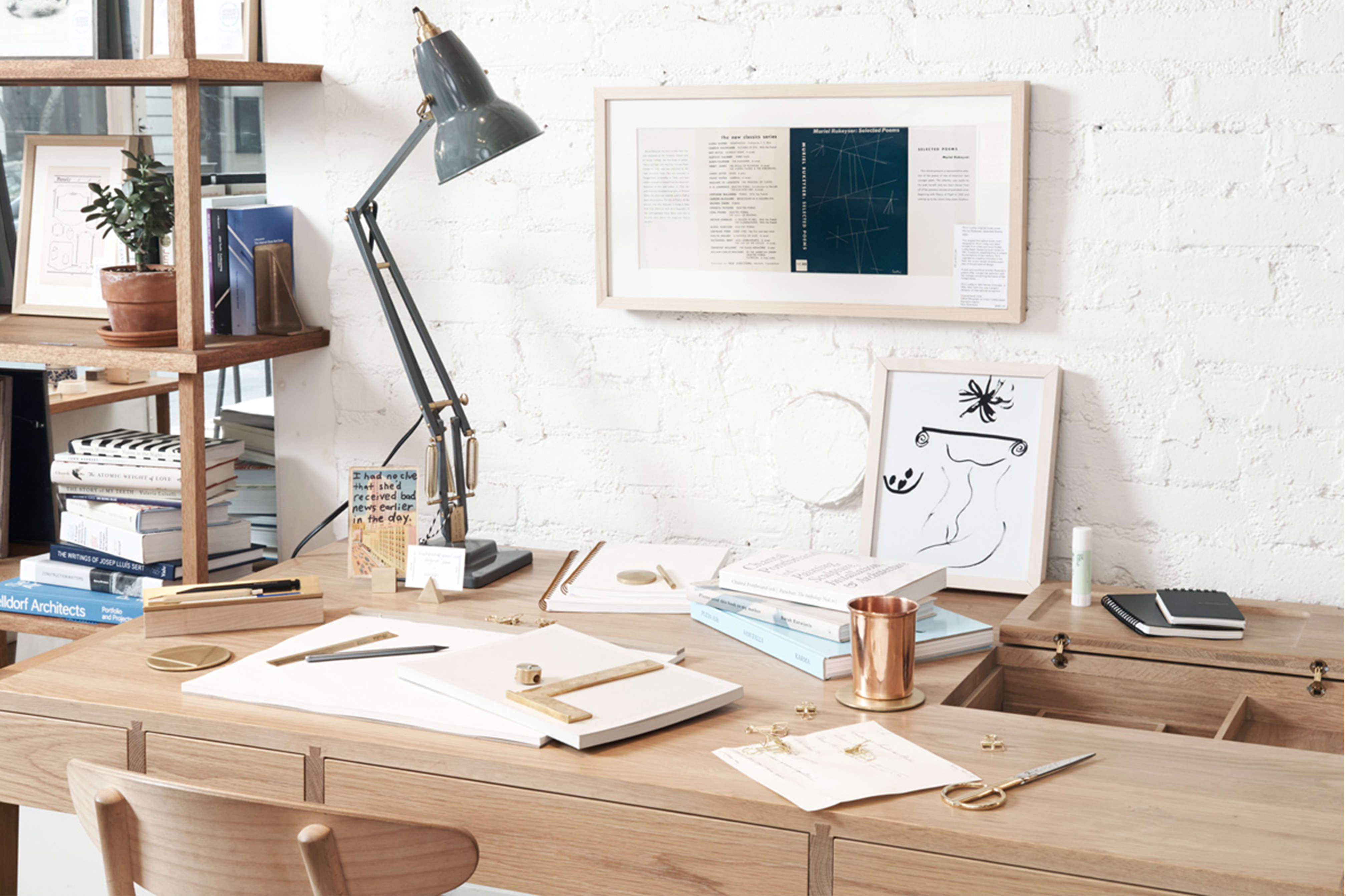
Shopping for an architect can feel like presenting a chair design to a jury of very serious Scandinavians. The proportions must be right. The materials should make sense. The packaging cannot look as though it lost an argument with a roll of tape. Above all, the gift should have a purpose.
That was especially true in 2017, when architectural practice was balancing two worlds. Digital modeling, tablets, and rendering software were becoming increasingly important, yet sketchbooks, mechanical pencils, tracing paper, physical models, and printed monographs still occupied prime real estate in studios. The best gifts for architects reflected that productive tension: analog tools with timeless character, technology that supported creative work, and beautifully designed objects that earned their place on a crowded desk.
This nostalgic Gift Guide 2017 for the architect revisits the kinds of practical, inspiring, and slightly obsessive presents that design professionals genuinely appreciated. Whether the recipient was an architecture student, a newly licensed professional, a seasoned principal, or simply someone who could identify a poorly aligned window from across the street, these architect gift ideas offered more substance than another novelty mug labeled “Trust Me, I’m an Architect.”
What Made a Great Architect Gift in 2017?
A successful architecture gift generally satisfied three conditions: it worked well, looked considered, and lasted longer than the holiday cookies. Architects spend their careers coordinating function, form, cost, context, and countless opinions, so they tend to appreciate objects that solve a problem without producing three new ones.
In 2017, design publications frequently highlighted gifts with strong craftsmanship, useful materials, clever engineering, or a recognizable design pedigree. Precision drawing instruments, handsome notebooks, architectural models, desk accessories, lighting, books, and travel-related experiences all fit naturally into that world.
Choose usefulness over architectural gimmicks
A miniature concrete pencil holder can be charming. A miniature concrete pencil holder that weighs six pounds, scratches the desk, and holds exactly one pencil is less charming. When comparing gifts for architects, begin with the recipient’s daily habits. Do they sketch constantly? Build models? Travel to project sites? Collect monographs? Work late enough to have opinions about every desk lamp ever manufactured?
Respect personal preferences
Architects can be highly particular about pens, paper, scales, software, bags, and even shades of gray. When uncertain, select a high-quality version of a flexible tool rather than specialized equipment that may not match the recipient’s workflow.
1. A Precision Mechanical Pencil
A well-made mechanical pencil was one of the safest and most useful architect gifts of 2017. Models such as the rOtring 600 and Rapid Pro appealed to designers because their metal bodies, knurled grips, balanced weight, and fixed lead sleeves supported accurate drawing along a ruler or scale.
A 0.5-millimeter pencil works well for fine notes, dimensions, and details, while a 0.7-millimeter version creates a slightly stronger line. Pair the pencil with several grades of lead, a compact lead case, and a precision click eraser. It is a small gift, but one that may be used through hundreds of meetings, sketches, and suspiciously optimistic construction schedules.
For an architecture student, this is also an affordable introduction to professional-quality equipment. Unlike an expensive gadget that becomes outdated, a good drafting pencil can remain useful for decadesassuming nobody “borrows” it permanently.
2. A Serious Sketchbook or Trace Notebook
Architectural ideas rarely arrive fully dressed and carrying approved permits. They begin as arrows, boxes, circles, notes, diagrams, and lines that only their creator can interpret. A premium sketchbook gives those early thoughts a dependable home.
Look for durable binding, paper that accepts graphite and ink without excessive bleeding, and a format compact enough for site visits. Dot-grid or faintly ruled pages can help organize plans and diagrams without dominating them. Translucent vellum or trace-style notebooks are especially useful because they allow architects to layer revisions over an earlier drawing.
Moleskine, Leuchtturm1917, and specialist architecture stationery brands all offered suitable options during this period. A canvas pencil case can complete the set, keeping pencils, fineliners, erasers, small scales, and clips together instead of allowing them to establish separate colonies at the bottom of a messenger bag.
3. Architectural Markers and Drawing Pencils
A set of grayscale markers was a particularly thoughtful gift for architects who created presentation sketches. Warm grays can suggest wood, stone, and inviting interior light, while cool grays help describe glass, steel, concrete, and shadow. Dual-tip markers offer both broad coverage and controlled detailing.
Copic and Tombow marker sets were popular choices, but the brand mattered less than consistent ink flow, useful tonal steps, and refillable or replaceable components. Colored drawing pencils in muted earth tones also worked well for landscape concepts, material studies, and quick diagrams.
Avoid buying an enormous rainbow set unless the recipient regularly illustrates in full color. Most architectural sketches do not require 14 varieties of tropical pink. A focused collection of neutrals, greens, browns, and blues is usually more practical and easier to carry.
4. An Architecture Book Worth Keeping
Books remain among the most reliable architecture gifts because they provide both visual pleasure and professional inspiration. In 2017, publishers such as TASCHEN, Phaidon, and major university presses offered everything from compact introductions to monumental monographs capable of reinforcing a coffee table structurally.
Choose a subject that connects to the recipient’s interests. A modernist might enjoy a volume on the Bauhaus, Case Study Houses, Eames, Louis Kahn, or Frank Lloyd Wright. Someone interested in contemporary practice could appreciate books about Bjarke Ingels Group, adaptive architecture, urban housing, sustainable materials, or experimental public spaces.
For readers who enjoy cities as much as individual buildings, Jane Jacobs’ The Death and Life of Great American Cities remains a valuable choice. A National Parks atlas or architectural travel guide can inspire field trips beyond the studio. The ideal book does more than decorate a shelf; it gets opened, marked, debated, and occasionally used to flatten a curling sheet of trace paper.
5. A LEGO Architecture Skyline Set
LEGO Architecture sets occupied a happy middle ground between model making, collecting, and stress relief. The 2017 Skyline Collection included recognizable city compositions that could be assembled over an evening and displayed without requiring a zoning variance.
The London set, for example, combined the National Gallery, Nelson’s Column, the London Eye, Big Ben, and Tower Bridge in a compact model. Other skyline sets represented cities such as Sydney and Chicago. These kits included information about the architecture and history of the featured structures, making them more engaging than an ordinary desk toy.
A skyline set is especially suitable for architecture students, travelers, and professionals who have a personal connection to a particular city. It also provides the deeply satisfying experience of completing a construction project without receiving a single contractor change order.
6. A Compact Model-Making Kit
Physical models remained important in architecture schools and many professional studios in 2017. A carefully assembled model-making kit could include a self-healing cutting mat, precision knife, replacement blades, metal ruler, small square, tweezers, cutting compass, and quality adhesive.
This gift requires a little knowledge of the recipient. Students may welcome a broad starter kit, while experienced model makers probably already own favorite tools and would appreciate premium replacements. A sturdy storage case or portable organizer is often more useful than adding another mystery knife to an overfilled drawer.
Safety matters, too. Include blade storage and a proper disposal container. Creativity is wonderful; an emergency-room visit caused by a loose No. 11 blade is not an inspiring studio narrative.
7. A Beautiful Desk Object
Architects notice desk accessories because they interact with them every day. A sculptural stapler, well-proportioned tray, metal paper clips, minimalist tape dispenser, or weighted pen stand can bring order to a workspace without introducing visual noise.
The Ellepi Klizia stapler became a favorite among design-minded professionals because it transformed an ordinary office tool into a compact object worth displaying. Large-format graphic calendars such as the Stendig calendar offered similar appeal. Designed by Massimo Vignelli, the Stendig’s bold black-and-white pages created a strong wall composition, and the expired sheets could be reused as wrapping paper.
When selecting a desk object, choose honest materials and simple geometry. Powder-coated steel, solid wood, leather, glass, and cast metal tend to age more gracefully than novelty plastic shaped like a famous building.
8. A Well-Designed Desk Lamp
Architecture often involves late nights, tiny annotations, and the discovery that a client email marked “one quick question” contains a complete redesign. A dependable task lamp can make those hours more comfortable.
The best desk lamps provide adjustable positioning, focused illumination, and minimal glare. A compact architectural lamp with articulated arms or a rotating shade allows the user to direct light across sketches, models, and material samples. Neutral styling helps it blend into different workspaces.
Before buying, consider the size of the recipient’s desk and the available mounting options. A magnificent lamp that consumes half the work surface may become an elegant obstacle. The goal is to illuminate the drawing, not stage an interrogation.
9. A Design Experience Instead of Another Object
Not every great gift needs to occupy shelf space. A museum membership, architectural walking tour, exhibition ticket, lecture series, or guided visit to a significant building can create lasting inspiration.
Consider memberships to institutions with strong architecture and design collections, such as modern art museums, local preservation organizations, or regional architecture centers. A weekend trip built around a notable house, campus, neighborhood, or public project can be even more memorable.
For an architect who already owns every pencil known to civilization, an experience may be the most personal choice. It provides new references, photographs, conversations, and observations that can quietly influence future work.
10. Something Useful Beyond the Studio
Architects are not actually produced by drafting tables and stored overnight in black turtlenecks. They cook, travel, entertain, hike, listen to music, and occasionally step away from their screens. A well-designed lifestyle gift can therefore be just as appropriate as a professional tool.
Period gift guides recommended objects such as cast-iron cookware, compact projectors, bartender toolkits, travel atlases, handmade ceramics, incense, bottle openers, and carefully designed bags. These items succeeded because they combined practical value with material quality and visual character.
A leather or canvas crossbody bag is helpful for carrying a notebook and measuring tools on site. A compact projector can support presentations as well as backyard movie nights. Cast-iron cookware appeals to the same appreciation for durability, process, and objects that improve with age.
Architect Gift Ideas by Budget
Under $25
Choose a precision eraser, metal ruler, quality fineliner set, pocket sketchbook, Blackwing pencils, specialty clips, architecture magazine subscription, or small desk organizer. Thoughtful presentation can make an inexpensive tool feel substantial.
From $25 to $75
This range includes premium mechanical pencils, architecture books, grayscale marker sets, LEGO Architecture models, canvas pencil cases, large graphic calendars, small concrete accessories, and museum memberships.
From $75 to $200
Consider a professional drawing set, high-quality leather folio, adjustable task lamp, advanced model-making kit, limited-edition print, premium barware, or an architecture-focused day trip.
Above $200
Possible splurges include a compact projector, designer lighting, a tablet accessory package, collectible design object, substantial travel experience, or contribution toward professional software and continuing education. Confirm preferences before spending heavily; architects admire a bold concept, but they also enjoy an approved budget.
Experience Notes: What Happens After the Architect Opens the Gift?
The pencil becomes part of the daily uniform
A precision pencil may not produce the loudest reaction at a holiday party. There are no blinking lights, no dramatic setup, and very little chance of it singing. Yet it often becomes one of the most frequently used gifts. Within a few weeks, it may appear in client meetings, site visits, sketching sessions, and phone calls during which the architect unconsciously redraws the same stair detail six times.
The emotional value grows through familiarity. Small scratches appear on the metal barrel. The grip develops a slightly polished surface. The owner learns exactly how much pressure advances the right amount of lead. A modest tool becomes personal because it participates in the work.
The book starts conversations
An architecture monograph can produce a different experience. It is often opened immediately, with the recipient pausing at photographs, plans, and construction details. One project leads to a conversation about materials; another triggers a debate about whether a celebrated building is brilliant, impractical, or brilliantly impractical.
In a studio, books rarely remain private. Colleagues borrow them, students photograph pages, and visitors notice them on shelves. A well-selected title can become a shared reference rather than a decorative possession. Adding a short handwritten note about why the book reminded you of the recipient makes the gift feel specific without writing an essay on critical regionalism inside the cover.
The model offers permission to play
LEGO Architecture sets and construction kits give adults an acceptable reason to spend an evening assembling tiny buildings. The process is relaxing because the major decisions have already been made. There is no client presentation, no code review, and no argument about where to place the mechanical room.
The completed model often ends up on a shelf or desk, where it acts as both a souvenir and a conversation starter. For someone who studied or worked in the represented city, the set may also carry personal memories. A simple model of London, Chicago, or Sydney can recall a semester abroad, a favorite building, or the exhausting trip during which every companion was asked to stop so the architect could photograph another facade.
The experience gift creates fresh references
A museum visit or architecture tour tends to produce value gradually. The recipient may photograph a stair connection, notice an unusual brick pattern, study how daylight moves through a gallery, or discover a neighborhood they had previously ignored. These observations can return months later during an unrelated project.
Shared experiences are especially memorable. Walking through a significant building with an architect often reveals details that other visitors might miss: changes in ceiling height, carefully framed views, hidden service routes, acoustic transitions, and the way materials meet at a corner. Be prepared, however, for the scheduled 90-minute visit to last four hours.
The best gift proves that you understand the profession
The most successful present does not need to be expensive or famous. It simply needs to acknowledge how architects think and work. A durable notebook says that their ideas are worth recording. A precise tool respects their attention to detail. A book recognizes their curiosity. A travel experience supports their habit of learning from places.
That sense of recognition matters. Architects regularly work through long design processes in which the most important decisions may be invisible to everyone else. Giving them a thoughtfully chosen object or experience communicates that you notice the care behind the worknot only the finished building.
Final Thoughts on the Gift Guide 2017 for the Architect
The best gifts for architects in 2017 were not defined by novelty. They were defined by usefulness, craftsmanship, visual clarity, and the ability to support creative work. Precision pencils, trace notebooks, markers, architecture books, building sets, task lamps, desk accessories, and design experiences all respected the recipient’s professional interests without turning architecture into a punch line.
Begin with the person rather than the product. Consider how they work, what they collect, where they travel, and which tools they already love. Then select something that feels durable and intentional. Good architecture responds to context, and good gift giving should do the same.











