
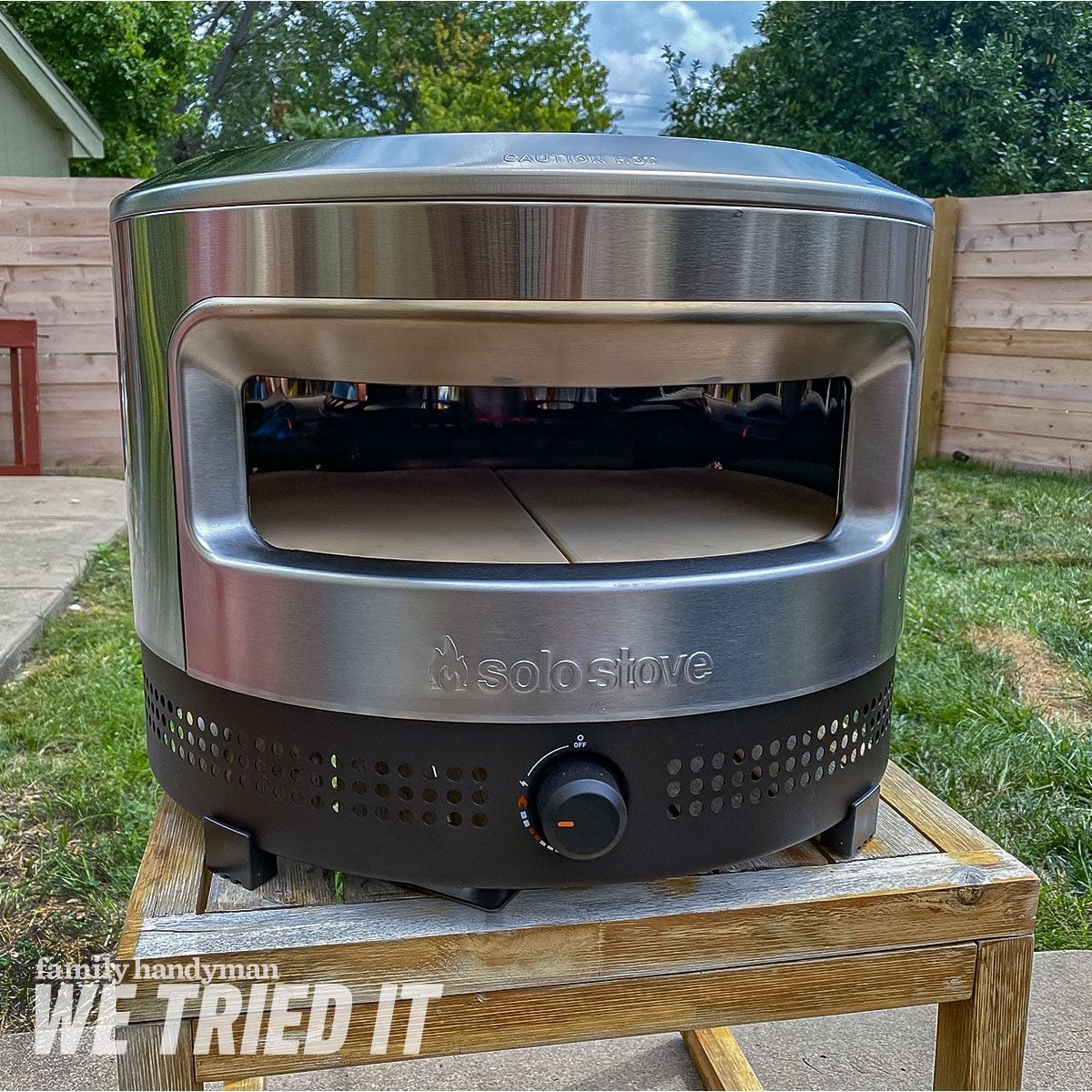
The Solo Stove Pi Prime promises blistered crusts, bubbling cheese, and backyard pizza in roughly the time it takes someone to ask, “Is it ready yet?” This propane-powered outdoor pizza oven combines straightforward controls, a compact stainless steel body, and temperatures approaching 900°F. More importantly, it removes the fire-management homework required by wood-burning ovens.
For this Solo Stove Pi Prime review, we examined its design, cooking performance, portability, learning curve, maintenance needs, and value based on manufacturer specifications and multiple hands-on tests. The short version: it is an excellent entry point for beginners, although “portable” does not mean you will want to carry it on a hiking trail.
Solo Stove Pi Prime Review: The Quick Verdict
The Pi Prime is a propane-only outdoor pizza oven built primarily for 10- to 12-inch pizzas. Its biggest strengths are simplicity, relatively consistent heat, and a broad front opening that makes launching and turning pizzas less intimidating. Connect a propane tank, install the two-piece cordierite stone, turn the control knob, and the flame is ready. No logs, pellets, kindling, or dramatic negotiations with the wind are required.
Solo Stove advertised a 2024 retail price around $349.99, placing the oven among the more approachable premium models. It can produce a properly charred thin-crust pizza in approximately 60 to 120 seconds once the stone is thoroughly heated. However, buyers should budget for a pizza peel, turning peel, and infrared thermometer if they do not already own them.
Our bottom line
The Solo Stove Pi Prime is best for beginners, couples, small families, and backyard cooks who value propane convenience over wood-fired flavor. It is less suitable for people who want 14- or 16-inch pizzas, an integrated thermometer, or multiple fuel choices.
Solo Stove Pi Prime Specifications
| Fuel | Propane only |
|---|---|
| Maximum advertised temperature | Approximately 900°F |
| Dimensions | Approximately 20.5 inches in diameter and 15.5 inches high |
| Weight | Approximately 30 pounds |
| Oven opening | Approximately 13 inches wide by 3.5 inches high |
| Recommended pizza size | Up to 12 inches |
| Cooking surface | Two removable cordierite stone sections |
| Typical pizza cooking time | About 60 to 120 seconds for thin-crust pizza |
| Built-in thermometer | No |
Design and Build Quality
The Pi Prime looks like Solo Stove’s famous fire pits went to culinary school. Its round stainless steel exterior is modern, tidy, and easier to fit on many outdoor tables than a long, torpedo-shaped oven. The demi-dome interior directs the rear flame across the ceiling, exposing both the toppings and crust to intense heat.
A panoramic 13-inch opening provides a clear view of the pizza and enough room for a 12-inch peel. That visibility matters because a pizza can move from “beautifully leopard-spotted” to “small edible meteor” in seconds.
The cordierite cooking surface arrives in two sections. The split design makes the stones easier to remove and reduces the oven’s carrying weight, but each piece must be positioned correctly around the burner and heat deflector. The body feels durable, although the stones remain breakable and should be handled like cookware, not Frisbees.
Setup and Temperature Control
Initial assembly is refreshingly short. Set the oven on a stable, heat-resistant outdoor surface, insert the stones according to the manual, attach the regulator to a compatible propane tank, and inspect the connection for leaks. The Pi Prime must be used outdoors with suitable ventilation and clearance from combustible objects.
A front-mounted knob controls both ignition and flame intensity. The marked pizza zone offers a useful starting point, but it does not display an actual temperature. An infrared thermometer is therefore closer to essential equipment than an optional gadget.
Solo Stove promotes a preheat time of about 15 minutes. That may be sufficient for some cooks and weather conditions, but independent testing found that the stone can require 20 to 40 minutesor longer in cold or windy weatherto exceed 800°F consistently. The flame may be ready before the stone is. A pale, floppy pizza bottom is often evidence of impatience, not oven failure.
Pizza-Cooking Performance
High-heat thin-crust pizza
At high heat, the Pi Prime excels with lightly topped Neapolitan-inspired pizzas. A properly preheated stone gives the dough rapid oven spring, a crisp underside, and the dark spots enthusiasts call leoparding. The rear of the oven runs hotter because that is where the flame lives, so the pizza must be rotated every 20 to 30 seconds.
The wide opening makes those turns relatively manageable. Even so, a first pizza may emerge slightly lopsided or with one aggressively enthusiastic edge. Most users develop a rhythm after one or two attempts.
New York-style and heavily topped pizzas
Thicker dough and generous toppings need more time for the center to cook. Reducing the flame after the stone reaches temperature helps prevent the base and cheese from burning before the interior finishes. Temperatures around 600°F to 700°F can be more forgiving for thicker crusts, vegetables, sausage, or anyone who considers “light cheese” a personal insult.
For consistent results, use room-temperature dough, stretch it to roughly 10 or 11 inches, and apply toppings sparingly. Smaller pizzas are easier to launch, turn, and recover if something sticks.
Cooking more than pizza
The adjustable propane burner also makes the Pi Prime useful for flatbreads, pita, roasted vegetables, and high-heat cast-iron cooking. Reviewers have successfully used suitable pans for steak, fish, and other foods. Only cookware rated for extreme temperatures should enter the oven, and handles can become dangerously hot.
Is the Pi Prime Really Portable?
At approximately 30 pounds, the Pi Prime is portable compared with a permanent masonry oven or full-size grill. One adult can move it between a patio, garage, vehicle, and campsite, especially after removing the stones. Its round body also packs reasonably well in a car trunk.
Still, the oven requires a propane tank, stable table, ingredients, peels, thermometer, and preparation area. It is portable in the “bring it to a tailgate” sense, not the “carry it three miles beside a sleeping bag” sense.
Solo Stove Pi Prime Pros and Cons
What we like
- Simple propane ignition and front-mounted heat control
- Capable of approximately 900°F temperatures
- Fast 60- to 120-second cooking after a complete preheat
- Wide opening simplifies monitoring and turning
- Compact footprint and manageable 30-pound weight
- More affordable than many premium outdoor pizza ovens in 2024
- No wood, ash, smoke management, or fire tending
What could be better
- No built-in thermometer
- Limited to pizzas of approximately 12 inches
- Rear heat requires frequent rotation
- Real stone-preheating time may exceed the advertised 15 minutes
- Propane cannot reproduce genuine wood-fire character
- Peels and an infrared thermometer may add to the total cost
- The opening can feel tight while turning a full-size pie
Pi Prime vs. Other Portable Pizza Ovens
The Ooni Koda 12 is the Pi Prime’s most obvious competitor. Both use propane, target 12-inch pizzas, and reach very high temperatures. The Ooni is lighter and has foldable legs, while the Pi Prime offers a round body, broad curved opening, and conveniently placed front control. Choosing between them may come down to portability, tabletop shape, and which design makes pizza rotation feel more natural.
The Gozney Roccbox is heavier and generally more expensive, but its substantial insulation, built-in thermometer, and reputation for temperature stability appeal to serious enthusiasts. Solo Stove’s original Pi offers greater fuel flexibility in compatible configurations, whereas the Pi Prime intentionally trades that versatility for a lower price and simpler operation.
If convenience is the priority, the Pi Prime competes very well. If wood fire, integrated temperature information, larger pizzas, or commercial-level capacity matters most, another oven will be a better match.
Tips for Better Results
- Measure the stone, not just the air. Use an infrared thermometer and check several points because the rear will usually be hotter.
- Give the stone enough time. A visible flame does not mean the cooking surface has stored sufficient heat.
- Start with a smaller pizza. A 10-inch pie provides more room for launching and turning than a 12-inch one.
- Keep toppings restrained. Excess sauce and wet cheese can produce a soggy center and make launching more difficult.
- Confirm the pizza slides before launching. Give the peel a gentle shake after topping the dough. If it does not move, fix it before approaching the oven.
- Turn frequently. Watch the crust closest to the burner and rotate before it becomes dramatically darker than the rest.
- Let everything cool completely. Brush away burned debris, avoid soaking the stones, and do not use soap or harsh chemicals on the porous cooking surface.
Who Should Buy the Solo Stove Pi Prime?
Buy the Pi Prime if you want a user-friendly outdoor pizza oven that can travel occasionally and deliver high-heat results without managing a wood fire. It works particularly well for beginners, small households, patio cooks, campers with vehicle access, and hosts who enjoy making individual pizzas for guests.
Skip it if you primarily serve large groups, want pizzas wider than 12 inches, need an indoor appliance, or consider wood smoke central to the experience. It is also worth reconsidering if buying several accessories would push the final price close to a larger or more fully equipped competitor.
Final Verdict: Is the Solo Stove Pi Prime Worth It?
At its 2024 price, the Solo Stove Pi Prime offered an appealing balance of performance, portability, and beginner-friendly operation. It gets hot enough for genuinely impressive crust, responds predictably to flame adjustments, and asks very little from the cook beyond preparation and attention.
The absence of a thermometer and the 12-inch limit are meaningful compromises, but neither undermines the oven’s core purpose. For buyers who want fast outdoor pizza without turning dinner into a lumber-management seminar, the Pi Prime is easy to recommend.
Extended Experience Notes: Living With the Pi Prime
The first pizza teaches the important lessons
A realistic first session begins with confidence. The propane connection is straightforward, the igniter works, and the flame looks powerful. Fifteen minutes later, the first pizza goes in. The top browns quickly, yet the base may remain softer than expected. That is the moment the infrared thermometer earns its place in the equipment bag: the flame was hot, but the stone needed additional time.
After a longer preheat, the second pizza behaves differently. The dough rises almost immediately, the underside develops crisp spots, and the cheese begins bubbling before there is time to admire your handiwork. Rotating every 20 seconds keeps the rear edge from burning. By the third pizza, the process feels less like operating industrial equipment and more like cooking.
Hosting a backyard pizza night
The Pi Prime is especially entertaining when guests build personal pizzas. One pie cooks while the next person prepares dough, creating a useful assembly line. Because pizzas are limited to about 12 inches, everyone can choose toppings without starting a family debate over pineapple.
The oven recovers heat reasonably well between pies, but rapid launches can cool the stone. Giving it a few minutes to recharge after several pizzas helps preserve crisp bottoms. Preparing dough balls, sauce, cheese, toppings, and peels before ignition makes the evening far smoother. High-temperature pizza cooking rewards organization; it does not pause politely while someone searches the refrigerator for basil.
Moving it to a campsite or another home
The 30-pound oven is manageable for short carries, particularly when the stones are transported separately. Its cylindrical body fits in many trunks without consuming the entire cargo area. The supporting equipment is what expands the packing list: propane tank, regulator, prep board, flour, peels, thermometer, cleaning brush, and containers for ingredients.
Wind can lengthen preheating and increase heat loss through the open front. Positioning the oven in a sheltered outdoor location helps, provided the setup still follows all clearance and ventilation instructions. A level table is essential. Pizza dough sliding toward the burner is a memorable experience, but not one anyone needs to collect.
Learning to manage the hot zone
The Pi Prime does not heat every inch identically. The rear stone is exposed to the strongest flame, while the front loses heat through the opening. This is normal for compact outdoor pizza ovens, and good technique turns it into a manageable characteristic.
Launch the pizza near the center rather than pushing it against the rear wall. Watch the edge closest to the flame, perform a partial turn when it begins to color, and continue rotating until the crust is even. For a heavily topped pizza, reduce the burner after launch so the base, toppings, and center can finish together. With practice, the control knob becomes more useful than a fixed temperature setting because every dough and topping combination behaves a little differently.
Cleanup and long-term ownership
Cleanup is usually light when launches go well. High heat carbonizes flour, cheese, and small food particles, allowing the residue to be brushed away after the oven cools completely. A failed launch creates more work, particularly when sauce reaches the spaces around the split stones, but the removable sections provide access.
Never shock a hot cordierite stone with cold water, submerge it, or scrub it with soap. Stains and dark patches are normal signs of use rather than evidence that the oven has joined a biker gang. Keep the stones dry, protect the body from weather, inspect the propane hose periodically, and store the unit only after it has cooled.
Over repeated sessions, the Pi Prime’s strongest quality is not merely speed. It is repeatability. Propane allows the cook to return to familiar settings, adjust the flame immediately, and focus on dough rather than fire maintenance. That consistency makes the oven likely to be used regularly instead of becoming a shiny stainless steel patio monument.











