
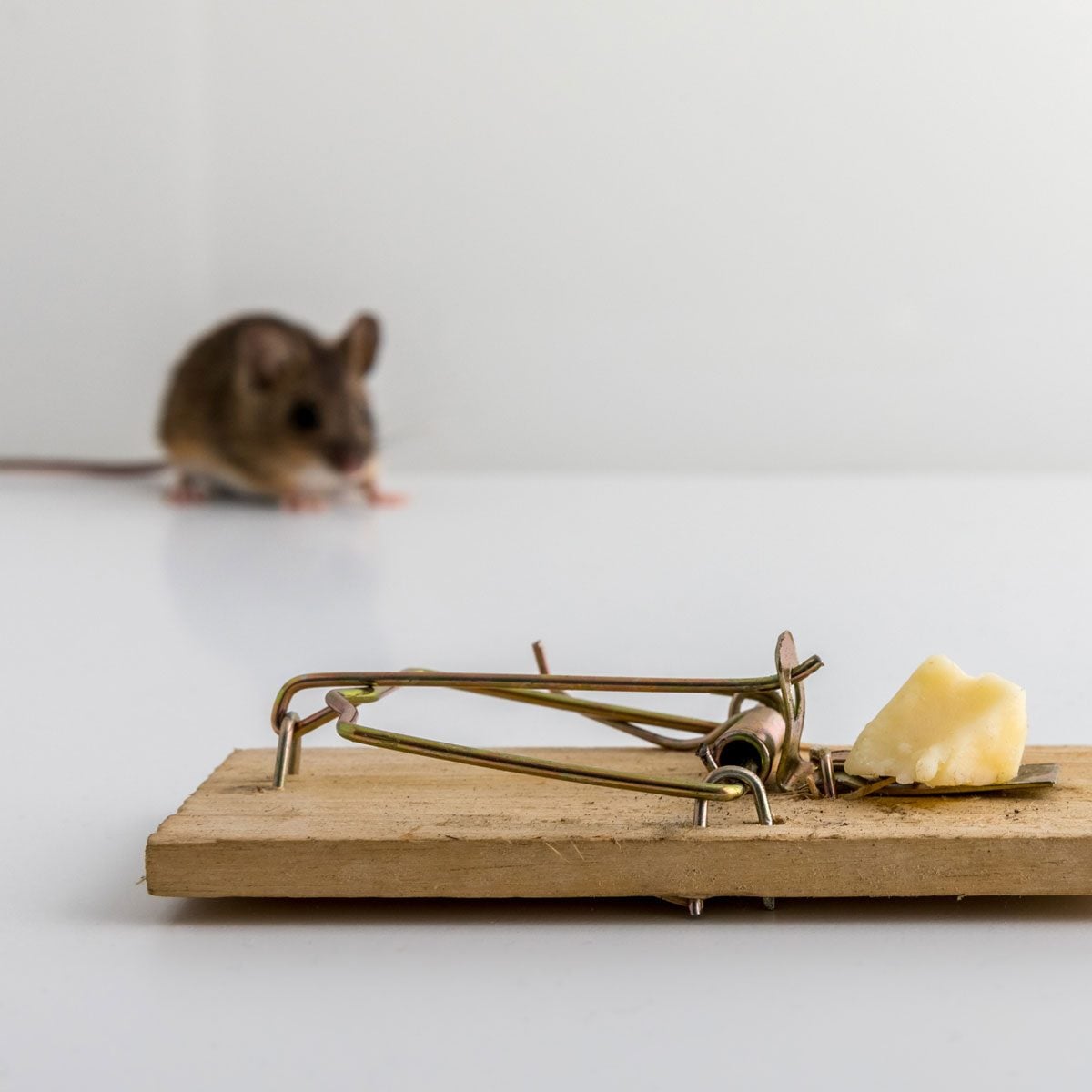
Picture a mouse and your brain probably supplies the accessories automatically: twitching whiskers, a suspiciously confident tiptoe, and a bright yellow wedge of Swiss cheese. Cartoons have been running this tiny dairy-based marketing campaign for generations. But when an actual mouse moves into your pantry, entertainment history is not the most reliable pest-control manual.
So, is cheese the best bait for mice? Usually, no. Cheese can attract a hungry mouse, but peanut butter, chocolate, seeds, oats, nuts, pet food, and even nesting material may produce better results. More importantly, the success of a mousetrap often depends less on the menu and more on where the trap is placed, how much bait is used, and whether other food remains available.
Let us separate rodent fact from cartoon fictionand give your uninvited houseguest a checkout procedure that does not involve leaving a five-star review.
The Verdict: Cheese Works, but It Is Rarely the Best Mouse Bait
Cheese is not useless. A mouse that encounters a fresh, aromatic piece may investigate and eat it. However, house mice are opportunistic omnivores rather than devoted dairy connoisseurs. They commonly consume grains, seeds, nuts, fruit, insects, pet food, crumbs, and many other available materials. University of California Integrated Pest Management guidance describes house mice as adaptable nibblers that eat whatever food is accessible, although cereals, seeds, and other calorie-rich foods are common choices.
The Centers for Disease Control and Prevention recommends using a small amount of chunky peanut butter or mutton fat on a snap trap. Several university extension programs likewise recommend peanut butter, chocolate, oats, nuts, dried fruit, caramel, or bacon instead of treating cheese as the automatic winner.
In other words, cheese belongs on the list of possible mouse baits. It simply does not deserve the crown, cape, and ceremonial trumpet fanfare.
Why Do People Think Mice Love Cheese?
The mouse-and-cheese connection is largely a cultural shortcut. Cheese is easy to recognize in an illustration, especially when drawn as a wedge with holes. A pile of oats does not have the same visual drama. Neither does half a teaspoon of peanut butter unless the cartoonist includes a label and a very patient audience.
Historically, cheese was also stored in places that rodents could reach. Before modern refrigeration and sealed packaging, many foods sat in cupboards, pantries, cellars, or open storage. A mouse might nibble cheese simply because it was availablenot because it had rejected a buffet of grains and demanded artisanal cheddar.
The myth survives because it contains a small piece of truth. Mice may eat cheese, particularly mild, fresh varieties. The fiction is the assumption that they prefer it over everything else.
What Foods Do Mice Actually Prefer?
House mice are flexible eaters, but many prefer foods that provide concentrated energy. Grain and seeds fit their natural feeding habits, while foods rich in fat, protein, or sugar can be especially attractive. Extension guidance identifies items such as nutmeats, chocolate, bacon, butter, cereal grains, and seeds as potential foods or trap baits.
A mouse does not evaluate bait like a restaurant critic. It responds to odor, familiarity, freshness, accessibility, and competition from other foods. The best bait in one kitchen may be ignored in another because the local mice have been dining nightly on spilled birdseed, dog kibble, cereal, or crumbs beneath an appliance.
1. Peanut Butter
Peanut butter is the standard recommendation for a reason. It has a strong aroma, contains fat and protein, and sticks to the trigger instead of being easily carried away. A pea-sized dab is generally enough. Using a large blob may allow a mouse to nibble around the edges without applying enough pressure to activate the trap.
The CDC, Iowa State University Extension, Illinois Extension, and multiple other authorities recommend peanut butter for mouse traps. Peanut butter can also remain attractive longer than a small piece of cheese, although it should still be replaced when dusty, dry, contaminated, or visited by insects.
One important exception is any location where peanut allergies may be a concern. In shared housing, schools, child-care facilities, workplaces, or other public environments, use a non-allergenic commercial lure or another bait. University of California guidance specifically advises considering allergy risks before using peanut butter.
2. Chocolate, Caramel, and Other Sweet Foods
Chocolate and caramel combine strong scents with sugar and fat. Their sticky texture also makes them harder to remove cleanly from a trap. Missouri Extension lists chocolate candy among effective options, while Montana State University Extension suggests chocolate, caramel, and sticky seeds.
A tiny smear is preferable to an entire candy bar. The goal is to make the mouse interact with the trigger, not to finance its retirement.
3. Oats, Seeds, and Nuts
Rolled oats, birdseed, sunflower seeds, cereal grains, and nuts resemble foods mice naturally encounter. Oats can be pressed into peanut butter or another sticky base so the bait remains attached to the trigger. Iowa State University suggests peanut butter or moistened rolled oats, while Nebraska Extension includes seeds, chocolate, caramel, and nut-based options in its trapping guidance.
These choices may be especially effective when mice are already feeding on similar foods nearby. If the evidence points toward a torn birdseed bag, baiting with the same seed can be smarter than introducing an unfamiliar cube of cheese.
4. Bacon, Meat, and Pet Food
Small pieces of bacon, cooked meat, or aromatic pet food can attract mice because of their fat, protein, and odor. Purdue University Extension includes bacon, hot dog pieces, nutmeat, and marshmallows among possible baits. Oregon State University also recommends options such as nuts, dried fruit, cheese, peanut butter, and pet food.
Solid bait should be secured tightly to the trigger with thread, fine wire, or dental floss when the trap design allows it. Otherwise, a mouse may grab the prize and leave without completing the required paperwork.
5. Nesting Material
Food is not the only lure. Cotton, string, dental floss, soft fabric fibers, and similar nesting materials may work when mice are building nests. Cornell’s Integrated Pest Management program notes that string can sometimes succeed when food bait does not, and Texas A&M recommends testing cotton balls or string alongside different food baits.
Nesting material can be particularly useful when abundant food makes conventional bait less interesting. The mouse may already have dinner, but apparently it still needs throw pillows.
Why Cheese Can Be a Poor Practical Choice
The primary problem with cheese is not that mice hate it. The problem is performance. A dry or firm chunk can sometimes be lifted from the trigger without activating the trap. Soft cheese may dry out, while fresh cheese can spoil or lose its appeal. Michigan State University Extension and Utah State University Extension have warned that cheese can become rancid and recommend fresher alternatives such as peanut butter or chocolate.
Cheese also may not compete well with familiar food already present in the room. A mouse living beside an open bag of dog food has little reason to risk investigating a strange object for one aging cube of Monterey Jack.
However, cheese may still work when it is fresh, strongly scented, and secured to the trigger. Oregon State University lists cheese among several acceptable choices, illustrating an important point: there is no universal bait that wins in every building.
The Best Bait Cannot Rescue Bad Trap Placement
A well-positioned trap with average bait will usually outperform a poorly positioned trap baited with the finest gourmet spread in town. Mice tend to travel beside walls, cabinets, appliances, boxes, and other protected edges. They rely heavily on smell, touch, and familiar pathways while avoiding exposed areas.
Place snap traps perpendicular to the wall with the baited trigger end touching or nearly touching the baseboard. This arrangement intercepts a mouse traveling in either direction along its runway. Traps should be concentrated where you find fresh droppings, gnaw marks, greasy smudges, disturbed food, shredded nesting material, or openings around pipes and cabinets.
Use More Than One Trap
One trap in the middle of a large kitchen is not a control strategy; it is a decorative suggestion. Experts commonly recommend deploying several traps close to active runways. Oregon State’s school integrated pest management guidance notes that using a dozen traps for only a few mice may not be excessive, while Nebraska Extension recommends paired or double trap placements in areas of high activity.
Place traps behind the refrigerator, beside the stove, beneath the sink, along pantry walls, behind stored boxes, and near suspected entry points. Keep them inaccessible to children and pets.
Try Pre-Baiting for Cautious Mice
If mice repeatedly avoid the traps, place bait on the traps without setting them for a night or two. Once the bait has been taken, add fresh bait and activate the traps. Illinois and Missouri extension guidance describes pre-baiting as a way to reduce trap avoidance.
Do not keep changing trap locations every few hours. Give traps time to become part of the environment while continuing to monitor activity.
How to Choose the Best Bait for Your Particular Mouse
Begin by inspecting what the mouse is already eating. A damaged cereal box suggests grains or oats. A torn pet-food bag suggests kibble. Empty sunflower-seed shells point toward seeds or nutty foods. Matching the existing food source can make the bait more familiar and attractive.
Next, conduct a small bait test. Use several traps in the same activity zone, each with a different lure:
- One trap with a pea-sized dab of peanut butter
- One with chocolate or caramel
- One with oats or seeds pressed into a sticky base
- One with pet food or a securely attached nut
- One with cotton or string for nesting material
Texas A&M’s integrated pest management guidance recommends offering multiple bait types because rodent preferences can vary. Cornell likewise notes that peanut butter is useful but is not automatically the best choice for every population or situation.
Do Not Confuse Trap Bait With Rodent Poison
Food placed on a snap trap is different from a commercial rodenticide bait. Rodent poisons must be used strictly according to their labels and kept inaccessible to children, pets, and wildlife. The Environmental Protection Agency warns that incorrect use can harm people and non-target animals, including predators that consume poisoned rodents.
For a limited indoor mouse problem, snap traps provide immediate confirmation of a catch and avoid the possibility of a poisoned mouse dying inside a wall. Large, persistent, or inaccessible infestations may require a qualified pest-management professional.
Bait Is Only One Part of Mouse Control
Trapping mice without correcting the conditions that attracted them is like emptying a bathtub while the faucet remains on. Effective control combines trapping with sanitation and exclusion.
- Store cereal, flour, rice, seed, and pet food in durable containers with tight lids.
- Clean crumbs and grease beneath appliances and cabinets.
- Do not leave pet food out overnight.
- Use garbage cans with secure lids.
- Repair leaks and eliminate unnecessary water sources.
- Seal gaps around pipes, vents, doors, foundations, and utility lines.
- Remove clutter that provides hidden nesting sites.
The EPA recommends removing food, water, and shelter while sealing openings inside and outside the building. Oregon State and North Carolina State extension programs also emphasize exclusion as essential because trapping alone does not prevent new mice from entering.
Safe Cleanup After Mouse Activity
Mouse droppings and nesting materials should be handled carefully. Do not immediately sweep or vacuum dry droppings, because this can stir contaminated particles into the air. The CDC advises wearing rubber or plastic gloves, soaking droppings and contaminated material with disinfectant, allowing the product’s required contact time, and removing the material with paper towels before disinfecting the surrounding surface.
Check traps daily. Follow local disposal rules, disinfect reusable traps as appropriate, and wash your hands after removing gloves. Heavy infestations, extensive contamination, or rodent activity in ventilation systems may justify professional assistance.
Experience-Based Lessons: What Usually Happens in Real Homes
Consider a common kitchen scenario. A homeowner notices droppings beneath the sink and places one cheese-baited trap in the center of the kitchen. Three nights pass. The cheese dries into a tiny yellow brick, the trap remains untouched, and the mouse continues treating the pantry like an all-inclusive resort.
The homeowner concludes that the mouse is unusually intelligent. More often, the setup is simply asking the animal to abandon its protected route along the wall, cross an exposed floor, approach an unfamiliar object, and eat a food that may be less appealing than the cereal already spilling from an open box.
A better second attempt begins with cleaning and inspection. The cereal is transferred to a sealed container, crumbs are removed from beneath the cabinets, and a gap around a sink pipe is temporarily identified as a likely travel route. Several snap traps are placed with their trigger ends against the wall. Two receive tiny dabs of peanut butter, one receives chocolate, and another holds cotton fibers.
This experience often teaches the first major lesson: placement beats generosity. Loading a trap with a spoonful of bait does not make it more effective. It may allow a mouse to eat without triggering the mechanism. A small amount pressed firmly into the bait cup requires closer contact and more effort.
A second common experience involves stolen bait. The homeowner finds a perfectly clean trigger and begins imagining a mouse wearing black gloves and carrying miniature burglary tools. The practical explanation is usually simpler: the bait was too large or too easy to lift. Smearing sticky bait into the trigger, tying solid bait securely, or using a trap with an enclosed bait cup can solve the problem.
Another lesson appears when peanut butter is ignored. This does not mean every pest-control recommendation has collapsed. The mouse may have abundant food elsewhere, or it may prefer the material it already knows. In a garage containing birdseed, a few seeds pressed into a small amount of sticky bait may outperform plain peanut butter. Near a pet-feeding area, one piece of the usual kibble secured to the trigger may be more familiar. During nest building, cotton or string may attract interest when food does not.
Homeowners also discover that the first catch does not always end the problem. Fresh droppings after cleanup indicate continuing activity. Additional traps should remain in place and be checked daily while entry points are sealed. One captured mouse may have been the only visitor, but assuming that immediately is an optimistic gamble.
The most valuable real-world lesson is that successful mouse control rarely depends on finding a magical bait. It comes from combining several ordinary actions: remove competing food, identify runways, use multiple traps, apply only a small amount of fresh bait, secure the bait properly, monitor results, clean safely, and close the entrances.
Cheese may catch a mouse. A complete strategy catches the problem.
Conclusion: Save the Cheese for Your Sandwich
The claim that cheese is the best bait for mice is mostly fiction. Mice may eat cheese, but peanut butter, chocolate, oats, seeds, nuts, pet food, meat, or nesting material often work as well or better. Freshness, familiarity, odor, texture, and attachment to the trigger all affect whether a bait succeeds.
The bigger truth is that bait choice is only one variable. Traps must be placed directly along mouse runways, especially beside walls and behind appliances. Multiple traps, good sanitation, sealed entry points, and safe cleanup practices are far more important than recreating a scene from a Saturday morning cartoon.
Research note: This article synthesizes rodent-management guidance from the CDC, EPA, Cornell University, Iowa State University, Michigan State University, Missouri Extension, Montana State University, North Carolina State University, Oregon State University, Purdue University, Texas A&M University, University of California IPM, University of Kentucky, University of Nebraska–Lincoln, and Utah State University.











