
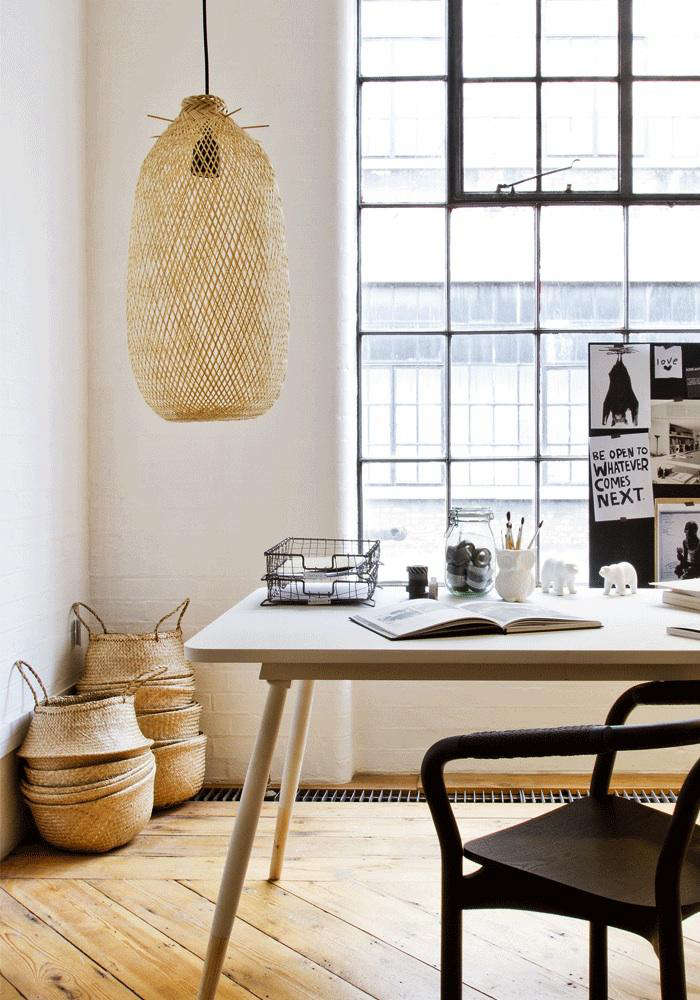
If a room feels a little too polite, a bamboo pendant can fix that in one graceful swoop. It drops from the ceiling like a vacation brochure with good taste, softens hard lines, and brings in the kind of texture that makes a space feel collected instead of copied. Whether your home leans coastal, bohemian, tropical, modern organic, or somewhere between “design enthusiast” and “I just want it to look better than before,” bamboo pendants offer a smart way to add warmth, personality, and a subtle touch of exotica.
And no, “exotica” here does not mean turning your living room into a fake beach bar with one lonely ukulele in the corner. It means borrowing the best qualities of far-flung, nature-rich design: breezy texture, filtered light, relaxed elegance, and an easy connection to natural materials. In other words, less theme park, more elevated escape.
Why Bamboo Pendants Are Having a Long, Stylish Moment
Bamboo pendant lights sit at the sweet spot where beauty meets practicality. Designers and homeowners alike keep returning to woven, natural materials because they make rooms feel lighter, softer, and more human. A bamboo fixture can introduce texture without visual clutter, warmth without heaviness, and character without shouting for attention like an overconfident chandelier.
Part of the appeal is the material itself. Bamboo is known for its fast growth and versatility, and in home decor it carries that same sense of energy and adaptability. It feels fresh, a little artisanal, and wonderfully grounded. While metal and glass pendants can sometimes read cool or formal, bamboo pendant lights tend to feel relaxed and inviting. They say, “Come in, stay a while,” instead of, “Please do not breathe near the furniture.”
They also bridge old and new with impressive ease. In a coastal room, a bamboo pendant light looks breezy and sun-washed. In a boho space, it reads layered and soulful. In a modern organic interior, it introduces softness against plaster, stone, oak, or matte black accents. Even in more traditional rooms, a bamboo shade can act like a gentle disruptor, adding contrast and charm without starting a design argument.
What Makes Bamboo Pendants So Effective
1. They Add Texture Without Bulk
One of the best things about a bamboo pendant is that it can make a statement without feeling visually heavy. Woven shades, slatted frames, and airy openwork designs allow the fixture to occupy space while still letting the room breathe. That makes bamboo pendants especially useful in rooms that need interest overhead but cannot handle a giant, solid, attention-hogging light fixture.
Small dining nooks, breakfast corners, bedrooms, sunrooms, and narrow entryways all benefit from this trick. The pendant becomes a focal point, but it does not flatten the room or make the ceiling feel lower.
2. They Create Soft, Atmospheric Light
When bamboo is woven or shaped into an open frame, it changes the quality of light in a lovely way. Instead of a harsh beam from above, you often get a warm, filtered glow with delicate shadows. The effect can feel casual, romantic, and slightly transportive. A bamboo pendant over a dining table, for example, brings more than illumination. It adds mood. Dinner instantly feels less like a rushed Tuesday and more like someone remembered candles exist.
3. They Work in More Rooms Than You Might Expect
Bamboo pendants are not limited to tropical porches or beach houses. They work over kitchen islands, in bedrooms, above freestanding tubs, in mudrooms, over stair landings, and even in reading corners that need a little sculptural interest. The key is choosing the right shape, scale, and weave for the space.
Where Bamboo Pendants Look Best
Dining Rooms
This is the classic place for a bamboo pendant, and for good reason. Over a dining table, it brings just enough personality to make the area feel intentionally styled. A drum-shaped or bell-shaped bamboo pendant works beautifully in casual dining spaces, while a larger lantern-style pendant can add drama to a more formal room without making it feel stiff.
If your dining room includes wood furniture, linen upholstery, or earthy colors, bamboo lighting helps tie everything together. It can echo the table’s grain, soften the chair lines, and give the room that layered, designer-finished feel people usually assume requires a suspiciously large budget.
Kitchen Islands
Bamboo pendants over a kitchen island can be especially effective in homes that need to balance function and atmosphere. Kitchens are full of hard-working surfaces: stone counters, tile backsplashes, stainless appliances, cabinet hardware, and all the practical stuff that keeps the room running. A row of woven pendants helps break up that hardness with texture and warmth.
This is also where bamboo can bring a welcome touch of contrast. If your kitchen is mostly white, gray, black, or greige, bamboo lighting keeps it from drifting into sterile territory. It makes the room feel alive, relaxed, and just a little more expensive-looking.
Entryways and Hallways
Want your entrance to feel memorable without trying too hard? A bamboo pendant can do that. In an entry, it sets the tone right away: warm, textured, inviting, and a little adventurous. In a hallway, it can provide architectural interest in a space that might otherwise be all wall and no wow.
Bedrooms and Reading Corners
Bedrooms benefit from softer forms and softer light, which makes bamboo pendant lights a natural fit. Hanging one above a nightstand instead of using a table lamp can free up surface space while adding a boutique-hotel feel. In a reading corner, a smaller bamboo pendant introduces shape overhead and can help carve out a cozy zone without any major renovation drama.
How to Choose the Right Bamboo Pendant
Pay Attention to Shape
The silhouette matters almost as much as the material. A globe pendant feels playful and balanced. A cone or bell shape often looks more tailored. A drum shade feels neat and versatile. A lantern-inspired frame can read more exotic or collected. If you want something subtle, choose a clean, simple shape. If you want the fixture to act like jewelry for the room, go for a sculptural design with layered weaving, curves, or interesting negative space.
Think About the Weave
Not all bamboo pendants behave the same way. Tight weaves often create a more controlled, diffused glow and can feel refined. Open weaves cast more visible shadow patterns and tend to feel breezier and more casual. Neither is better; they simply create different moods. If the fixture is going in a work zone such as a kitchen, make sure beauty does not come at the expense of useful light.
Match the Hardware to the Room
The metal parts matter. A bamboo shade paired with antique brass looks warmer and slightly more elevated. Matte black creates sharper contrast and suits modern interiors. White hardware feels airy and beachy. Mixed materials, including iron, linen cord, or painted finishes, can shift the vibe dramatically, so do not judge the shade alone.
Choose Smart Bulbs and Dimmers
A beautiful pendant deserves a good light source. Warm LED bulbs are usually the easiest choice because they are efficient, long-lasting, and available in a range of color temperatures. If you want your bamboo pendant to feel cozy rather than clinical, avoid overly cool light. A dimmer switch is even better. It lets the fixture go from bright and functional during weekday chaos to soft and flattering when you are trying to pretend your takeout arrived by candlelight on purpose.
How to Style Bamboo Pendants Without Going Full Tiki
There is a fine line between inspired and overcommitted. The trick with bamboo pendant decor is balance. Let the fixture carry the organic, exotic note while the rest of the room supports it with restraint.
Pair It With Grounding Materials
Bamboo looks especially good with linen, plaster, clay, jute, light oak, travertine, ceramic, cane, rattan, and aged brass. These materials share a natural honesty that keeps the room feeling cohesive. If you add too many themed accessories, the pendant starts to look like it wandered into a costume party.
Use Contrast for a More Sophisticated Look
One of the smartest ways to style a bamboo pendant is to place it in a room with cleaner or more tailored elements. Try a bamboo light over a sleek marble island, next to black-framed windows, or above a modern dining table with upholstered chairs. The contrast makes the fixture stand out in a polished way.
Let Color Do Some of the Work
Bamboo naturally complements sandy neutrals, chalky whites, olive greens, warm browns, dusty blues, terracotta, and even moody charcoal. If you want a room to feel more collected and less flat, repeat warm natural tones across the space. Think a woven pendant, a wooden bowl, linen curtains, and one or two textured accents. Suddenly the room tells a story instead of reciting a shopping list.
Care, Cleaning, and Practical Reality
Bamboo pendants are easy to love, but they do need a little maintenance. Natural fibers can collect dust, especially in kitchens and high-traffic areas. A regular light dusting with a soft cloth, microfiber duster, or vacuum brush attachment usually does the trick. Avoid soaking the material or using harsh cleaners, because natural finishes do not appreciate chemical experiments.
If you are hanging a bamboo pendant in a bathroom, covered patio, or any space with more moisture, check the fixture’s rating first. Not every pendant is meant for damp conditions. The same goes for installation: if the fixture is hardwired, treat that as a clue, not a suggestion. Proper installation matters for safety, function, and preserving the life of the fixture.
Also remember that bamboo shades can change the distribution of light. That is part of their charm, but it means you may need layered lighting in the room. Pair the pendant with sconces, lamps, or under-cabinet lighting if the space needs more than mood. A room should be inviting, yes, but still functional enough that no one has to identify their dinner by intuition.
The Lasting Appeal of Bamboo Pendant Lights
Trends come and go, but some materials keep finding their way back because they make people feel good at home. Bamboo is one of them. It offers texture, warmth, craft, and a subtle sense of escape. It can lean coastal, boho, modern organic, tropical, vintage, or even classic, depending on how you use it. That flexibility is exactly why bamboo pendants continue to charm designers and everyday homeowners alike.
If your room feels too sharp, too plain, too cold, or too serious, a bamboo pendant may be the missing ingredient. It softens. It brightens. It adds personality without chaos. Most of all, it reminds us that good design is not only about what looks impressive. It is also about what feels welcoming. And a little touch of exotica, when done well, feels like the room finally exhaled.
Experiences: Living With Bamboo Pendants in Real Homes
One of the most enjoyable things about bamboo pendants is that they do not just photograph well; they actually improve the day-to-day experience of a room. That sounds dramatic for a ceiling fixture, but hear me out. Some lights simply exist. Bamboo pendants participate. They shift the mood in the morning, soften the room at night, and make ordinary spaces feel more intentional.
Take a small breakfast nook, for example. On paper, it may only be a round table, two chairs, and a stubborn wall that refuses to become interesting. Add a bamboo pendant overhead, though, and suddenly the nook feels like a destination. Morning coffee feels calmer. Weekend reading feels more relaxed. Even a rushed bowl of cereal has a faint “I have my life together” energy, which is generous of the light fixture and should be appreciated.
In kitchens, the experience is slightly different but equally rewarding. A row of bamboo pendants over an island can make a workhorse space feel less clinical. That matters more than people realize. Kitchens are not just for cooking; they are command centers, homework stations, snack headquarters, and unofficial therapy offices. When bamboo lighting adds warmth overhead, the room feels less like a machine and more like a lived-in gathering place. People linger longer. Conversations stretch out. Someone always leans on the island and says, “This room feels so nice now,” which is decorator gold.
Bedrooms may be where bamboo pendants feel most unexpectedly magical. Replacing bulky bedside lamps with hanging pendants can instantly clear visual clutter and make the room feel more spacious. The woven texture also pairs beautifully with bedding, curtains, and rugs, so the whole room starts to feel layered instead of pieced together. At night, the filtered glow can be especially calming. It is less “ceiling spotlight” and more “gentle cocoon,” which is exactly the vibe a bedroom should have.
Entryways benefit in a different way. Because first impressions happen fast, overhead lighting does a lot of emotional work. A bamboo pendant tells visitors something before a word is spoken. It suggests ease, warmth, and a home that values natural materials over sterile perfection. Even if the shoes by the door say otherwise, the pendant is doing excellent public relations.
There is also the sensory experience. Bamboo pendants often cast subtle shadow patterns that move slightly as the light changes through the day. Those little details make a room feel dynamic. In the afternoon, the fixture may look sculptural and airy. In the evening, it turns atmospheric and intimate. That dual personality is part of the appeal. You are not just buying an object; you are buying how the room behaves around it.
People also tend to feel less intimidated by bamboo lighting than by more formal statement fixtures. A crystal chandelier can be beautiful, but it sometimes arrives with emotional baggage. It wants attention. It expects a certain level of behavior. A bamboo pendant is more relaxed. It can be chic, but it is not uptight. It looks just as happy above a farmhouse table, a minimalist island, or a slightly chaotic family dining room where someone has left crayons in a bowl and called it decor.
That may be the real secret of bamboo pendants for a touch of exotica: they add beauty without making a home feel precious. They bring escape, but not artifice. They feel special, yet still livable. And in real homes, where style has to coexist with dust, dinner, schedules, and humans, that is exactly the kind of design magic worth hanging onto.











