
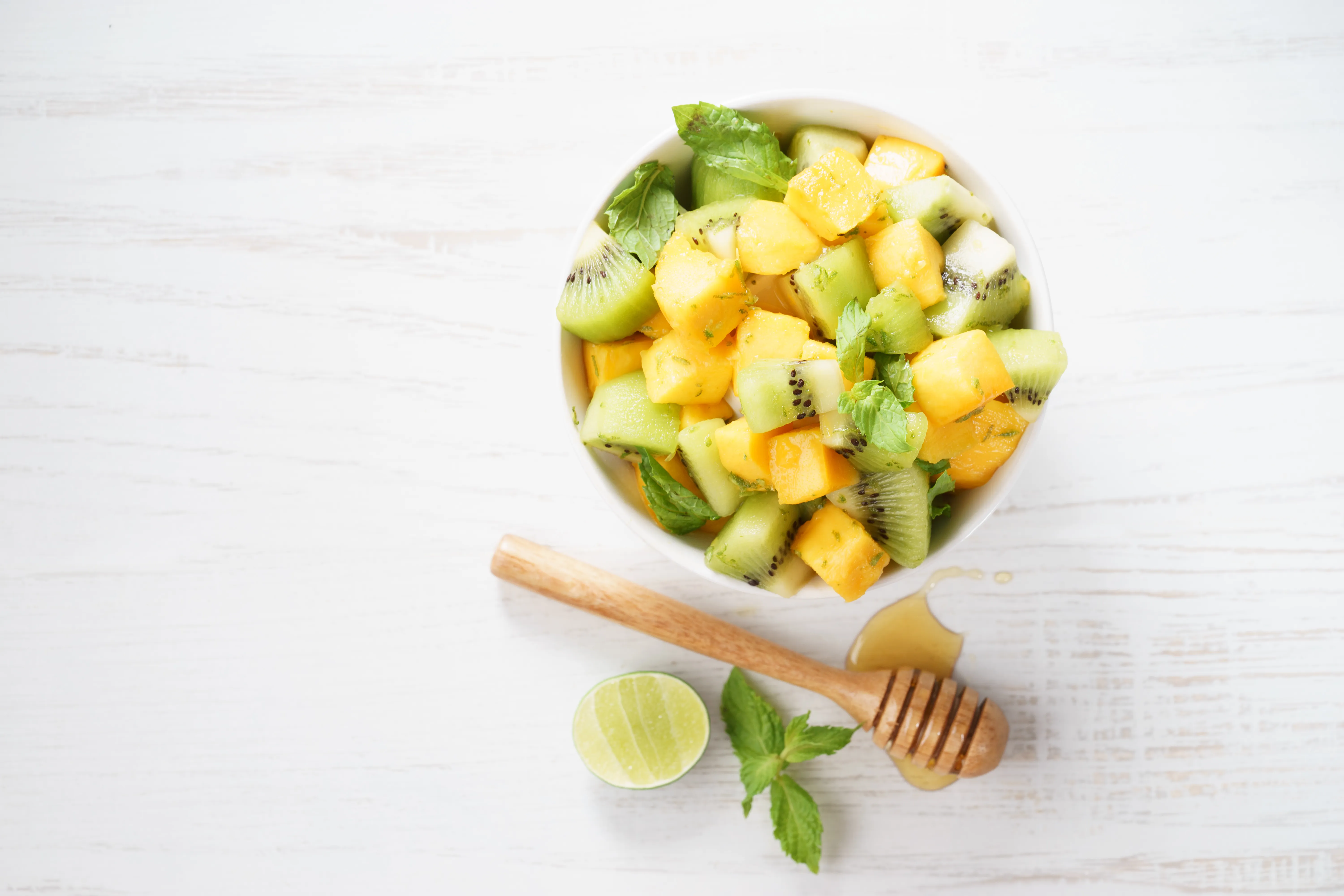
If your stomach turns into a marching band after a “healthy” snack, you are not imagining things. Fruit is packed with vitamins, minerals, antioxidants, and fiber, but some fruits can also be sneaky little troublemakers for people with sensitive digestion. That does not mean fruit is bad. It just means your gut may not be thrilled when certain natural sugars and fermentable carbs show up uninvited to the party.
Gas and bloating often happen when carbohydrates are not fully absorbed in the small intestine. Instead of being neatly processed, they move into the colon, where gut bacteria get to work fermenting them. Translation: bubbles, pressure, gurgling, and that glamorous “I need elastic-waist pants immediately” feeling. In many cases, the culprits are fructose, sorbitol, and other compounds found in high-FODMAP foods.
The good news is that you do not need to fear the produce aisle. You just need to know which fruits are more likely to trigger digestive symptoms, why they do it, and how to eat fruit more comfortably. Below are seven fruits that may cause gas and bloating, especially if you have IBS, fructose malabsorption, or a generally dramatic digestive system.
Why Some Fruits Cause Gas and Bloating
Before we start pointing fingers at innocent-looking fruit bowls, it helps to understand what is happening behind the scenes. Many fruits contain natural sugars such as fructose. Some also contain polyols like sorbitol, which are sugar alcohols found naturally in certain fruits. These compounds can be harder for some people to absorb. When they linger in the gut, they can pull in water and get fermented by bacteria, which may lead to gas, bloating, abdominal discomfort, and sometimes diarrhea.
Fiber can also play a role. Fruit fiber is generally great for digestion, but if you suddenly increase your intake or pile several high-fiber fruits into one sitting, your gut may respond like you just changed the office Wi-Fi password. In other words, not calmly.
Another important point: the dose matters. A few slices of fruit may be fine, while a giant smoothie, jumbo fruit bowl, or “I’m being healthy so I’ll eat half a watermelon” moment can be enough to tip your stomach over the edge.
1. Apples
Apples are one of the most common fruits linked to gas and bloating. They are nutritious, portable, and unfairly good at making us feel virtuous. Unfortunately, they are also high in fructose and sorbitol, two compounds that can be rough on sensitive stomachs.
If you are prone to bloating, a raw apple can sometimes be more difficult to tolerate than expected, especially when eaten on an empty stomach or paired with other high-fiber foods. Apple juice can also be an issue because it may deliver a concentrated hit of fructose without the same fullness cues as whole fruit.
Why apples can be tricky
They combine fiber, fructose, and sorbitol in one tidy little package. For some people, that is a recipe for healthy digestion. For others, it is a recipe for an afternoon of regretting lunch.
What to try instead
If apples seem to bother you, try lower-FODMAP fruits such as strawberries, grapes, oranges, or pineapple in moderate portions. You can also experiment with peeled or cooked apples, which some people find easier to digest than crisp raw ones.
2. Pears
Pears are often marketed as gentle and juicy, but in the digestive world, they can be surprisingly chaotic. They are high in fructose and sorbitol, which makes them a frequent trigger for bloating, gas, and loose stools in people with IBS or carbohydrate sensitivity.
Because pears are also high in fiber, they can be especially troublesome if you eat them quickly, eat a large portion, or pair them with other fermentable foods. That fancy pear-and-honey snack plate may look elegant, but your gut may interpret it as a prank.
Why pears can be tricky
They pack a double punch: excess fructose plus sorbitol. That combination is exactly the kind of thing that can create digestive drama in a hurry.
What to try instead
If pears are not your friend, swap them for blueberries, kiwi, cantaloupe, or citrus fruits. You may also tolerate small portions better than a full pear.
3. Watermelon
Watermelon is basically summer in edible form. It is hydrating, refreshing, and perfect for hot weather. It can also cause serious bloating for some people. Watermelon is considered high in FODMAPs, largely because of its fructose content. That means it may trigger symptoms even though it feels light and watery.
This fruit can be especially deceptive because people tend to eat a lot of it at once. A few cubes might be fine, but a giant bowl at a barbecue can quickly become a one-way ticket to Belly Balloon City.
Why watermelon can be tricky
Portion size is the trap. It is easy to overeat because it feels light, but the fructose load can add up fast.
What to try instead
Try cantaloupe, honeydew, or pineapple if you want something juicy and refreshing with a lower chance of setting off gas and bloating.
4. Mangoes
Mangoes are delicious. They are also one of those fruits that make people say, “But it is natural!” right before clutching their stomach. Mangoes are high in fructose, which can make them difficult to digest for people with fructose malabsorption or IBS.
They often show up in smoothies, fruit salads, juices, and desserts, so it is easy to consume a larger amount than you realize. A mango smoothie that looks tropical and innocent can actually deliver a lot of sugar and fermentable carbs in one sitting.
Why mangoes can be tricky
They are naturally sweet, which means a fairly concentrated fructose load. Great for flavor. Not always great for a sensitive gut.
What to try instead
If mango gives you trouble, try pineapple, strawberries, or a small serving of firm banana. These may be easier on your digestive system depending on your individual tolerance.
5. Cherries
Cherries may be tiny, but they can be mighty when it comes to causing bloating. They contain fructose and sorbitol, which makes them a common issue for people following a low-FODMAP diet. They are also easy to snack on mindlessly. A few cherries may be fine, but half a bowl while watching TV is another story.
Sweet cherries can be especially bothersome if you already deal with constipation, IBS, or a gut that gets fussy with sugar alcohols. And if you are eating cherries dried, baked into desserts, or mixed with other fruit, the digestive effect can feel even bigger.
Why cherries can be tricky
Small fruit, big potential for overdoing it. Their sorbitol content is one reason they can lead to gas and bloating pretty quickly.
What to try instead
Swap in blueberries, raspberries, or grapes if cherries consistently make your stomach puff up like a beach ball.
6. Peaches and Nectarines
Peaches and nectarines are juicy, fragrant, and suspiciously good at causing abdominal discomfort in sensitive eaters. These stone fruits contain polyols, especially sorbitol, which can be difficult to absorb and may lead to bloating, gas, and diarrhea.
If you are someone who notices symptoms after summer fruit season hits, these fruits deserve a closer look. They are healthy, yes, but health halos do not cancel out digestive reality.
Why peaches and nectarines can be tricky
Sorbitol is the main issue here. When it is not absorbed well, it can draw water into the intestines and contribute to bloating and digestive upset.
What to try instead
If stone fruits bother you, try strawberries, oranges, kiwi, or a smaller portion of canned fruit packed in juice rather than syrup, if tolerated.
7. Dried Fruit, Especially Prunes
Dried fruit is where things can go from “healthy snack” to “why is my abdomen making negotiations with gravity?” Because dried fruit is more concentrated than fresh fruit, it can deliver a bigger dose of fructose, fiber, and sometimes sorbitol in a much smaller serving.
Prunes are the classic example. They are famous for helping constipation, and yes, they absolutely can help things move along. But that same laxative effect can also come with bloating, flatulence, cramping, or diarrhea if you eat too much or if your gut is sensitive. Raisins, dried figs, and mixed dried fruit can also be tough on digestion for the same reason.
Why dried fruit can be tricky
It is concentrated. A small handful can equal a lot of sugar and fiber in one go, which may overwhelm your digestive system if you are prone to bloating.
What to try instead
Fresh berries, grapes, kiwi, or citrus fruit are often easier starting points. If you love prunes for constipation relief, start small instead of going all-in like you are training for a dried fruit decathlon.
How to Eat Fruit Without Feeling Like a Parade Float
You do not need to ban fruit forever just because your stomach gets dramatic. A few smart adjustments can make a big difference.
1. Watch portion size
Even a fruit that is “fine” in theory can cause symptoms if the serving is huge. Large smoothies, fruit platters, and grazing all day can pile up fermentable carbs fast.
2. Keep a food and symptom diary
If the pattern is not obvious, write down what you ate, how much, and how you felt afterward. This can help you spot whether apples are the problem, or whether the real issue is the apple plus protein bar plus sparkling water combo.
3. Test one fruit at a time
Do not blame the whole fruit kingdom at once. Try removing one suspected trigger for a week or two, then reintroduce it in a smaller amount and see what happens.
4. Be careful with fruit juice and smoothies
Liquids and blended drinks are easy to consume quickly, and they often pack more fruit than you would normally eat whole. Your gut notices.
5. Consider the bigger picture
If bloating is frequent, painful, or comes with constipation, diarrhea, nausea, vomiting, weight loss, fever, or blood in the stool, do not play guessing games forever. Check in with a healthcare professional. Ongoing bloating is sometimes about more than food.
What People Commonly Experience With These Fruits
One of the most frustrating things about gas and bloating is how ordinary the trigger can seem. People often expect trouble after greasy fast food or a mountain of queso, not after a nice bowl of fruit. That surprise is part of why so many digestive symptoms feel confusing.
A common experience goes something like this: someone decides to “clean up” their diet and starts the day with a smoothie made from mango, apple, and a splash of juice. By midmorning, they feel tight, puffy, and uncomfortable. They assume it must be stress or maybe they ate too fast. But the real issue may be that the drink packed several servings of high-fructose fruit into one glass, and the gut simply could not absorb it all comfortably.
Another classic scenario is the healthy desk snack. An apple in the afternoon sounds like a gold-star choice. But for some people, that apple leads to burping, cramping, or a bloated lower belly an hour later. Then they repeat the pattern for three days because, well, apples are healthy, so surely apples cannot be the problem. Meanwhile, the stomach is over there filing formal complaints.
Summer is another big one. Watermelon, peaches, cherries, and nectarines all show up at the same time, and people tend to eat them often because they are fresh, sweet, and seasonal. Someone may feel fine with a few bites, but not so great after a giant fruit salad at a cookout. The discomfort can build gradually: first pressure, then gurgling, then the unmistakable sensation that your jeans have turned against you personally.
Dried fruit creates its own special kind of confusion. A person grabs a “better-for-you” snack pack of dried fruit and nuts before a flight, road trip, or work meeting. On paper, it looks smart. In the gut, it can be a concentrated fiber-and-sugar situation with very mixed results. Prunes, raisins, and dried figs can be especially potent when eaten quickly or without enough water.
Many people also notice that fruit symptoms depend on context. A few strawberries after dinner might be totally fine, while a big fruit-only breakfast is not. A small serving of grapes may sit well, but pears and apples do not. This is why blanket statements like “fruit causes bloating” are not very helpful. The real pattern is usually more specific: certain fruits, certain amounts, certain timing, and a certain kind of digestive sensitivity.
That is also why trial and error matters. Plenty of people discover that they do not need to avoid fruit entirely. They just need to stop treating their digestive system like a science fair volcano. Smaller servings, better fruit choices, slower eating, and paying attention to patterns can go a long way.
Final Thoughts
Fruit deserves its healthy reputation, but it is not automatically symptom-free for everyone. If you regularly deal with gas and bloating, apples, pears, watermelon, mangoes, cherries, peaches, nectarines, and dried fruit may be worth a closer look. The issue is usually not the fruit itself being “bad.” It is more about how your body handles specific sugars and fermentable carbohydrates.
The smartest approach is not fear. It is observation. Learn your triggers, adjust your portions, and choose alternatives that make your stomach feel calm instead of chaotic. Healthy eating should not feel like an endurance sport.












