
There are two kinds of people in the hour before guests arrive: the calm host who lights a candle and casually stirs a dip, and the rest of us, who suddenly notice a mountain of shoes by the door, a mysterious mail pile on the counter, and a bathroom that looks like three people got ready for a concert in it. If that second group sounds familiar, welcome. You are among friends.
The good news is that getting your home guest-ready is usually less about deep-cleaning every square inch and more about tackling the clutter hotspots people actually see. Professional organizers and home experts tend to agree on one key truth: guests notice flow, comfort, and visual calm long before they notice whether you polished a baseboard. In other words, the goal is not to make your home look like a furniture showroom. The goal is to make it feel welcoming, functional, and easy to move through without tripping over a rogue sneaker or side-eyeing an overstuffed chair.
That is why the smartest pre-guest decluttering plan starts with the forgotten spots: the places that quietly collect everyday chaos until company is on the way and suddenly everything is screaming for attention. These are the areas organizers say deserve a quick reset before the doorbell rings.
Why the “forgotten spots” matter so much
Most clutter stress comes from what experts often describe as visual overload. It is not always the biggest mess that makes a room feel chaotic; it is the little piles, the random objects with no home, and the spaces meant to be useful that have turned into holding zones for life’s leftovers. When guests arrive, these clutter magnets become even more obvious because they interrupt comfort. A cluttered entryway makes the whole house feel more cramped. A crowded bathroom vanity can feel awkward. A kitchen counter buried under mail, appliances, and lunch containers sends the message that the room is working overtime.
So before you start rage-folding blankets or wiping down already-clean cabinet doors, focus on the seven spots below. They offer the biggest payoff with the least dramatic effort. Think of them as the high-impact players in your guest-ready lineup.
1. The Entryway Drop Zone
Why organizers care
Your entryway is the opening scene of your home. If that scene includes seven pairs of shoes, two coats no one has worn in weeks, reusable shopping bags breeding in the corner, and mail stacked like a tiny paper skyline, guests will assume the rest of the house follows the same plotline. Organizers often call this area a “drop zone” for a reason: everything lands here, and then somehow decides to stay forever.
What to declutter fast
Clear the floor first. Remove extra shoes, sports bags, umbrellas, pet leashes, and anything that turns the walkway into an obstacle course. Next, tackle horizontal surfaces like a console table or shelf. Sort the mail, toss junk papers, and move anything unrelated to greeting guests out of sight. Finally, make room for people to actually use the space. Leave a clear spot for coats, bags, and shoes. If you do not have a real mudroom, even one basket and a few hooks can work miracles.
The guest-ready trick
If you are short on time, create the illusion of order with boundaries. One tray for keys, one basket for loose items, one mat for shoes. Suddenly the area says “intentional” instead of “we came in carrying groceries and gave up.”
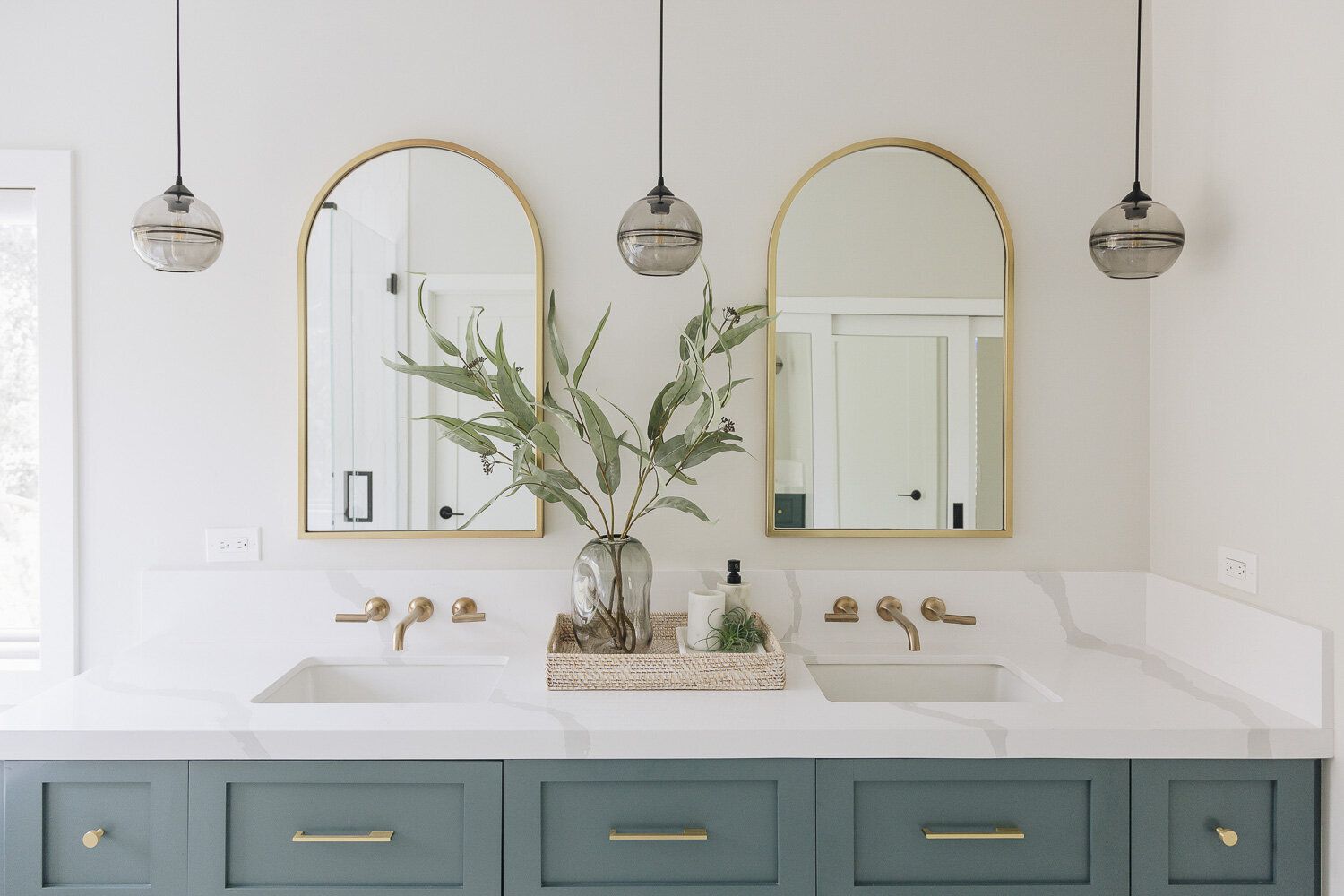
2. The Guest Bathroom Counter and Sink Area
Why organizers care
If guests use your bathroom, they are going to be close enough to notice everything. This is not the room for a toothpaste convention, hair-tool spaghetti, or an army of skin-care bottles standing shoulder to shoulder on the vanity. A cluttered bathroom counter can make even a clean bathroom feel messy, and it also puts guests in the strange position of trying not to touch your personal stuff while washing their hands.
What to declutter fast
Start with the obvious: remove personal toiletries, medication bottles, grooming tools, half-used cotton rounds, and anything that belongs in a drawer or cabinet. Then look under the sink. If opening that cabinet risks an avalanche of toilet paper, cleaning sprays, and mystery products from 2019, do a quick safety edit. Guests may not open every cabinet, but if they do need something, you want the experience to feel normal, not adventurous.
The guest-ready trick
Leave out only the essentials: hand soap, a fresh hand towel, extra toilet paper, and maybe a small room spray or lotion if you want to be fancy. The bathroom should feel easy to use, not like visitors need a map and written consent.
3. Kitchen Counters, Sink, and Dish Rack
Why organizers care
You can swear your guests will stay in the living room all you want. They are still going to drift into the kitchen. People always do. It is the natural habitat of snacks, drinks, gossip, and someone asking if they can help while standing directly where you need to be. Because the kitchen becomes a gathering zone, clutter here feels bigger and more stressful than it does anywhere else.
What to declutter fast
Clear the counters of nonessentials first. Put away mail, school papers, duplicate appliances, random containers, and that decorative item you love but currently need less than 18 square inches of breathing room. Then deal with the sink. Dirty dishes telegraph chaos in seconds, so load the dishwasher, empty the dish rack, or at least stack things neatly and out of immediate sight. Wipe crumbs, empty a full trash can, and make sure clean cups or plates are easy to grab.
The guest-ready trick
Designate one “working counter” and one “serving counter.” That way your kitchen feels organized even if you are actively using it. It is a small move, but it makes the room look less like a command center during a weather emergency.
4. Coffee Tables, Side Tables, and Other Living Room Landing Pads
Why organizers care
Living rooms collect evidence of real life at astonishing speed. Remote controls, charging cords, unopened packages, magazines, kids’ toys, water glasses, pet accessories, receipts, socks that wandered in from another timelineit all ends up here. Because guests spend so much time in this room, visible clutter on these surfaces reads louder than clutter hidden in a closet ever will.
What to declutter fast
Clear off the coffee table and side tables completely, then add back only what belongs: maybe a coaster set, one candle, a small tray, or a book stack that looks deliberate rather than abandoned. Fold throw blankets, fluff pillows, and collect objects that do not belong in the room. If pet hair is part of your home’s design language, run a lint roller or hand vacuum over upholstery before guests sit down and leave wearing your dog.
The guest-ready trick
Use a tray. It is one of the easiest ways to make a few items look styled rather than scattered. Design is sometimes just clutter with a good attitude and a border.
5. The Dining Table or Kitchen Island That Became Family Headquarters
Why organizers care
Somewhere along the way, many dining tables stop being dining tables and become tax-prep centers, homework stations, package depots, craft zones, and backup desks. Kitchen islands are just as vulnerable. The trouble is that these spots are highly visible and highly useful when guests come over. If they are covered in papers, chargers, unopened boxes, or laundry waiting to be folded, your entertaining space disappears before the appetizers even hit the plate.
What to declutter fast
Remove everything that is not related to eating, serving, or gathering. That includes paperwork, laptops, backpacks, prescription receipts, shopping bags, and those random objects you set down “for a second” three days ago. Then wipe the surface and decide its purpose. If guests are eating there, set it simply. If it is serving as a buffet or drink station, leave it mostly open. Space is what makes these surfaces feel luxurious.
The guest-ready trick
If the table is a daily workhorse, keep a dedicated bin nearby for “table squatters.” When company is on the way, everything goes in the bin, and the table gets to be a table again. Revolutionary, honestly.
6. Hallways, Stair Landings, and Visible Floor Clutter
Why organizers care
Hallways and connecting spaces do not always make the cleaning checklist, but they absolutely shape how tidy your home feels. Guests experience these areas in motion. If the path from the entryway to the living room or bathroom includes stacked shoes, baskets of laundry, kid gear, or random overflow from other rooms, your home instantly feels more crowded and less polished.
What to declutter fast
Do one walk-through from the front door as if you were a guest. What is visible at eye level? What is underfoot? Pick up anything on the floor that does not belong there, especially in hallways and along stairs. Move hampers, break down boxes, tuck away pet beds if they block traffic, and clear anything leaning against walls like it is waiting for a life decision.
The guest-ready trick
Think of these spaces as “runways,” not storage zones. The cleaner the path, the calmer the whole house feels. Even a quick five-minute sweep of visible floor clutter can make your home feel twice as organized.
7. The Guest Roomor the Room Guests Will See That You Pretend Is Fine
Why organizers care
Even if no one is staying overnight, there is often one room that becomes the emergency stash zone before company comes over. Sometimes it is the guest room. Sometimes it is the office. Sometimes it is a bedroom with a chair that has not seen its actual surface in months. Organizers warn that if guests will use this room, store coats there, or even peek inside, the clutter is no longer hidden. It is just delayed.
What to declutter fast
Remove storage overflow, laundry piles, gift bags, seasonal decor, and anything that makes the room feel like a closet with windows. Clear the bed or chair if guests may place coats or bags there. Make sure there is at least a little open space in a drawer, closet, or on a luggage stand if someone is staying over. A room does not have to be magazine-perfect, but it should not feel like visitors displaced your storage problem by accident.
The guest-ready trick
Give the room one obvious function. If it is a guest room, let it feel like one. If it is a multipurpose space, carve out a guest-friendly zone that is clean, open, and easy to understand.
A simple organizer-approved strategy for decluttering fast
If all of this sounds like a lot, here is the easier way to think about it: focus on sightlines, surfaces, and movement. Sightlines are what guests see first. Surfaces are where clutter gathers. Movement is how people travel through your home. If you can clear the first thing people notice, the places they touch, and the paths they walk, your home will feel dramatically more organized without a marathon cleaning session.
A practical order looks like this: entryway, bathroom, kitchen, living room, dining surface, connecting floors, then guest space. Work with a basket in hand and sort items into quick categories: put away, trash, relocate, and deal with later. This keeps you from getting stuck alphabetizing batteries when your guests are ten minutes away and your bathroom still has six hair ties on the sink.
Also, permission to skip perfection. Guests do not need your house to look untouched by human life. They just need it to feel cared for, comfortable, and easy to use. A home with a little personality is charming. A home with nowhere to set a drink is stressful.
Final thoughts
The smartest way to declutter before guests arrive is not to attack your entire home like you are on a game show. It is to focus on the overlooked spaces that shape first impressions and everyday comfort: the entryway, bathroom, kitchen, living room surfaces, dining area, hallways, and guest room. These forgotten spots tend to carry the visual weight of clutter, which means small edits there can make the whole house feel calmer, cleaner, and more welcoming.
So the next time company is coming, resist the urge to panic-clean the least important corner of your home. Start where guests will actually notice. Your future self, your visitors, and your coffee table will all be grateful.
Real-Life Experiences: What These Forgotten Spots Look Like in Actual Homes
Anyone who has hosted even a casual get-together knows the funniest part of pre-guest cleaning is how selective your eyes become. For weeks, that pile of shoes by the front door looked completely normal. Then a friend texts, “Parking now,” and suddenly the entryway looks like a lost-and-found bin exploded. That is the thing about forgotten clutter zones: they blend into everyday life until you imagine seeing them through someone else’s eyes.
One of the most common experiences people talk about is the bathroom surprise. You think the bathroom is fine because, technically, it is clean enough for the people who live there. Then you notice five nearly empty products on the counter, a damp towel hanging at an angle that can only be described as emotionally exhausted, and a drawer that sticks because it is overstuffed with items no one remembers buying. It is not usually filth that makes the room feel unprepared. It is the clutter of daily habits left out in plain sight.
The kitchen tells a similar story. In real life, counters become temporary homes for everything from grocery receipts to vitamins to school forms. But when guests arrive, every object suddenly competes with serving platters, drink glasses, and elbow room. Many hosts have had the experience of trying to plate food while a mail pile stares back at them like it pays rent. Clearing the kitchen often feels less like cleaning and more like reclaiming the room for its original job.
Then there is the living room, where clutter tends to disguise itself as “we were just using that.” A blanket tossed over the sofa, one game controller, two empty mugs, three dog toys, and a charging cable do not seem like much until they all exist at once. The room still looks lived in, but not relaxed. Once those items are put away, people are often shocked by how much larger and calmer the space feels. Same furniture, same walls, same rugjust less visual noise.
Guest rooms are perhaps the most relatable example of all. Plenty of homes have a room that is technically for guests but spends most of the year moonlighting as a storage unit, office overflow zone, or clean-laundry waiting room. The experience of transforming that room before someone stays over is almost universal: you clear one chair, then one corner, then the bed reappears like a miracle. Suddenly the room feels hospitable again, not like your visitors are sleeping in the middle of a postponed decision-making process.
What people usually learn from these moments is simple: guests do not expect perfection, but they do feel the difference between cluttered and considered. A clear path through the hallway, a clean sink, an open spot for a bag, a bathroom counter with breathing roomthese details quietly communicate comfort. They say, “I thought about your experience here.” And that is really what good hosting is. Not performance. Not perfection. Just making space, literally and mentally, for other people to feel at ease.











