
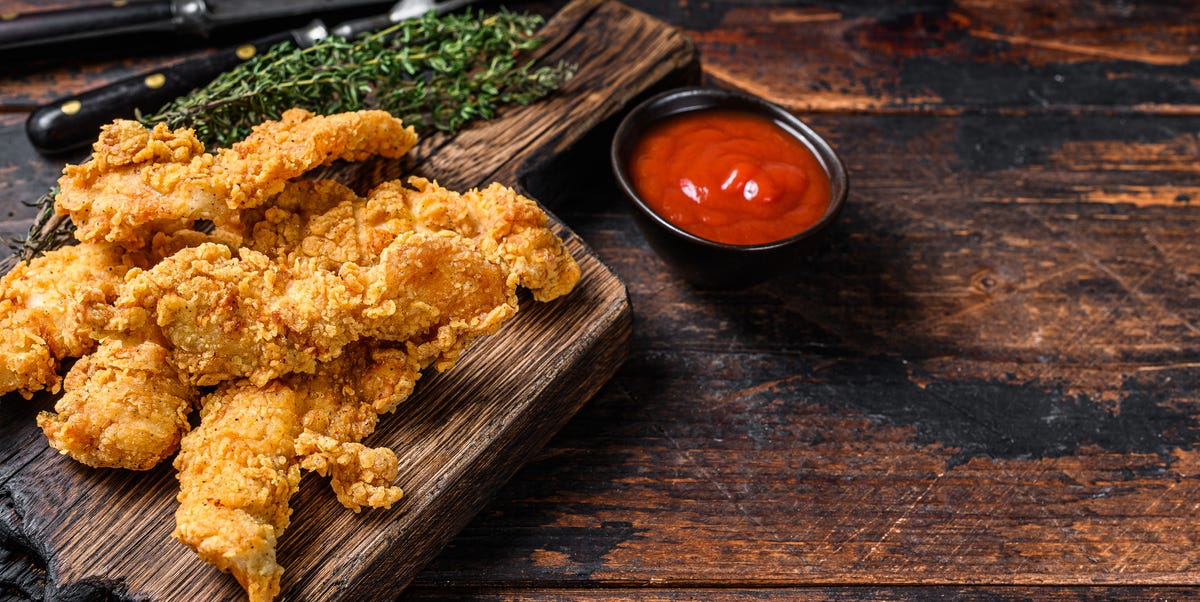
More than 60,000 pounds of fully cooked chicken have been recalled after a labeling mistake left soy off the ingredient declaration. For most people, that sentence sounds like another food-safety headline to scroll past between coffee sips. But for anyone with a soy allergy, it is not background noise. It is the difference between a quick meal and a potentially serious allergic reaction.
The recall involves approximately 62,550 pounds of fully cooked, bone-in breaded chicken products from Suzanna’s Kitchen, a Georgia-based establishment. The U.S. Department of Agriculture’s Food Safety and Inspection Service, commonly known as FSIS, announced the recall because the chicken contains soy, a known allergen, that was not declared on the product label. The recalled products were shipped to restaurant locations nationwide, which means consumers are unlikely to find the exact cases sitting in their home freezers. Still, the recall matters because restaurants, cafeterias, caterers, and foodservice operators may have had the product in storage.
In plain English: the chicken itself may look perfectly normal, smell perfectly normal, and taste perfectly normal. The problem is not spoilage. The problem is what the label failed to say. For people who must avoid soy, that small omission can carry big consequences. Food labels are not decoration; they are the tiny legal billboards that help allergic diners stay safe.
What Chicken Products Were Recalled?
The recall applies to 18-pound cases containing four units labeled “FULLY COOKED BREADED CHICKEN PORTIONS.” The affected product is described as fully cooked, bone-in, breaded chicken portions. According to updated recall information, the chicken portions were produced on November 4, 2025. The case code listed in public recall notices is “P-1380 126237 B30851 23:11 K04.”
The recalled cases bear the USDA mark of inspection and establishment number P-1380 on the package. The product was distributed to restaurants across the United States rather than sold directly in typical retail grocery packaging. That detail is important because a home shopper may not see the brand name or case code on a consumer-size package. Instead, the recall is aimed heavily at commercial kitchens that may still have the cases in refrigerators or freezers.
FSIS stated that the issue was discovered after the company identified chicken containing soy that had been mislabeled with a product code associated with a non-allergen product. In other words, this was not a mystery contaminant sneaking through the back door wearing sunglasses. It was a labeling and product-code mistake, the kind of operational hiccup that can become serious when allergens are involved.
Why an Undeclared Soy Allergen Is a Big Deal
Soy is one of the major food allergens recognized under U.S. food allergen labeling rules. For people without a soy allergy, the recall may sound less dramatic than a recall involving Salmonella, Listeria, or foreign objects. But allergen recalls are serious because the danger depends on the person eating the food, not on whether the food appears spoiled.
A person with a soy allergy may react after eating a product that contains soy protein. Symptoms can range from mild discomfort to severe reactions. Possible signs may include hives, rash, itching, swelling of the lips or face, vomiting, diarrhea, coughing, wheezing, dizziness, throat tightness, or trouble breathing. In severe cases, a food allergy can trigger anaphylaxis, a life-threatening allergic reaction that requires immediate medical attention.
This is why “undeclared allergen” is one of the most important phrases in food safety. It does not mean “the food is suspicious.” It means “the label did not tell the whole truth.” And when people rely on labels to avoid allergens, incomplete information can put them at risk.
Was Anyone Sickened by the Recalled Chicken?
At the time of the public recall information, there were no confirmed reports of adverse reactions linked to eating the recalled chicken. That is good news, but it does not make the recall unimportant. Food recalls are often preventive. The goal is to remove the product from service before someone gets hurt.
FSIS expressed concern that some recalled chicken could still be in restaurant refrigerators or freezers. Fully cooked frozen products can remain in commercial storage for a while, especially in high-volume kitchens where cases are rotated in bulk. A box may be out of sight, but that does not mean it is out of the food system. Anyone who has ever found a bag of mystery vegetables in the back of a freezer understands the concept. Now imagine that freezer is restaurant-sized.
What Restaurants and Foodservice Operators Should Do
Restaurants, cafeterias, caterers, schools, hotels, and other foodservice operators should check their inventory for the affected product. The identifying details matter: product name, case size, establishment number, and case code should all match the recall information. Food recalls are specific, so a similar chicken product is not automatically included unless the recall details match.
If the recalled product is found, it should not be served. FSIS guidance generally urges establishments to discard affected items or otherwise follow recall instructions. For allergen recalls, kitchens should also consider where the product was stored, prepared, plated, or held. If it contacted trays, utensils, counters, pans, fry baskets, gloves, or holding equipment, those surfaces should be washed and sanitized according to food-safety procedures.
For restaurants, the recall is also a reminder to train staff on allergen communication. If a guest asks whether a breaded chicken dish contains soy, a confident but wrong answer can be dangerous. The safest response comes from verified ingredient information, not from guessing because “it is just chicken.” Breaded foods often contain soy, wheat, milk, or other allergen sources through coatings, batters, binders, seasonings, oils, sauces, or processing aids.
What Consumers Should Know
Because the recalled chicken was shipped to restaurants nationwide, most consumers will not be able to check a retail package in their kitchen. Still, people with soy allergies should remain alert, especially when ordering breaded chicken, fried chicken, chicken portions, chicken baskets, or similar menu items from restaurants. When in doubt, ask the restaurant whether it has checked current recall notices and whether the chicken contains soy.
That may sound awkward, but it is a reasonable question. People ask restaurants to hold onions, remove pickles, and put dressing on the side every day. Asking about an allergen is not being difficult; it is basic self-protection. A polite script works well: “I have a soy allergy. Can you confirm whether the breaded chicken contains soy or is affected by any recall?” Clear beats clever when health is on the line.
If you believe you ate the recalled chicken and you have a soy allergy, monitor for symptoms. If symptoms such as swelling, trouble breathing, dizziness, throat tightness, or widespread hives occur, seek emergency medical care. Anyone with a known severe food allergy should follow their healthcare provider’s allergy action plan.
How This Recall Happened
The recall was tied to misbranding and an undeclared allergen. Misbranding means the product label or code did not accurately represent the product. In this case, soy was present but not declared. The company notified FSIS after identifying that a soy-containing chicken product had been mislabeled with a non-allergen product code.
Food manufacturing depends on a chain of checks: ingredient sourcing, batching, packaging, label approval, product coding, allergen controls, quality assurance, shipping documentation, and inventory tracking. Most of the time, this system works quietly in the background. Nobody thanks a label when it does its job. But when one piece of the system slips, a recall can follow.
Undeclared allergen recalls are often caused by label mix-ups, wrong packaging, formula changes, supplier changes, production-line errors, or incomplete ingredient declarations. A product may be safe for the general public but unsafe for a specific allergic population. That is why allergen management is a major part of modern food safety.
Why Breaded Chicken Can Hide Allergens
Chicken sounds simple. Breaded chicken is not. Once breading enters the picture, the ingredient list can become a small novel with a crunchy cover. Breaded poultry may include wheat flour, soybean oil, soy protein, milk ingredients, eggs, starches, flavorings, seasonings, anti-caking agents, and other processing ingredients. Sauces and marinades can add even more complexity.
That does not mean breaded chicken is unsafe. It means labels and supplier documentation must be accurate. Restaurants that buy bulk fully cooked chicken rely on the supplier’s case labels and specification sheets. If those documents are wrong, the restaurant may unknowingly pass along incorrect allergen information to customers.
For diners with allergies, breaded foods deserve extra caution. Fryers may be shared. Coatings may change. Suppliers may switch. A menu description like “crispy chicken” tells you almost nothing about allergens. Crispy is a texture, not a legally binding ingredient statement. Delicious, yes. Sufficiently informative, no.
The Bigger Food Safety Lesson
This chicken recall is part of a broader food-safety reality: allergen labeling is not a minor clerical task. It is a public health tool. The FDA recognizes milk, eggs, fish, crustacean shellfish, tree nuts, peanuts, wheat, soybeans, and sesame as major food allergens. These allergens must be handled with special care because they account for many serious food-allergy reactions in the United States.
FoodSafety.gov advises consumers to compare recall details carefully because recalls apply only when identifying information matches. That point is especially important in foodservice recalls. A consumer may hear “chicken recalled” and worry about every chicken sandwich in America. The better response is more precise: What brand? What case? What code? What establishment number? What production date? Food safety loves details, even if details do not make flashy headlines.
For businesses, this recall reinforces the need for strong allergen controls. A good allergen program includes accurate labels, employee training, supplier verification, production scheduling, equipment cleaning, line clearance, packaging checks, and recall readiness. That may sound like a lot, because it is. But it is far less expensive than a national recall, brand damage, and the possibility of harming a customer.
How to Read Food Recall Notices Without Panicking
Food recall notices can feel intimidating because they are packed with dates, codes, establishment numbers, and official language. The trick is to read them like a checklist, not like a horror story.
1. Identify the product name
Start with the exact product name. In this case, the recalled item is labeled “FULLY COOKED BREADED CHICKEN PORTIONS.” Similar chicken items are not automatically affected unless they match the recall details.
2. Check the size and packaging
This recall involves 18-pound cases containing four units. That points strongly toward foodservice distribution, not a small package sold in the frozen aisle.
3. Match the establishment number
The affected product bears establishment number P-1380. USDA establishment numbers help trace meat, poultry, and egg products back to inspected facilities.
4. Match the case code
The case code is one of the most specific identifiers. For this recall, the public notices list “P-1380 126237 B30851 23:11 K04.” If a product does not match the identifying information, it may not be part of the recall.
5. Follow the instructions
Do not taste a recalled product to “check if it is fine.” Your taste buds are talented, but they are not a laboratory. If the recall applies, remove the product from service, return it, or discard it according to the notice.
What This Means for People With Soy Allergies
For people with soy allergies, this recall is a reminder that restaurant meals require careful communication. Soy can appear in obvious foods like tofu, soy sauce, and edamame, but it can also show up in breaded products, processed meats, sauces, flavorings, and cooking oils. The challenge is not only avoiding soy; it is identifying where soy may be hiding.
When dining out, people with soy allergies can reduce risk by asking specific questions. Instead of asking, “Is this safe?” ask, “Does the breading, marinade, seasoning, sauce, or fryer oil contain soy?” Also ask whether the restaurant uses supplier allergen sheets. A restaurant that can check documentation is usually in a better position than one relying on memory.
It is also wise to be cautious with menu substitutions. A kitchen may replace one chicken product with another when supply changes. That replacement may have different ingredients. The same menu item can quietly change behind the scenes, which is why allergy questions should be asked each time, not just once a year and then stored in the mental filing cabinet labeled “probably fine.”
Conclusion: A Recall Worth Taking Seriously
The recall of more than 60,000 pounds of fully cooked breaded chicken over undeclared soy is not a reason for everyone to panic. It is a reason for restaurants and foodservice operators to check inventory carefully, remove affected cases, and communicate clearly with staff and customers. It is also a useful reminder that food labels are not paperwork for paperwork’s sake. They protect real people.
For consumers, especially those with soy allergies, the practical takeaway is simple: ask questions when eating breaded chicken outside the home, pay attention to recall alerts, and seek medical help if allergic symptoms occur after eating a questionable product. For restaurants, the takeaway is even simpler: check the freezer before the fryer gets involved.
Food safety is not always glamorous. Sometimes it is a case code, a corrected production date, and a label that should have mentioned soy. But when that information prevents an allergic reaction, it is doing exactly what it is supposed to do.
Real-World Experiences and Practical Lessons From This Chicken Recall
Food recalls often sound distant until they collide with everyday life. Imagine a parent ordering breaded chicken for a child with a soy allergy after confirming, as carefully as possible, that the meal seems safe. The chicken arrives hot, crispy, and completely ordinary. Nothing about it waves a tiny red flag. That is exactly why undeclared allergen recalls feel different from some other food-safety issues. You cannot smell undeclared soy. You cannot see it tucked inside the coating. You cannot scrape it off with a fork and optimism.
For restaurant managers, a recall like this can turn into a fast-moving operational test. Someone has to check inventory, compare case codes, pull affected boxes, document the action, notify staff, and make sure the product does not accidentally re-enter service during a busy lunch rush. In a perfect world, every case is neatly rotated and every label faces forward like it is posing for a yearbook photo. In the real world, freezers are cold, crowded, and occasionally ruled by chaos. That is why recall drills and inventory systems matter.
For servers and front-of-house staff, the lesson is communication. A guest with a food allergy is not asking questions to slow down the kitchen. They are trying to eat safely. A good response is not “I think it is fine.” A good response is “Let me verify that with the kitchen and our allergen information.” That extra minute can build trust and may prevent a medical emergency. It is customer service with actual stakes.
For diners, this recall is a reminder to be specific and calm. Saying “I have a soy allergy” is helpful, but it may not be enough. Better questions include: “Is the chicken breaded in-house or purchased pre-breaded?” “Does the coating contain soy?” “Is the allergen sheet current?” “Has the restaurant checked recent recall notices?” These questions may feel overly detailed, but details are the seat belt of allergy safety. You hope you will not need them, but you are glad they are there.
At home, the experience is different because this recall appears focused on foodservice cases. Still, families managing allergies can use the news as a teaching moment. Keep a habit of reading labels every time, even for familiar foods. Ingredient lists can change. Package designs can change. Suppliers can change. The snack or frozen meal that was safe last month may not be identical today. Brand loyalty is nice, but label loyalty is safer.
The most important experience-based takeaway is that food safety is a shared system. Manufacturers must label accurately. Regulators must alert the public. Restaurants must check inventory. Staff must communicate clearly. Consumers must speak up about allergies. When one piece fails, the others become even more important. This chicken recall may be about soy hidden in breaded poultry, but the bigger lesson is universal: when it comes to allergens, “probably” is not good enough. Accurate information is the main ingredient.
Note: This article is written for informational publishing purposes and is based on public recall information and general food-allergy safety guidance. It is not a substitute for medical advice. Anyone experiencing symptoms of a serious allergic reaction should seek emergency medical care immediately.











