
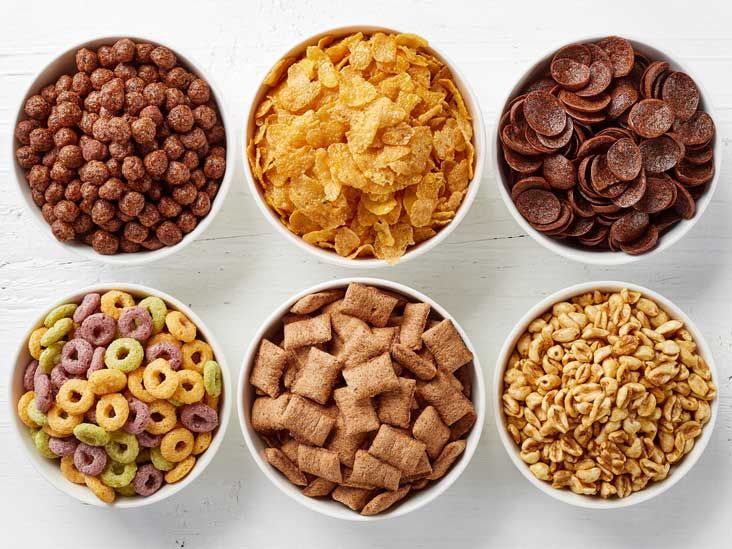
High-fructose corn syrup has a way of sneaking into the American pantry like a raccoon in a picnic basket: quietly, confidently, and usually near the soda. You can find it in soft drinks, fruit-flavored beverages, sweetened cereals, packaged desserts, sauces, salad dressings, snack bars, and even foods that wear a tiny “healthy” halo on the front of the package.
So, is high-fructose corn syrup uniquely evil? Not exactly. It is still an added sugar, and table sugar is not exactly wearing a superhero cape either. The bigger issue is that high-fructose corn syrup, often shortened to HFCS, makes it very easy to consume large amounts of added sugar without feeling full. That matters because too much added sugar is linked with weight gain, fatty liver, insulin resistance, type 2 diabetes, heart disease risk, tooth decay, and poor overall diet quality.
Let’s unpack what HFCS is, where it hides, and the six biggest reasons why eating too much of it can work against your health.
What Is High-Fructose Corn Syrup?
High-fructose corn syrup is a sweetener made from corn starch. Food manufacturers use enzymes to convert some of the glucose in corn syrup into fructose, creating a sweeter liquid sweetener that blends easily into processed foods and drinks. The most common forms are HFCS 42, which is often used in baked goods and processed foods, and HFCS 55, which is commonly used in soft drinks.
Despite the name, HFCS is not “mostly fructose.” It typically contains a mix of fructose and glucose, similar in some ways to table sugar. The problem is not that one spoonful instantly ruins your life. The problem is frequency, portion size, and the foods that usually carry it. HFCS often shows up in ultra-processed foods that are easy to overeat and low in fiber, protein, vitamins, and minerals.
1. It Can Add a Lot of Empty Calories
One of the clearest reasons high-fructose corn syrup is bad for you is that it adds calories without adding meaningful nutrition. Your body needs calories, of course. Calories are not villains. But when calories come from added sugar instead of nutrient-rich foods, your diet can become crowded with sweetness and short on the good stuff: fiber, protein, healthy fats, potassium, magnesium, calcium, and vitamins.
A 20-ounce bottle of soda can contain a large dose of added sugar, often in the form of HFCS. The issue is not just the sugar itself; it is how quickly it goes down. Drinking calories is very different from eating a balanced meal. A soda does not require chewing, does not provide fiber, and does not keep you full the way eggs, oatmeal, beans, yogurt, fruit, nuts, or a turkey sandwich might.
That is why sugary drinks are one of the biggest concerns. You can drink hundreds of calories in a few minutes and still feel ready for lunch. Your stomach basically says, “Nice beverage. What’s for food?” Over time, this pattern can lead to an energy surplus, which contributes to weight gain.
Common HFCS Sources That Add Calories Fast
HFCS is often found in regular soda, sweet tea, fruit punch, sports drinks, flavored coffee drinks, packaged pastries, candy, sweetened cereal, barbecue sauce, ketchup, jams, flavored yogurts, and some breads. These foods can fit into a diet occasionally, but when they become daily staples, added sugar starts running the show.
2. It May Promote Fat Buildup in the Liver
Your liver handles fructose differently from glucose. While many cells in the body can use glucose directly, fructose is processed mainly in the liver. When large amounts of fructose arrive regularly, the liver can convert some of it into fat through a process called de novo lipogenesis. That sounds like a spell from a wizard book, but it simply means “making new fat.”
This is one reason researchers pay close attention to high intake of fructose-containing sweeteners, including HFCS and sucrose. Too much added fructose may contribute to fat accumulation in the liver, which is associated with metabolic dysfunction-associated steatotic liver disease, often called fatty liver disease.
Fatty liver is not just a liver problem. It is closely tied to insulin resistance, high triglycerides, abdominal weight gain, and other metabolic issues. Your liver is like your body’s chemical processing plant. When it gets overloaded with sugary drinks and processed snacks every day, the factory can get backed up.
Why Drinks Are Especially Concerning
HFCS-sweetened beverages are a major concern because they deliver sugar quickly and in large quantities. Whole fruit also contains fructose, but it comes with fiber, water, antioxidants, and chewing. An apple arrives with a “slow down” sign. A soft drink arrives with roller skates.
3. It Can Increase the Risk of Insulin Resistance
Insulin is a hormone that helps move sugar from the bloodstream into cells, where it can be used for energy. When the body becomes less responsive to insulin, the pancreas has to work harder to keep blood sugar in a healthy range. This condition is known as insulin resistance, and it is a major step on the road toward type 2 diabetes.
A diet high in added sugars, especially from sugary drinks and ultra-processed foods, can contribute to insulin resistance over time. High-fructose corn syrup can play a role because it is commonly consumed in forms that are easy to overdo. The combination of excess calories, liver fat, inflammation, and weight gain can make blood sugar regulation more difficult.
This does not mean one cookie causes diabetes. Health is never that dramatic, unless your cookie is the size of a throw pillow. But consistently high added sugar intake can push the body in the wrong direction, especially when paired with low physical activity, poor sleep, chronic stress, and a low-fiber diet.
Blood Sugar Balance Needs More Than Willpower
Many people blame themselves for cravings, but the modern food environment is designed to make sweet foods easy, cheap, and everywhere. Cutting back on HFCS is not about being perfect. It is about giving your body fewer sugar spikes and more steady fuel from whole foods.
4. It May Harm Heart Health
Heart health is another major reason to limit high-fructose corn syrup. Diets high in added sugar are associated with higher triglycerides, unhealthy cholesterol patterns, increased blood pressure, inflammation, and greater risk of cardiovascular disease. HFCS is not the only added sugar involved, but because it is widely used in sweetened drinks and processed foods, it can be a major contributor.
Triglycerides are a type of fat in the blood. When you consume excess sugar, especially in liquid form, the liver may turn some of that sugar into triglycerides. High triglyceride levels can contribute to plaque buildup in arteries and increase cardiovascular risk.
Think of your bloodstream as a busy highway. Your body can handle normal traffic. But when sugary drinks, desserts, and sweet snacks keep merging onto the road all day, things get congested. Over time, that metabolic traffic jam can affect blood vessels, cholesterol, and heart function.
The “Low-Fat” Trap
Some processed foods marketed as low-fat or light contain added sugars to improve taste. That means a product can look heart-smart on the front label while sneaking in HFCS or other sweeteners on the ingredient list. The Nutrition Facts label and ingredient list tell the real story.
5. It Can Contribute to Tooth Decay
Your teeth are not thrilled about high-fructose corn syrup either. Bacteria in the mouth feed on sugars and produce acids that attack tooth enamel. Over time, frequent exposure to sugary foods and drinks increases the risk of cavities and tooth decay.
Sugary beverages are especially tricky because people often sip them over a long period. A soda with lunch is one thing; nursing a sweet drink for three hours gives mouth bacteria an extended buffet. They do not even leave a tip.
Acidic drinks such as soda can also weaken enamel. When sugar and acid team up, your teeth face a double challenge: bacteria get fuel, and enamel gets softened. Brushing helps, but the best strategy is reducing frequent sugar exposure in the first place.
Better Choices for Your Teeth
Water, unsweetened tea, plain sparkling water, and milk are better everyday choices. If you do drink something sweet, having it with a meal and rinsing with water afterward can help reduce the time sugar sits on your teeth.
6. It Hides in Foods and Makes Healthy Eating Harder
One of the most annoying things about high-fructose corn syrup is how well it hides. You expect it in soda and candy. Fine. No one opens a can of cola expecting a kale salad. But HFCS can also appear in hamburger buns, breakfast bars, crackers, sauces, condiments, canned fruit, flavored oatmeal, and “fruit” snacks that contain more corn syrup than fruit.
This matters because hidden added sugars can quietly increase your daily intake. You might skip dessert and still consume plenty of added sugar through drinks, sauces, and packaged foods. That is how HFCS turns into the ninja of the grocery aisle.
Another issue is that sweet processed foods can train your taste buds to expect intense sweetness. The more often you eat very sweet foods, the less satisfying naturally sweet foods may seem. A peach starts looking boring next to a neon-blue drink that tastes like a melted carnival. But when you gradually cut back, your taste buds can adjust. Fruit becomes sweeter, plain yogurt becomes less tragic, and water stops feeling like a punishment.
How to Spot HFCS on Labels
Look for “high-fructose corn syrup” in the ingredient list. Also watch for related added sugars such as corn syrup, cane sugar, brown rice syrup, malt syrup, dextrose, fructose, glucose, sucrose, fruit juice concentrate, and agave nectar. The Nutrition Facts label also shows “Added Sugars,” which is one of the easiest ways to compare products.
Is High-Fructose Corn Syrup Worse Than Sugar?
The honest answer is: it depends on the amount and the food source. HFCS and table sugar both contain fructose and glucose. Both can contribute to health problems when consumed in excess. The practical concern is that HFCS is common in cheap, highly palatable processed foods and beverages that are easy to consume in large amounts.
So, instead of asking whether HFCS or table sugar is the bigger villain, ask a better question: “How much added sugar am I getting, and where is it coming from?” If most of it comes from soda, sweet tea, candy, pastries, and packaged snacks, your body probably does not care whether the sweetener wore a corn syrup name tag or a cane sugar name tag. It still adds up.
How Much Added Sugar Is Too Much?
For many adults, the goal is to keep added sugars under 10% of daily calories. On a 2,000-calorie diet, that equals no more than 200 calories from added sugar, or about 50 grams. Some heart-health recommendations are stricter, especially for people trying to lower cardiometabolic risk.
The easiest way to cut back is not to obsess over every gram. Start with the big sources. Sugary drinks are usually the lowest-hanging fruit. Replace soda, sweet tea, fruit punch, and energy drinks with water, unsweetened tea, or sparkling water. Then check breakfast foods, snacks, sauces, and desserts.
Simple Swaps to Reduce HFCS
- Choose water or unsweetened tea instead of soda.
- Pick plain yogurt and add berries or cinnamon.
- Use mustard, salsa, or homemade dressings instead of sweet sauces.
- Choose whole fruit instead of fruit snacks or fruit punch.
- Buy cereals with lower added sugar and higher fiber.
- Read labels on bread, condiments, granola bars, and packaged snacks.
- Keep sweet treats occasional instead of automatic.
Experience Notes: What Cutting Back on HFCS Really Feels Like
Cutting back on high-fructose corn syrup sounds simple until you actually try it. At first, it can feel like HFCS is hiding everywhere, wearing a tiny disguise and whispering, “You’ll never find me.” You check soda, and there it is. You check barbecue sauce, and there it is again. You check a snack bar with a mountain climber on the wrapper, and somehow the mountain climber has brought corn syrup.
The first noticeable change often comes from drinks. People who swap soda or sweet tea for water, unsweetened tea, or sparkling water may realize how much sugar they were drinking without thinking about it. The first few days can feel boring, especially if your taste buds are used to intense sweetness. Water may seem like a very responsible but dull coworker. Then, slowly, things shift. Lemon water tastes brighter. Unsweetened iced tea tastes cleaner. A cold sparkling water starts feeling like a treat instead of a compromise.
Another real-world experience is the breakfast surprise. Many people assume dessert is the main sugar problem, but breakfast can be a sugar parade in pajamas. Sweetened cereal, flavored yogurt, toaster pastries, bottled coffee drinks, and granola bars can turn the first meal of the day into a dessert buffet with better branding. Switching to eggs, oatmeal with fruit, plain Greek yogurt, whole-grain toast, or a smoothie without added sweeteners can make mornings feel steadier. Instead of the quick energy spike and crash, there is often a more even rhythm.
Shopping also changes. At first, reading labels is annoying. Nobody dreams of standing in aisle seven comparing added sugar grams while a freezer hums dramatically nearby. But after a while, it becomes automatic. You start recognizing which brands use HFCS, which sauces are sugar bombs, and which products taste good without being syrup delivery vehicles.
Cravings may also change. This is not magic, and it is not instant. But when you reduce very sweet processed foods, your taste buds can become more sensitive to natural sweetness. Berries taste sweeter. Apples taste brighter. Even roasted sweet potatoes can feel dessert-adjacent. That is a nice upgrade because whole foods bring fiber, water, minerals, and antioxidants along with their sweetness.
The most practical lesson is that cutting back works best when it is realistic. You do not need to declare war on every molecule of sugar. That usually leads to frustration and a dramatic reunion with cookies. A better approach is to remove the everyday sources first. Keep treats intentional. Choose smaller portions. Drink fewer sweetened beverages. Build meals around protein, fiber, and whole foods. In everyday life, progress beats perfectionand it is much less exhausting.
Conclusion
High-fructose corn syrup is bad for you mainly because it is a concentrated added sugar that is easy to overconsume, especially in sugary drinks and ultra-processed foods. It can add empty calories, contribute to weight gain, promote liver fat, worsen insulin resistance, increase heart health risks, damage teeth, and make it harder to build a nutrient-rich diet.
The goal is not to panic over one condiment packet or one slice of birthday cake. The goal is to reduce the routine, daily sources of HFCS and added sugar. Start with beverages, read labels, choose more whole foods, and let your taste buds remember that food does not need to taste like a carnival snow cone to be enjoyable.
Note: This article is for general educational purposes and is based on current U.S. public-health, nutrition, clinical, and academic research guidance. It is not a substitute for personal medical advice from a qualified healthcare professional.












