
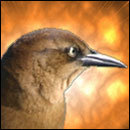
A sidewalk full of dead birds is one of those sights that instantly makes the human brain reach for the most dramatic explanation available. Alien signal? Government experiment? Volcano under the birdbath? The opening scene of a disaster movie where one scientist notices the problem, everyone ignores her, and then Los Angeles gets swallowed by fog?
The truth is usually less cinematic, but not less serious. Bird die-offs can happen for many reasons: disease, storms, window collisions, contaminated food or water, toxins, habitat stress, and the invisible obstacle course humans have built across migration routes. Sometimes a few birds die in one place. Sometimes thousands are affected across a region. Either way, dead birds are not random props dropped by the universe for dramatic lighting. They are ecological clues.
This article breaks down six “disaster movie explanations” for dead birds while keeping one foot firmly planted in real science. Think of it as Hollywood meets wildlife biology: fewer explosions, more migration, and a surprisingly important role for office towers, backyard feeders, and warm ponds that should never have become bird soup.
1. The Invisible Plague: Avian Influenza and Other Bird Diseases
In a movie, the first clue is always a flock dropping from the sky while the soundtrack whispers, “Something has escaped the lab.” In real life, one major suspect is often disease, especially highly pathogenic avian influenza, commonly called bird flu.
Wild water birds can carry avian influenza viruses, and some strains spread through saliva, mucus, feces, contaminated surfaces, and close contact among birds. Many wild birds may move viruses across long distances during migration. Poultry farms, wetlands, lakes, shorelines, and roosting areas can all become part of the same complicated disease map.
Bird flu is not the only disease that can produce dead birds. Avian cholera, salmonellosis, West Nile virus, and other infections can also cause mortality events, depending on the species, season, and location. Disease tends to move fastest when birds gather in large numbers, especially around water, feeders, nesting colonies, or migration stopovers. Basically, if birds are having a crowded airport experience, germs may be boarding too.
What makes this explanation believable?
Clusters matter. One dead bird may be an unfortunate individual event. Several dead waterfowl, raptors, gulls, or shorebirds in the same area may suggest a disease investigation is needed. Sudden deaths, weakness, unusual behavior, or multiple species affected can also raise concern.
The practical rule is simple: do not handle sick or dead wild birds with bare hands. Keep pets away, avoid contact with fluids or droppings, and report unusual findings to local wildlife officials, animal health authorities, or a state natural resources agency. That is not paranoia. That is basic “let’s not become a side character in the outbreak chapter” wisdom.
2. The Poisoned Wetland: Avian Botulism and Bad Water Conditions
The poisoned swamp is a classic disaster setting: bubbles rising, reeds bending, mysterious silence. In the real world, avian botulism can make wetlands, ponds, and lakes dangerous for birds under the right conditions.
Avian botulism is caused by toxins produced by bacteria commonly found in soil and aquatic environments. Warm temperatures, low oxygen, decaying organic material, and stagnant water can create conditions where the toxin becomes a problem. Birds may be exposed by feeding on contaminated invertebrates, decaying matter, or prey. Waterfowl and shorebirds are often associated with botulism events, but different bird groups can be affected depending on the site.
This is where the disaster movie version gets weirdly accurate: the danger is not always a single villain. It is a chain reaction. Hot weather warms shallow water. Organic matter decomposes. Invertebrates concentrate toxins. Birds eat them. Scavengers or maggots can continue the cycle. The plot is gross enough for cinema, but the science is real.
Why does botulism create mass die-offs?
Botulism does not need to chase birds. It waits in the environment when conditions line up. A pond that looks peaceful in July can become a biological trap if heat, low water levels, and decay combine. Climate stress may make these conditions more common in some places by increasing heat waves, drought pressure, and water-quality problems.
Cleanup and monitoring can reduce repeated exposure, especially in managed wetlands. For homeowners, the lesson is smaller but useful: stagnant birdbaths, dirty feeders, and neglected water features can become health hazards. Birds appreciate hospitality, but they are not asking for a bacteria buffet.
3. The Glass City Trap: Window Collisions and Night Lights
Imagine a disaster movie where the monster is a reflective office building. It sounds like the least exciting villain ever until migration season arrives. Then it becomes terrifyingly effective.
Window collisions are one of the most significant human-related causes of bird deaths in North America. Birds do not understand glass the way humans do. During the day, a window may reflect trees, sky, or open space. A bird sees habitat and flies toward it. At night, artificial lights can attract and disorient migrating birds, especially during cloudy, foggy, or rainy conditions. Birds may circle illuminated buildings, burn energy, become confused, and collide with glass or nearby structures.
This is not only a skyscraper problem. Homes, schools, bus shelters, glass railings, and low-rise buildings can all be dangerous. A tiny cottage window reflecting a perfect shrub can be just as convincing to a sparrow as a mirrored tower is to a warbler.
Why do dead birds appear suddenly after migration nights?
Many songbirds migrate at night. When weather pushes them lower and city lights pull them into urban areas, the risk rises. That is why large collision events often appear in the morning: people wake up to birds around buildings, sidewalks, courtyards, or stadiums and assume something bizarre happened overnight. Something did happen, but it was not a portal. It was navigation meeting architecture.
The good news is that this problem is highly preventable. Turning off unnecessary lights during peak migration, using motion sensors, closing curtains, and applying visible patterns or films to windows can help. “Lights Out” programs exist because one of the easiest bird-saving tools is also the easiest energy-saving tool: the off switch. Very glamorous. Very effective.
4. The Sky Attacks: Storms, Hail, Heat, and Weather Shock
In disaster movies, the weather never simply rains. It rains sideways, the clouds turn green, and someone says, “I’ve never seen pressure drop like this.” Birds, unfortunately, really do face deadly weather extremes.
Severe storms can kill birds directly through high winds, hail, lightning, flooding, nest destruction, and sudden temperature swings. Hail can be especially dangerous when it strikes roosting flocks, nesting colonies, or wetlands where birds have little shelter. Young birds in nests are vulnerable to wind and heavy rain. Migrating birds may be forced off course, pushed over open water, or exhausted by headwinds.
Heat can also be a killer. Birds regulate body temperature through behavior, shade, panting-like breathing, and access to water. Extreme heat can stress adults, nestlings, and eggs. Drought may reduce insects, seeds, and wetland habitat. Cold snaps after early warm spells can catch migrating birds at the worst possible time, especially when food is suddenly unavailable.
How does weather create a “mystery” die-off?
Timing is everything. If a strong storm passes overnight, people may find dead birds the next morning and think the event came out of nowhere. In reality, the cause may have been a brutal few minutes of hail, a violent downdraft, or a cold front that hit during migration. Birds are built for remarkable journeys, but they are still small animals moving through a very large atmosphere with no hotel points.
Climate change can intensify some stressors by altering heat patterns, storms, drought, wildfire smoke, food availability, and seasonal timing. It may not explain every dead bird on a driveway, but it changes the background conditions birds must survive.
5. The Toxic Buffet: Pesticides, Rodenticides, Lead, and Contaminated Food
Here is the disaster movie with the most boring-looking villain: a bait station, a treated field, or a contaminated food chain. No glowing green barrel required.
Birds can be poisoned directly or indirectly. Direct exposure may happen when birds eat pesticide-treated seeds, contaminated insects, or toxic bait. Indirect exposure can occur when predators or scavengers eat poisoned prey. Raptors such as hawks, owls, eagles, and vultures are especially vulnerable to secondary poisoning because they sit higher in the food web. They do not read the tiny warning labels on poisoned rodents, which is rude of nature but predictable.
Rodenticides can be particularly concerning because poisoned rodents may remain alive long enough to be caught by birds of prey. Lead is another problem in certain contexts, especially when scavengers consume fragments from ammunition or fishing tackle. Oil spills, industrial contaminants, algal toxins, and polluted runoff can also harm birds depending on the environment.
Why toxins are hard to spot
Poisoning does not always leave obvious clues. A bird may die far from the place where exposure occurred. A raptor may be affected by a rodent that was exposed somewhere else. Water contamination may move through insects, fish, or shellfish before birds show symptoms. By the time humans notice dead birds, the trail may already be cold.
This is why wildlife agencies often rely on necropsy, lab testing, location data, and reports from the public. If multiple birds are found dead near treated areas, waterways, farms, roadsides, or industrial sites, reporting can help experts determine whether a larger environmental problem exists.
6. The Slow Apocalypse: Habitat Loss, Food Shortages, and Migration Stress
Some disasters do not arrive with sirens. They arrive as fewer insects, fewer wetlands, fewer native plants, fewer safe nesting sites, and more obstacles between wintering grounds and breeding grounds. This is the slow apocalypse explanation.
Habitat loss is one of the biggest long-term threats to birds. When forests, grasslands, wetlands, beaches, and shrublands disappear or degrade, birds lose places to feed, rest, nest, and hide from predators. Migration becomes harder when stopover habitats vanish. Nesting becomes riskier when food is scarce. Young birds may fledge into landscapes that no longer support them.
Food-web disruption can also produce dramatic results. Marine heatwaves, for example, can alter ocean conditions and reduce the quality or availability of prey for seabirds. When forage fish decline or move, seabirds may starve even when the ocean looks normal from the beach. The horror is invisible until bodies wash ashore.
Why this explanation matters most
Disease, storms, collisions, and toxins can cause sudden deaths. Habitat loss and food stress decide how resilient bird populations are when those sudden events happen. A healthy bird population with abundant habitat may recover from a bad year. A stressed population already weakened by poor breeding success, long migration routes, and shrinking food supplies may not bounce back as easily.
That is why “all these dead birds” should not be treated as one mystery with one answer. Sometimes it is a disease event. Sometimes it is a glass building. Sometimes it is a toxic wetland. Sometimes it is a heat-changed ocean. Often, it is several problems stacking together like a terrible ecological sandwich.
What Should You Do If You Find Dead Birds?
First, do not panic. Second, do not pick them up with bare hands. Third, do not let pets investigate like tiny crime-scene detectives with no safety training.
If you find one dead bird, especially near a window, it may be a collision. If you find several dead birds, sick birds, waterfowl, raptors, or unusual numbers in one area, report it to your state wildlife agency, local health department, animal control office, or natural resources department. Follow local instructions for disposal or testing. Use gloves or a shovel only if officials advise you to move the bird, and wash hands thoroughly afterward.
You can also reduce risks around your home. Make windows safer with exterior decals, screens, netting, or visible patterns spaced closely enough for birds to recognize. Turn off unnecessary lights at night during migration seasons. Clean feeders and birdbaths regularly. Keep cats indoors or in a secure outdoor enclosure. Avoid broad pesticide use, plant native vegetation, and support habitat conservation in your community.
Experiences Related to “6 Disaster Movie Explanations For All These Dead Birds”
Anyone who pays attention to birds eventually has a moment that feels like the first act of an environmental thriller. Maybe it is a robin below a picture window. Maybe it is a stunned warbler outside an office building after a foggy spring night. Maybe it is a beach walk interrupted by dead seabirds along the tide line. The first reaction is usually emotional: shock, sadness, confusion, and a very human need to explain what happened.
One common experience is the window-strike discovery. A person hears a soft thud, checks the patio, and finds a bird lying beneath a glass door. The window looked harmless to everyone in the house, but to the bird it reflected a perfect escape route through trees and sky. After that, many people start noticing how many windows mirror the landscape. The solution can be surprisingly simple: patterned tape, bird-safe film, screens, or moving feeders either very close to the window or much farther away. The dramatic lesson is that a house does not have to look dangerous to be dangerous.
Another experience happens at backyard feeders. People put up feeders because they love birds, then feel alarmed when birds appear sick, fluffed up, or unusually tame. Feeders can help birds, but they can also gather many individuals in one place, which makes disease transmission easier if the feeder is dirty or overcrowded. Cleaning feeders, spacing them out, removing spoiled seed, and pausing feeding during local disease outbreaks can make a real difference. Backyard bird care is not just “fill tube with seed and enjoy adorable chaos.” It is small-scale wildlife management.
Coastal communities sometimes experience the seabird version of the mystery. Dead or starving birds may appear after marine heatwaves, storms, or food shortages offshore. To the casual observer, the beach may look peaceful. But under the surface, prey fish may have shifted, plankton patterns may have changed, or storms may have disrupted feeding. Seabirds are messengers from places most people never see. When they show up in trouble, they may be reporting a problem far beyond the shoreline.
City residents often experience dead birds during spring or fall migration. A downtown sidewalk that was normal yesterday may suddenly hold multiple warblers, thrushes, or sparrows. It feels eerie because it is concentrated and sudden. Yet the cause may be a combination of bright lights, low clouds, reflective glass, and millions of birds moving at night. This is where ordinary people can help immediately. Turning off unnecessary lights, supporting Lights Out policies, and asking building managers for bird-safe practices can turn a horror scene into a preventable maintenance issue.
Rural residents may connect dead birds with fields, ponds, barns, or rodent control. If owls or hawks are found dead near areas where rodenticides are used, secondary poisoning may be a concern. If waterfowl die around stagnant ponds during heat, botulism may be investigated. If poultry or wild birds show unusual illness, avian influenza may need to be ruled out. The experience can be unsettling, but reporting observations helps experts connect dots across a landscape.
The biggest experience, though, is a change in perspective. Dead birds are not just isolated tragedies. They are signals. They remind us that human choices shape bird survival every day: what we plant, what we spray, how we light buildings, whether cats roam, how we design windows, how we manage wetlands, and how seriously we take climate stress. The disaster movie version says, “The birds knew first.” The real-world version says, “The birds are telling us something. We should listen before the sequel.”
Conclusion: The Real Mystery Is Not Why Birds Die, But Whether We Pay Attention
Dead birds can look like an omen, but most explanations are grounded in biology, weather, architecture, toxic exposure, and environmental stress. Avian influenza can move through wild and domestic bird populations. Botulism can emerge in warm, stagnant water. Glass and artificial lights can turn cities into migration traps. Storms and heat can overwhelm even strong flyers. Pesticides and rodenticides can move through food chains. Habitat loss can weaken bird populations long before a visible crisis appears.
The good news is that many bird deaths are preventable. Cleaner feeders, safer windows, darker nights, indoor cats, reduced pesticide use, better wetland management, native plants, and faster reporting all help. We do not need to wait for a movie scientist with windblown hair to explain the obvious. The clues are already here, and the solutions are often practical enough to start today.
So the next time someone asks, “Why are there all these dead birds?” the answer is not “apocalypse” and not “nothing.” It is a serious question with multiple real explanations. Birds live at the intersection of sky, land, water, weather, and human decisions. When that intersection becomes dangerous, they show us first.
Note: This article is written for web publication in a science-informed, reader-friendly style. It summarizes real causes of bird mortality without encouraging direct handling of wildlife or unsafe investigation. For unusual bird die-offs, readers should contact local wildlife or public health authorities.











