
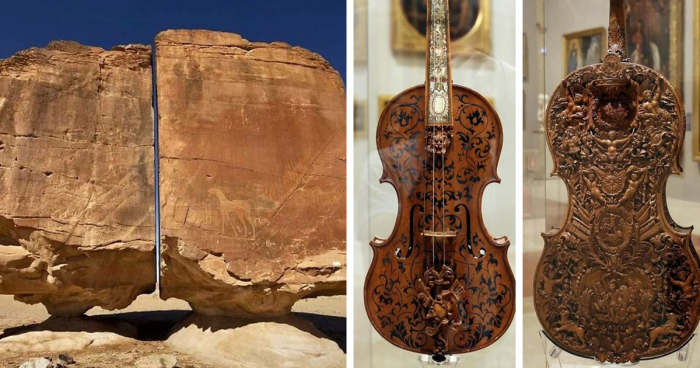
Some objects age like milk. Others age like legends. Across deserts, caves, shipwrecks, tombs, peat bogs, volcanic cities, and museum drawers, pieces of the past have somehow dodged fire, flood, war, weather, insects, thieves, and the occasional overexcited tourist with a selfie stick. These fascinating things from the past are more than “old stuff.” They are proof that human beings have always loved, built, cooked, played, prayed, decorated, argued, invented, and left crumbs behind for future generations to puzzle over.
What makes ancient artifacts so compelling is not only their age, but their stubborn survival. A clay tablet can outlast an empire. A bronze sword can sleep underground for 3,000 years and still look ready for battle. A painted mummy portrait can stare across centuries with an expression that seems to say, “Yes, I saw your modern shoes, and I have questions.” From prehistoric tools to medieval manuscripts, these historical objects help us see the past not as a dusty chapter, but as a crowded, noisy, creative world full of real people.
Why Surviving Historical Objects Matter
Archaeological treasures give us evidence that written history often forgets. Kings and battles fill textbooks, but everyday objects reveal how ordinary people lived. A comb tells us about grooming. A sandal tells us about travel. A dice tells us that even ancient people enjoyed games, luck, and probably blaming the dice when they lost. Preserved artifacts also show the power of environment. Dry deserts protect papyrus. Cold ice preserves bodies. Wet peat bogs tan skin like leather. Volcanic ash can freeze an entire city in time. In other words, history survives partly because nature is chaotic, dramatic, and occasionally an accidental archivist.
50 Fascinating Things From The Past That Survived
1. Pompeii’s Streets, Homes, and Wall Paintings
When Mount Vesuvius erupted in 79 CE, it destroyed Pompeii but also preserved it under layers of ash. Streets, bakeries, frescoes, graffiti, and household objects survived, giving modern visitors a strangely intimate look at Roman daily life.
2. The Dead Sea Scrolls
Found in caves near Qumran, the Dead Sea Scrolls include ancient Jewish manuscripts dating from roughly the third century BCE to the first century CE. Their survival in a dry desert environment changed the study of biblical and Second Temple history.
3. Egyptian Mummies
Ancient Egyptians developed elaborate mummification practices because they believed preservation mattered for the afterlife. Today, noninvasive scans allow researchers to study mummies without unwrapping them, which is excellent news for both science and the mummies’ dignity.
4. King Tutankhamun’s Treasures
Howard Carter’s 1922 discovery of Tutankhamun’s tomb revealed golden shrines, jewelry, furniture, chariots, and the famous burial mask. The tomb survived largely intact, offering one of the richest views of royal life in ancient Egypt.
5. Roman Twenty-Sided Dice
Long before tabletop gamers rolled for initiative, ancient Roman and Hellenistic players used polyhedral dice. Some twenty-sided examples were inscribed with Greek or Latin numbers, proving that complicated dice are not a modern nerd invention.
6. Bronze Age Swords
Several Bronze Age swords have survived in remarkable condition, including weapons still shining after thousands of years underground. These artifacts reveal metalworking skill, social status, and the long human habit of making dangerous objects beautiful.
7. Ancient Bronze Statues
Bronze statues from Greece, Rome, and Etruria survived in temples, shipwrecks, sanctuaries, and buried deposits. Their details show the technical brilliance of ancient sculptors and the religious, political, and artistic worlds they served.
8. The Rosetta Stone
This inscribed stone slab carried the same decree in Greek, Demotic, and hieroglyphs. Its survival allowed scholars to unlock Egyptian hieroglyphic writing, making it one of history’s most useful translation cheat sheets.
9. Prehistoric Cave Paintings
Cave art in places such as Lascaux, Chauvet, and Sulawesi preserves early human imagination. Animals, handprints, symbols, and hybrid figures show that storytelling began long before bookstores, streaming services, or comment sections.
10. Fossils Trapped in Amber
Tree resin sometimes captured insects, plants, feathers, and tiny creatures before hardening into amber. These golden time capsules preserve delicate details that ordinary stone fossils often lose.
11. The Oldest Known Wheels
Wooden wheels preserved in wet or marshy environments show early engineering at work. Because wood usually rots, these discoveries are rare and valuable evidence of transportation, farming, and technological change.
12. Ancient Egyptian Linen
Linen mummy wrappings, tunics, and textile fragments survived in Egypt’s dry climate. They reveal weaving techniques, religious texts, clothing styles, and the surprising durability of fabric when humidity takes a very long vacation.
13. Bronze Age Balls of Thread
Charred threads and yarns from Bronze Age sites survived because fire carbonized them before burial. Such finds show that textiles were a major part of ancient life, even though cloth usually vanishes quickly.
14. Roman Glass Bottles
Ancient glass vessels survived in tombs, homes, and shipwrecks. Their shapes and colors reveal trade, taste, perfume use, medicine storage, and the impressive fact that fragile glass sometimes outlives stone buildings.
15. Greek Vases
Painted Greek pottery preserves myths, athletic scenes, banquets, warriors, gods, and ordinary chores. Because ceramics survive well, these vases function like illustrated magazines from the ancient Mediterranean.
16. Cuneiform Clay Tablets
Mesopotamian scribes pressed wedge-shaped writing into clay tablets. Many survived because fired or dried clay is tough, leaving us records of trade, law, literature, school exercises, and ancient complaints.
17. Egyptian Amulets
Small faience, stone, and metal amulets were placed with the living and the dead for protection. Their survival reveals beliefs about health, danger, luck, gods, and the afterlife.
18. Ancient Coins
Coins survive by the thousands because metal is durable and people kept losing money, a tradition humanity proudly maintains. Ancient coins show rulers, symbols, economies, propaganda, and trade routes.
19. The Terracotta Army
Buried near the tomb of China’s first emperor, thousands of life-size clay soldiers, horses, and chariots survived underground. Each figure has distinct details, turning imperial power into a silent ceramic army.
20. Viking Ships
Buried Viking ships survived in mounds and wet environments, preserving wood, carvings, tools, and grave goods. They demonstrate extraordinary seafaring technology and a culture that treated ships as both vehicles and symbols.
21. Bog Bodies
Peat bogs can preserve human remains with skin, hair, clothing, and stomach contents. These haunting finds reveal diet, violence, ritual, and the chemistry of environments that are both gloomy and scientifically generous.
22. Ötzi the Iceman
Discovered in the Alps, Ötzi is a naturally preserved Copper Age man with clothing, tools, tattoos, and medical clues intact. He is basically the world’s oldest cold-case file.
23. Ancient Sandals
Footwear made from leather, plant fiber, or wood has survived in dry caves and tombs. Ancient sandals show fashion, travel, climate adaptation, and the universal desire not to step barefoot on sharp things.
24. Prehistoric Stone Tools
Stone tools are among the oldest surviving human-made objects. Hand axes, blades, scrapers, and points reveal problem-solving, hunting, butchering, woodworking, and the long prehistory of “I can make that.”
25. Ancient Jewelry
Beads, necklaces, bracelets, rings, and earrings survive in graves and settlements. Jewelry proves that humans have cared about beauty, identity, status, and sparkle for an extremely long time.
26. Roman Roads
Parts of Roman roads still exist because they were engineered with layered materials and drainage. Their endurance shows why the empire moved armies, goods, messages, and gossip so efficiently.
27. Medieval Manuscripts
Hand-copied books survived in monasteries, libraries, and collections. Their decorated initials, marginal notes, and careful script reveal scholarship, devotion, humor, and the occasional bored scribe doodle.
28. Ancient Musical Instruments
Flutes, lyres, drums, horns, and bells have survived in burials and archaeological sites. They remind us that the past was not silent; it had rhythm, ceremony, entertainment, and probably neighbors asking someone to keep it down.
29. Egyptian Sarcophagi
Painted coffins and stone sarcophagi preserve religious imagery, names, titles, and protective spells. They combine art, theology, and personal identity in objects made to last beyond death.
30. Ancient Lamps
Oil lamps made from clay, bronze, or stone survived in homes, tombs, and temples. They show how people lit rooms, worshiped gods, worked after dark, and avoided bumping into furniture.
31. Roman Mosaics
Mosaics made from tiny stone or glass pieces survived on floors and walls. They preserve scenes of gods, animals, feasts, athletes, and geometric designs with astonishing color and detail.
32. Petroglyphs
Rock carvings around the world survived on cliffs, boulders, and canyon walls. These images preserve symbols, animals, ceremonies, routes, and stories carved directly into landscape.
33. Ancient Boats and Shipwreck Cargo
Underwater sites can preserve ship timbers, amphorae, ceramics, anchors, tools, and trade goods. Shipwrecks are accidental museums, though admission is usually limited to divers and fish.
34. Roman Writing Tablets
Wax tablets and wooden writing boards have survived in special conditions, including waterlogged sites. They reveal letters, accounts, schoolwork, and everyday communication from people who never expected us to read their notes.
35. Ancient Cosmetics Containers
Small jars, palettes, mirrors, and applicators show that beauty routines are ancient. People stored oils, pigments, perfumes, and powders with the same seriousness modern people reserve for bathroom counter space.
36. Mayan Stelae
Carved stone monuments from Maya cities record rulers, dates, rituals, and political events. Their inscriptions help scholars reconstruct dynasties, calendars, and complex histories across Mesoamerica.
37. Inca Textiles
Andean textiles survived in dry environments and burials. Their colors, patterns, and weaving techniques show social identity, state power, ritual meaning, and exceptional craftsmanship.
38. Ancient Basketry
Baskets made of reeds, grasses, bark, or fibers survived in caves, deserts, and dry shelters. Basketry reveals storage, gathering, cooking, trade, and design traditions often older than pottery.
39. Roman Helmets
Metal helmets recovered from forts, graves, rivers, and battle sites show military organization and craftsmanship. Some are practical, some ceremonial, and some clearly designed to make an entrance.
40. Ancient Keys and Locks
Bronze and iron keys show that privacy, property, and “No, you may not borrow this” are very old ideas. Surviving locks reveal engineering skill in daily life.
41. Preserved Bread and Food Remains
Charred bread, seeds, fruit pits, fish bones, and cooking residues have survived in archaeological contexts. These leftovers tell us what people ate, farmed, traded, and burned for dinner.
42. Egyptian Canopic Jars
Canopic jars held organs removed during mummification. Their lids often represented protective deities, making them both ritual objects and reminders that ancient burial customs were highly organized.
43. Ancient Measuring Tools
Weights, scales, rods, and measuring vessels survived from many civilizations. They show that trade, building, taxation, and fairness depended on agreed standards long before digital calculators arrived.
44. Roman Bathhouse Remains
Bathhouses preserved pools, heating systems, pipes, mosaics, and personal items. They reveal hygiene, socializing, engineering, and the Roman talent for turning bathing into a public event.
45. Prehistoric Figurines
Small carved figures made from stone, ivory, bone, or clay survived from Paleolithic and Neolithic contexts. Their meanings are debated, but they show symbolic thinking, artistry, and human fascination with form.
46. Ancient Medical Tools
Scalpels, forceps, needles, probes, and medicine containers survived from Egyptian, Greek, Roman, and other contexts. They prove that ancient medicine could be practical, experimental, and occasionally terrifying.
47. Preserved Animal Mummies
Ancient Egyptians mummified cats, birds, crocodiles, bulls, and other animals for religious purposes. These remains show the sacred role animals played in worship and daily imagination.
48. Oldest Human Footprints
Fossilized footprints preserve moments of movement: people walking, children running, groups traveling. Unlike tools or tombs, footprints feel immediate, as if someone just stepped out of the room.
49. Ancient Wall Inscriptions and Graffiti
From Pompeii walls to temple stones, graffiti preserves jokes, names, boasts, prayers, advertisements, and insults. It proves one thing beyond doubt: humans have always needed somewhere to write their opinions.
50. Museum Collections Themselves
The final fascinating survivor is the modern museum collection: millions of objects protected, studied, cataloged, scanned, conserved, and shared. These institutions turn fragile remnants into public memory for future generations.
What These Survivors Teach Us About the Human Story
The best historical artifacts do not simply announce, “Look, I am old.” They whisper, “Someone used me.” That is the magic. A sword suggests danger, but also metallurgy, status, and ceremony. A child’s sandal suggests family life, travel, and tenderness. A cooking pot tells us about diet, fuel, domestic routines, and the heroic patience required to clean ancient leftovers without a dishwasher.
These objects also challenge the idea that people in the past were simple. Ancient builders calculated loads and drainage. Weavers mastered complex patterns. Scribes managed archives. Artists mixed pigments and planned compositions. Sailors crossed dangerous waters with cargo. Farmers tracked seasons. Doctors tried to heal. Gamblers rolled dice. Parents buried children with care. The past was not a rough sketch of the present; it was a full human world with different tools and familiar emotions.
Preservation is never guaranteed. Many ancient objects vanished because they were made of wood, leather, cloth, food, or paper. Others were destroyed by war, looting, development, erosion, or neglect. That is why surviving artifacts matter so much. Every preserved item is a lucky exception. It represents countless lost objects that once existed but did not make it to us.
Experiences Related To Seeing Fascinating Things From The Past
Seeing ancient artifacts in person can be surprisingly emotional. At first, you may expect to feel impressed by age, craftsmanship, or rarity. Then something smaller gets you. It might be a fingerprint in a clay brick, a worn handle on a jug, the repaired crack in a bowl, or the uneven stitching on a textile. Suddenly, history stops feeling like a giant timeline and starts feeling like a handshake.
One of the most powerful experiences is standing before an object that was never meant to be famous. A royal mask is dazzling, of course. Gold knows how to behave in a spotlight. But a humble writing tablet, pair of sandals, or cooking vessel can be even more moving because it belonged to everyday life. It reminds you that ancient people had errands, meals, laundry, family drama, business problems, and probably that one neighbor who was too loud at sunrise.
Museums and archaeological sites also teach patience. Modern life is fast, bright, and noisy. Ancient artifacts ask you to slow down. A faded textile needs a careful eye. A broken pot asks you to imagine its missing half. A worn coin requires you to notice a profile, a symbol, a trace of lettering. The reward is not instant entertainment, but connection. You begin to see how small details can carry enormous meaning.
Visiting preserved places such as Pompeii, ancient roads, rock art sites, or reconstructed ruins creates a different kind of experience. Objects in cases are powerful, but places surround you. A street has direction. A doorway has height. A courtyard has light. You can imagine footsteps, voices, animals, smoke, market stalls, and the ordinary clutter of life. The past becomes spatial. You are not just reading about it; you are standing inside its outline.
There is also a responsibility that comes with seeing old things. Ancient artifacts are not props. They come from cultures, communities, graves, sacred spaces, and landscapes. Good museums and heritage sites increasingly emphasize conservation, context, ethical collecting, and respect for source communities. That matters because the goal is not merely to admire beautiful objects. The goal is to understand people, protect evidence, and ensure future generations can keep asking better questions.
Perhaps the most memorable experience is realizing that survival is a partnership between accident and care. A bog, cave, tomb, desert, or volcanic eruption may preserve an object by chance. But once discovered, people must protect it deliberately. Conservators stabilize materials. Researchers study them. Curators interpret them. Visitors learn from them. In that sense, every surviving thing from the past is still surviving right now. Its journey is not over. We are simply the current generation lucky enough to see it, learn from it, and pass it along.
Conclusion
The past did not arrive neatly packaged for us. It came in fragments: a coin here, a scroll there, a mummy, a wheel, a sword, a footprint, a half-broken bowl with more personality than many modern appliances. These fascinating things from the past survived because of unusual environments, durable materials, careful burial, accidental disasters, and modern conservation. Together, they help future generations see history not as a distant abstraction, but as a human inheritance.
Ancient artifacts are powerful because they make time visible. They show that people thousands of years ago cared about beauty, comfort, memory, belief, status, play, food, work, and survival. In other words, they were different from us in fascinating ways, and exactly like us in ways that matter. That is why preserved historical objects remain so valuable. They are not just relics. They are messages, and somehow, against ridiculous odds, they made it through.











