
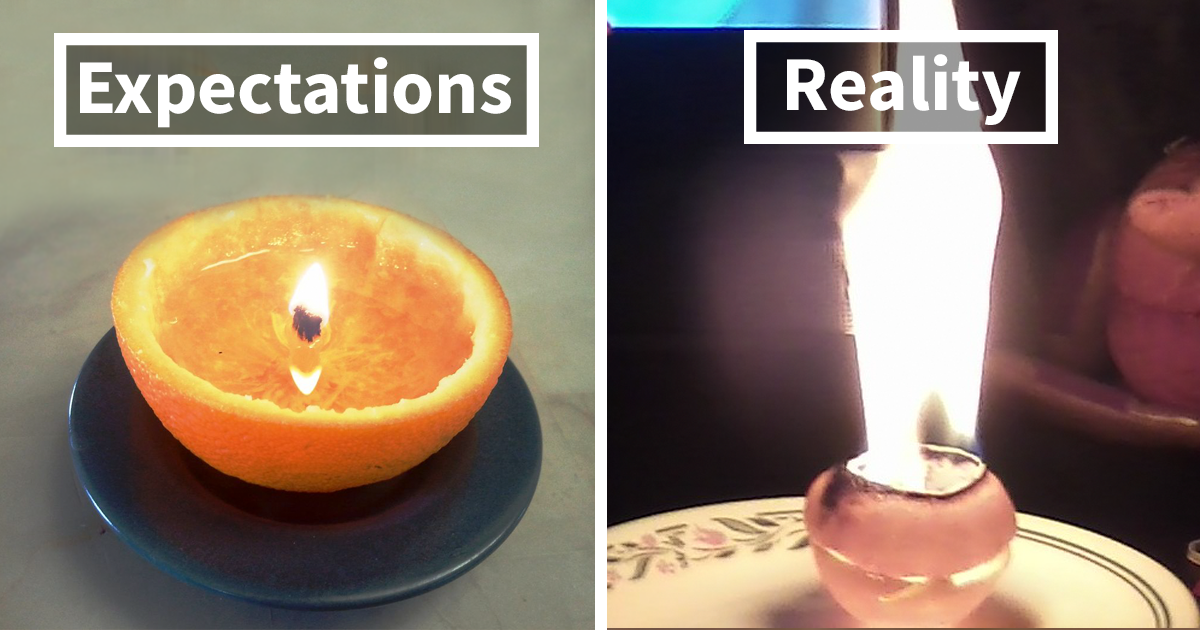
There are two kinds of DIY projects: the ones that make you feel like a home-improvement genius, and the ones that make your house look like it lost a wrestling match with a toolbox. Somewhere between “I saw this on the internet” and “why is water coming from the ceiling?” lives the glorious world of DIY fails.
To be fair, do-it-yourself projects can be smart, satisfying, and budget-friendly. Painting a room, assembling shelves, replacing cabinet hardware, organizing a garage, or building a planter box can make you feel like the CEO of Your House, Inc. But when ambition outruns planning, measuring, safety, and patience, even a simple weekend project can turn into a comedy special with drywall dust.
This guide rounds up 50 DIY fails that are so terrible they’re funnyat least after everyone is safe, the power is off, and the leaking pipe has stopped auditioning for a fountain show. Along the way, you’ll also find practical lessons, common home improvement mistakes, and friendly reminders about when to put down the drill and call a professional.
Why DIY Fails Happen in the First Place
Most DIY disasters do not begin with bad intentions. They begin with optimism. A person looks at a project and thinks, “That seems easy.” Three hours later, they are holding one mysterious screw, staring at a crooked shelf, and wondering whether the wall was always making that noise.
The most common causes of DIY fails are surprisingly ordinary: poor measurements, skipped prep work, wrong tools, cheap materials, no safety gear, and underestimating the time required. Many homeowners also forget that houses are complicated systems. Electrical wiring, plumbing, load-bearing walls, moisture control, ventilation, and structural support are not decorative suggestions. They are the backstage crew keeping your home from becoming a very expensive escape room.
50 DIY Fails That Are So Terrible It’s Funny
1. The Floating Shelf That Immediately Became a Falling Shelf
A shelf installed without wall anchors or studs may look elegant for three minutes. Then the books, candles, and one innocent houseplant come crashing down like a tiny library avalanche.
2. The “Close Enough” Measurement
Measuring once and cutting once is how you end up with a countertop gap large enough to store a sandwich. The old rule exists for a reason: measure twice, cut once, and maybe measure again if coffee is involved.
3. The Door That Opens Into a Wall
Installing a door without checking swing direction is a classic DIY fail. Congratulations, you now have a door that technically works but emotionally refuses to cooperate.
4. The Tile Pattern That Slowly Drifts Sideways
Tile projects often start with confidence and end with a bathroom floor that looks like it was installed during an earthquake. Spacers, chalk lines, and patience are not optional accessories.
5. The Painted Outlet Cover Disaster
Painting over outlets, switches, and cover plates may seem like a shortcut, but it looks messy and can create safety concerns. New cover plates are inexpensive. Your future self deserves them.
6. The “Custom” Cabinet Door That Won’t Close
Replacing cabinet hinges sounds simple until one door sits higher than the other and the kitchen looks permanently surprised.
7. The Wallpaper With Bubbles Big Enough to Name
Wallpaper needs clean walls, careful smoothing, and patience. Skip those steps and your accent wall becomes a topographic map of regret.
8. The Faucet Installed Backward
Hot on the right, cold on the left, and confusion everywhere. A backward faucet is not a design statement; it is a morning routine prank.
9. The Bathroom Caulk That Looks Like Toothpaste
Caulking requires a steady hand and a clean bead. When it goes wrong, the tub looks like someone frosted it during a power outage.
10. The Ceiling Fan That Wobbles Like a Carnival Ride
A poorly mounted ceiling fan is funny only from a safe distance. If it shakes, rattles, or appears to be preparing for liftoff, turn it off and fix the installation.
11. The Ladder Lean of Doom
Using a ladder on uneven ground, overreaching, or standing on the top step is a fail that can stop being funny fast. Ladder safety matters more than finishing the gutter before lunch.
12. The Mystery Extra Parts
Any flat-pack furniture project that ends with six extra screws and one nervous shrug deserves a moment of silence.
13. The “I Don’t Need Primer” Paint Job
Skipping primer can lead to uneven color, peeling, stains bleeding through, and walls that look tired five minutes after drying.
14. The Accent Wall That Became an Accident Wall
Bold paint colors are fun. But testing a swatch first prevents your living room from becoming “electric pumpkin cave.”
15. The TV Mounted Too High
A television installed near the ceiling gives your living room the cozy atmosphere of an airport departure gate.
16. The Curtain Rod That Bows in Defeat
Heavy curtains need proper brackets and anchors. Otherwise, the rod slowly smiles downward until it gives up completely.
17. The Peel-and-Stick Backsplash That Peels and Quits
Peel-and-stick products can work well on clean, smooth surfaces. On greasy, textured, or damp walls, they may begin a slow escape by Tuesday.
18. The Outdoor Deck Built Like a Trampoline
Deck building involves codes, footings, fasteners, spans, and structural loads. If it bounces, sags, or feels “adventurous,” it is not a deckit is a lawsuit with railings.
19. The Load-Bearing Wall Guess
Removing a wall because “it probably isn’t important” is one of the most dangerous DIY mistakes. Structural work belongs in the hands of qualified pros.
20. The Plumbing Fix With Too Much Confidence
Overtightening fittings, using the wrong connector, or forgetting the shutoff valve can turn a small leak into indoor weather.
21. The Silicone Sealant Everywhere
Sealant is useful. Sealant on tile, faucets, fingers, towels, pets, and your phone is a cry for help.
22. The Fence With One Dramatic Lean
A fence post set without proper depth or concrete may look fine until rain, wind, and gravity hold a meeting.
23. The “Temporary” Extension Cord That Becomes Permanent
Extension cords are not long-term wiring solutions. If your home office looks like a spaghetti dinner made of cords, it is time to rethink the setup.
24. The Power Strip Overload
Plugging high-wattage appliances into one power strip is not clever; it is risky. Power strips add outlets, not electrical capacity.
25. The Drywall Patch That Looks Like a Mountain Range
Drywall repair takes sanding, feathering, and blending. A rushed patch can become the only wall feature guests notice.
26. The Spray Foam Explosion
Expanding foam expands. Shocking, yes. Use too much and the gap you meant to seal turns into a beige science experiment.
27. The Pressure Washer Tattoo
A pressure washer can clean a driveway, but it can also carve lines into wood, blast paint, and damage siding. Power is fun until it becomes expensive.
28. The Garden Path to Nowhere
A charming stone path should lead somewhere. If it ends in a bush, fence, or confused lawn chair, guests may suspect the yard is haunted.
29. The Raised Garden Bed Made From Questionable Wood
Not all wood belongs near edible plants. Choosing safe, durable materials matters when building planters or garden beds.
30. The “Easy” Appliance Installation
Dishwashers, ranges, and built-in appliances often involve water, electricity, gas, leveling, and ventilation. That is a lot of ways to make pasta night dramatic.
31. The Flooring That Buckles Like a Potato Chip
Many flooring products need acclimation, expansion gaps, and a level subfloor. Skip those steps and the floor may develop waves worthy of a surf report.
32. The Rug Cut to Fit the Room
Cutting a rug because it is “almost right” is usually how you create a large, expensive placemat.
33. The Mirror Hung With Hope
Heavy mirrors require proper hardware. Hope is not a fastener, and optimism does not hold 40 pounds of glass.
34. The Closet System That Traps the Closet Door
Measuring shelves without checking door clearance can create a beautiful storage system you can barely access.
35. The Cabinet Pulls Installed at Random Heights
Hardware templates exist because eyeballing 24 cabinet pulls is how kitchens become abstract art.
36. The “Rustic” Pallet Project That Gives Splinters
Rustic should mean charming, not medically memorable. Sanding, cleaning, and choosing safe wood are essential.
37. The Uneven Gallery Wall
A gallery wall without a layout plan can look less “curated” and more “frames fleeing the scene.”
38. The Painted Brick Fireplace Regret
Painting brick can be beautiful, but it is hard to reverse. Test the look, understand the surface, and consider long-term maintenance before committing.
39. The Stencil That Smudged
Wall stencils require light paint layers and secure placement. Too much paint turns crisp patterns into decorative fog.
40. The DIY Dog Door for the Wrong-Sized Dog
A dog door measured from memory may fit your pet’s head, shoulders, or self-esteembut not necessarily all three.
41. The Cat Shelf Nobody Asked the Cat About
Building cat furniture is adorable until the cat ignores it and chooses the cardboard box the screws came in.
42. The Garage Storage Rack Into Mystery Wiring
Drilling into walls or ceilings without checking for wires, pipes, or ducts can turn organization day into emergency day.
43. The Outdoor Paint Used Indoors
Paint is formulated for specific uses. Choosing the wrong type can create odor, poor finish, durability issues, or a room that smells like a hardware store aisle.
44. The Indoor Paint Used Outdoors
Interior paint on exterior surfaces may fade, peel, and surrender quickly. Weather is not gentle, even when the color is cute.
45. The Concrete Craft That Never Released From the Mold
Concrete DIY projects need the right mix, mold prep, curing time, and release method. Otherwise, congratulations: you made a permanent bucket sculpture.
46. The Bookshelf Without a Back Panel
Some furniture parts provide stability, not decoration. Leave them off and the bookshelf may sway like it is listening to jazz.
47. The Tiny Bathroom Shelf at Forehead Height
Storage is useful. Storage placed exactly where people stand up is a daily reminder that measuring includes human bodies.
48. The Door Knob Installed Upside Down
It still opens, technically. But every guest will notice, and someone will ask whether it is “modern.”
49. The “Budget” Fix That Costs Triple
The cheapest solution can become expensive when it fails, damages nearby surfaces, or requires a professional to undo it.
50. The Project Started at 8 P.M. on a Sunday
No great plumbing, painting, tiling, or furniture assembly adventure should begin when the hardware store is about to close. That is how legendsand leaksare born.
What These Funny DIY Fails Teach Us
The best DIY fails are funny because they are relatable. Almost everyone has hung something crooked, stripped a screw, painted too quickly, bought the wrong size part, or assumed “universal fit” meant “fits this universe.” But beneath the comedy are useful lessons that can save time, money, and possibly your eyebrows.
Plan Before You Pick Up a Tool
Good DIY starts before the first cut, screw, brushstroke, or shopping cart. Read instructions, watch multiple tutorials, check product specifications, and make a materials list. If the project involves water, electricity, gas, roofing, structural support, or permits, research is not enough. That is the point where a licensed professional may be the safer and smarter choice.
Use the Right Tools and Safety Gear
A butter knife is not a screwdriver, a chair is not a ladder, and sunglasses are not safety goggles. Proper tools reduce mistakes, improve results, and protect you from injuries. Eye protection, gloves, hearing protection, dust masks, GFCI protection for power tools, stable ladders, and clean work areas may not look glamorous, but neither does a trip to urgent care covered in sawdust.
Respect the Hidden Systems in Your Home
Walls are not empty. They may contain electrical wiring, plumbing lines, ducts, studs, insulation, and surprises left by previous owners who also believed in “figuring it out.” Before drilling, cutting, or demolishing, use the right detection tools and understand what might be behind the surface.
Know When DIY Stops Being Fun
There is no shame in calling a pro. In fact, one of the most advanced DIY skills is knowing when not to DIY. Electrical panel work, major plumbing changes, gas lines, roof repairs, structural modifications, large deck builds, and complex appliance installations often require permits, inspections, and expert knowledge.
How to Avoid Becoming the Next Viral DIY Fail
If you want your project to end with pride instead of a group chat roast, follow a few simple rules. Start small. Practice on low-risk projects. Buy more materials than you think you need, especially for tile, flooring, paint, and trim. Take photos before disassembling anything. Label screws and parts. Keep your workspace clean. Stop when you are tired. And never let internet confidence replace real-world caution.
Also, budget for mistakes. Even careful DIYers make them. Extra paint, spare tiles, backup screws, additional caulk, and a little emergency cash can turn a stressful mistake into a manageable correction. The goal is not perfection. The goal is progress without turning your kitchen into a cautionary tale.
Personal Experiences and Real-Life Lessons From DIY Fails
Anyone who has spent enough time around home projects eventually collects a few DIY stories. Some are victories. Some are learning opportunities. Some begin with the sentence, “It looked easy in the video,” which is usually the first warning sign.
One of the most common experiences is the “quick project” that eats an entire weekend. Replacing a bathroom faucet, for example, may sound like a tidy Saturday morning task. Then the old supply line refuses to loosen, the shutoff valve looks older than the house, and the hardware store trip becomes three hardware store trips. By dinner, the sink is still disassembled, everyone is brushing their teeth in the kitchen, and the original faucet suddenly seems like it had a lot of character.
Painting is another classic teacher. Many beginners assume the hard part is choosing the color, but the real work is preparation. Cleaning walls, taping edges, patching holes, sanding rough spots, protecting floors, removing plates, and priming when needed all matter. Skip that prep and the finished room may show roller marks, peeling spots, paint bleed, or mysterious lint fossils. The funny part is that the mistake is usually visible every single day, right at eye level, silently asking, “Remember me?”
Furniture assembly creates its own comedy. The instructions show two cheerful people completing the project in twelve steps. Real life involves one person, a tiny Allen wrench, a backward panel, and a growing suspicion that the manufacturer included extra parts as a psychological test. The lesson is simple: lay out all pieces first, read the instructions all the way through, and never tighten every screw until the whole frame is aligned.
Hanging things is another humbling category. A picture frame may look straight from one angle and deeply philosophical from another. Curtain rods can sag if the hardware is wrong. Floating shelves can fall if they are not anchored properly. A large mirror can make a person suddenly very interested in stud finders. These failures are funny because they seem so smalluntil gravity joins the project team.
Outdoor DIY adds weather to the comedy. A garden path that looked level on installation day may sink after rain. A fence panel installed in soft soil may develop a dramatic lean. A planter built without drainage can turn into a swamp with flowers. The experience teaches that exterior projects need more planning because sun, rain, wind, soil, and temperature changes do not care how nice your Pinterest board looked.
The best lesson from all these experiences is not “never DIY.” It is “DIY wisely.” Start with projects that match your skill level. Respect tools. Respect safety. Respect the fact that old houses are rarely square, level, or interested in your schedule. Most importantly, keep your sense of humor. A crooked shelf can be fixed. A bad paint color can be repainted. A failed planter can become a story. Every mistake adds experience, and experience is the difference between “I hope this works” and “I know exactly why this might not work, and I have a backup plan.”
Conclusion
DIY fails are funny because they capture the beautiful chaos of trying to improve a home with your own two hands. Sometimes the shelf falls, the paint drips, the caulk looks cursed, or the tile line wanders off like it has somewhere better to be. But every mistake carries a useful reminder: plan carefully, measure accurately, use the right tools, prioritize safety, and call a professional when the job is beyond your skills.
The next time you see a terrible DIY fail, laugh kindly. Behind that crooked cabinet handle is a person who tried, learned, and probably owns three more tubes of caulk than they need. And if that person is you, take a breath. Fix what you can, learn what you should, and remember: the best DIYers are not the ones who never fail. They are the ones who fail safely, clean up thoroughly, and eventually get the shelf to stay on the wall.
Note: This article is meant to entertain and inform. Always follow manufacturer instructions, local building codes, permit requirements, and professional safety guidance before beginning any home improvement project.












