
Chickens are surprisingly talented actors. A hen may look perfectly normal during your morning visit, then spend the afternoon hunched in a corner as though she has suddenly remembered an unpaid feed-store bill. This is not mere poultry drama. Chickens instinctively hide weakness because visibly sick birds are easier targets for predators.
That survival strategy means backyard flock owners must notice small changes before they become obvious emergencies. Reduced activity, unusual droppings, breathing trouble, appetite loss, and declining egg production can all signal that something is wrong. No single symptom identifies a specific disease, but patterns of abnormal behavior can tell you when a bird needs closer examination, isolation, or veterinary care.
The key is knowing what “normal” looks like in your flock. A healthy chicken should generally be alert, interested in food, responsive to nearby birds, and able to walk and breathe without obvious effort. Once you understand each bird’s usual habits, subtle signs of chicken illness become much easier to spot.
Why Sick Chickens Can Be Difficult to Identify
Unlike dogs, chickens rarely walk up and present a detailed list of symptoms. They often continue following the flock while concealing discomfort. By the time a chicken is standing alone, refusing food, or visibly struggling to breathe, the underlying problem may already be serious.
Some warning signs are also caused by ordinary conditions. A hen may stop laying because she is molting, aging, broody, stressed, or receiving less daylight. A chicken may fluff its feathers because the weather is cold rather than because it is ill. Loose droppings can appear after a bird drinks heavily on a hot day or eats watery produce.
For that reason, avoid diagnosing a disease from one clue. Look for several changes occurring together, compare the affected bird with the rest of the flock, and consider environmental factors such as heat, cold, recent feed changes, parasites, injuries, new arrivals, or exposure to wild birds.
Start With a Daily Flock Check
A useful health inspection does not require laboratory equipment or a tiny chicken-sized stethoscope. Spend a few quiet minutes watching the flock before opening the coop or scattering treats. Observe how the birds stand, walk, eat, breathe, interact, and leave droppings. A chicken may temporarily behave more normally after noticing you, so watching from a distance can reveal symptoms it was trying to hide.
1. The Chicken’s Behavior and Posture Have Changed
A change in behavior is often one of the earliest signs of a sick chicken. Healthy birds are usually curious and socially engaged. They scratch the ground, preen, investigate food, take dust baths, and react when another chicken discovers something excitingusually a beetle, a leaf, or an object that is clearly not edible but deserves immediate committee review.
A potentially sick chicken may become unusually quiet, remain on the roost after the others leave, or isolate itself from the flock. It might appear sleepy during the day, close its eyes frequently, or show little interest in familiar activities. Some birds become less responsive when approached, while others hide inside nest boxes or behind coop equipment.
Watch for the Classic “Sick Chicken” Posture
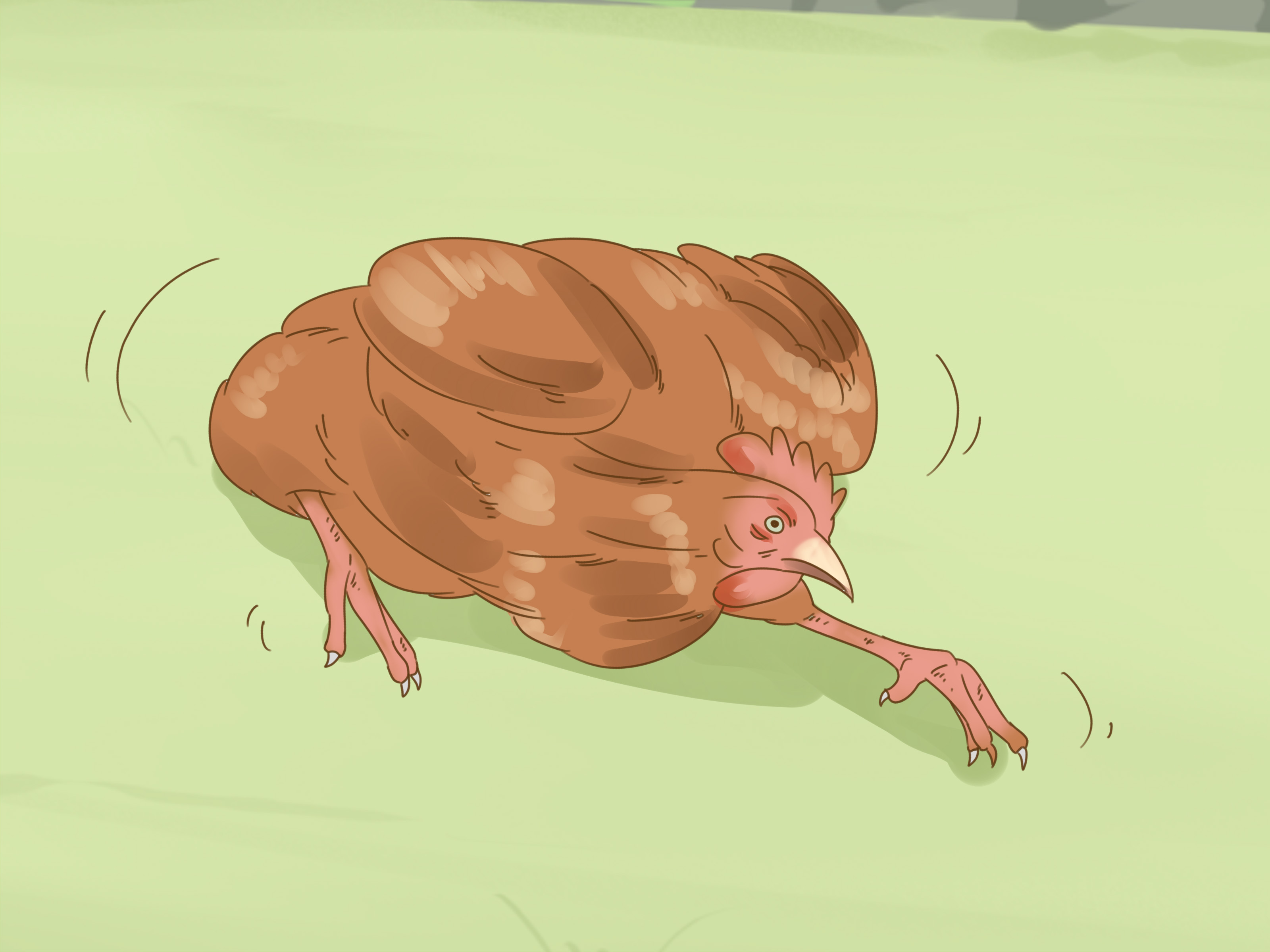
Ill chickens frequently stand hunched with their neck pulled inward and feathers puffed out. The wings may droop, and the tail may point downward rather than sitting in its normal position. A bird may remain almost motionless for long periods or sit when the rest of the flock is moving.
These behaviors are sometimes described as sickness behavior. They help the bird conserve energy, but they do not reveal the exact cause. Infection, pain, internal laying problems, parasites, injury, nutritional deficiencies, heat stress, and other conditions may all produce similar changes. Chickens may also suppress these behaviors when people or perceived predators are nearby, making careful observation especially important.
Look for Neurologic or Balance Problems
Stumbling, circling, tremors, a twisted neck, head tilting, paralysis, or loss of coordination requires prompt attention. These signs can occur with serious infectious diseases, toxins, injuries, nutritional disorders, or neurological conditions. A bird unable to stand, reach water, or protect itself from flock mates should be separated safely and evaluated as soon as possible.
2. Eating, Drinking, or Body Condition Has Changed
Reduced feed and water intake is another important early warning sign. Chickens have individual preferences, but a healthy bird should normally show interest when fresh feed or a favorite treat appears. A hen that stays behind while the others sprint toward the feeder deserves a closer look.
Observe the bird rather than judging consumption only by the flock’s total feed use. A sick chicken may approach the feeder but fail to eat, take food and drop it, or be prevented from eating by more dominant birds. Mouth injuries, crop problems, respiratory disease, weakness, pain, and numerous other conditions can reduce intake.
Check the Crop Carefully
The crop is a temporary food-storage pouch located near the lower neck and upper chest. It is commonly fuller in the evening after a day of eating and should be substantially reduced by morning. A crop that remains unusually large, hard, doughy, or fluid-filled may indicate a digestive problem.
Do not repeatedly squeeze or aggressively massage a swollen crop. Improper handling can cause aspiration, which means material enters the respiratory tract. A bird with persistent crop enlargement, a sour odor from the beak, repeated regurgitation, or difficulty swallowing should be examined by a veterinarian familiar with poultry.
Feel for Weight Loss
Feathers can conceal significant weight loss. Gently hold the chicken and feel the keel bone running down the center of the breast. In a bird with good body condition, the surrounding breast muscles should feel reasonably full. A sharply prominent keel with little muscle on either side can indicate chronic disease, inadequate nutrition, heavy parasite burdens, or competition at the feeder.
Regularly weighing individual birds is even more useful, especially when monitoring a chicken that has been ill. Use the same scale and record the results so that gradual weight loss does not disappear beneath an impressive feather coat. Decreased food and water intake, poor growth, weight loss, and reduced production are widely recognized indicators of poultry illness.
3. Breathing, Eyes, Face, or Comb Look Abnormal
Listen to your chickens when the coop is quiet. Normal breathing should not involve repeated coughing, sneezing, wheezing, rattling, or gasping. A bird should not breathe with its mouth open under comfortable weather conditions, stretch its neck repeatedly for air, or move its tail noticeably with every breath.
Respiratory symptoms can have many causes, including infectious bronchitis, infectious coryza, mycoplasma infections, environmental irritation, excessive ammonia, fungal exposure, avian influenza, and Newcastle disease. Because several conditions look similar, visual symptoms alone cannot provide a reliable diagnosis.
Examine the Eyes and Nostrils
Healthy eyes should generally be bright and open. Warning signs include watery eyes, bubbles or foam near the eye, swelling, redness, crusting, or eyelids that remain partly closed. Check the nostrils for mucus, dried discharge, or blockage. Facial swelling and nasal discharge are particularly concerning when several birds develop symptoms within a short period.
Inspect the Comb and Wattles
Comb color naturally varies with breed, age, temperature, reproductive activity, and circulation. A laying hen often has a redder comb than a pullet or a hen that is molting. However, a suddenly pale comb may accompany anemia, blood loss, parasites, poor circulation, or chronic illness.
Blue or purple discoloration can indicate inadequate oxygen or severe circulatory distress. Swelling of the head, comb, wattles, or eyelidsparticularly when combined with respiratory difficulty, diarrhea, declining egg production, or sudden deathsshould be treated as an urgent flock-health concern.
USDA guidance lists coughing, sneezing, nasal discharge, breathing difficulty, facial swelling, discoloration of the comb or legs, lack of energy, reduced appetite, and sudden unexplained deaths among signs that may occur with serious reportable poultry diseases.
4. Droppings or Vent Condition Have Changed
Chicken droppings are not glamorous, but they are free health reports delivered throughout the coop. Normal droppings vary in color and consistency depending on feed, hydration, weather, and the type of feces being passed. Chickens also produce periodic cecal droppings, which are softer, stickier, darker, and smell stronger than ordinary waste.
One unusual dropping does not necessarily indicate illness. Pay attention when abnormal feces continue, appear repeatedly beneath the same roosting bird, or occur alongside lethargy, weight loss, poor appetite, breathing problems, or reduced egg production.
Concerning Changes to Watch For
Persistent watery diarrhea, large amounts of mucus, bright-red blood, black tar-like material, unusually green watery feces, visible worms, or undigested feed should prompt investigation. Bloody diarrhea in young birds may occur with coccidiosis, a disease that can cause weakness, reduced production, and death if severe. Green droppings may appear when a bird is not eating, although they can have other causes.
Check the feathers around the vent. A healthy vent should not be heavily coated with feces, swollen, bleeding, prolapsed, or infested with moving parasites. Dried manure can obstruct the vent in chicks, while persistent soiling in an adult bird can indicate diarrhea, weakness, obesity, reproductive problems, or an inability to preen normally.
Use Safe Hygiene During Inspection
Wear disposable gloves when handling a sick bird or cleaning contaminated bedding, and wash your hands thoroughly afterward. Keep poultry equipment and footwear out of household living areas. Backyard chickens can carry germs such as Salmonella even when they appear healthy, and people should avoid touching their face, eating, or drinking while working around the flock.
5. Egg Production, Movement, or Physical Appearance Has Changed
A sudden drop in egg production can be an early sign of illness, particularly when it affects multiple hens or occurs with other symptoms. Sick hens may stop laying or produce soft-shelled, thin-shelled, misshapen, discolored, or unusually small eggs.
Not every egg change means disease. Molting, reduced daylight, broodiness, age, poor nutrition, heat stress, environmental disruption, and predator pressure can all affect laying. Nevertheless, a sudden unexplained decline deserves attentionespecially when the flock’s feed intake also falls.
Observe Walking and Leg Use
Watch for limping, reluctance to walk, swollen joints, curled toes, weakness, sitting on the hocks, or favoring one leg. Examine the feet for cuts, scabs, swelling, broken nails, tangled fibers, or a dark plug on the footpad that could suggest bumblefoot.
Also inspect the abdomen and overall stance. A hen that walks upright like a penguin, strains repeatedly, spends excessive time in the nest box, or has a swollen abdomen may have a reproductive emergency. Egg binding, internal laying, inflammation, and other reproductive disorders require professional assessment because similar-looking problems may need very different treatment.
Look at Feathers and Skin
Ruffled or dull feathers can accompany illness, but feather loss also occurs during normal molting, mating, pecking, and parasite infestations. Part the feathers around the vent, under the wings, and along the back. Look for lice, clusters of eggs attached to feather shafts, irritated skin, wounds, scabs, or tiny moving mites.
Evaluate the complete pattern rather than one cosmetic flaw. Egg changes, lameness, swelling, dull feathers, declining activity, and abnormal posture become more meaningful when they occur together.
What to Do When You Think a Chicken Is Sick
Separate the Bird Without Causing Additional Stress
Move the chicken to a clean, quiet enclosure away from the flock when contagious disease, bullying, or injury is possible. The isolation area should have suitable ventilation, secure footing, comfortable temperature, fresh water, and easy access to appropriate feed. Ideally, the bird should remain within hearing distance of flock mates without sharing feeders, waterers, bedding, or direct contact.
Care for healthy chickens first and the isolated bird last. Use separate equipment when possible, change or disinfect footwear, and wash your hands between groups. Do not move, sell, gift, or show birds from a flock experiencing unexplained illness.
Record What You See
Write down when symptoms began, which birds are affected, recent feed changes, new flock additions, egg production, water consumption, droppings, medications, injuries, and any recent contact with wild birds. Photographs and short videos of breathing, walking, or unusual behavior can help a veterinarian evaluate symptoms that disappear during an office visit.
Contact a Qualified Professional
Call an avian or poultry veterinarian, your local cooperative extension office, or a state poultry diagnostic laboratory when symptoms are severe, persistent, spreading, or difficult to explain. Laboratory testing may be needed to distinguish between diseases with similar signs.
Seek urgent assistance when a chicken cannot breathe normally, has neurological symptoms, is bleeding heavily, cannot stand, experiences a prolapse, or declines rapidly. Sudden unexplained death, multiple sick birds, or an unusual increase in flock mortality should be reported promptly to the appropriate state animal-health authority or USDA resources. Isolate affected birds and avoid unprotected contact with sick or dead poultry.
Avoid Random Medication
Do not automatically treat every sneeze with antibiotics, dewormers, essential oils, or leftover livestock medication. The wrong product may fail to treat the real problem, delay diagnosis, harm the bird, or create unsafe residues in eggs and meat. Medication choices, dosages, withdrawal periods, and supportive care should be based on veterinary guidance and an informed diagnosis.
Experience-Based Lessons From Watching a Backyard Flock
Experienced chicken keepers often say that the most valuable health tool is not a medicine cabinet. It is a routine. When the same person visits the coop at roughly the same times each day, small differences become obvious. The hen that normally launches herself toward the feed scoop but suddenly stays on the roost is communicating something important, even if she is not showing a textbook symptom.
One common lesson is to watch the flock before offering treats. Food can temporarily motivate a mildly ill chicken to behave normally, and the excitement of your arrival may cause a bird to conceal weakness. Standing quietly outside the run for several minutes often reveals which chicken is isolating, breathing heavily, walking stiffly, or being pushed away from resources.
Another useful experience is learning not to panic over a single strange dropping. A keeper may discover an alarming brown, pudding-like deposit and assume the flock has developed a terrible intestinal disease. Ten minutes of observation may reveal that it is simply a normal cecal dropping. The better approach is to note frequency, identify the likely bird, and check for accompanying symptoms. Persistent blood, watery diarrhea, lethargy, or appetite loss changes the situation considerably.
Flock records also become more valuable than many beginners expect. Imagine that three hens slow their egg production in July. Without records, the decline might seem mysterious. A simple notebook could reveal several days of extreme heat, reduced feed intake, and increased water consumption. That pattern suggests heat stress should be investigated before assuming an infectious disease. In another case, records might show that respiratory symptoms appeared shortly after new birds joined the flock, making quarantine history highly relevant.
Handling chickens occasionally when they are healthy creates another useful baseline. A bird’s feathers can make it look round and robust even after it has lost substantial muscle. By gently feeling the keel and breast muscles during routine checks, an owner learns what normal body condition feels like. Later, a sharp keel or lighter body weight becomes easier to recognize.
Experienced keepers also learn that isolation is not punishment. A weak hen may be unable to rest when dominant flock mates peck her, steal feed, or prevent access to water. A calm recovery enclosure lets the owner measure intake, inspect droppings, and observe symptoms closely. However, isolation should remain sanitary and comfortable; placing a sick bird alone in a cold garage with a random bowl of scratch grain is not medical care.
Perhaps the most important lesson is knowing when home observation has reached its limit. Many poultry diseases share the same general symptoms: puffed feathers, reduced appetite, diarrhea, low egg production, and lethargy. A keeper may confidently decide that a hen has worms when she actually has a reproductive disorder, bacterial infection, nutritional deficiency, or internal injury. Confidence is not a laboratory test, no matter how many chicken forums were consulted after midnight.
Good flock care combines daily familiarity with humility. Notice changes early, isolate responsibly, improve biosecurity, document the symptoms, and seek professional help when the problem is severe or spreading. The goal is not to name every disease from across the yard. It is to recognize that a chicken needs help before the bird runs out of energy to ask for it.
Conclusion
The five most useful ways to tell if a chicken is sick are to watch for behavioral changes, monitor eating and drinking, inspect breathing and facial appearance, examine droppings and the vent, and track egg production, movement, and body condition. Any one change may have a harmless explanation, but multiple symptomsor a rapid declineshould never be ignored.
Learn the normal routine of every bird, conduct brief daily health checks, and maintain clean housing with good biosecurity. When illness appears, separate the affected chicken, document what you observe, and contact a poultry veterinarian or animal-health professional. Early action protects both the individual bird and the flock waiting impatiently beside the treat bucket.












