
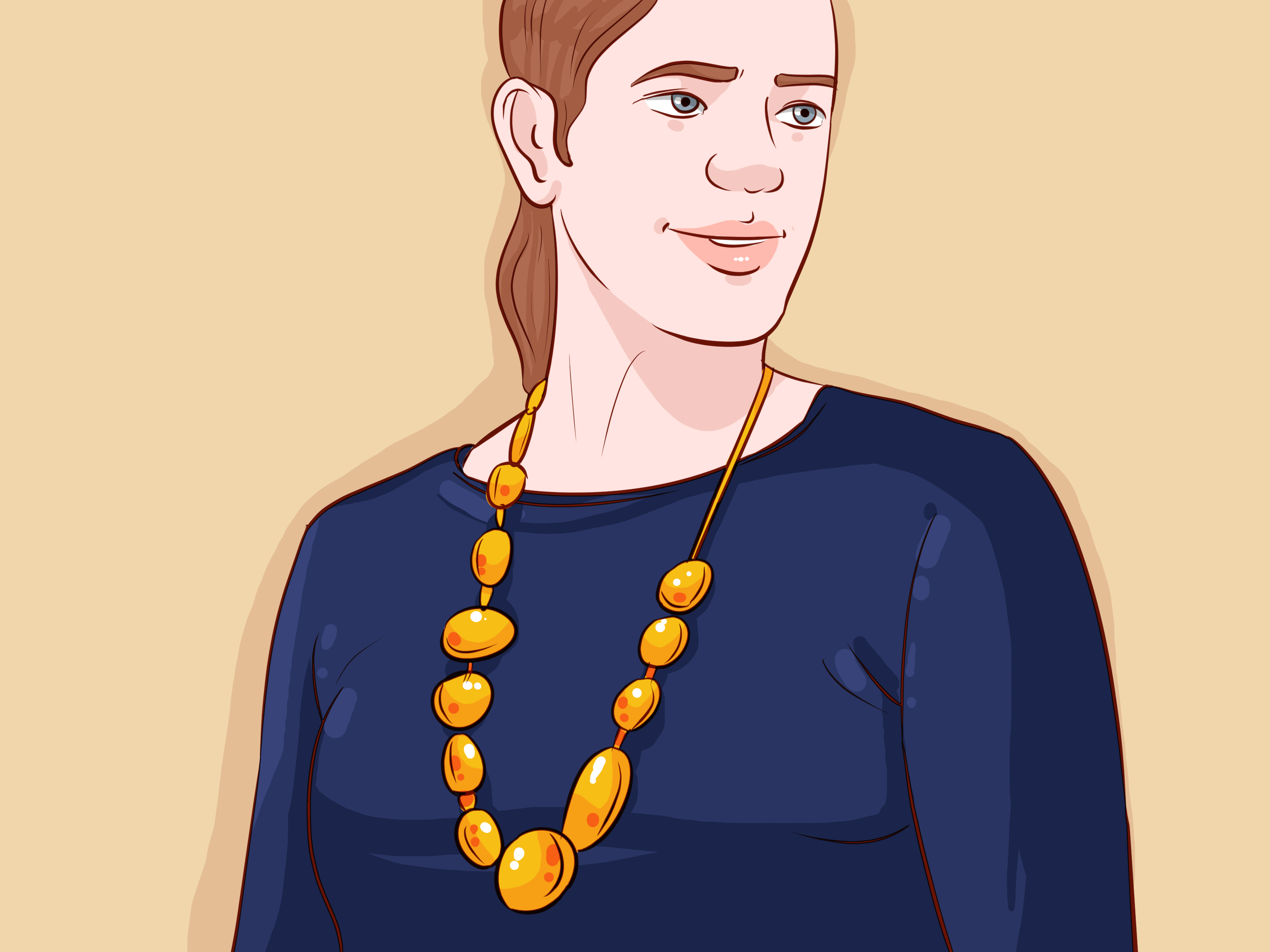
If you have a petite hourglass figure, welcome to one of fashion’s most entertaining puzzles: you want clothes that honor your curves and respect your proportions. Translation? A top that celebrates your waist can be brilliant, but if it is too long, too boxy, or too bulky, it can look like your outfit borrowed you instead of the other way around.
The good news is that dressing a petite hourglass figure is not about hiding anything. It is about balance, fit, and choosing pieces that work with your shape. In general, a petite frame benefits from scaled-down proportions, while an hourglass shape shines when the waist gets clear definition. Put those two truths together, and your style formula becomes a lot simpler than the internet sometimes makes it sound.
This guide breaks down five practical, flattering, and very wearable ways to dress a petite hourglass figure. No weird fashion math. No “one dress for all women” nonsense. Just smart styling advice, specific examples, and outfit ideas you can actually use.
What Is a Petite Hourglass Figure?
A petite hourglass figure usually means you are on the shorter side and your bust and hips are relatively balanced, with a visibly defined waist. The keyword here is defined. That waist is your natural style anchor. Meanwhile, the petite part means proportion matters a lot. Sleeve length, rise, pocket placement, hemline, and jacket length can make a bigger difference on a smaller frame than many people realize.
That is why the best outfits for a petite hourglass figure usually do two things at once: they highlight the waist and keep the overall look visually clean. Think fitted where it matters, structured without stiffness, and polished without piling on five trends at once like a fashion reality show challenge.
1. Define Your Waist Without Overcomplicating the Outfit
If there is one golden rule for dressing a petite hourglass figure, this is it: let the waist exist. You do not need to underline it with a neon sign, but your clothes should acknowledge it. When garments skim over your shape and gently narrow at the middle, your proportions look balanced and intentional.
What works best
Wrap tops, wrap dresses, peplum tops, knit tops with shape, belted dresses, and tops that tuck smoothly into bottoms all tend to work beautifully. These styles naturally create a focal point at the waist without adding awkward bulk. A fitted cardigan worn buttoned as a top can also be surprisingly effective.
What to be careful with
Boxy tops, extra-long tunics, and shapeless shift styles can blur your waistline and swallow your frame. On a taller person, oversized can look editorial. On a petite hourglass figure, it can drift into “I am hiding from my own outfit” territory fast.
Easy outfit example
Try a soft V-neck wrap blouse tucked into dark high-rise jeans with ankle boots. The blouse defines the waist, the higher rise supports your proportions, and the cleaner line from hip to ankle keeps the outfit from feeling chopped up.
Another strong option is a knit midi dress with a self-tie belt. It keeps the outfit simple while still giving you shape. And yes, self-tie belts are useful. They are like friendly little reminders to your outfit that your waist is not optional.
2. Choose Petite-Proportioned Bottoms That Support Your Curves
Bottoms can make or break the look for a petite hourglass figure. The right pair will follow your natural line, sit properly at the waist, and avoid overwhelming your legs. The wrong pair will gap at the waistband, drag at the hem, or hit in strange places like they were designed during a power outage.
Why petite sizing matters
Petite bottoms are not just regular pants with less fabric at the bottom. Truly petite-proportioned pieces are adjusted throughout the garment. That means the rise, knee break, taper point, and even pocket placement are better scaled for a shorter frame. This is especially helpful for hourglass figures, because it reduces the odds of strange pulling or a waistband that fits your hips but forgets your waist.
Best bottom styles
High-rise and mid-rise jeans are usually the most useful starting point. A rise that sits at or just above your natural waist helps showcase your shape while visually lengthening the legs. Straight-leg jeans, slim straight cuts, ankle-length cigarette pants, and gentle bootcut silhouettes are all solid choices. If you love wide-leg pants, keep them tailored, not puddled. Clean lines matter more than drama here.
Smart details to look for
Look for stretch blends that hold shape, waistbands that sit flat, and inseams that end intentionally. Ankle-length pants can be fantastic on petites because they show a little ankle and keep the line crisp. Cropped flares can also work well when the flare begins in the right place and the hem does not drag.
Easy outfit example
A fitted tee or bodysuit with high-rise petite straight-leg jeans and loafers creates a classic everyday look. For work, swap the jeans for ankle trousers and add a cropped blazer. You keep the waist visible, the leg line clean, and the overall look polished.
3. Pick Dresses and Skirts That Create Length and Shape at the Same Time
Dresses can be a dream category for a petite hourglass figure because they simplify the whole styling process. Instead of building shape out of separate pieces, you can choose one silhouette that does most of the work for you.
Best dress silhouettes
Wrap dresses are perennial favorites for good reason. They define the waist, follow curves naturally, and create a soft vertical line through the body. Sheath dresses can also work beautifully if the fit is right and the fabric has enough structure to skim rather than squeeze. Fit-and-flare dresses are another great option, especially if the flare starts at the waist rather than somewhere random around the ribcage.
For skirts, pencil skirts, wrap skirts, and streamlined A-line skirts tend to be the most versatile. They keep attention on the waist while working with the hip line instead of fighting it.
Hemline strategy
On petites, hem length matters. Mini, above-the-knee, knee-length, and well-fitted midi lengths can all be flattering, but the key is proportion. A midi should look intentionally midi, not like it shrank halfway down from a maxi. If a dress cuts you at the widest part of the calf, the line may feel heavier than you want. When in doubt, try hemlines that show either more leg or a clean ankle.
Fabric and print tips
Choose fabrics with movement but not too much volume. Jerseys, soft knits, ponte, light crepe, and structured cotton blends often work well. For prints, medium to smaller-scale patterns tend to feel more proportional on a petite frame. Tiny prints can be charming, but massive florals can sometimes wear you instead of the reverse.
Easy outfit example
A petite wrap dress with a subtle print, nude sandals, and a compact shoulder bag is an easy warm-weather win. For cooler days, add a cropped jacket that ends near the waist rather than mid-thigh.
4. Keep Layers Tailored, Cropped, and Scale-Friendly
Layering is where many petite hourglass wardrobes get into trouble. The moment a jacket gets too long or a blazer gets too boxy, your waist disappears and the whole outfit can feel heavier. This does not mean you need to live in tiny jackets like it is 2007. It simply means proportion deserves a vote.
Best outer layers
Cropped blazers, fitted blazers with waist shaping, short cardigans, cropped trench styles, and jackets that end around the waist or upper hip are often the strongest choices. They keep your natural proportions visible and prevent the dreaded “one long rectangle” effect.
Blazer advice for a petite hourglass figure
Look for blazers with a bit of structure through the shoulders and shape through the waist. A slightly nipped-in blazer can look elegant and strong without feeling overly formal. Too much bulk in the shoulders or excess length in the sleeves can make the whole look feel costume-like, so tailoring is your friend here.
Cardigans and knits
Shorter cardigans, fine-gauge knits, and sweaters with a tuckable hem work better than long waterfall styles in most cases. You still get softness and comfort, but you do not lose your frame in the process.
Easy outfit example
Wear a fitted tank, a high-rise midi skirt, and a cropped blazer with pointed-toe flats. It reads polished and balanced. Or pair a body-skimming knit dress with a short cardigan that buttons at the waist for a softer look.
5. Use Finishing Details That Elongate Rather Than Distract
Once the main outfit is right, the finishing details help refine the whole look. This is where a petite hourglass figure can quietly win the game. The secret is not “more accessories.” The secret is intentional accessories.
Necklines that often work well
V-necks, scoop necks, square necks, and open collars can be especially flattering because they create visual openness through the upper body and keep things from feeling too crowded. That is useful if you have curves up top and do not want your neckline to compete with your waistline.
Shoes that support the silhouette
Pointed-toe flats, low-profile sneakers, ankle boots with a slim shaft, and heels in a tone close to your skin or pants can help maintain a cleaner line. This does not mean you must wear heels every day. It just means bulky footwear can sometimes interrupt the line on a smaller frame, while streamlined shoes usually keep the outfit feeling lighter.
Belts, bags, and jewelry
Belts can be wonderful, especially when they are scaled to your frame. Super wide belts can overpower a petite body, while medium or slim belts often feel more balanced. Bags should also be proportionate. An oversized tote can be practical, yes, but it can also look like it is preparing to move apartments. Mid-size and compact bags often feel more harmonious.
Optional underlayers
If you like smoothing shorts, shaping slips, or supportive bodysuits under certain outfits, great. Use them as comfort tools, not style commandments. A good underlayer can help dresses sit more smoothly and reduce friction under skirts, but it should never feel like punishment in garment form.
Easy outfit example
Take a square-neck top, a petite pencil skirt, a slim belt, and pointed flats. The neckline opens the upper body, the skirt follows your shape, the belt clarifies the waist, and the shoes keep the line neat. Nothing is shouting, but everything is helping.
Common Mistakes to Avoid
- Wearing only oversized shapes: volume is not the enemy, but too much of it can blur your proportions.
- Ignoring petite sizing: when proportions are off, even expensive clothes can look awkward.
- Choosing low-rise bottoms by default: they can cut into the hip area and make styling tops trickier.
- Letting hems fall anywhere: the exact hem placement matters more than people think.
- Going too matchy with “body type rules”: these are guidelines, not fashion prison bars.
Final Thoughts
The best way to dress a petite hourglass figure is to respect both parts of the equation. Your curves want definition. Your frame wants proportion. When your clothes do both, your outfits tend to look polished almost automatically.
That does not mean every outfit needs a wrap dress and a blazer with a PhD in tailoring. It just means you will usually do best with clothes that fit well, define the waist, and keep visual bulk under control. A great pair of petite jeans, a properly cut dress, a fitted knit, and a tailored jacket can take you a very long way.
Fashion is supposed to be useful, expressive, and at least a little fun. So yes, learn the rules. Then keep the ones that serve you, ignore the ones that do not, and build a wardrobe that makes you feel like yourself on your best day.
Experiences and Real-Life Style Lessons for a Petite Hourglass Figure
One of the most common experiences people with a petite hourglass figure talk about is that shopping can feel weirdly contradictory. A dress may fit the hips beautifully but sit too low at the waist. Jeans may fit the thighs and then gap at the waistband like they are emotionally unavailable. A blazer may technically fit, but the sleeves keep going like the jacket has future plans without you. That mix of “close, but not quite” is extremely common, and it is exactly why petite-specific cuts matter so much.
Another real-world lesson is that fabric can change everything. Many people discover that a soft but slightly structured fabric works better than anything too thin or too stiff. Thin fabric can cling in random places and make an otherwise good cut feel flimsy. Very stiff fabric can sit away from the body and make a smaller frame look boxed in. Somewhere in the middle is usually the sweet spot: enough drape to move, enough structure to hold shape.
There is also the famous trial-and-error stage with dresses. A lot of petite hourglass shoppers report that dresses looked far better once they stopped focusing only on size and started paying attention to where the waist seam hit. That tiny detail changes the whole outfit. A waist seam that lands at your natural waist can make a dress feel custom-made. One that drops too low can throw off the entire silhouette, even if the dress is technically the correct size.
Footwear is another place where experience teaches fast. Chunky shoes can be stylish, but many petites notice that lighter, cleaner shoe shapes make their outfits feel more balanced. It is not about chasing longer-looking legs every second of the day. It is about not letting the bottom half of the outfit become visually heavy. A pointed flat, slim boot, or simple sandal often feels easier to style than a bulky platform when the rest of the outfit is already doing shape work at the waist and hips.
Perhaps the biggest experience-based lesson is that tailoring is not a luxury reserved for red carpets and mysterious rich aunts. It is often the difference between “fine” and “fantastic.” Hemming pants, shortening sleeves, moving a button, or taking in the waist slightly can transform a piece from almost-right to constantly-reached-for. For a petite hourglass figure, those small adjustments are often more valuable than buying more clothes.
And finally, many people find that confidence comes less from following every so-called body-type rule and more from recognizing patterns in what consistently feels good. Maybe wrap dresses are your hero piece. Maybe square necklines are better than V-necks on you. Maybe cropped jackets are magic and wide-leg trousers only work when paired with a fitted top. Those discoveries matter more than trend cycles. Personal style gets easier the moment you stop treating your body like a problem to solve and start treating fit like a tool that helps you dress with clarity.











