
If you’ve ever wondered what interior designers do when no client is watching (and there’s no mood board to blame),
here’s the answer: they don’t chase every shiny trend. They upgrade the stuff they touch, see, and rely on every single day
the unglamorous “background actors” that quietly decide whether a home feels custom…or like a rental with commitment issues.
The best part? These are rarely the most expensive renovations. They’re the strategic, high-impact improvements that make daily life smoother,
cozier, and more you. Below are five upgrades designers consistently say they’d do againbecause they keep paying off long after the excitement
of a new backsplash fades and you stop photographing your dinner for the “after” shot.
Upgrade #1: Swap Builder-Grade Light Switches for Designer-Worthy Ones
Light switches are the sneakers of your home: most people ignore them until they’re scuffed, squeaky, and ruining the vibe. Designers? They notice.
Replacing standard, plastic builder switches with elevated toggles (porcelain, metal, vintage-style) is a tiny move that makes a room feel intentional.
It’s also a weirdly satisfying upgradelike giving your house a crisp haircut.
Why designers love it
- Instant “custom home” energy: A pretty switch in a visible spot reads as detail-oriented design.
- Tactile joy: The click of a quality toggle is basically home ASMR.
- Low disruption: It’s a quick project compared to anything involving tile dust and tears.
How to do it without making it weird
Focus on prominent areas first: the entry, kitchen, main living space, powder room. Match the finish to your broader hardware story
(or intentionally mix metals if that’s your thing). And yes, the wall plate mattersan upgraded switch with a flimsy plate is like wearing a tux with flip-flops.
Pro tip: If you’re not comfortable working with electrical, hire a licensed electrician. “Easy DIY” becomes “surprise smoke machine”
faster than anyone likes to admit.
Upgrade #2: Rework Your Lighting Plan (And Put Everything on Dimmers)
Designers aren’t anti-ceiling light. They’re anti-uncontrolled ceiling lightaka “the big light” that makes your living room feel like an airport terminal.
The regret-proof move is layering lighting and adding dimmers so each space can switch personalities: energetic morning, calm evening, cozy movie night,
not-a-hostage-interrogation dinner party.
What “layered lighting” actually means
- Ambient lighting: General illumination (ceiling fixtures, recessed lightsif done thoughtfully).
- Task lighting: Light where you work (under-cabinet kitchen lights, reading lamps, vanity lights).
- Accent lighting: Light that adds mood (sconces, picture lights, subtle LEDs, a lamp that makes your corner look expensive).
Why dimmers are the secret sauce
Dimmers let one fixture do multiple jobs. Full brightness when you need to actually find the dog’s tennis ball. Soft glow when you want your home
to feel like a boutique hotel that just happens to have your snacks. Bonus: dimming can extend bulb life and reduce energy use, depending on the bulb type.
Make it feel designed, not over-lit
Start with the rooms where mood matters most: living room, dining room, bedroom, bathroom. Add a pair of lamps to break up overhead lighting,
then layer in sconces or a better central fixture if you’re ready. If your home is historic, choose dimmers and switches that feel period-friendly
rather than ultra-modern (unless the contrast is intentional).
Compatibility note: Not every dimmer works with every bulbespecially LEDs. Choose dimmers rated for the bulbs you’re using and make sure
the bulbs are labeled “dimmable.” If you’ve ever seen flickering LEDs that look like a haunted house special effect, you know why this matters.
Upgrade #3: Double Up Your Shower (Because You Live There Now)
Designers tend to prioritize upgrades that improve everyday ritualsand showers are a daily non-negotiable. Adding dual shower heads
(for example, a fixed head plus a handheld, or a rain head plus a standard head) turns a basic bathroom into a spa-adjacent experience.
It’s a luxury that’s also surprisingly practical: faster rinsing, easier cleaning, more flexibility for different heights, hair routines,
kids, pets, and “I pulled a muscle sleeping” days.
Options that feel luxe, not gimmicky
- Fixed + handheld combo: The most universally useful setup.
- Rain head + handheld: Big mood, plus actual function.
- Two-person shower layout: If you have the space, it’s an upgrade you’ll feel every morning.
Design details that matter
The best shower upgrades don’t just add hardwarethey improve the experience. Consider a niche for bottles so you don’t live in shampoo clutter.
Think about water pressure (two heads can expose weak pressure fast). If you’re renovating, a thermostatic valve can make temperature control
more consistent and less “hot/cold roulette.”
If you’re not ready for a full remodel, you can still upgrade your shower head(s) for a better spray pattern and easier daily useespecially
if your current setup feels like it’s politely misting you out of obligation.
Upgrade #4: Invest in Better Plumbing Fixtures (The “Jewelry” of the Room)
Designers will happily save on things you don’t touch. Plumbing fixtures are not that. You use them constantlyfaucets, shower controls, tub fillers
and they’re front-and-center visually. High-quality fixtures feel better in the hand, age better, and make a bathroom or kitchen look finished,
even if everything else is simple.
Why this upgrade doesn’t get old
- Daily interaction: You feel the difference every time you turn the handle.
- Visual polish: The right fixture can make basic tile and paint look elevated.
- Long lifespan: Well-made fixtures can outlast trendier decor decisions.
The case for unlacquered brass (and other “living finishes”)
Many designers love unlacquered brass because it develops a patina over time. Translation: it won’t stay perfectly shinyand that’s the point.
It gains character, softens, and looks less “brand new showroom” and more “collected, lived-in, and loved.” If you’re the type who wants everything
polished to a mirror 24/7, choose a different finish. If you like materials that tell a story, unlacquered brass is your leading actor.
How to pick fixtures like a pro
Start with the architecture and style of the home. Traditional homes often look best with classic silhouettes; modern homes can handle cleaner lines.
Then decide if you want a matching-metal look or a “thoughtfully mixed” approach (for example, warm brass with cooler nickel elsewhere).
The main rule is consistency in intention: mixed metals should look curated, not accidental.
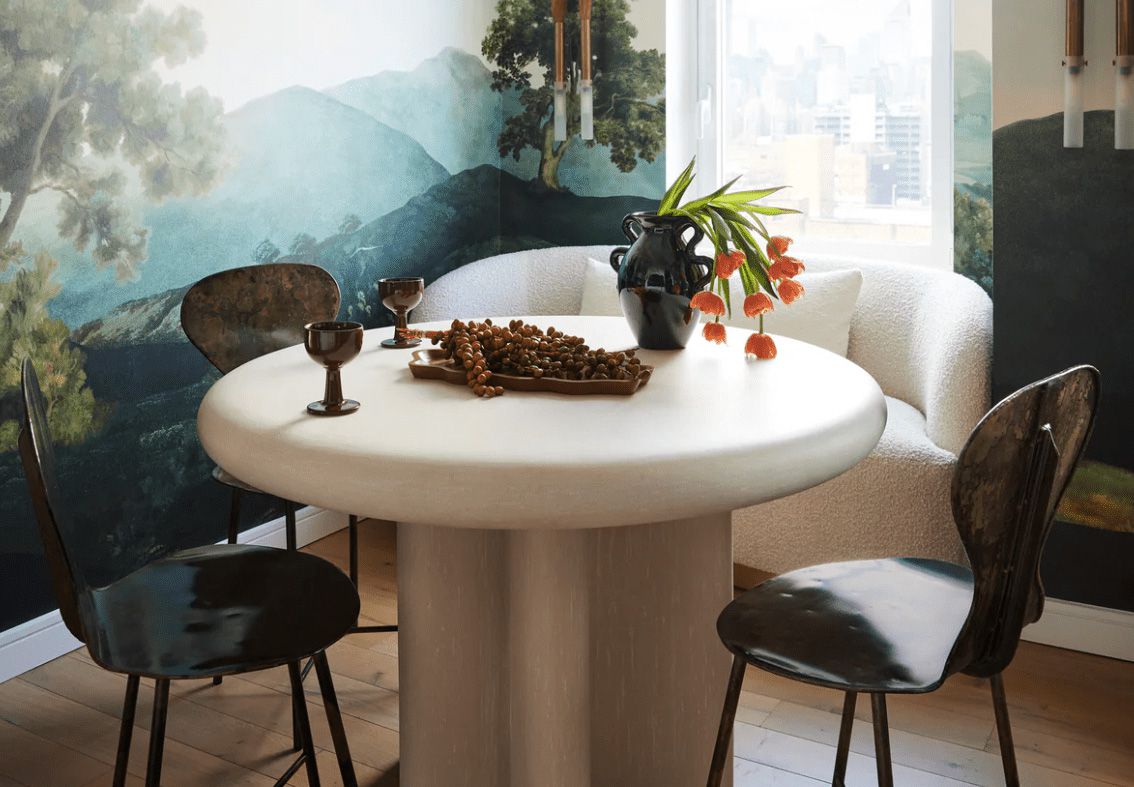
Upgrade #5: Add Character to Walls with Wallpaper, Murals, Limewash, or Plaster
Paint is great. Paint is safe. Paint is also what you do when you’re trying not to get emotionally attached. Designers, on the other hand, tend to
treat walls like an opportunitynot just a boundary. When they want a home to feel personal and high-end, they add depth: wallpaper, plaster,
limewash, or even a custom mural that makes the space unmistakably theirs.
Why wall treatments are “regret-proof” when done right
- Big impact, no new floor plan: Your room feels transformed without moving a wall.
- Texture reads expensive: Subtle variation in the surface adds richness that flat paint can’t match.
- Personality boost: A mural or bold wallpaper can become the room’s signature.
Pick the right treatment for the right room
Wallpaper: Great for dining rooms, powder rooms, bedroomsanywhere you want drama. If you’re nervous, start small:
a powder room is basically a design laboratory with a door.
Limewash: A soft, cloud-like finish that adds depth and an “old-world” vibe. It can look neutral without looking boring.
It’s especially beautiful in living rooms, bedrooms, and hallways where you want warmth and movement.
Plaster / Venetian plaster: More artisanal, more tactile, and often more of a commitment. It creates an enveloping, high-end look
that works beautifully in minimalist spaces that might otherwise feel flat.
Custom murals: The ultimate personal touch. A mural can tell a storytravel, family history, favorite landscapeswithout
requiring a gallery wall that you’ll rearrange every six months.
A quick reality check (so you don’t regret it)
Sample everything. View it in morning light and evening light. Touch the texture. Live with it for a week. And if you’re hiring out,
choose someone who does that finish regularlythese materials can be unforgiving when installed like a “fun weekend experiment.”
So, What Do These Upgrades Have in Common?
Designers don’t regret upgrades that improve how a home feels to live in, not just how it photographs. These five moves:
elevate daily rituals, increase comfort, add personality, and make a space feel more intentionalwithout requiring a full renovation
or a second mortgage disguised as “a refresh.”
If you’re deciding where to invest first, ask one simple question: What do I touch and experience every day?
The answer will usually lead you straight to the regret-free choices.
Real-World Experiences: What Living with These Designer Upgrades Actually Feels Like (Extra)
Reading a list of upgrades is one thing. Living with them is where the “no regrets” part becomes obviousbecause these changes show up in tiny,
everyday moments you don’t realize you’ve been tolerating.
The switch upgrade is the quietest flex. It’s not that guests walk in and shout, “Wow, gorgeous toggles!” (although your most detail-obsessed friend might).
It’s more like: your entry suddenly feels curated, not cookie-cutter. You stop noticing the switch because it stops looking cheap. And every time you flip it,
the experience feels deliberatelike the home is cooperating with you instead of resisting.
Layered lighting + dimmers changes how your evenings feel. People often describe the first week with dimmers as oddly emotionalbecause they finally
realize how harsh their old lighting was. The living room becomes a place you actually want to linger. The bedroom stops feeling like a multipurpose storage unit
where you happen to sleep. And you start “setting scenes” without thinking: bright for cleaning, medium for cooking, low for winding down. It’s not fancy.
It’s humane.
The shower upgrade pays you back on your worst days. When you’re exhausted, sore, stressed, or just not in the mood to be a person,
a better shower feels like a small rescue. Homeowners who add a handheld head often say they can’t believe they lived without itwashing hair gets easier,
rinsing the shower is faster, bathing kids (or dogs) stops being a minor athletic event, and the whole routine becomes less messy. If you go for a rain head too,
it’s the closest you’ll get to a hotel-level experience without tipping anyone.
Better plumbing fixtures are one of those upgrades you appreciate more over time, not less. A solid handle, smooth turning action,
and a finish that ages gracefully makes the room feel more “done,” even when you haven’t changed anything else. Unlacquered brass, in particular, becomes a story:
you see where the finish darkens from touch, where it softens around edges, where it slowly becomes uniquely yours. Some people love that “living finish” romance.
Others decide they prefer a cleaner, consistent lookand that’s okay too. The point is to choose a finish that matches your tolerance for patina and maintenance.
Wall treatments are where personality moves in and pays rent. A limewash wall can make a room feel warmer and more dimensionallike it has history,
even in a newer home. Wallpaper and murals, meanwhile, tend to become memory anchors: the powder room everyone remembers, the dining room that feels like an occasion,
the hallway that suddenly isn’t just a hallway. The most common “experience-based” advice is simple: commit where it makes you happy every day, and keep it calmer
where you need mental rest. Bold powder room? Yes. Chaotic wallpaper in your home office during tax season? Maybe not.
Taken together, these upgrades don’t just “increase resale value” (sometimes they do, sometimes they don’t). They increase life value.
They reduce friction, add comfort, and make your home feel like it was designed for the way you actually livemessy mornings, tired nights, spontaneous guests,
and all.












