
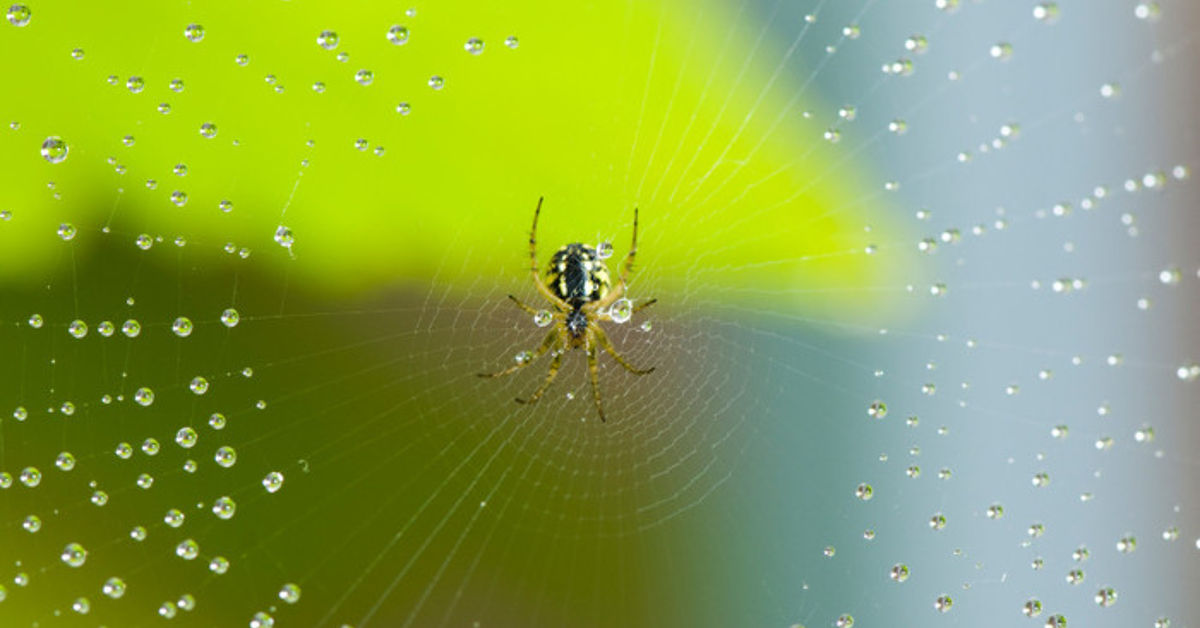
There is nothing quite like walking into the bathroom at midnight and discovering an eight-legged tenant occupying the sink. It does not pay rent, it ignores personal boundaries, and it always seems to appear when you are least emotionally prepared.
The good news is that keeping your home spider free usually does not require turning every room into a chemical fog zone. Spiders enter houses mainly because they find access, shelter, moisture, or a dependable supply of insects to eat. Remove those advantages, and your home becomes far less appealing.
The most effective spider prevention strategy combines exclusion, cleaning, insect control, outdoor maintenance, and regular monitoring. These five easy methods address the reasons spiders appear instead of simply chasing individual spiders around with a shoe.
Why Do Spiders Enter Homes?
Spiders are predators. They do not normally move indoors because they admire your decorating choices or have heard good things about your Wi-Fi. They go where they can find prey, protected hiding places, and suitable temperatures.
Flying insects attracted to porch lights can draw spiders toward doors and windows. Cracks in foundations, damaged screens, gaps beneath doors, utility openings, and loose siding can then provide convenient entry routes. Once inside, basements, garages, closets, attics, and storage rooms offer the quiet corners many species prefer.
A single spider does not necessarily indicate an infestation. Some spiders simply wander indoors by accident. However, repeated sightings, multiple webs, or egg sacs may indicate that the home provides favorable conditions for spiders or the insects they hunt.
Most spiders are more helpful than harmful
Most spiders found in and around American homes are not aggressive and are unlikely to cause medical problems. Outdoors, they help control flies, mosquitoes, moths, beetles, and many garden pests. The goal, therefore, is not to eliminate every spider from your property. It is to keep them out of living spaces and away from places where accidental contact is likely.
1. Seal Cracks, Gaps, and Other Spider Entry Points
The most reliable way to keep spiders out is also the least dramatic: close the doors they are using. A spider cannot settle behind your bookshelf if it cannot get through the exterior wall in the first place.
Walk slowly around the outside of your home and inspect the foundation, siding, windows, doors, vents, and locations where pipes or cables enter the building. Even narrow openings may admit small spiders and the insects that become their food.
Focus on these common problem areas
- Gaps beneath exterior doors
- Torn or poorly fitted window screens
- Cracks around the foundation
- Openings around plumbing, electrical lines, and air-conditioning equipment
- Loose weather stripping around doors and windows
- Unscreened attic, crawl-space, dryer, or foundation vents
- Spaces where siding meets masonry or trim
Use an appropriate exterior-grade caulk or sealant for narrow cracks. Install door sweeps where daylight is visible beneath exterior doors, replace worn weather stripping, and repair damaged screens. Larger holes around utility lines may require a durable patching material suitable for the surface.
Do not block openings that are necessary for ventilation or drainage. The objective is to seal unintended access points while allowing the home’s building systems to function safely.
Try the nighttime light test
After dark, turn off the indoor lights and ask someone to shine a flashlight around exterior doors. Visible light entering around the frame can reveal gaps that are easy to overlook during the day. Fixing those gaps may also reduce drafts, making spider prevention one of the rare household projects that can annoy pests and improve comfort at the same time.
2. Remove Webs, Egg Sacs, and Indoor Hiding Places
Spiders favor spaces that remain quiet for long periods. A cardboard box untouched since 2017 may look like clutter to you, but to a spider it resembles a gated community with excellent privacy.
Regular cleaning disturbs hiding places and removes webs, spiders, prey remains, and egg sacs. Use a vacuum with a crevice attachment to clean corners, baseboards, window frames, ceiling edges, beneath furniture, behind appliances, and around stored belongings.
Empty the vacuum after spider cleanup
When practical, empty the vacuum canister into a sealed outdoor trash bag immediately after cleaning. Disposable bags should also be removed and discarded according to the manufacturer’s instructions. This prevents captured pests from remaining in the machine or escaping indoors.
Reduce clutter without making your house joyless
You do not need to become a minimalist who owns one chair and a decorative lemon. Concentrate on areas where spiders are most likely to remain undisturbed:
- Basements and crawl spaces
- Garages and workshops
- Attics and utility rooms
- Closet floors
- Storage areas beneath stairs
- Spaces behind rarely moved furniture
Replace damaged cardboard boxes with tightly closing plastic containers, especially for seasonal clothing, holiday decorations, shoes, and linens. Keep storage bins slightly away from walls when possible so the surrounding area can be inspected and cleaned.
Shake out gloves, boots, towels, and clothing that have been stored in garages, sheds, or basements. Avoid leaving piles of laundry on the floor for long periods. A sweatshirt mountain may feel temporary, but local spiders may interpret it as available real estate.
Create a simple web-removal schedule
Inspect high-risk areas every one or two weeks during seasons when spider activity is noticeable. Removing a new web promptly discourages long-term occupation and makes it easier to identify where spiders are entering.
3. Reduce the Insects Spiders Eat
Spiders are often a symptom of another pest problem. If flies, moths, mosquitoes, ants, cockroaches, or pantry insects are plentiful, spiders have little reason to leave. Reducing this food supply is one of the most important forms of long-term spider control.
Adjust outdoor lighting
Bright exterior lights can attract flying insects, which may encourage spiders to build webs near doors, windows, and porches. Use outdoor lighting only when needed, and consider motion-activated fixtures instead of lights that remain on all night.
Where appropriate, choose warm-colored or yellow-toned exterior bulbs that tend to attract fewer insects than some bright, cool-colored lights. Position fixtures so they illuminate entrances from a short distance rather than mounting every light directly above a doorway.
Remove indoor insect attractions
- Store cereal, flour, rice, pet food, and snacks in sealed containers.
- Clean crumbs and spills promptly.
- Rinse recyclable cans and bottles before storing them indoors.
- Keep trash containers covered and empty them regularly.
- Repair dripping faucets and leaking pipes.
- Clean drains and address persistent fruit-fly or gnat activity.
- Check window screens before opening windows at night.
Moisture also matters because damp spaces can support insects that spiders hunt. Use exhaust fans in bathrooms, correct plumbing leaks, improve drainage, and consider a dehumidifier in persistently damp basements. Keep gutters clear so water drains away from the foundation rather than creating a miniature insect resort beside the house.
Investigate repeated sightings
If spiders repeatedly appear in one room, look for the prey source. A web near a kitchen window may be associated with tiny flies. Spiders in a basement may be feeding on crickets, beetles, or other occasional invaders. Solving the insect problem often reduces spider activity more effectively than spraying the spiders themselves.
4. Make the Area Around Your Home Less Spider Friendly
Spider prevention begins outside. Dense vegetation, firewood, leaf litter, stones, boards, and unused equipment can provide sheltered habitat close to the foundation. The shorter the trip from outdoor hiding place to indoor crack, the more likely an accidental visitor becomes a permanent roommate.
Create breathing room around the foundation
Trim shrubs, vines, and tree branches so they do not press against siding, windows, gutters, or the roof. Remove heavy leaf litter and grass clippings from the immediate perimeter of the home. Avoid allowing mulch to pile against siding or cover foundation vents.
Store firewood off the ground and away from the house whenever space allows. Inspect each piece before carrying it indoors, and bring in only the amount of wood you intend to use soon. Firewood stored beside a door may be convenient for you, but it is equally convenient for spiders.
Clean exterior webs regularly
Use a broom, vacuum designed for outdoor use, or a firm stream of water to remove webs from eaves, porch railings, shutters, window frames, and siding. Repeat as needed, particularly around lights and insect-heavy areas.
Removing exterior webs will not eliminate every spider, nor should it. It simply discourages web-building directly beside entry points. Leave spiders alone when they are living harmlessly in distant garden areas, where they can continue reducing insect populations without appearing in your shower.
5. Monitor Spider Activity and Use Targeted Control
After cleaning and sealing, monitor the home to determine whether the plan is working. Sticky monitoring traps can be placed along walls, behind furniture, beneath shelving, or in other locations where spiders have been seen. Keep traps away from children and pets and follow the product instructions.
These traps are most useful as monitoring tools. Their location can reveal whether spiders are entering through a particular room or moving along a specific wall. Date each trap and check it regularly rather than allowing it to become an archaeological record of every creature that crossed the basement since spring.
Remove individual spiders safely
For a spider that can be approached without risk, place a container over it, slide stiff paper or cardboard underneath, and release it outside away from doors and windows. A vacuum can also remove spiders and webs when direct handling is undesirable.
Do not handle an unidentified spider with bare hands. Spider identification can be difficult, and color alone is rarely enough to confirm a species.
Use pesticides only when necessary
Routine indoor spraying is often less useful than exclusion, sanitation, and prey reduction. Sprays may kill spiders contacted directly but fail to correct the openings, clutter, or insect activity that attracted them.
When a pesticide is genuinely needed, select a product labeled for the intended location and pest, read the entire label, and follow every instruction. More product is not more effective; it is simply more product. Avoid improvised mixtures and never apply outdoor products indoors unless the label specifically permits it.
Know when to call a professional
Contact a licensed pest-management professional when sightings remain frequent despite prevention efforts, numerous egg sacs are present, spiders are emerging from inaccessible wall voids, or a medically significant species may be involved. A professional can identify the spider, locate contributing conditions, and recommend targeted treatment.
Common Spider-Control Mistakes to Avoid
Relying entirely on peppermint oil
Strong scents may temporarily affect where some spiders travel, but homemade oil sprays are not a dependable substitute for sealing gaps and reducing insect prey. Essential oils may also damage finishes, irritate people or pets, and require frequent reapplication. Treat scented products as optional accessories, not the foundation of your spider-prevention plan.
Spraying every visible web
A web is evidence, not the underlying cause. Remove it, then inspect nearby lights, cracks, screens, moisture sources, and insect activity. Otherwise, another spider may rebuild in the same location.
Ignoring the garage
Attached garages frequently contain gaps, clutter, insects, and exterior access. Weather-strip the door leading into the house, seal utility openings, and avoid storing shoes or clothing directly on the garage floor.
Expecting a permanently spider-free property
No responsible method can guarantee that a spider will never wander inside again. The realistic goal is to make sightings uncommon, prevent populations from becoming established, and reduce the chance of surprise encounters.
A Simple Spider-Prevention Checklist
- Inspect exterior doors, windows, screens, vents, and foundations.
- Install door sweeps and replace worn weather stripping.
- Vacuum webs, corners, baseboards, and storage areas regularly.
- Move stored belongings into sealed containers.
- Reduce flies, moths, ants, and other indoor insect prey.
- Repair leaks and improve ventilation in damp rooms.
- Use outdoor lights only when necessary.
- Trim vegetation away from the house.
- Relocate firewood, boards, and debris away from the foundation.
- Monitor recurring activity before considering pesticides.
Conclusion: A Spider-Free Home Starts With Prevention
The best way to keep your home spider free is to make it difficult to enter and unrewarding to occupy. Seal exterior gaps, remove webs and hiding places, reduce insect prey, maintain the area around the foundation, and monitor locations where spiders repeatedly appear.
These steps are inexpensive, practical, and far more sustainable than chasing each spider individually. You may still encounter the occasional wandering arachnid, but it should feel like an unusual visitor rather than a member of the household.
A Homeowner’s Two-Week Spider Reset: A Practical Experience
The following composite experience reflects the type of results homeowners commonly notice when several spider-prevention methods are used together.
The problem began with small webs in predictable places: one behind the living-room curtains, two around the basement windows, and a particularly ambitious construction project above the garage door. Removing the webs helped for several days, but they soon returned. That made it clear that cleaning alone was treating the visible evidence rather than the conditions behind it.
The first weekend became inspection day. A slow walk around the exterior revealed a torn corner in a basement window screen, a noticeable gap beneath the garage side door, and openings around a cable line. None looked enormous, but together they provided several possible entrances. The screen was patched, a door sweep was installed, and the cable opening was sealed with an appropriate exterior material.
The garage produced the next discovery. Cardboard boxes were stacked directly against the wall, gardening gloves were stored on the floor, and a small pile of leaves had collected near the side door. The boxes were replaced with lidded plastic containers, the gloves were hung on hooks, and the leaves were removed. Vacuuming beneath the shelving uncovered old webs and dead insectsessentially a spider buffet that had been operating without a permit.
Attention then moved outside. A porch light stayed on from sunset until morning and attracted moths, gnats, and other flying insects. The bulb was changed to a warmer-toned option, and the fixture was placed on a motion sensor. Webs around the light and door frame were brushed away. A shrub touching the siding was trimmed back, while a small firewood stack beside the garage was moved farther from the building.
During the first week, two spiders still appeared indoors. That initially felt like failure, but it was more likely delayed activity from spiders already inside. Sticky monitoring traps were placed along basement walls and behind a garage shelf. One trap collected several tiny crawling insects near the basement window, suggesting that the area still offered food.
A closer look revealed condensation and a minor plumbing drip near a utility sink. The leak was repaired, and a dehumidifier was used during damp weather. By reducing moisture, the basement became less attractive to insects and, indirectly, less useful to spiders.
By the end of the second week, no new webs had appeared in the living room. The basement traps showed less activity, and the garage corners remained clear after vacuuming. The biggest lesson was that no single trick created the improvement. Peppermint spray was unnecessary, and the house did not need to be soaked in pesticide. Progress came from combining several ordinary tasks: sealing, cleaning, drying, organizing, and changing the outdoor lighting.
The experience also changed the weekly routine. A five-minute inspection was added to normal cleaning: check the basement windows, look behind the garage shelving, remove new exterior webs, and make sure stored items remain off the floor. That small habit helped catch problems early, before another spider had time to select a corner, furnish it with silk, and invite the extended family.











