
Note: This article is written as original, publish-ready HTML content and is based on synthesized travel insights from reputable travel, hospitality, tourism, health, and consumer research sources.
Travel has a funny way of turning ordinary people into philosophers with carry-on luggage. One person returns from Paris insisting that “real travelers never eat near tourist attractions.” Another comes home from Bali and suddenly has opinions about linen pants, silent retreats, and whether a smoothie bowl can be spiritually meaningful. Meanwhile, someone else just wants a clean hotel room, a decent airport sandwich, and a vacation where nobody says the word “authentic” every four minutes.
That is where unpopular travel opinions come in. They are the spicy little truths travelers whisper in airport lounges, group chats, and hotel elevators when no travel snob is around to gasp dramatically into their reusable water bottle. Some of these opinions challenge the idea that travel must always be rugged, exotic, expensive, or deeply transformative. Others question the pressure to avoid popular destinations, eat only “local,” pack like a minimalist monk, or treat every trip like a documentary audition.
The truth is simple: travel is personal. A dream trip for one person may be a logistical punishment for another. Some travelers love hostels. Some love cruises. Some think walking 28,000 steps on cobblestones builds character. Others believe vacation should include air-conditioning, elevators, and snacks within arm’s reach. Nobody is wrongunless they clap when the plane lands and then block the aisle for 14 minutes. That may require a committee hearing.
Why Unpopular Travel Opinions Hit A Nerve
Travel opinions feel personal because vacations are tied to money, identity, time, status, and taste. People do not just choose destinations; they choose what those destinations say about them. A person who books a remote mountain lodge may see themselves as adventurous. A person who chooses an all-inclusive resort may value rest, simplicity, and unlimited guacamole. A person who spends three days comparing boutique hotels may simply enjoy researchor may need to be gently rescued from 47 open browser tabs.
Modern travel trends show that people increasingly care about meaningful experiences, reviews, sustainability, safety, flexibility, food, wellness, and value. At the same time, rising costs have made travelers more practical. Many people are choosing shorter trips, domestic destinations, small towns, off-season travel, or less famous alternatives to crowded hotspots. In other words, the era of “one correct way to travel” is officially over. Somebody please inform the man in the airport café explaining why backpacks are morally superior to suitcases.
40 Unpopular Travel Opinions That Might Ruffle Travel Snobs
1. Tourist attractions are popular for a reason
Yes, the Eiffel Tower, Times Square, the Grand Canyon, and the Colosseum are crowded. They are also famous because they are memorable. Pretending not to enjoy iconic places does not make someone cultured; it just makes them tired and slightly theatrical.
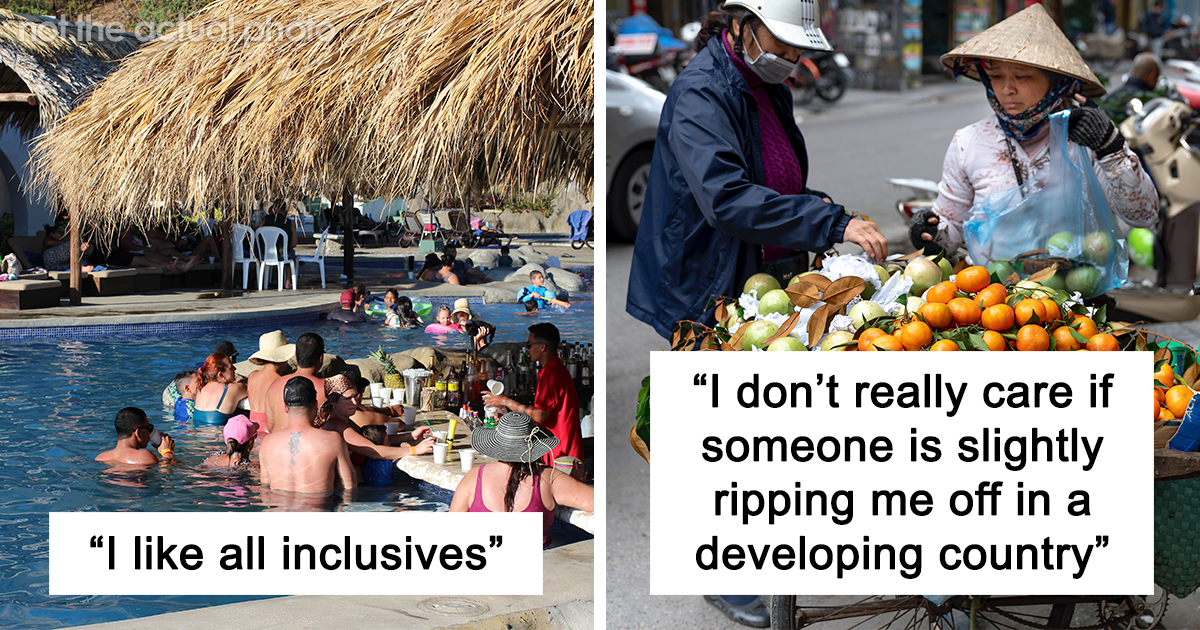
2. All-inclusive resorts are not “fake travel”
Sometimes the goal is not cultural immersion. Sometimes the goal is sunscreen, sleep, and a plate of breakfast food large enough to concern a nutritionist. Resorts can be restful, convenient, and perfect for families, couples, and burned-out humans.
3. Cruises are underrated
Cruises get mocked by people who act like unpacking once, visiting multiple places, and having dinner already handled is a personal failure. For travelers who like structure, entertainment, and easy logistics, cruises can be a very smart vacation.
4. Not every trip needs to be life-changing
A weekend in a beach town does not need to “transform your worldview.” It can simply transform your stress level from “emails are attacking me” to “I am eating fries near water.” That counts.
5. Chain hotels can be better than boutique hotels
Boutique hotels are charming until the bathroom door is decorative, the elevator is “part of the historic experience,” and breakfast is one poetic fig. A reliable chain hotel with clean sheets, strong Wi-Fi, and predictable service deserves respect.
6. Sometimes the hotel matters more than the destination
Travel snobs may say, “You only sleep there.” That is cute. Some of us also shower there, recover there, work there, hide from rain there, and emotionally reboot there after one too many museum stairs.
7. Overpacking is not always a crime
Packing light is wonderful until the weather changes, your shoes betray you, or you need something specific at 10 p.m. A checked bag is not a moral weakness. It is just a suitcase with ambition.
8. Airport food is part of the adventure
Is a $17 sandwich ideal? No. Is eating it while watching departure screens a sacred travel ritual? Absolutely. Airport food has a chaotic charm, especially when your flight is delayed and pretzels become dinner.
9. Guided tours can be fantastic
Some travelers sneer at tours as if getting historical context from a knowledgeable local is embarrassing. A good guide can turn a pile of old stones into a story. Wandering cluelessly is not automatically superior.
10. “Authentic” is overused
Authentic travel has become one of the most over-polished words in tourism. A meal is not automatically fake because other visitors are eating it. A neighborhood is not a theme park just because it appears on a travel blog.
11. It is okay to skip museums
Museums are wonderful, but not everyone wants to spend vacation whispering near ancient pottery. Some people connect with a city through parks, food, markets, architecture, music, or simply sitting at a café and people-watching.
12. You do not have to wake up at sunrise
Sunrise hikes look magical online. They also involve alarms that feel illegal. If your perfect travel morning begins at 9:30 with coffee and no headlamp, congratulationsyou are still traveling correctly.
13. Famous restaurants are not automatically overrated
Some popular restaurants are tourist traps. Others are popular because they are genuinely good. The line outside does not always mean “avoid.” Sometimes it means “the dumplings are doing excellent public relations.”
14. Souvenirs are not tacky
A fridge magnet, snow globe, or cheesy T-shirt can hold more joy than a minimalist ceramic bowl that costs half your rent. Travel memories do not have to be tasteful enough for an architecture magazine.
15. Staycations count as travel
Exploring your own city, booking a nearby cabin, or spending a weekend in a town two hours away can be refreshing. Distance does not determine value. Neither does passport stamp density.
16. Domestic travel can be just as exciting as international travel
The United States alone has deserts, islands, mountains, historic cities, national parks, small towns, food regions, music scenes, and beaches. You do not need an ocean crossing to have a real adventure.
17. Influencer-famous spots are not automatically bad
Social media can overcrowd places, but it can also introduce travelers to beautiful destinations, independent hotels, family-run restaurants, and overlooked towns. The problem is not inspiration; it is traveling only for the photo.
18. Taking photos is not “missing the moment”
Some people remember through pictures. Taking a photo does not mean you are disconnected. The real issue is blocking traffic, climbing where you should not, or making a waterfall watch your 38-minute posing session.
19. Theme parks are real vacations
Theme parks involve planning, walking, food, hotels, transportation, budgeting, and emotional highs and lows. That sounds like travel. Also, any place where adults debate churro strategy deserves cultural recognition.
20. Not everyone needs to love hostels
Hostels can be social and budget-friendly. They can also involve snoring strangers, mysterious towel ownership, and someone microwaving fish at midnight. Wanting privacy does not make a traveler boring.
21. Luxury travel is not automatically shallow
Comfort can deepen a trip. A better location, safer transportation, experienced guide, or quiet room may help travelers enjoy more, not less. Luxury becomes shallow only when it turns into arrogance.
22. Budget travel is not automatically noble
Saving money is smart, but suffering is not a personality. The cheapest option is not always the best option, especially when it costs time, safety, sleep, or your last remaining nerve.
23. Planning is not the enemy of spontaneity
Some travelers worship “going with the flow,” which is lovely until every restaurant is booked and the last train left yesterday. Planning creates room for spontaneity because your basics are handled.
24. Travel apps are useful
Using maps, translation tools, booking platforms, digital wallets, and review sites does not make a trip less pure. It makes you less likely to stand on a corner looking confused while your phone battery dies dramatically.
25. Reviews matter
Travelers increasingly rely on reviews because reviews reduce risk. A hotel’s marketing copy will always say “cozy.” A guest review may clarify whether “cozy” means charming or “you can brush your teeth from the bed.”
26. The beach is enough
Some people feel pressure to “do something” every day. But lying on a beach with a book is not wasted travel. It is rest, and rest is a legitimate itinerary item.
27. Big cities can be exhausting
New York, Los Angeles, Chicago, Paris, London, and Tokyo offer endless things to do. They can also drain your battery faster than a phone searching for airport Wi-Fi. Loving travel does not mean loving crowds.
28. Small towns deserve more attention
Small towns often offer lower costs, local character, slower pacing, independent shops, regional food, and less pressure to “see everything.” Sometimes the best travel memory is a bakery, a bookstore, and zero agenda.
29. You do not need to eat adventurously every meal
Trying local food is one of travel’s great pleasures. But if you need a familiar meal after days of experimentation, order it. Your stomach is not a cultural betrayal machine.
30. Street food is not always better
Street food can be amazing, but food safety still matters. A busy stall with fresh turnover may be great; a lonely tray of mystery meat under the sun may be an audition for regret.
31. Travel insurance is not boring
Travel insurance is the sensible cardigan of trip planning. Nobody brags about it until flights cancel, luggage disappears, or someone twists an ankle on a charming cobblestone street built by enemies of ankles.
32. Safety research is part of good travel
Checking health guidance, weather, local laws, transportation safety, and travel advisories is not paranoid. It is mature. The goal is adventure, not becoming a cautionary paragraph.
33. Off-season travel is often better
Shoulder season can mean fewer crowds, better prices, cooler weather, and more relaxed locals. Peak season has energy, but it also has lines long enough to make you question civilization.
34. Overtourism is a real issue
Destinations can suffer when visitor numbers overwhelm housing, infrastructure, nature, and local life. Being a thoughtful traveler means noticing when a place is under pressure and choosing better times, routes, or alternatives.
35. “Hidden gems” rarely stay hidden
The phrase “hidden gem” now often means “place with 900 TikTok videos and one overwhelmed coffee shop.” Instead of chasing secrecy, travelers can focus on respect, timing, and realistic expectations.
36. You can love travel and hate flying
Flying includes security lines, boarding groups, tiny seats, delays, and the ancient mystery of why everyone stands up immediately after landing. Disliking airports does not make someone anti-travel. It makes them honest.
37. Sometimes direct flights are worth the money
A cheap flight with two layovers can look heroic at checkout and villainous at 2 a.m. Paying more for fewer connections may save time, stress, and the spiritual cost of sleeping near a vending machine.
38. Not every traveler needs a backpack
Rolling luggage is practical. It protects your back, organizes your clothes, and glides beautifully across smooth airport floors like a tiny obedient robot. Backpacks are useful, but they are not a personality requirement.
39. Returning to the same place is underrated
Travel culture often celebrates newness, but repeat trips can be richer. You learn neighborhoods, revisit favorite cafés, skip beginner mistakes, and experience a destination with less pressure to conquer it.
40. The best trip is the one that fits your real life
The perfect vacation is not the one that impresses strangers. It is the one that fits your budget, energy, interests, health, schedule, and comfort level. Travel snobs may disagree, but they are not paying your credit card bill.
What These Opinions Reveal About Modern Travel
These unpopular travel opinions point to a larger truth: travelers are becoming more practical and more personal in how they plan. They still want memorable experiences, but they also want value, convenience, safety, comfort, and flexibility. A traveler may book a famous museum one day and spend the next afternoon doing absolutely nothing by a hotel pool. That is not inconsistency. That is balance.
The modern traveler is also more aware of impact. Overtourism, sustainability, local communities, housing pressure, and environmental strain are no longer niche concerns. Many people now think about how their choices affect the places they visit. That does not mean everyone must become a perfect eco-warrior with a bamboo toothbrush and a spreadsheet of carbon offsets. It does mean travelers can make better choices: visit during quieter seasons, support local businesses, avoid disrespectful behavior, use public transportation when practical, and treat neighborhoods like communities rather than movie sets.
At the same time, travel should not become a performance contest. The person eating gelato near a landmark may be having just as meaningful a moment as the person hiking to a remote village with no cell service. The traveler who books a tour may learn more than the traveler who refuses help. The family at a resort may be building lifelong memories. The solo traveler in a chain hotel may feel safe and comfortable enough to explore confidently.
How To Travel Better Without Becoming A Travel Snob
Choose curiosity over superiority
Curiosity makes travel better. Superiority makes everyone tired. Ask questions. Learn basic local etiquette. Try something new. But do not turn every preference into a personality test. A person can enjoy both street food and room service. Humanity will survive.
Spend where it matters to you
Some travelers spend on hotels. Others spend on food, tours, trains, concerts, national parks, or once-in-a-lifetime experiences. A smart travel budget is not about impressing others. It is about matching money to the parts of the trip that matter most.
Respect the destination, even when relaxing
Relaxed travel does not mean careless travel. Follow local rules, dress appropriately where needed, avoid blocking sidewalks for photos, tip according to local custom, reduce waste when possible, and remember that people live where you vacation.
Leave room for boring moments
Not every hour needs a highlight. Some of the best travel memories happen between attractions: a quiet breakfast, a funny train delay, a conversation with a shop owner, or an accidental discovery made while looking for a restroom and finding a bakery instead.
Extra Travel Experiences: Lessons From Trips That Did Not Go According To Plan
Some of the most useful travel wisdom comes from trips that look slightly ridiculous in hindsight. The first lesson is that the “perfect itinerary” usually lasts until the first delayed flight, unexpected rainstorm, closed restaurant, or travel companion who suddenly needs a nap with the seriousness of a medical emergency. A good trip is not one where everything goes exactly as planned. A good trip is one where the plan bends without snapping like a discount umbrella in coastal wind.
One common experience is realizing that famous attractions can be both crowded and completely worth it. Many travelers arrive at a legendary landmark expecting disappointment because the internet has trained everyone to be suspicious of popularity. Then the sunset hits the stone, the skyline lights up, or the canyon opens in front of them, and suddenly all the cynicism falls into a souvenir tote bag. The crowd may still be annoying, but the moment can still be real.
Another lesson is that comfort matters more than people admit. A poorly located hotel can quietly sabotage a trip. Saving money by staying far outside the center may seem clever until every day begins and ends with a long commute. Comfortable shoes, decent sleep, climate control, and a safe neighborhood are not luxuries when they determine whether you actually enjoy the destination. Travel snobs may romanticize discomfort, but sore feet have never improved anyone’s appreciation of Renaissance architecture.
Food experiences also teach humility. Many travelers start with noble goals: eat only local, avoid chains, try everything, never repeat a restaurant. By day four, they are emotionally attached to a simple sandwich because it arrives quickly and does not require translation, courage, or digestive negotiations. The best food trips often mix ambition with common sense: a market lunch here, a reservation there, a familiar snack when needed, and enough flexibility to follow the smell of fresh bread down a side street.
Group travel brings its own education. The person who wants to see seven attractions before lunch should not be allowed to control the entire itinerary unless everyone signs a waiver. The person who says “I’m fine with anything” may secretly have strong opinions about dinner. The best group trips happen when people admit their real preferences early: budget, pace, food, sleep, walking tolerance, and whether “quick stop” means five minutes or an archaeological era.
Solo travel offers a different kind of lesson. It can be freeing, peaceful, and confidence-building, but it does not have to look cinematic. Sometimes solo travel means eating alone happily. Sometimes it means joining a guided tour because you want company. Sometimes it means going back to the hotel early because nobody is there to pressure you into one more bar, one more view, or one more staircase designed by someone with suspiciously strong calves.
The biggest travel lesson is that joy is often practical. Book the direct flight when it saves your sanity. Take the taxi when you are exhausted. Skip the attraction you do not care about. Revisit a place you love instead of chasing a new pin on the map. Buy the silly magnet. Take the photo. Eat the airport fries. Travel becomes better when it stops being a performance and starts becoming an honest conversation with your own energy, budget, curiosity, and limits.
Conclusion
Unpopular travel opinions ruffle feathers because they challenge the fantasy that there is one enlightened way to see the world. In reality, great travel can be luxurious, budget-friendly, local, international, planned, spontaneous, famous, obscure, active, lazy, solo, social, simple, or wildly complicated. The best travelers are not the ones with the most stamps, the smallest backpacks, or the strongest opinions about “hidden gems.” They are the ones who stay curious, behave respectfully, and build trips that actually fit their lives.
So yes, book the chain hotel. Take the guided tour. Visit the tourist attraction. Sleep in. Check a bag. Go back to the same beach town for the third time. Order room service if your feet have filed a formal complaint. The world is big enough for every travel style, even the ones that make snobs clutch their passport covers in horror.











