
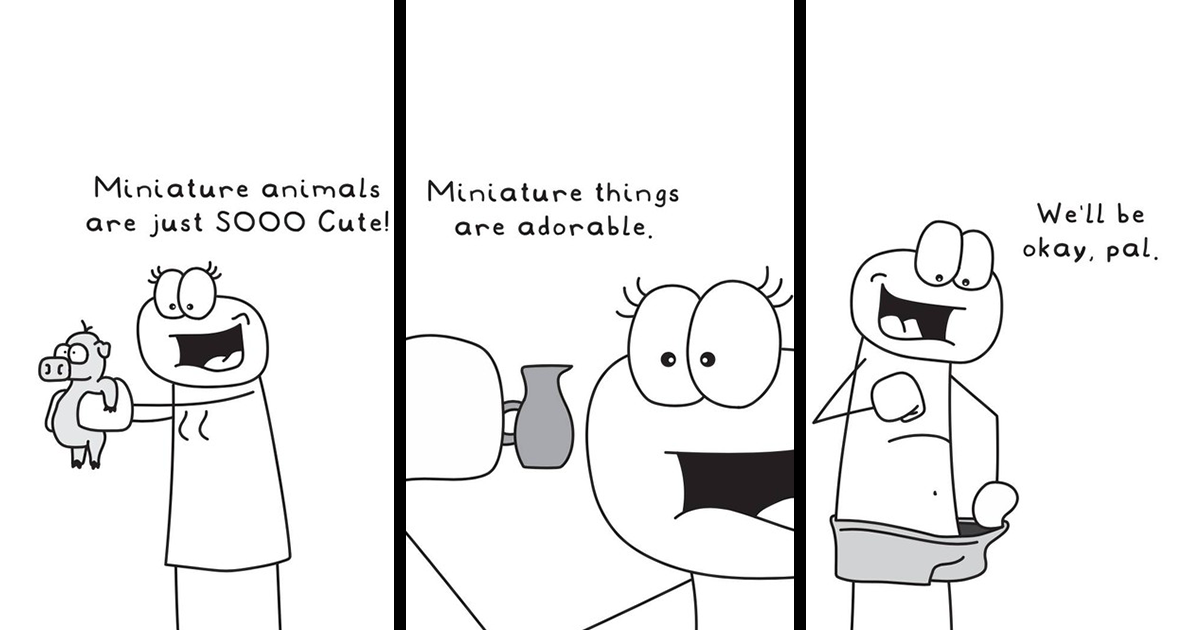
Everyday life is basically one long comic strip with fewer dramatic capes and more laundry. You wake up with heroic intentions, promise yourself you will drink more water, answer emails like a responsible adult, eat something green, and maybe even fold the clothes before they become a soft mountain in the corner. Then reality enters the room wearing mismatched socks and carrying a phone battery at 3%.
That is why funny and relatable comics about everyday situations hit so hard. They do not need dragons, explosions, or villains with complicated backstories. The villain is usually a fitted sheet. The plot twist is realizing you left your coffee in the microwave. The emotional climax is opening the fridge for the fifth time and still finding the same three disappointed ingredients staring back at you.
Relatable everyday life comics work because they turn tiny frustrations into shared laughter. A good comic can take the awkwardness of small talk, the horror of accidentally liking an old post, or the suspicious confidence of online shopping at midnight and make readers think, “Wait, that is literally me.” In a world that often feels too polished, these comics celebrate the gloriously messy, funny, ordinary parts of being human.
Why Everyday Life Makes the Best Comedy
The funniest situations are often the ones we survive quietly every day. Nobody gives you a medal for successfully leaving the house with matching shoes, remembering your password, or pretending to understand a meeting that could have been an email. But in comic form, these tiny moments become gold.
Comics are especially good at capturing everyday humor because they are fast, visual, and flexible. A single raised eyebrow can say what a paragraph cannot. A tiny character lying face-down on the floor can represent burnout, Monday mornings, social exhaustion, and the emotional aftermath of checking a bank accountall at once.
The best slice-of-life comics do three things well: they exaggerate reality just enough to be funny, keep the emotion honest, and leave space for readers to recognize themselves. That recognition is the magic ingredient. When readers laugh at a comic about procrastination, overthinking, or snack-based decision-making, they are not just laughing at the drawing. They are laughing at the private little habits they thought only they had.
35 Random Everyday Life Situations That Make Perfect Funny Comics
Below are 35 random, painfully familiar everyday situations that comic artists love to illustrateand readers love to share because, unfortunately, accuracy hurts.
1. Waking Up Five Minutes Before the Alarm
There is a special kind of betrayal in waking up right before the alarm rings. You are technically awake, but emotionally robbed. A funny comic might show a person glaring at the clock like it committed a crime, while the alarm waits in the corner like a smug little goblin.
2. Opening the Fridge for Inspiration
You are not hungry for food. You are hungry for possibilities. Unfortunately, the fridge contains mustard, half a lemon, and one container you are afraid to open. Comics turn this moment into a dramatic quest where the hero finds absolutely nothing and returns ten minutes later to search again.
3. Saying “You Too” at the Worst Possible Time
When a server says, “Enjoy your meal,” and you reply, “You too,” your soul leaves your body for a brief vacation. Relatable comics often stretch this moment into an entire internal courtroom where the brain prosecutes the mouth for crimes against dignity.
4. The Laundry Chair Becoming a Permanent Resident
Every home has a chair, treadmill, or mysterious corner that stopped being furniture and became a clothing ecosystem. A comic can show the chair growing stronger every day, eventually demanding rent and voting rights.
5. Planning to Sleep Early and Failing Dramatically
At 9 p.m., you are a wellness influencer. At 1:17 a.m., you are researching why pigeons walk funny. This everyday situation is a classic comic setup because the gap between intention and behavior is basically the Grand Canyon with Wi-Fi.
6. Forgetting Why You Walked Into a Room
You enter the kitchen with purpose, confidence, and absolutely no memory of your mission. The room has erased your brain like a low-budget magic trick. Comics usually show the character standing frozen while their thoughts scatter like startled birds.
7. The Phone Battery Panic
When your phone hits 5%, every decision becomes urgent. Should you text back? Check directions? Lower brightness? Pray? This comic writes itself: the phone becomes a fragile patient, and the charger becomes a mythical artifact hidden somewhere under the couch.
8. Small Talk in an Elevator
Few things test human survival skills like standing in a moving box with strangers. You stare at the floor numbers as if they contain ancient wisdom. A good comic captures the shared silence, the accidental eye contact, and the heroic relief when the doors open.
9. The “I’ll Just Watch One Episode” Lie
This sentence has ruined millions of sleep schedules. The comic version usually begins with a relaxed viewer and ends with the sun rising, a laptop asking, “Are you still watching?” and the viewer whispering, “Unfortunately, yes.”
10. Grocery Shopping While Hungry
Shopping hungry turns a reasonable person into a snack investor. Suddenly, cereal, frozen pizza, cookies, fancy cheese, and three types of chips all seem essential. Comics exaggerate this by showing the cart as a mountain of cravings while the shopping list cries in the background.
11. Online Shopping Confidence at Midnight
At midnight, every purchase looks like self-improvement. A lamp? New era. A tiny waffle maker? Personality upgrade. Funny comics show the daytime version of the shopper receiving packages and asking, “Who approved this?” The answer, sadly, is past you.
12. Rehearsing a Phone Call Before Making It
Many people become award-winning screenwriters before calling the dentist, mechanic, or customer service. They prepare lines, backup lines, and emotional support water. Then someone answers, and the script immediately turns into alphabet soup.
13. Trying to Look Busy When Someone Walks By
Whether at school, work, or home, humans have a strange talent for suddenly typing with great intensity when observed. A comic might show a character typing “asdfasdfasdf” with the seriousness of a government official handling national secrets.
14. The Battle With Fitted Sheets
Folding a fitted sheet is not a chore; it is a philosophical defeat. Every corner lies. Every fold rebels. The final result resembles a fabric dumpling. Comics love this situation because the sheet can easily become a wild animal with elastic edges and personal grudges.
15. Pretending to Know a Song Lyric
You are singing confidently until the lyrics enter unknown territory. Then you switch to vowel sounds, vibes, and hope. In a comic, the character may be shown belting out “watermelon helicopter something” while acting like they are in a stadium concert.
16. The Weather App Betrayal
The forecast says sunshine. The sky says chaos. Now you are standing in the rain, wearing shoes that absorb water like emotional sponges. Comics turn this into a personal feud between the character and the weather app, which smiles innocently from a dry phone screen.
17. Replying Mentally but Not Actually
You read a message, craft the perfect reply in your head, feel accomplished, and then never send it. Three days later, the conversation has become a social fossil. This is one of the most relatable modern comic situations because the brain really does love fake productivity.
18. The Public Wi-Fi Struggle
Nothing says modern adventure like trying to connect to public Wi-Fi. You accept terms, enter an email, watch a loading wheel, and still end up using mobile data. A comic might show the Wi-Fi symbol as a distant lighthouse, glowing but unreachable.
19. Accidentally Making Eye Contact With a Pet While Eating
Your pet does not understand taxes, deadlines, or personal space, but it understands that you have food. Comics often draw the pet’s eyes as giant emotional lasers, making one bite of sandwich feel like a moral crisis.
20. Cleaning One Thing and Accidentally Starting a Whole Project
You wipe the counter. Then you notice the drawer. Then the cabinet. Suddenly, three hours have passed, and you are reading old receipts from 2019. This comic situation captures the weird momentum of cleaning: once chaos has been exposed, it demands a full documentary.
21. The Group Chat Explosion
You leave your phone for eight minutes and return to 126 messages, three memes, one argument, and a plan nobody understands. Comics can show the phone physically smoking while the character wonders whether to read everything or simply move to the forest.
22. Trying to Eat Neatly in Public
Some foods are designed to humble us. Tacos, powdered donuts, ramen, and anything with sauce can instantly destroy confidence. A comic might show someone taking one elegant bite and then transforming into a human napkin emergency.
23. The “I Have Nothing to Wear” Crisis
This crisis happens while standing in front of a closet full of clothing. Logic is not invited. The comic version often features clothes spilling out like a fabric avalanche while the character insists they own zero acceptable outfits.
24. Thinking of a Great Comeback Too Late
The perfect response never arrives during the conversation. It appears three hours later while brushing your teeth. Comics illustrate this beautifully by showing the character suddenly becoming witty in an empty bathroom, where no one can appreciate the performance.
25. The Mystery of Vanishing Hair Ties and Pens
Some objects enter another dimension. Hair ties, pens, socks, and charging cables disappear with professional skill. A funny comic might reveal a secret underground society where lost items are living their best lives.
26. Trying to Be Productive With Too Many Tabs Open
Your browser has 47 tabs, your brain has 47 more, and none of them are working together. Comics often turn this into a tiny office inside the head where every thought is shouting at once and nobody brought snacks.
27. The Awkward Wave Confusion
You wave at someone. They were waving at the person behind you. You now must choose between pretending to stretch, checking your invisible watch, or leaving society entirely. This is a perfect comic beat because embarrassment moves faster than Wi-Fi.
28. Eating “Just One” Snack
“Just one” is not a plan; it is a prologue. Soon the bag is empty, and you are reading the serving size with the expression of someone betrayed by math. Comics turn this moment into a courtroom drama between willpower and cheese-flavored dust.
29. Password Reset Madness
You create a new password. The website says you used it before. You create another. It needs a symbol, a number, a moon phase, and the emotional support of a wizard. A comic can make the password box look like a gatekeeper with impossible standards.
30. The Shower Thought Breakthrough
Great ideas arrive in the shower, where you cannot write them down. By the time you step out, the idea has evaporated into steam. Comics love showing the brain as a genius in the shower and a confused potato everywhere else.
31. Acting Normal After Tripping
When you trip in public, you immediately become a professional performer. You add a little jog, look at the ground like it was the problem, and pretend your heart is not doing gymnastics. A comic can capture this with one perfect “I meant to do that” pose.
32. The Social Battery Running Out
At the start of a gathering, you are friendly and sparkling. Two hours later, you are thinking about pajamas with spiritual intensity. Comics often show the social battery icon dropping from 100% to 2% after one “So, what have you been up to?”
33. Trying to Open Packaging
Some packaging seems designed by people who fear human happiness. You need scissors, strength, patience, and possibly a motivational speech. Comics can show the product sitting calmly while the customer battles plastic like a medieval knight.
34. The Confidence of Starting a New Hobby
Day one: you buy supplies and imagine a future masterpiece. Day two: you watch tutorials. Day three: the supplies become decor. This comic is relatable because the fantasy of being a pottery-knitting-gardening-baking legend often arrives faster than the actual skill.
35. Finally Relaxing and Remembering One Important Thing
You are comfortable. The blanket is perfect. The lights are off. Then your brain whispers, “You forgot something.” It might be laundry, a message, an assignment, or nothing at all. Either way, peace has been cancelled.
What Makes These Comics So Relatable?
Relatable comics succeed because they compress a whole emotional experience into a simple visual joke. A messy room is not just a messy room; it is delayed responsibility. A dying phone battery is not just technology; it is modern vulnerability. A tiny awkward interaction is not just awkward; it is the kind of moment the brain replays at midnight for no useful reason.
Another reason these comics work is their honesty. They do not pretend life is always organized, stylish, or inspirational. In fact, the funniest everyday comics often come from admitting the opposite. We procrastinate. We overthink. We forget things. We make weird noises when we stand up. We own reusable water bottles and still forget to drink water. Instead of making those habits feel shameful, comics make them feel shared.
The art style also matters. Many relatable comics use simple characters, expressive faces, and clean backgrounds so the joke lands quickly. The character may not have a detailed outfit or realistic anatomy, but they have the exact posture of someone who opened an email and immediately needed a snack. That emotional accuracy is more important than perfect shading.
Good comic timing matters too. The setup must be familiar, the twist must be quick, and the punchline must feel both surprising and inevitable. For example, a comic about cleaning might begin with “I’ll just tidy for five minutes,” then end with the character sitting on the floor at midnight surrounded by childhood photos, expired coupons, and one mysterious cable nobody can identify. The humor comes from escalation, but the situation remains believable.
Why Readers Share Funny Everyday Comics
People share funny comics because they say, “This is us,” without needing a long explanation. A relatable comic can become a tiny social bridge between friends, siblings, classmates, coworkers, or anyone who has ever lost a sock in the laundry void. It is a low-pressure way to connect.
Sharing a comic about procrastination can be easier than admitting you are overwhelmed. Sending a comic about social anxiety can say, “I feel this,” without turning the conversation heavy. Posting a comic about snack cravings can simply make people laugh. That flexibility is why everyday comics travel so well across social media, blogs, newsletters, and group chats.
They also give ordinary moments a second life. Something annoying happens, and instead of becoming just another irritation, it becomes material. Missed the bus? Comic. Burned toast? Comic. Forgot someone’s name immediately after hearing it? Painful, yesbut also comic. Humor does not erase inconvenience, but it can make it easier to carry.
How Artists Turn Daily Chaos Into Comic Gold
Comic artists are professional observers. They notice the small details most people rush past: the way someone checks the fridge twice, the dramatic silence after a bad joke, the guilty face of a person who said they were “almost ready” while still wrapped in a towel. These details make everyday comics feel alive.
The creative process often begins with a simple question: what ordinary thing feels bigger than it actually is? Waiting for a text can feel like a courtroom verdict. Choosing dinner can feel like international diplomacy. Finding matching socks can feel like archaeology. Once the artist identifies that emotional exaggeration, the comic practically builds itself.
Many funny everyday comics also rely on contrast. A tiny problem is drawn like an epic disaster. A calm face hides a screaming inner monologue. A cute character says something brutally honest. This contrast creates the delightful gap where comedy lives.
For writers and artists who want to create their own relatable comics, the best advice is simple: pay attention to the moments that make you mutter, laugh, sigh, or say, “Why am I like this?” Those are usually the moments other people recognize too.
Experience Section: Living Inside a Relatable Comic
The funny thing about everyday life is that it rarely announces when it is becoming comedy. You do not wake up thinking, “Today I will star in a four-panel comic about poor planning.” It just happens. You spill coffee on a shirt five minutes before leaving. You confidently pull a door that says “push.” You wave back at someone who was not waving at you. Suddenly, you are not living lifeyou are living content.
One of the most relatable experiences is the morning routine that starts with ambition and ends with negotiation. The night before, everything seems possible. You imagine waking up early, stretching, eating a balanced breakfast, answering messages, and leaving calmly. Morning arrives, and the person who made those plans appears to have been wildly optimistic. Now you are brushing your teeth while looking for keys, wondering whether coffee counts as breakfast, and trying to remember where your motivation went. In comic form, this would be one panel of a confident planner and three panels of chaos wearing slippers.
Another classic experience is the emotional journey of cleaning. At first, it feels noble. You put on music. You pick up one item. You feel powerful. Then you find something sentimental, confusing, or expired, and the mission changes. Instead of cleaning, you are now sitting on the floor reading old notes, testing pens, and deciding whether a random button is important. The room somehow looks worse than before. This is exactly the kind of everyday situation that makes readers laugh because almost everyone has been personally defeated by “quick cleaning.”
Food also creates endless comic material. The human relationship with snacks is dramatic, complicated, and not always dignified. You tell yourself you will eat one cookie. Then the cookie introduces you to its friends. Soon the package is lighter, your standards are flexible, and you are bargaining with tomorrow’s version of yourself. A comic about this does not need much dialogue. A character, a snack bag, and a guilty expression can tell the whole story.
Technology brings its own flavor of everyday absurdity. Autocorrect changes a normal message into something suspicious. Video calls freeze at the worst facial expression. Passwords become impossible riddles. The printer refuses to work until someone threatens to replace it, at which point it suddenly behaves. These moments are funny because technology is supposed to make life easier, yet it often behaves like a tiny digital roommate with a dramatic personality.
Social situations may be the richest source of relatable comics. Human interaction contains so many invisible rules that it is amazing anyone gets through the day. Do you say hello to someone you met once three years ago? How long should you hold the door when the next person is still far away? What is the correct response when someone says, “We should hang out sometime,” but nobody opens a calendar? Comics capture these little uncertainties beautifully because they show both the outside behavior and the inside panic.
The best part of relatable comics is that they make ordinary imperfections feel lighter. They remind us that being awkward, tired, forgetful, snack-motivated, or mildly confused is not a personal failure. It is part of the shared human operating system. When a comic turns your daily struggle into a joke, it gives you permission to laugh instead of taking every small disaster seriously.
That is why “35 Random Everyday Life Situations Illustrated In Funny And Relatable Comics” is more than a fun headline. It is a celebration of the small, silly, familiar things that connect people. Life does not need to be perfect to be funny. Sometimes, all it needs is a lost sock, a dying phone, a weird interaction, and one tiny cartoon character looking directly at the reader as if to say, “Yep. Same.”
Conclusion
Funny and relatable comics about everyday life are popular because they turn normal moments into shared jokes. They take the small things we usually ignoremessy rooms, awkward greetings, failed routines, snack cravings, and social confusionand reveal how universal they really are. Whether a comic is about laundry, low battery anxiety, or the emotional damage of a badly timed “you too,” the appeal is the same: readers see themselves.
In a digital world full of polished images and perfect routines, everyday comics feel refreshingly human. They remind us that life is not always aesthetic, productive, or graceful. Sometimes it is just a person standing in front of the fridge, hoping dinner will magically appear. And honestly, that is funny enough.
Note: This article is written for web publication in standard American English and is based on widely observed themes in slice-of-life comics, humor writing, webcomic culture, and everyday reader behavior.












