
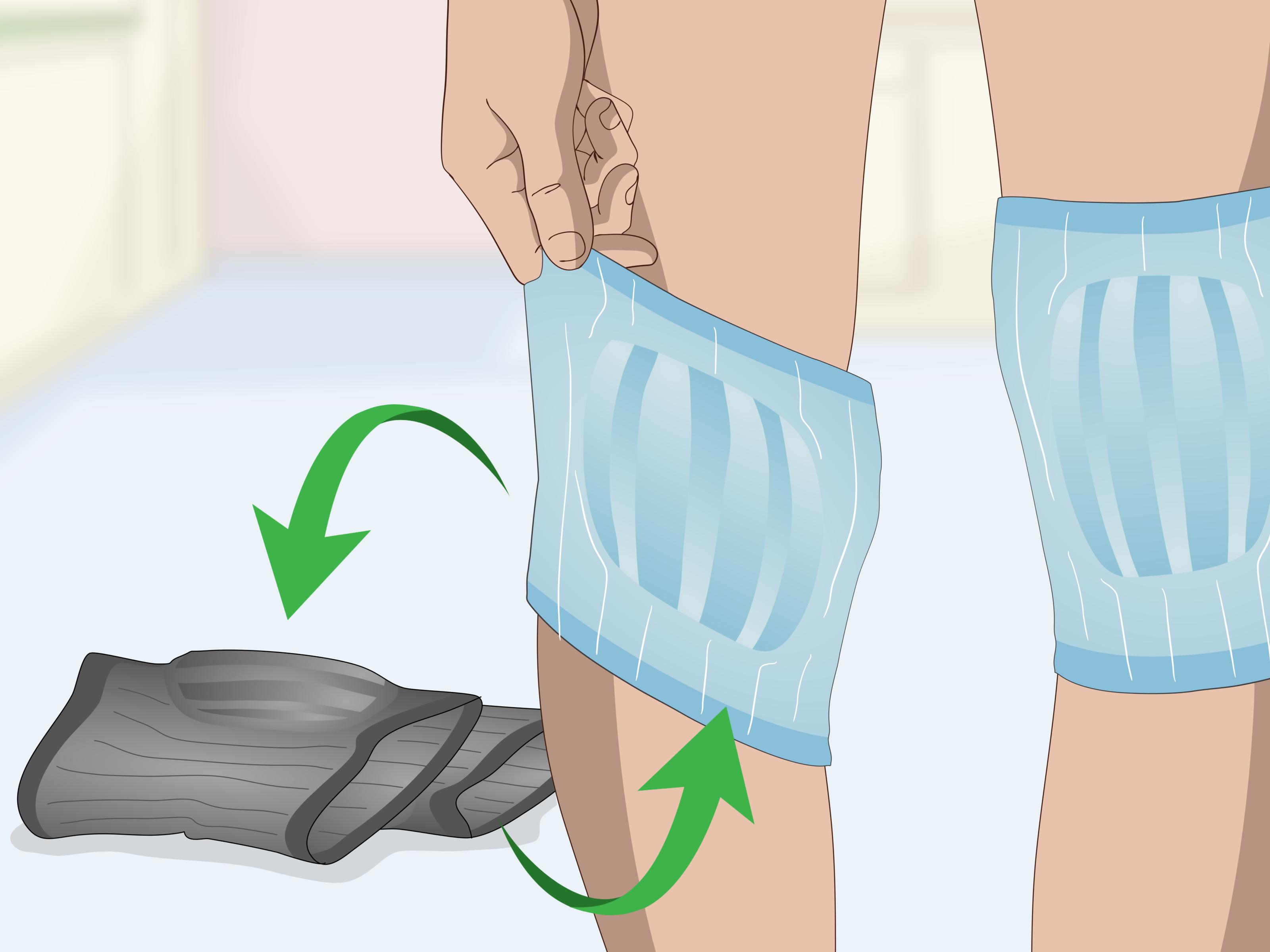
Knee pads are the unsung heroes of volleyball courts, wrestling mats, skate parks, construction projects, gardening sessions, and weekend DIY battles with stubborn flooring. They take the hit, absorb the sweat, collect the dust, and somehow end up smelling like a gym bag that made several poor life choices. The good news? Washing knee pads is not complicated. The even better news? You do not need a secret laboratory, a pressure washer, or a dramatic farewell ceremony for your favorite pair.
Whether your knee pads are soft volleyball sleeves, mountain bike guards, wrestling pads, work knee pads, or protective skating gear, the goal is the same: clean the fabric, remove sweat and odor, protect the foam or plastic, and dry everything completely before storage. The exact method depends on the care label and the type of pad, but most knee pads can be cleaned in one of three practical ways: hand washing, machine washing, or spot cleaning and deodorizing.
This guide explains 3 ways to wash knee pads safely, with simple steps, real-life examples, and the kind of practical advice you wish came printed on the tag in letters larger than a breadcrumb.
Why Clean Knee Pads Regularly?
Knee pads live in a tough neighborhood. They press against skin, absorb sweat, rub against floors, slide across courts, scrape dirt, and often get tossed into a closed bag while still damp. That combination creates the perfect recipe for odor. Sweat itself is not always the villain; the smell usually gets worse when moisture, body oils, fabric residue, and odor-causing bacteria hang around too long.
Regular cleaning helps your knee pads last longer, feel better, and smell less like evidence from a locker room crime scene. It also helps maintain elasticity, keeps padding from becoming stiff, and prevents dirt from grinding into the fabric. Clean pads are more comfortable, and comfortable pads are more likely to be worn correctly. That matters because knee pads only help when they stay in place and do their job.
Before You Wash: Check the Care Label First
Before choosing a cleaning method, look for a care label or check the product page from the manufacturer. Some knee pads are hand wash only. Others can go in the washing machine on a cold, gentle cycle. Some pads have removable inserts or hard shells that should be taken out before washing. If your pads have hinges, electronic warming parts, leather details, or glued-on specialty foam, treat them carefully and avoid aggressive washing.
When in doubt, choose the gentlest method: hand wash with cool water and mild detergent, then air dry. Heat, bleach, strong chemicals, and tumble drying are the usual troublemakers. They can weaken elastic, damage foam, warp plastic, or leave the pads fitting like they were designed for someone else’s knees.
What You Need to Wash Knee Pads
You do not need much. Gather a mild laundry detergent or sport detergent, a sink or bucket, a soft brush or clean cloth, a mesh laundry bag if machine washing, a towel for pressing out extra water, and a well-ventilated drying area. For odor issues, white vinegar or a laundry odor remover may help, but use it carefully and never mix cleaning products together.
Avoid chlorine bleach unless the care label clearly says it is safe. Avoid fabric softener, too. It can coat synthetic fibers and make activewear hold on to odor. Also skip high heat. Knee pads are not cookies; baking them rarely improves the situation.
Way 1: Hand Wash Knee Pads for the Safest Clean
Hand washing is the best method for delicate knee pads, hard-shell pads, pads with thick foam, or any pair with unclear care instructions. It gives you control over water temperature, pressure, soaking time, and rinsing. If your knee pads were expensive, sentimental, or difficult to replace, hand washing is the polite way to treat them.
Step 1: Air Them Out First
Before washing, remove the pads from your sports bag or tool bag and let them air out. If there is loose dirt, grass, sawdust, sand, or court dust, shake it off outside. Use a dry brush to remove debris from seams, straps, and Velcro. This prevents dirt from turning into muddy soup once the pads hit water.
Step 2: Fill a Sink or Bucket with Cool Water
Use cool or lukewarm water. Hot water can be rough on elastic and foam, especially in compression-style knee pads. Add a small amount of mild detergent. More soap does not mean more clean. Too much detergent can leave residue, and residue can attract odor later. Think “small splash,” not “bubble bath for a rhinoceros.”
Step 3: Soak and Gently Agitate
Place the knee pads in the water and press them down until they are fully wet. Let them soak for 10 to 20 minutes. Then gently squeeze the fabric and rub dirty areas with your fingers or a soft brush. Focus on the inside of the pad, where sweat and body oils collect. If the outside has court marks or dirt stains, scrub lightly rather than attacking it like you are sanding a deck.
Step 4: Rinse Thoroughly
Drain the soapy water and rinse the pads under cool running water. Keep rinsing until the water runs clear and the pads no longer feel slippery. Soap left inside foam or fabric can cause stiffness, skin irritation, or a weird “clean but not really clean” smell.
Step 5: Press Out Water with a Towel
Do not twist knee pads like you are wringing out a beach towel from 1978. Twisting can damage foam, seams, and elastic. Instead, press the pads between clean towels to remove extra water. Roll them gently in the towel and apply light pressure.
Step 6: Air Dry Completely
Lay the knee pads flat or hang them in a ventilated area. Keep them away from direct high heat, radiators, and dryers unless the care label clearly allows tumble drying. Most knee pads do best with air drying. Make sure they are completely dry before putting them away. Damp pads stored in a closed bag are basically an invitation for odor to move in and start paying rent.
Way 2: Machine Wash Knee Pads When the Label Allows It
Machine washing is fast, convenient, and effective for many soft knee pads, compression sleeves, volleyball knee pads, and some mountain bike or sports pads. But here is the golden rule: only machine wash knee pads if the care label or manufacturer says it is safe. If the label says hand wash, believe it. Labels may be tiny, but they are not decorative confetti.
Step 1: Remove Inserts or Hard Pieces
If your knee pads have removable foam inserts, hard caps, or impact pads, take them out before washing unless the manufacturer says they can stay in. Some protective inserts can be wiped clean separately with a damp cloth. This is common with higher-end cycling or impact gear. Removing inserts also helps the fabric sleeve wash more evenly and dry faster.
Step 2: Close Velcro and Fasten Straps
Velcro is useful on your knee, but in a washing machine it can become a tiny fabric-eating monster. Close all hook-and-loop fasteners before washing. This protects the pads and prevents them from grabbing socks, jerseys, sleeves, or anything else in the load.
Step 3: Use a Mesh Laundry Bag
Place the knee pads in a mesh laundry bag. This reduces friction and helps protect straps, stitching, and padding. It also keeps the pads from thumping around the washer like they are training for a percussion audition.
Step 4: Choose Cold Water and a Gentle Cycle
Use cold water or the gentlest temperature recommended on the care label. Select a delicate or gentle cycle. A normal heavy-duty cycle may be too rough for foam padding and elastic sleeves. Wash knee pads with similar athletic items, not jeans, towels, or anything with zippers that can scrape the fabric.
Step 5: Use Mild Detergent
Add a mild detergent or a detergent designed for activewear. Avoid using too much. Synthetic fabrics can hold onto detergent residue, especially when they are thick or padded. If your washer has an extra rinse option, use it for sweaty or heavily soiled pads.
Step 6: Skip Fabric Softener and Bleach
Fabric softener can reduce the performance of moisture-wicking fabrics and contribute to odor buildup. Bleach can damage elastic, discolor fabric, and weaken certain materials. Unless the tag specifically allows a product, keep the cleaning routine simple.
Step 7: Air Dry, Do Not Cook Them
After washing, reshape the pads and air dry them. Lay them flat on a towel or hang them where air can circulate. Avoid high heat. A dryer may shrink fabric, weaken elastic, or damage foam. Even if the pads survive one hot dryer cycle, repeated heat can shorten their life.
Way 3: Spot Clean and Deodorize Between Washes
You do not always need a full wash after every light use. If you wore knee pads for a short practice, a quick gardening job, or a brief project, spot cleaning and airing them out may be enough. This method is especially useful for hard-shell work knee pads, skate pads, or protective gear that should not be soaked often.
Step 1: Wipe the Outside
Use a damp cloth to wipe dirt, dust, and scuff marks from the outer surface. For hard plastic caps, a small amount of mild soap on a cloth can help remove grime. Do not soak the entire pad unless the construction allows it.
Step 2: Clean the Inside Where Sweat Collects
Turn the pads inside out if possible. Wipe the inner fabric with a damp cloth and mild detergent solution. Pay attention to the area that touches the kneecap and the back straps, because those spots often collect sweat and skin oils.
Step 3: Rinse with a Clean Damp Cloth
After wiping with soap, use a second cloth dampened with clean water to remove residue. Leaving soap behind can make the fabric stiff or sticky.
Step 4: Deodorize Carefully
For mild odor, the best deodorizer is fresh air. Hang the pads open after each use. For stronger smells, use a sport gear deodorizer or laundry odor product that is safe for the fabric. Some people use a light vinegar rinse during washing, but vinegar should be used cautiously and never mixed with bleach or other cleaning chemicals.
Step 5: Dry Before Storage
This step matters more than people think. Do not throw damp knee pads into a gym bag, backpack, trunk, closet, or storage bin. Let them dry completely first. If your pads smell bad even after cleaning, the problem may be trapped moisture, detergent residue, or not enough drying time.
How Often Should You Wash Knee Pads?
The right schedule depends on how often you use them and how sweaty they get. For volleyball, wrestling, basketball, skating, or gym training, wash knee pads after every few hard sessions, or sooner if they smell. If you sweat heavily, practice daily, or share gear, wash more often. For work knee pads used over clothing, spot clean regularly and deep clean when dirt builds up.
A good rule is simple: if you can smell them from arm’s length, they are not “developing character.” They need cleaning. If they are damp after use, air them out immediately. Preventing odor is much easier than rescuing knee pads after they have spent a week fermenting in a zipped bag.
Common Mistakes to Avoid
Using Too Much Detergent
More detergent can leave more residue, especially in thick fabric and foam. Residue can trap odor and irritate skin. Use a small amount and rinse thoroughly.
Putting Knee Pads in the Dryer
High heat can damage elastic, foam, and adhesives. Air drying is slower, but it is much safer for most knee pads.
Ignoring the Care Label
One brand may recommend hand washing while another allows machine washing. Different padding materials behave differently, so the tag matters.
Storing Pads While Damp
This is the fast lane to bad smells. Dry first, store second. Your future nose will thank you.
Washing with Rough Laundry
Jeans, towels, hooks, zippers, and heavy items can beat up knee pads in the washer. Wash with lightweight athletic gear instead.
How to Remove Stubborn Odor from Knee Pads
If your knee pads still smell after washing, do not panic. First, wash them again using less detergent and an extra rinse. Detergent residue can hold odors, so rinsing matters. Second, make sure the pads dry fully, including the thickest foam areas. Third, air them outside in a shaded, breezy place if possible.
For synthetic athletic pads, a sport detergent can help because it is designed for sweat-heavy fabrics. You can also pre-soak the pads briefly in cool water with a small amount of detergent before washing. Avoid perfumes that only cover odors. The goal is to remove the cause, not make your knee pads smell like lavender fighting a locker room.
How to Wash White Knee Pads
White knee pads look sharp for approximately six minutes, then reality arrives. Court dust, floor marks, grass stains, and sweat discoloration show quickly. To clean white knee pads, pre-treat visible stains with mild detergent and a soft brush before washing. Let the detergent sit for a few minutes, then hand wash or machine wash according to the label.
Avoid chlorine bleach unless the care label says it is safe. Many white knee pads include elastic, spandex, foam, or synthetic fibers that do not love bleach. For persistent dinginess, use an oxygen-based laundry booster only if it is safe for the material. Rinse well and air dry completely.
How to Dry Knee Pads Faster
Air drying can take time, especially with thick foam. To speed it up safely, press out extra water with a towel after washing. Then place the pads near moving air, such as a fan, open window, or shaded porch. Turn them over after a few hours so both sides dry evenly. Do not use a hair dryer on high heat, a space heater, or direct radiator heat. Fast drying is nice; melted elastic is less charming.
Real-World Examples: Which Method Should You Use?
Volleyball Knee Pads
Most volleyball knee pads are soft, stretchy, and sweat-heavy. If the care label allows it, machine wash on cold and gentle in a mesh bag. If they are delicate or hand wash only, soak them in cool water with mild detergent, rinse well, and air dry.
Skate or Roller Derby Knee Pads
These often have hard caps, straps, and thick padding. Spot clean the hard shells and hand wash the fabric areas when needed. If removable liners are present, wash those separately according to the label.
Mountain Bike Knee Guards
Many mountain bike pads include removable impact inserts. Remove inserts if instructed, machine wash the sleeve if allowed, and wipe the protective insert clean. Always air dry.
Work Knee Pads
Work pads may collect dirt, concrete dust, sawdust, or garden soil. Brush them off first, wipe hard surfaces, and hand wash fabric sections. Avoid soaking pads that contain leather, metal rivets, or glued layers unless the manufacturer allows it.
Extra Experience: What I’ve Learned from Washing Knee Pads the Practical Way
The first lesson about washing knee pads is that waiting too long makes everything harder. A slightly sweaty pair is easy to rescue. A pair that has been sealed inside a sports bag for a week becomes a full personality. The smell gets deeper, the fabric feels heavier, and one wash may not be enough. The easiest habit is to take the pads out of the bag as soon as you get home. Even if you do nothing else, letting them breathe makes a huge difference.
The second lesson is that drying is just as important as washing. Many people clean knee pads correctly, then ruin the effort by storing them too early. Thick foam can feel dry on the outside while still holding moisture inside. I like to press the pads in a towel, reshape them, and leave them near moving air overnight. If they still feel cool or heavy in the morning, they need more time. Clean gear should feel dry, light, and neutral-smelling before it goes back into a bag.
The third lesson is that different pads need different treatment. A thin volleyball sleeve can usually handle more regular washing than a bulky skate pad with hard caps and thick layered foam. Mountain bike guards with removable inserts are easier to maintain when you separate the sleeve from the protector. Work knee pads often need brushing and wiping before washing because dirt and grit can grind into the fabric. Treating every pair the same way is where trouble begins.
The fourth lesson is not to overdo the products. When knee pads smell bad, it is tempting to add extra detergent, scent booster, fabric softener, vinegar, and maybe a prayer. Usually, simple is better. Too much detergent leaves residue. Strong fragrance can cover odor without removing it. Fabric softener can make synthetic materials less breathable. A small amount of mild detergent, enough water movement, a thorough rinse, and complete drying usually work better than a chemical parade.
The fifth lesson is to own more than one pair if you use knee pads often. This is especially true for athletes who practice several times a week. Rotating two pairs gives each one time to dry fully, reduces odor buildup, and makes the elastic last longer. It also saves you from the classic mistake of wearing damp pads because practice starts in ten minutes and your only pair is still hanging over the shower rod like a sad little flag.
Finally, clean knee pads are easier to wear consistently. Nobody wants to pull on gear that smells questionable or feels stiff from old sweat. When pads are fresh, dry, and comfortable, they stay in place better and make practice, work, or play more enjoyable. Cleaning them is not glamorous, but neither is explaining why your gym bag smells like it needs its own zip code.
Conclusion
Learning how to wash knee pads comes down to three smart options: hand wash delicate or uncertain pads, machine wash only when the care label allows it, and spot clean between deeper washes. Use cool water, mild detergent, gentle handling, and complete air drying. Avoid bleach, fabric softener, high heat, and storage while damp.
Knee pads work hard so your knees do not have to complain quite so loudly. Give them regular care, and they will stay fresher, last longer, and remain much more pleasant to wear. Your knees, your teammates, your laundry room, and everyone within sniffing distance will appreciate the effort.












