
A Social Security card looks simple enough: a name, a number, and a little government-looking seriousness. No glamour. No dramatic hologram parade. No “Mission: Impossible” self-destruct feature. Yet that small piece of paper can play a major role in employment paperwork, tax records, financial onboarding, and identity protection.
That is why knowing how to spot a fake Social Security card matters. It is not about becoming a document detective with a magnifying glass and a trench coat. It is about understanding what a Social Security card can and cannot prove, recognizing common red flags, and using the correct official verification process when the situation requires it.
This guide explains three practical, lawful ways to identify possible problems with a Social Security card without relying on myths, guesswork, or risky shortcuts. Whether you are an employer reviewing Form I-9 documents, a payroll professional checking records, a landlord handling applications, or a person trying to protect your identity, the goal is the same: be careful, be fair, and do not treat a suspicious document like a magic puzzle box.
Why Fake Social Security Cards Are a Serious Problem
A Social Security number is one of the most sensitive identifiers in the United States. It can be connected to wages, taxes, credit records, government benefits, and employment eligibility systems. When someone uses a fake Social Security card, a stolen number, or a mismatched identity, the consequences can spill onto innocent people, businesses, and government agencies.
For individuals, Social Security number misuse can lead to identity theft, tax problems, credit issues, or confusing letters from agencies and lenders. For employers, mishandling documents can create compliance problems. For organizations, collecting too much personal information or storing it carelessly can increase the risk of data breaches. In short, one small card can create a paperwork tornado if handled the wrong way.
The most important point is this: a Social Security card alone does not prove identity. It confirms that a number was issued to a name, but it does not prove that the person holding the card is the rightful number holder. That is why official employment verification processes require proper document review, identity documentation, and careful recordkeeping.
Way 1: Check the Card’s Role, Wording, and Context
The first way to spot a potentially fake Social Security card is to understand what the card is being used for. A card that looks unusual may not automatically be fake, and a card that looks neat may not automatically be valid. Context is everything. Yes, paperwork has plot twists.
Know What a Social Security Card Is Supposed to Do
A Social Security card is mainly evidence of a Social Security account number. It is not a driver’s license, not a passport, and not a universal identity document. If someone presents a Social Security card as the only proof of who they are, that is a reason to slow down and ask what process you are actually following.
For employment in the United States, the Social Security card may be used as a List C document on Form I-9 when it is unrestricted. However, it must be paired with a valid List B identity document. The card by itself does not establish both identity and employment authorization.
Watch for Restrictive Wording
One of the most practical checks is the wording printed on the card. Some Social Security cards include restrictions such as:
- “NOT VALID FOR EMPLOYMENT”
- “VALID FOR WORK ONLY WITH INS AUTHORIZATION”
- “VALID FOR WORK ONLY WITH DHS AUTHORIZATION”
For Form I-9 purposes, an unrestricted Social Security card can be acceptable as evidence of employment authorization when paired with a List B identity document. A restricted card is not acceptable as a List C document for employment authorization. This does not automatically mean the card is fake. It means the card has limits, and the reviewer must follow the correct rules.
That distinction matters. Calling a restricted card “fake” is like calling a bicycle “broken” because it is not a pickup truck. It may be real, but it may not be acceptable for the purpose in front of you.
Compare the Name With Other Records
Another sensible step is to compare the name on the Social Security card with other documents and records provided by the person. Look for reasonable consistency, not perfection. Names can vary because of marriage, divorce, hyphenation, middle initials, cultural naming patterns, or recent legal name changes.
For example, “Maria Elena Garcia-Lopez” might appear as “Maria E. Garcia Lopez” in one record and “Maria Garcia-Lopez” in another. That is not automatically suspicious. But if the name, date of birth, address history, and other documents tell completely different stories, you may need to pause and request clarification through the proper process.
The smart approach is not to pounce on every small difference like a caffeinated grammar teacher. The smart approach is to look for patterns that do not reasonably fit together.
Way 2: Look for Obvious Signs of Alteration, Damage, or Inconsistency
The second way to spot a fake Social Security card is to review the document for obvious problems. This is not about sharing secret security-feature checklists or trying to train counterfeiters by accident. It is about identifying common-sense warning signs that a document may have been altered, mishandled, or created improperly.
Be Cautious With Altered or Covered Cards
A Social Security card that appears altered deserves careful attention. Red flags may include visible erasures, inconsistent spacing, unusual overwriting, cut-and-paste appearance, mismatched text alignment, or areas that look scraped, covered, or changed. Heavy damage can also make a document hard to evaluate.
Lamination is another issue to treat carefully. Some older or personally protected cards may be laminated, but lamination can make security features harder to see and may raise questions in certain verification situations. If the card is so covered, damaged, or distorted that a reasonable reviewer cannot evaluate it, the best move is not to guess. Ask for an acceptable document through the proper official process.
Do not peel, bend, scratch, heat, scan aggressively, or otherwise “test” someone’s card. The goal is review, not a science experiment with someone else’s personal document.
Check for Basic Printing and Layout Problems
A fake Social Security card may show obvious visual problems. The card may have spelling mistakes, strange formatting, distorted seals, uneven printing, awkward spacing, or inconsistent information placement. It may feel like something printed from a low-quality template rather than an official document.
That said, do not rely only on appearance. Social Security cards have changed over the decades, and older cards may look different from newer ones. A card that does not match your mental image may simply be an older version. On the other hand, a crisp-looking card can still be connected to a stolen number or a false identity.
Appearance is a clue, not a verdict. Treat it like the first chapter of a mystery novel, not the final courtroom scene.
Be Alert to Numbers That Look Obviously Invalid
A Social Security number should be nine digits. If the number is missing digits, contains letters, includes obvious placeholder patterns, or appears in a format that makes no sense, that is a strong reason to question it. For tax or payroll contexts, an obviously incorrect taxpayer identification number can create reporting problems.
However, avoid internet myths about “valid” number ranges. Social Security number assignment rules have changed over time, and outdated assumptions can lead to false conclusions. A number that looks unfamiliar is not necessarily fake. When verification is legally allowed and necessary, use an official system rather than a rumor from a message board named something like “SSNTruthWarrior1978.”
Way 3: Verify Through the Right Official Channel
The third and most reliable way to handle a suspected fake Social Security card is to use the correct verification channel for your situation. This is where many people make mistakes. They either do too little, relying only on appearance, or they do too much, asking for documents they are not allowed to demand.
For Employers: Follow Form I-9 Rules
Employers completing Form I-9 must examine documents to determine whether they reasonably appear to be genuine and relate to the person presenting them. Employers are not expected to be forensic document experts. That is good news, because most hiring managers did not sign up to become federal watermark whisperers.
Employers also should not demand a specific document from an employee just because they prefer it. Employees generally choose which acceptable documents to present from the Form I-9 lists. If an employee presents a document that does not reasonably appear genuine or does not relate to them, the employer should reject that document and allow the employee to present other acceptable documentation.
The key is consistency. Apply the same process to everyone. Do not single people out based on accent, citizenship status, national origin, appearance, or assumptions. A sloppy process can create both compliance problems and discrimination concerns.
Use E-Verify Only When Appropriate
E-Verify is an internet-based system used by participating employers to confirm employment eligibility after Form I-9 information is completed. It compares information from Form I-9 with records available to the Department of Homeland Security and the Social Security Administration.
E-Verify is not a casual “look up this person” tool. It is for authorized employment verification use. Employers must follow program rules, timelines, and employee rights requirements. A mismatch does not automatically mean fraud. It may be caused by a name change, data-entry error, citizenship record update, or other record issue.
Use SSNVS for Wage Reporting Purposes
The Social Security Number Verification Service, often called SSNVS, allows registered employers and certain authorized users to verify whether a name and Social Security number match SSA records for wage reporting purposes. This can help prevent payroll and W-2 reporting errors.
SSNVS is not the same as E-Verify. SSNVS checks name and SSN combinations for wage reporting. E-Verify confirms employment eligibility for newly hired employees through the employment verification process. Mixing the two up is like using a toaster to make soup: impressive confidence, wrong appliance.
For Tax Reporting: Use IRS TIN Matching When Eligible
For certain payers who submit information returns, the IRS offers TIN Matching to validate taxpayer identification number and name combinations before filing. This is especially relevant for businesses handling Forms 1099 and backup withholding issues.
Again, use the tool only if you are eligible and for the proper purpose. A Social Security number is sensitive data. The fact that a verification tool exists does not mean everyone gets to use it for curiosity checks.
What Not to Do When You Suspect a Fake Social Security Card
Spotting a possible fake is only half the job. Handling the situation correctly is the other half. A calm, lawful response protects everyone involved.
Do Not Accuse Without Evidence
If a card raises concerns, do not immediately accuse the person of fraud. There may be an innocent explanation, such as a name change, damaged card, old card version, typo in paperwork, or misunderstanding about which document is needed.
Use neutral language. For example, instead of saying, “This card is fake,” say, “This document does not appear acceptable for this process. You may present another acceptable document.” That wording is less dramatic and much less likely to turn a routine review into a workplace thunderstorm.
Do Not Over-Collect Personal Information
Only collect Social Security numbers when there is a legitimate business, tax, legal, or employment reason. Store them securely. Limit access. Shred unnecessary paper copies. Use encryption and access controls for digital records. The safest Social Security number is the one you never collected unless you truly needed it.
Do Not Use Unofficial Online “Verification” Sites
Avoid random websites that claim they can verify Social Security numbers instantly. Some are inaccurate. Some are data-harvesting traps wearing a fake mustache. Use official systems only when you are authorized to do so.
What to Do If Your Social Security Number May Be Misused
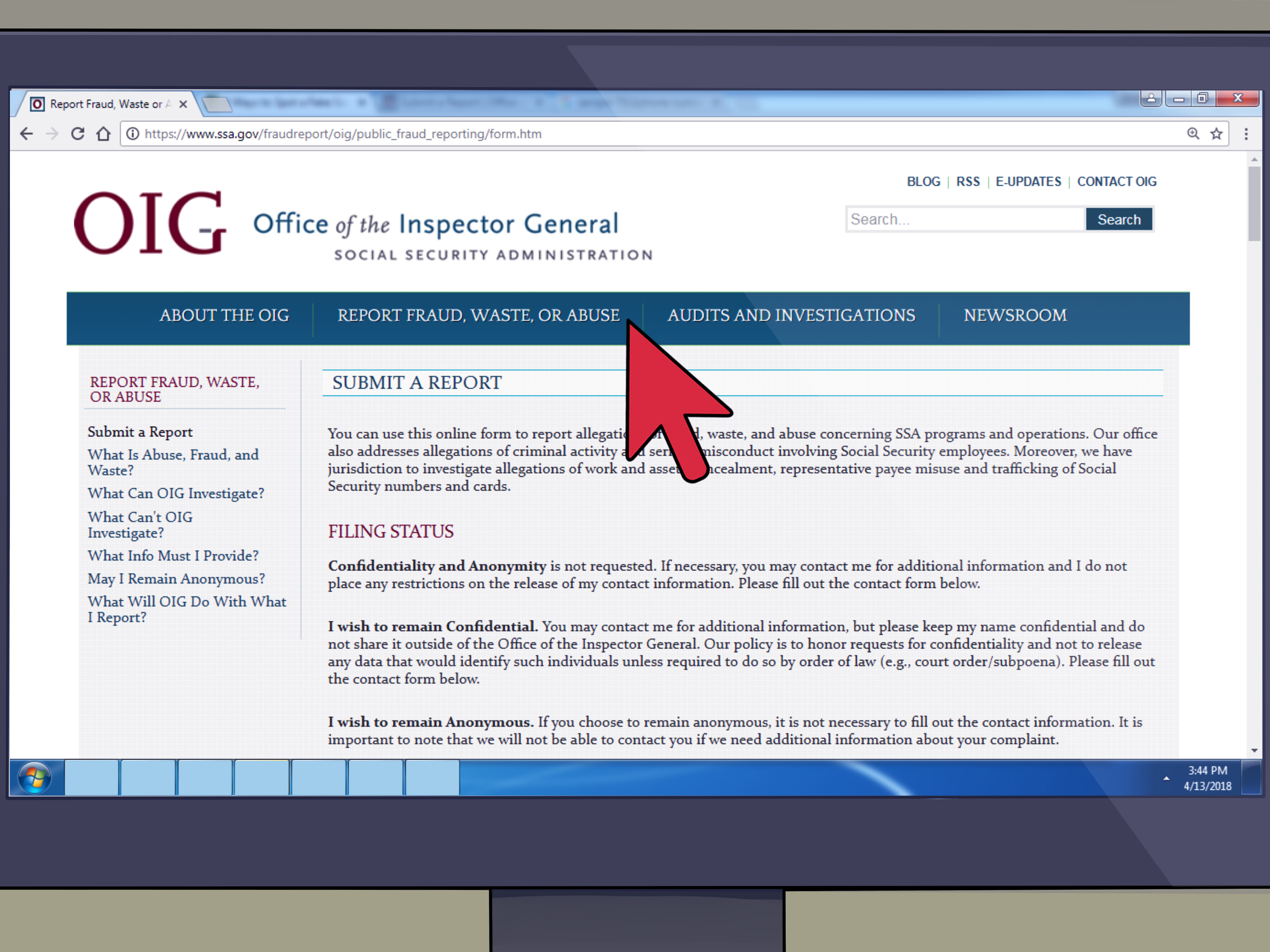
If you believe your Social Security number has been stolen or used with a fake card, act quickly. Start by reviewing your credit reports and financial accounts. Consider placing a fraud alert or credit freeze if identity theft is suspected. Report identity theft through official consumer protection channels, and report Social Security-related fraud to the appropriate government office.
Keep records of every step you take: dates, letters, case numbers, phone calls, and copies of reports. Identity recovery is much easier when your paperwork is organized. A shoebox full of mystery receipts is not a recovery strategy, although it is a classic American filing system.
Practical Examples of Possible Red Flags
Here are realistic examples of situations that may require a closer look:
- Example 1: A person presents a Social Security card with employment-restrictive wording as the only document for employment authorization. The card may be real, but it is not acceptable as an unrestricted List C document.
- Example 2: A card appears heavily altered, with mismatched spacing and visible changes around the name. The reviewer should not guess. The person should be allowed to present other acceptable documentation through the proper process.
- Example 3: A payroll record shows a name and SSN mismatch. The employer should check for data-entry errors, name changes, and official wage-reporting verification options rather than assuming fraud.
- Example 4: A consumer receives IRS or debt collection notices for accounts they never opened. That may indicate identity theft involving their Social Security number, and they should begin the official recovery process.
Experience-Based Insights: What Real-World Reviews Teach You
In real life, spotting a fake Social Security card is rarely as simple as looking at a card and declaring, “Aha!” like a detective in a dinner-theater mystery. Most situations are more ordinary and more delicate. The document may look worn because it has spent years in a wallet. The name may not match perfectly because someone got married, divorced, adopted a hyphen, dropped a middle name, or had their name shortened by a previous employer’s payroll system. A careful reviewer learns very quickly that suspicion should be balanced with fairness.
One practical lesson from employment and administrative settings is that process matters more than instinct. A person at the front desk may think a card “looks off,” but that feeling is not enough. The better question is: does the document reasonably appear genuine and relate to the person presenting it for this specific purpose? If the answer is no, the next step is not an accusation. The next step is to follow the procedure and allow the person to provide other acceptable documents if the law or policy allows it.
Another common experience is that many problems begin as simple data-entry mistakes. A transposed digit, missing hyphen, extra space, maiden name, or nickname can create a mismatch. For example, “Jon” entered instead of “Jonathan” may not be fraud. “Smith-Jones” entered as “Smith Jones” may trigger confusion. Payroll teams that slow down and check spelling, formatting, and recent name changes often solve problems without turning the situation into a dramatic fraud investigation.
Businesses also learn the hard way that Social Security numbers should be handled like fragile glass, not office gossip. Leaving copies on desks, emailing unprotected forms, or storing old applications forever creates unnecessary risk. A smart organization limits who can see SSNs, trains staff on proper handling, and uses secure systems. Fraud prevention is not only about catching fake cards. It is also about making sure real numbers are not exposed and later misused.
For individuals, the best experience-based advice is to protect the card before there is a crisis. Do not carry it every day unless you truly need it. Keep it in a secure place. Be skeptical of unsolicited calls, texts, or emails asking for your number. If someone pressures you to share your SSN immediately, especially with threats or promises, slow down. Scammers love urgency because urgency makes people skip common sense.
Finally, good judgment means knowing when to escalate. A suspicious card in an employment setting should be handled through Form I-9 procedures, E-Verify rules if the employer participates, or wage-reporting verification when appropriate. A stolen number should be treated as an identity theft issue. A suspected Social Security-related fraud scheme should be reported to official channels. The worst response is improvisation. The best response is calm, documented, consistent, and boring. In compliance work, boring is beautiful.
Conclusion
Knowing how to spot a fake Social Security card is not about memorizing secret document tricks. It is about using practical judgment. First, understand the card’s role and whether restrictive wording affects its use. Second, look for obvious signs of alteration, inconsistency, or damage without pretending to be a forensic expert. Third, verify through the correct official channel when verification is allowed and necessary.
A Social Security card is important, but it is not a stand-alone proof of identity. Treat it with care, respect privacy, follow the correct process, and avoid quick accusations. When in doubt, rely on official procedures rather than internet myths or gut feelings. Your future paperworkand possibly your blood pressurewill thank you.












