
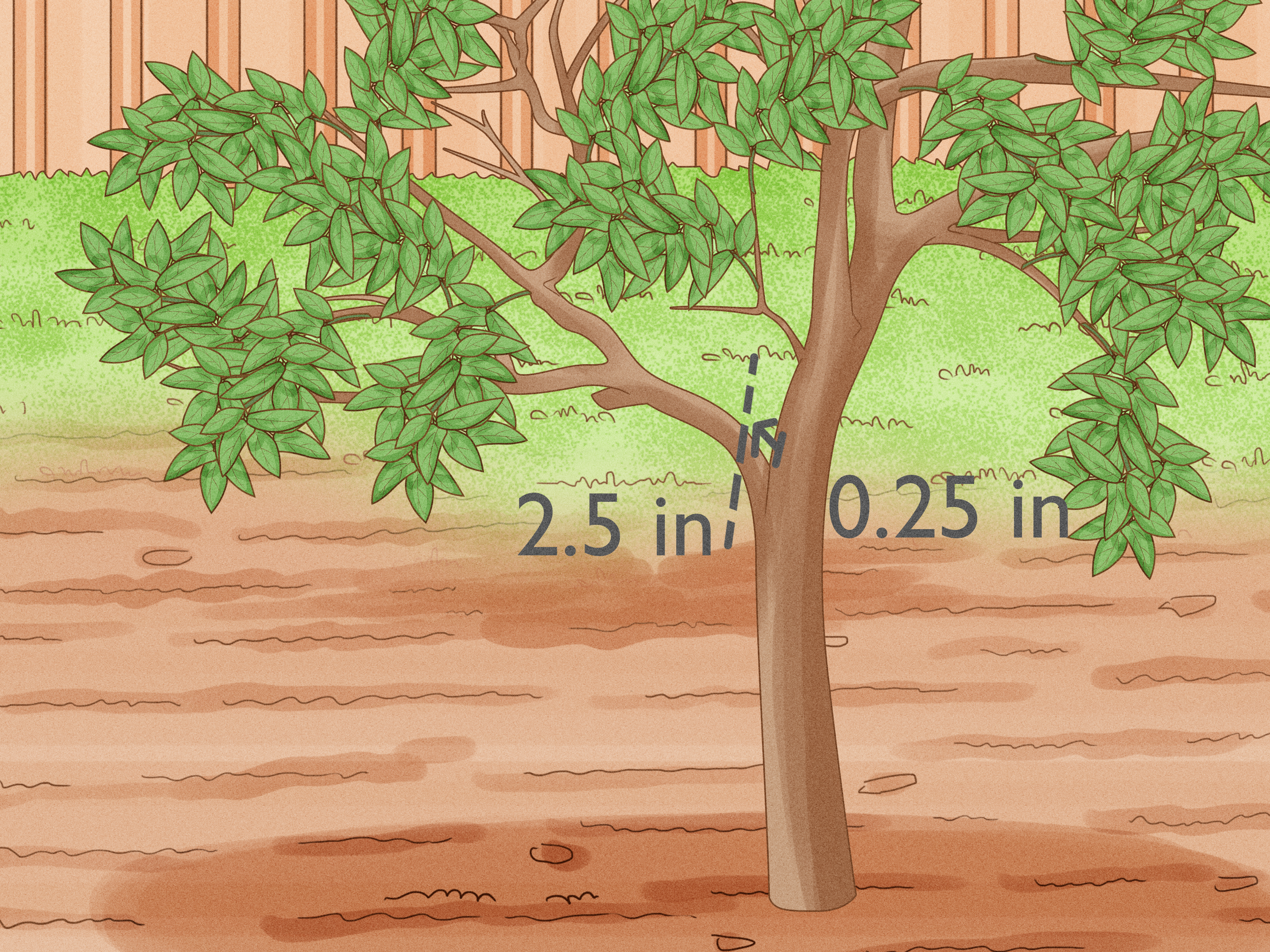
Guava trees are generous, fast-growing, slightly chaotic fruit machines. Give them sun, warm weather, decent drainage, and a little patience, and they may reward you with fragrant fruit that tastes like the tropics decided to throw a party. But if you never prune them, they can quickly turn into a tangled green umbrella where fruit hides at the top, branches rub together like gossiping neighbors, and harvesting requires the confidence of a circus performer.
The good news? Learning how to prune guava trees is not as intimidating as it sounds. Guavas are naturally resilient, and they respond well to thoughtful cutting. The key word is thoughtful. Pruning is not plant punishment. It is guidance. You are helping the tree grow stronger, stay shorter, produce fresh fruiting wood, improve airflow, and make harvesting less like a ladder-based extreme sport.
This guide breaks guava pruning into three practical methods: training a young guava tree, maintaining a mature tree, and pruning to improve fruiting and tree health. Whether you grow guava in a Florida backyard, a warm coastal garden, a greenhouse container, or a protected subtropical microclimate, these steps will help you keep your tree productive, attractive, and easier to manage.
Why Pruning Guava Trees Matters
Guava, or Psidium guajava, is a tropical to subtropical fruit tree that can be grown as a small tree, a multi-trunk shrub, or even a container plant in colder regions. In warm climates, it may grow quickly and can reach 15 to 25 feet if left alone. That sounds impressive until the best fruit is dangling above your head like nature’s piñata.
Regular pruning helps solve several common guava problems. It keeps the tree at a harvestable height, encourages new fruiting shoots, opens the canopy to sunlight, improves air circulation, removes diseased or damaged wood, and reduces the number of weak branches that may break under fruit load or wind. A guava tree does not need to be sculpted into botanical topiary, but it does benefit from a sensible haircut.
Most home growers should aim for a guava tree that is compact, open, and balanced. A height of about 6 to 10 feet is practical for many landscapes because it allows easier fruit picking, spraying if needed, and storm preparation. In containers, the goal is even simpler: keep the plant bushy, productive, and small enough that moving it does not require a forklift and three emotional support friends.
Before You Start: Tools, Timing, and Basic Rules
Best Tools for Pruning Guava
You do not need a professional orchard kit to prune a guava tree, but sharp tools make a huge difference. Use bypass hand pruners for small shoots, loppers for medium branches, and a pruning saw for older woody limbs. Avoid crushing stems with dull blades. A clean cut heals better than a ragged one, and your tree will not appreciate being chewed into shape.
Keep pruning tools clean, especially when removing diseased branches. Wipe blades before and after cutting suspicious wood. If you are moving from one tree to another, clean the tools again. This small habit can reduce the spread of plant pathogens and is much easier than trying to rescue a sick tree later.
When to Prune Guava Trees
In warm, frost-free areas, light pruning can be done after harvest or during active growth when the tree can recover quickly. In regions that get occasional cold snaps, avoid heavy pruning right before winter. Fresh new growth can be tender and more vulnerable to cold damage. For many home gardeners, the safest time for larger shaping cuts is late winter to early spring after the worst cold has passed, or soon after the main fruiting season.
Light touch-up pruning can happen whenever you see dead wood, crossing branches, suckers, or vigorous water sprouts that are clearly headed in the wrong direction. Think of those small cuts as maintenance, like brushing your teeth. Heavy pruning, on the other hand, is more like dental surgery. Schedule it wisely.
Heading Cuts vs. Thinning Cuts
Two pruning cuts matter most for guava trees: heading cuts and thinning cuts. A heading cut removes the tip of a shoot or branch. This encourages branching below the cut, which is useful when training young guava trees or creating a bushier canopy. A thinning cut removes an entire branch back to its origin. This opens the canopy and reduces crowding without creating a wild burst of new shoots at the cut end.
Both cuts are useful, but they do different jobs. Heading cuts build branching. Thinning cuts create space. If you only head everything back, the tree may become dense and broom-like. If you only thin, you may not encourage enough fresh fruiting growth. A productive guava tree usually needs a smart mix of both.
Way 1: Train a Young Guava Tree for Strong Structure
The first way to prune a guava tree is to train it while it is young. This is the pruning stage that sets the tree’s future shape. A few well-placed cuts in the first year can prevent years of wrestling with awkward limbs later. Young guava pruning is all about building a strong, low, open framework.
Step 1: Decide on Tree Form
Guava can grow as a single-trunk tree or a multi-trunk shrub. A single trunk is neat, easier to walk around, and often better for small yards. A multi-trunk form can be more natural, bushier, and useful where wind protection or low harvesting is desired. Both forms can produce fruit. The “right” choice depends on your space and how you want to harvest.
If you want a small tree, select one strong main trunk and remove suckers that sprout from the base. If you prefer a bushier plant, allow several well-spaced stems to develop, but do not let the center become a crowded branch convention. Air and light still need a way in.
Step 2: Head Back the Young Tree
Newly planted guava trees without lateral branches are commonly headed back to encourage side branching. A practical range is about 1 to 2 feet from the ground for a young whip, depending on the size of the plant and desired structure. This cut wakes up lateral buds and helps the tree develop branches at a manageable height.
It may feel brutal to cut back a healthy young tree, but this early training encourages a stronger framework. Without it, a guava can shoot upward like it has somewhere urgent to be, leaving you with a tall, skinny plant and fruiting wood too high for easy care.
Step 3: Select Main Scaffold Branches
As new side branches grow, choose three to four well-spaced lateral branches around the trunk. These will become the main scaffold branches. Look for branches with wide angles, good spacing, and healthy growth. Remove branches that are too close together, growing straight upward, crossing, or pointing into the center of the canopy.
Once the selected branches grow about 24 to 36 inches, tip them back lightly to encourage secondary branching. This creates a fuller, lower canopy and more places for future flowers and fruit. Continue tipping new shoots when they become long and unbranched, especially if they start bending toward the ground.
What to Avoid When Training Young Guava
Do not remove too many leaves from a young tree. Leaves are the tree’s food factories, and young guavas need energy to establish roots. Remove broken, weak, diseased, or badly placed growth, but avoid stripping the tree bare. A newly planted guava should look guided, not embarrassed.
Also avoid narrow branch angles. Branches that attach too tightly to the trunk can be weaker over time. Wide-angled branches are usually stronger and better able to hold fruit. Your goal is a low, open, balanced tree that can carry crops without snapping or turning into a fruit-covered jungle gym.
Way 2: Maintain a Mature Guava Tree with Selective Pruning
The second way to prune guava trees is maintenance pruning. This applies to bearing trees that already have a basic structure. Mature guava pruning is not about starting over every year. It is about keeping the tree healthy, accessible, and productive.
Keep the Tree Short Enough to Harvest
A guava tree that grows too tall becomes difficult to harvest and more vulnerable to wind damage. For many home landscapes, keeping the tree around 6 to 10 feet tall is ideal. Some gardeners maintain guava even shorter, especially in containers or small yards. The best height is the one that lets you pick most fruit without needing a ladder tall enough to make your neighbors nervous.
To reduce height, use thinning cuts and selective heading cuts rather than simply chopping the top flat. Remove overly upright branches back to a lower lateral branch. Favor outward-growing and wide-angled branches. This keeps the canopy lower while preserving a natural shape.
Open the Canopy for Light and Air
Good guava pruning should let sunlight enter the canopy. Fruit trees that become too dense often produce more leaves than quality fruit. A shaded inner canopy may lose productive wood, and damp, crowded foliage can increase disease pressure. Pruning for airflow helps leaves, flowers, and fruit dry faster after rain.
Start by removing dead, broken, diseased, or crossing branches. Then look for inward-growing shoots, vertical water sprouts, and branches that rub against each other. Remove some of them at their point of origin. You do not need to create a hollow tree, but you should be able to see filtered light through the canopy when you are done.
Remove Suckers and Low-Hanging Branches
Suckers often appear around the base of guava trees, especially when the tree is vigorous or has been stressed. Remove them when they are small. Low branches that touch the ground should also be removed or shortened. Branches resting on soil can invite pests, disease, and fruit contamination.
Long, flexible guava branches may bend downward as they grow. If they are healthy but too long, cut them back to sturdy wood and encourage side shoots. This keeps the fruiting zone closer to the trunk and prevents the tree from sprawling into walkways, fences, or your favorite chair.
Do Not Over-Prune
One common mistake is removing too much canopy at once. Heavy pruning can trigger a flush of vigorous shoots that look exciting but may delay fruiting and create more maintenance. Unless the tree is badly neglected, aim to remove no more than about one-quarter to one-third of the canopy in a major pruning session.
If an old guava tree is too tall, reduce it gradually over two or three seasons. Take out one or two large branches at a time, then allow new growth to develop. Slow correction is better than shocking the tree into a leafy panic.
Way 3: Prune Guava Trees to Improve Fruiting and Health
The third way to prune guava trees focuses on fruit production and long-term health. Guavas flower and fruit on new, vigorous growth, so pruning can help stimulate fresh shoots. This does not mean hacking the tree randomly and hoping for dessert. It means renewing fruiting wood while keeping the tree balanced.
Encourage New Fruiting Wood
Guava fruit is often produced on new growth arising from older wood or shoot tips. Light tipping after harvest can encourage branching and create more young shoots for future flowering. This is especially helpful on trees that produce long, unbranched limbs.
When a branch has grown too long and bends downward, shorten it back to sturdy wood. New lateral shoots may form below the cut, creating a more compact and fruitful branch. This method is especially useful when fruit size declines on older, crowded trees. New vigorous shoots often produce better fruit than exhausted, shaded wood.
Use Rejuvenation Pruning Carefully
Older guava trees can become tall, tangled, and less productive. Rejuvenation pruning removes some older wood to stimulate fresh growth. Start with dead, diseased, and damaged limbs. Then remove a few old, unproductive branches from the upper canopy to bring the tree lower and encourage new fruiting wood.
Do not rejuvenate the entire tree in one afternoon unless it is a last-resort rescue. A mature guava has stored energy, but it still needs leaves to feed itself. Gradual renewal gives the tree time to respond without becoming weak or sunburned.
Prune for Disease Prevention
An open guava canopy dries more quickly after rain, which can reduce conditions that favor certain fungal and algal problems. Remove infected plant debris and dispose of it away from the tree. Do not leave diseased leaves, mummified fruit, or pruned branches sitting under the canopy like a pathogen welcome mat.
If you cut diseased wood, clean your tools before making cuts on healthy branches. This is one of those simple gardening habits that feels overly fussy until it saves you trouble. Clean tools are cheaper than replacing a tree.
Common Guava Pruning Mistakes
Mistake 1: Topping the Tree Flat
Topping means cutting large branches back indiscriminately, often leaving stubs. It may reduce height temporarily, but it usually causes weak regrowth, poor structure, and an unattractive canopy. Instead, reduce height by cutting back to strong lateral branches.
Mistake 2: Pruning Too Late Before Cold Weather
Heavy pruning can stimulate tender new growth. In areas with winter cold, this new growth may be damaged by frost. If your climate has occasional freezes, save major pruning for after the coldest weather has passed.
Mistake 3: Leaving Stubs
When removing a branch, cut just outside the branch collar rather than leaving a long stub. Stubs die back and may invite decay. Good cuts are clean, angled properly, and placed where the tree can close the wound naturally.
Mistake 4: Removing All Interior Growth
The goal is not to create a hollow umbrella. Some interior growth is useful, especially if it receives light and produces fruit. Remove crowded, weak, crossing, or diseased growth, but keep healthy branches that contribute to the structure and crop.
Mistake 5: Ignoring Tree Balance
Step back often while pruning. A guava tree should look balanced from all sides. If one side is suddenly bare and the other side looks like a tropical explosion, pause before making more cuts. Trees do not need perfect symmetry, but they do need stability.
How to Prune Container Guava Trees
Container guava trees need more frequent light pruning than in-ground trees because space is limited. Keep the plant compact by tipping long shoots, removing suckers, and thinning crowded growth. A container guava can be maintained as a small bush or single-trunk patio tree.
Because container plants depend on limited root space, avoid severe pruning unless the plant is healthy and actively growing. After pruning, give the tree consistent water and sunlight, but do not drown it in fertilizer. Too much nitrogen can push leafy growth at the expense of flowers and fruit.
Practical Experience: What Guava Pruning Teaches You Over Time
Anyone who has cared for a guava tree for more than one season quickly learns that pruning is not a one-time event. It is a conversation. The tree grows, you respond, the tree answers with new shoots, and eventually both of you reach an agreement. Usually the agreement is: “Fine, you may grow, but not into the roof gutter.”
One practical lesson is that small cuts are much easier than big corrections. A young water sprout can be removed with hand pruners in five seconds. Ignore it for a year, and it may become a thick upright branch stealing sunlight from the center of the tree. Regular light pruning saves time because you are guiding growth before it becomes a problem.
Another experience many growers share is that guava trees often respond quickly after pruning. A lightly tipped branch may push several new shoots, and those shoots can become future flowering wood. This is encouraging, but it can also tempt gardeners to prune too much. The tree’s strong response does not mean it wanted to be shaved like a poodle. The best results usually come from moderate, repeated pruning rather than one dramatic attack.
Harvesting also teaches pruning priorities. If you need a ladder for most of the fruit, the tree is too tall for practical home care. If ripe guavas fall and split before you notice them, the canopy may be too dense or too high. If fruit is mostly on the outside of the tree while the interior is dark and twiggy, the tree needs more light penetration. Let harvest frustrations become next season’s pruning notes.
Wind is another teacher, especially in tropical and subtropical regions. Tall guava trees with dense tops can catch wind like sails. A shorter, more open tree handles gusts better. After storms, inspect the canopy for cracked limbs and rubbing branches. Correcting small structural problems early can prevent larger breaks later.
Container growers learn a slightly different lesson: guava trees are enthusiastic. A patio guava may look polite in spring and then suddenly send out long shoots like it is applying for forest status. Pinching or tipping those shoots keeps the plant dense and manageable. It also prevents the common container problem of a leggy top with bare lower stems.
The most valuable experience is learning to pause. Make a few cuts, step back, and look at the whole tree. Walk around it. Look from underneath. Imagine where sunlight will enter and where fruit will hang. Pruning improves when you stop thinking branch by branch and start seeing the tree as a living structure.
And finally, do not panic over imperfect cuts. Guava trees are forgiving when they are healthy and grown in suitable conditions. You will make better decisions each season. The goal is not perfection. The goal is a tree that stays healthy, produces good fruit, fits your space, and does not require you to climb into it like a confused squirrel.
Final Guava Pruning Checklist
- Use sharp, clean pruning tools.
- Train young trees early by encouraging low, well-spaced branches.
- Keep mature trees short enough for easy harvest.
- Remove dead, diseased, crossing, and inward-growing branches.
- Use heading cuts to encourage branching and thinning cuts to open the canopy.
- Prune gradually when reducing old or overgrown trees.
- Clean up fallen fruit and diseased debris after pruning.
- Avoid heavy pruning right before cold weather.
Conclusion
Pruning guava trees is part science, part timing, and part common sense with sharp tools. The three most important methods are training young trees, maintaining mature trees through selective pruning, and renewing fruiting wood while protecting tree health. Start early, keep the canopy open, control height, and remove problem branches before they become woody drama queens.
A well-pruned guava tree is easier to harvest, better prepared for wind, less crowded, and more likely to produce healthy new growth. You do not need to prune aggressively every season. In fact, the best guava pruning often looks calm and intentional. Cut what needs to go, guide what should stay, and give the tree enough leaves to keep feeding itself.
With regular care, your guava can remain compact, productive, and beautiful for years. And when the fruit ripens within arm’s reach instead of somewhere near the clouds, you will know the pruning was worth it.












