
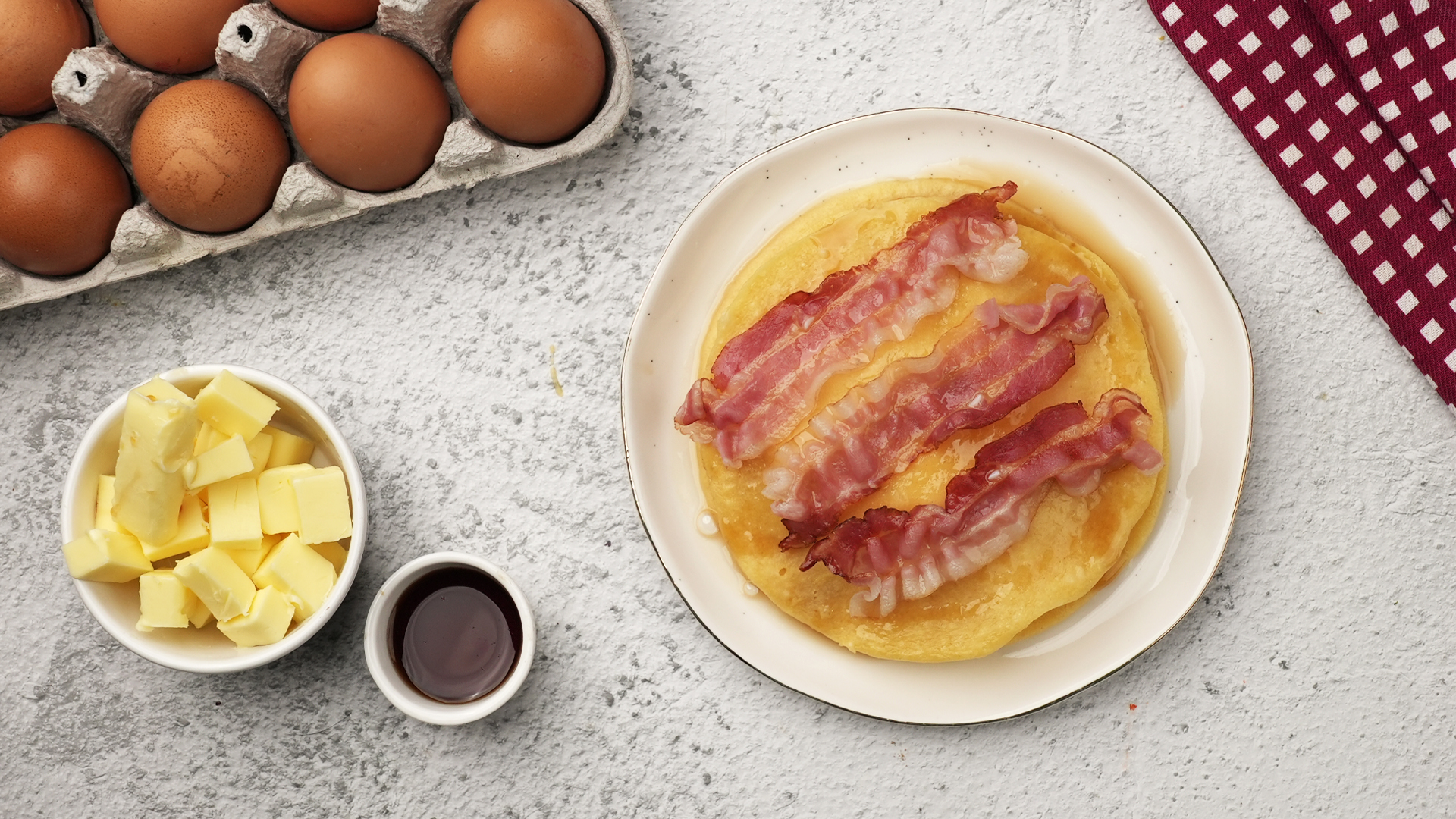
If you have ever wanted pancakes without dragging out a skillet, flipping batter before coffee, or cleaning a pan that now looks like it lost a wrestling match with breakfast, good news: you can make pancakes in a microwave oven. Will they look exactly like diner pancakes with deeply golden edges and dramatic weekend energy? No. Will they be warm, soft, fast, and surprisingly satisfying? Absolutely.
Microwave pancakes are less about crispy edges and more about convenience, speed, and “I need breakfast now, not after a long-term relationship with a frying pan.” With the right batter, the right container, and a little respect for microwave timing, you can make fluffy single-serve pancakes, thick pancake bowls, and even a family-style Dutch baby-inspired pancake in just a few minutes.
In this guide, you’ll learn three practical ways to make pancakes in a microwave oven, how to avoid rubbery disasters, and what actually makes microwave pancakes taste good instead of merely edible. That last part matters.
Can You Really Make Pancakes in a Microwave Oven?
Yes, but the texture is different from stovetop pancakes. A microwave cooks with moisture and steam, so your pancakes will be softer and more tender rather than crisp on the outside. Think of them as the cozy sweatshirt version of pancakes. They may not be dressed for a photo shoot, but they show up when you need comfort.
The best microwave pancake recipes use a batter that is not overmixed, has enough leavening, and includes a little fat for tenderness. A brief rest before cooking can also help the batter thicken and improve texture. In other words, the microwave is fast, but your batter still appreciates a tiny moment to get its life together.
Before You Start: Microwave Pancake Basics
Use the right container
Choose a microwave-safe mug, bowl, or casserole dish. Avoid metal, mystery plastics, and any container that looks like it came free with takeout noodles in 2019. A wide mug or shallow bowl usually cooks batter more evenly than a tall, narrow one.
Do not overmix the batter
Lumps are fine. In fact, lumps are invited. Overmixing develops too much gluten and can make your pancake dense and chewy. Stir until the dry ingredients disappear, then stop. This is pancake batter, not a grudge you need to keep working on.
Let the batter rest
Resting the batter for 5 to 15 minutes can help the flour hydrate and give the leavening time to wake up. The result is usually a softer, fluffier pancake. It is the rare situation in life where doing nothing is genuinely productive.
Microwave in short bursts when needed
Microwave wattage varies, so cooking times are always estimates. Start with the lower end of the range and add time in 10- to 20-second bursts. Once a pancake dries out in the microwave, there is no heroic comeback scene.
Let it stand after cooking
After microwaving, let the pancake rest for 30 to 60 seconds. Residual heat continues cooking the center, which helps prevent that annoying “hot edge, suspicious middle” situation.
Way #1: Make a Pancake in a Mug
This is the fastest and easiest method for busy mornings, dorm breakfasts, lazy Sundays, and emergency pancake cravings that appear out of nowhere like a plot twist.
Best for
One serving, minimal cleanup, and quick breakfasts.
Simple mug pancake ingredients
- 1/3 cup pancake mix or 1/4 cup all-purpose flour
- 1/4 teaspoon baking powder if using flour instead of mix
- 1 tablespoon sugar, optional
- 1 tablespoon melted butter or neutral oil
- 3 to 4 tablespoons milk
- 1 to 2 tablespoons beaten egg, optional but helpful for structure
- 1/4 teaspoon vanilla, optional
How to make it
- Lightly grease a large microwave-safe mug.
- Mix the dry ingredients in the mug or in a separate bowl.
- Add milk, butter, and egg if using. Stir just until combined.
- Let the batter rest for 5 minutes if you have time.
- Microwave on high for about 60 to 90 seconds.
- Check the center. If it still looks wet, microwave for 10 to 15 seconds more.
- Let it stand for 30 seconds before eating.
How it tastes
A mug pancake is soft, fluffy, and a little cake-like. It is not a flat griddle pancake, and that is okay. It is its own thing. Respect the mug pancake for what it is: a tiny breakfast hero with no skillet drama.
Best add-ins
- Blueberries
- Mini chocolate chips
- Mashed banana
- Cinnamon and brown sugar
- Peanut butter swirl
Pro tip
Do not fill the mug more than halfway with batter. Pancakes rise, and your microwave does not deserve a batter explosion before 8 a.m.
Way #2: Make a Pancake Bowl in the Microwave
If a mug pancake is the speedy commuter version, a pancake bowl is the upgraded weekend model. It cooks in a wider bowl, which gives you a thicker, more even pancake with room for toppings, fruit, yogurt, or syrup. It is also a great option when you want something that feels more like a real plated breakfast and less like a survival tactic.
Best for
A heartier single serving, better topping space, and more even cooking.
Simple pancake bowl ingredients
- 1/2 cup pancake mix or homemade pancake batter
- 1/3 cup milk
- 1 tablespoon melted butter
- 1 egg
- 1/4 teaspoon vanilla
- Optional fruit, such as sliced banana or blueberries
How to make it
- Grease a shallow microwave-safe bowl.
- Whisk the wet ingredients together first.
- Add the dry mix and stir lightly until combined.
- Fold in fruit if using.
- Microwave on high for 1 1/2 to 2 1/2 minutes, depending on the depth of the bowl and your microwave.
- Let it sit for 1 minute before serving.
Why this method works
The wider shape gives the batter more surface area, so it cooks more evenly than a tall mug. You also get a texture that feels closer to a thick pancake or a soft breakfast cake. Top it with Greek yogurt, maple syrup, nut butter, or berries, and suddenly your microwave breakfast looks like it has excellent life choices.
Flavor ideas
- Banana cinnamon bowl: sliced banana, cinnamon, maple syrup
- Berry breakfast bowl: blueberries, strawberries, yogurt
- Chocolate chip pancake bowl: mini chips, butter, a tiny pinch of sea salt
- Protein pancake bowl: add a spoonful of Greek yogurt or a little oat flour to the batter
Way #3: Make a Family-Style Microwave Pancake
Yes, you can go bigger. A microwave-safe casserole dish can turn pancake batter into a soft, sliceable, Dutch baby-style breakfast. It is ideal when you want to feed more than one person or simply want your breakfast to feel a little more organized than “everyone take turns with the mug.”
Best for
Two to four servings, brunch shortcuts, and topping a pancake with fruit after the fact instead of negotiating add-ins beforehand.
Simple family-style ingredients
- 2 eggs
- 1/2 cup flour
- 1/2 cup milk
- 1 tablespoon sugar
- 1 tablespoon melted butter
- Pinch of salt
- Fresh berries or sliced fruit, optional
How to make it
- Grease a microwave-safe baking or casserole dish.
- Beat the eggs first until slightly frothy.
- Whisk in milk, butter, sugar, and salt.
- Add flour and whisk until smooth but not aggressively overworked.
- Pour into the dish and add fruit on top if desired.
- Microwave on high for 4 to 5 minutes, rotating the dish if your microwave does not cook evenly.
- Check that the center is set, then let it stand for 1 to 2 minutes.
- Slice and serve with powdered sugar, maple syrup, or whipped yogurt.
What to expect
This version is puffier in spots, more delicate, and closer to a microwave Dutch baby than a stack of diner pancakes. It is excellent for serving with fruit and syrup, and it feels far fancier than the effort required. Always a good trade.
Common Microwave Pancake Mistakes
1. Cooking too long
This is the number one microwave pancake crime. Overcooked pancakes become dry, tough, and weirdly sad. Pull them as soon as the center looks set and let carryover heat finish the job.
2. Using too much batter
A huge amount of batter cooks unevenly. The outside becomes rubbery while the middle stays underdone. Use a bigger container or split the batter into two portions.
3. Skipping fat
A little butter or oil adds tenderness and better flavor. Without it, your pancake may taste like it is trying very hard to be a sponge.
4. Forgetting the rest time
Even 30 seconds after cooking helps. The pancake finishes setting, the steam evens out, and you avoid scorching your tongue in the name of breakfast impatience.
5. Expecting skillet browning
Microwave pancakes will not have the same browned crust you get from direct contact with a hot pan. Judge them by tenderness, moisture, and convenience, not by whether they can pass for diner food in a lineup.
How to Make Microwave Pancakes Taste Better
If you want your microwave pancake recipe to taste less like “backup breakfast” and more like something you would gladly make again, focus on flavor boosters:
- Add vanilla or cinnamon to the batter.
- Use melted butter for richer flavor.
- Top with warm maple syrup, fruit, or yogurt.
- Add a spoonful of mashed banana for moisture and sweetness.
- Use berries or chocolate chips in moderation so the batter still cooks evenly.
- Try a pinch of salt even in sweet recipes; it sharpens flavor.
Are Microwave Pancakes Good for Busy Mornings?
Absolutely. Microwave pancakes are especially useful for students, parents, office workers, apartment dwellers, and anyone who wants a hot breakfast with minimal cleanup. They are also a smart option when you only need one serving and do not want a whole stovetop production for a Tuesday morning that already feels rude.
They are not a total replacement for traditional pancakes, but they do fill an important breakfast category: fast, warm, filling, and adaptable. Sometimes that is exactly the right kind of delicious.
Real-Life Experiences With Making Pancakes in a Microwave Oven
The first time most people make microwave pancakes, there is usually a brief emotional journey. It starts with skepticism. Then curiosity. Then a tiny bit of chaos. Then, if all goes well, syrup. My own experience with microwave pancakes followed that exact pattern.
At first, I expected them to be disappointing, the kind of breakfast that exists only because someone was too sleepy to use a frying pan. But after trying several versions, I realized microwave pancakes are not fake pancakes. They are simply a different breakfast tool. Once you stop expecting a perfect diner stack and start treating the microwave as a shortcut oven for soft pancake-style batters, everything gets easier.
The mug pancake was the first one that won me over. It took almost no effort, and the cleanup was practically a joke. I learned quickly that the secret was restraint. Too much batter, and the mug pancake turned into a lava hill with a wet middle. Too much microwave time, and it became a chewy paperweight. But when the ratio was right, it was warm, tender, and exactly what I wanted on a rushed morning. A little butter and syrup on top made it feel intentional, not desperate.
The pancake bowl version felt like the moment microwave pancakes grew up. It was more balanced, more even, and better at holding toppings. This was the one I started making when I wanted breakfast to feel real, not improvised. Banana slices cooked nicely in the batter, blueberries worked well, and a spoonful of yogurt on top made the whole thing feel more substantial. It also looked better, which should not matter but absolutely does when you are trying to convince yourself that your weekday breakfast routine is thriving.
The family-style microwave pancake was the biggest surprise. I honestly expected something halfway between scrambled batter and culinary regret. Instead, it came out soft, puffy, and sliceable. Not identical to a skillet pancake, of course, but charming in its own way. Served with berries and powdered sugar, it looked more like a clever brunch idea than a microwave experiment. That is the kind of kitchen plot twist I enjoy.
There were failures, naturally. One batch was overmixed and turned dense. Another was microwaved too long and became dry around the edges. One memorable attempt involved too many chocolate chips, which created hot pockets of molten chaos and convinced me that moderation is, occasionally, a virtue. Those mistakes taught me the same lessons again and again: use a microwave-safe container, keep the batter light, do not overfill the mug, and stop cooking before you think you need to. The standing time after microwaving matters more than people think.
What makes microwave pancakes worth keeping in your routine is not that they replace stovetop pancakes. They do not. What they do is remove barriers. They make pancakes possible on workdays, in dorm rooms, in small apartments, in offices with break-room microwaves, and on mornings when your energy level is somewhere between “barely functional” and “please just hand me coffee.”
That is why this method sticks. It is practical. It is flexible. It allows for a hot breakfast with very little mess. And once you find the version you like best, whether it is a mug pancake, a pancake bowl, or a family-style dish, it stops feeling like a hack and starts feeling like a reliable recipe. In the world of busy mornings, that is basically breakfast royalty.
Final Thoughts
If you have been wondering how to make pancakes in a microwave oven, the answer is happily simple: use the right container, keep the batter light, cook carefully, and choose the method that matches your morning. A mug pancake is perfect for speed, a pancake bowl gives you a thicker and more satisfying breakfast, and a family-style microwave pancake is great when you want to serve more than one person.
Microwave pancakes may never replace the glory of a buttery skillet stack on a slow weekend morning, but they absolutely earn a place in real life. They are quick, cozy, customizable, and much better than skipping breakfast. Also, they do not require flipping anything while half-awake, which is already a major win.











