
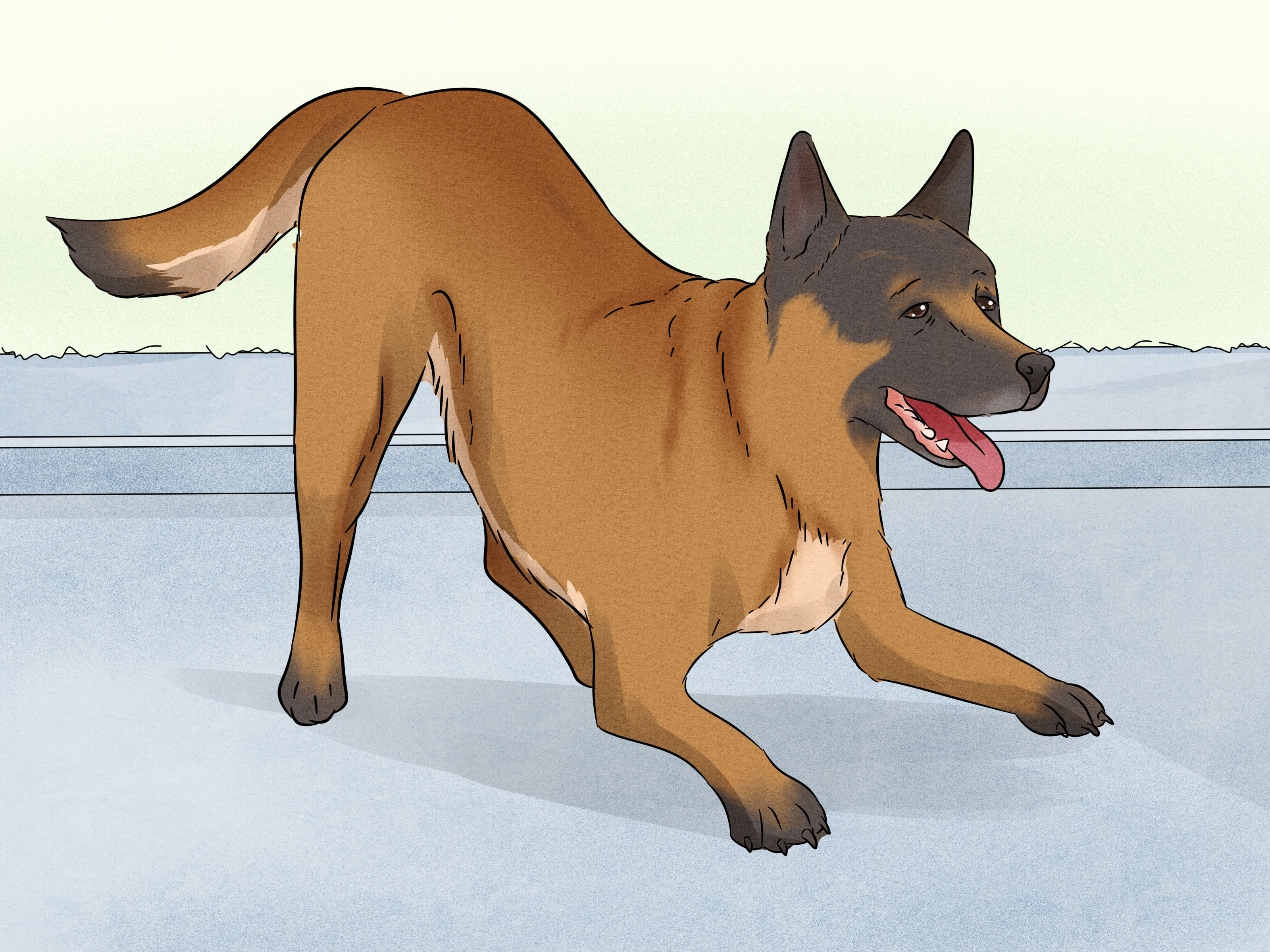
A Belgian Malinois can look like a German Shepherd that traded a little bulk for a gym membership, three espressos, and an urgent appointment. Lean, alert, and famously energetic, this Belgian herding breed has become recognizable through police work, military service, search-and-rescue operations, competitive dog sports, and videos in which gravity appears to be merely a suggestion.
However, identifying a Belgian Malinois is not as simple as spotting a tan dog with upright ears. German Shepherds, Dutch Shepherds, other Belgian shepherd varieties, and mixed-breed dogs can share several Malinois characteristics. Coat color alone is especially unreliable. To make a sensible identification, you must examine the complete dog: physical structure, coat and facial features, movement, temperament, history, andwhen certainty mattersdocumentation or DNA.
This guide explains three practical ways to identify a Belgian Malinois while avoiding the most common cases of mistaken canine identity.
Quick Overview of the Belgian Malinois
The Belgian Malinois is a medium-to-large herding dog developed near Malines, also known as Mechelen, in Belgium. It is closely related to three other Belgian shepherd varieties: the long-coated Belgian Tervuren, the long-coated black Belgian Sheepdog or Groenendael, and the rough-coated Belgian Laekenois.
In the United States, these dogs may be recognized as separate breeds by some registries, while other organizations classify them as coat varieties of the Belgian Shepherd Dog. That shared ancestry explains why their underlying body structure and working instincts can be remarkably similar.
An adult Belgian Malinois generally stands about 22 to 26 inches at the shoulder. Males typically appear larger and more substantial than females, but both should look athletic rather than heavy. A mature Malinois usually weighs somewhere within a broad range of approximately 40 to 80 pounds, depending on sex, bloodline, conditioning, and individual build.
1. Examine the Dog’s Physical Appearance
The first way to identify a Belgian Malinois is to study the entire silhouette instead of focusing on one attractive feature. Upright ears and a black muzzle are useful clues, but they do not constitute a canine birth certificate.
“`
Look for a Square, Athletic Body
A well-proportioned Belgian Malinois has a body that appears almost square when viewed from the side. The distance from the shoulder to the ground is roughly similar to the length from the front of the chest to the rear of the body. This creates a compact, balanced outline built for quick turns, acceleration, and sustained work.
The dog should look muscular without appearing bulky. The chest is moderately deep, the abdomen is tucked up, and the legs are straight, strong, and relatively long. A healthy adult often resembles a serious athlete in the starting blocksnot a heavyweight bodybuilder waiting near the buffet.
Compared with many German Shepherd Dogs, a Belgian Malinois is usually lighter, finer-boned, and squarer in outline. German Shepherds often have a longer body, heavier frame, broader appearance, and more noticeably sloping profile. Individual dogs vary, so this comparison should be treated as a clue rather than an inflexible rule.
Check the Head, Eyes, and Ears
The Malinois head is cleanly shaped and proportionate to the body. Seen from above or from the side, it forms a tapered wedge rather than a broad, blocky shape. The muzzle is moderately pointed but should not appear fragile or needle-thin.
The ears are triangular, stiff, and carried upright. They sit high on the head and contribute to the breed’s famously attentive expression. Puppies may go through awkward stages in which one ear stands while the other appears to be considering its options. Adult dogs, however, normally have firmly erect ears unless injury, genetics, or mixed ancestry affects their carriage.
The eyes are generally dark brown, medium-sized, and slightly almond-shaped. The expression should appear intelligent, observant, and ready. A Malinois often watches a person with such concentration that the person begins wondering whether they have forgotten an important assignment.
Identify the Black Mask
One of the most recognizable Belgian Malinois features is a dark facial mask. Black coloring commonly covers the muzzle and may extend around the eyes, cheeks, and ears. The ears are usually dark or black, reinforcing the sharply defined expression.
The depth and coverage of the mask can vary. Some dogs have dramatic black faces, while others display a more modest mask. A dog without a textbook-perfect mask could still have Malinois ancestry, particularly if it is a working-line dog or a mix. Conversely, a black mask does not automatically make a dog a Malinois. Plenty of breeds have discovered that black is a flattering facial accessory.
Inspect the Short Double Coat
A Belgian Malinois has a relatively short, straight, weather-resistant double coat. The hair is especially short on the head, ears, and lower legs. It becomes slightly fuller around the neck, tail, and backs of the thighs. The undercoat provides protection in changing weather.
Standard colors generally range from fawn to rich mahogany. Individual hairs may have black tips, producing an overlay known as blackening or charcoaling. The overall effect may range from warm golden fawn to deep reddish brown with dark shading.
Small white markings may occur on the chest or toes, but extensive white is not typical of the breed standard. Solid black dogs are sometimes marketed as rare Belgian Malinois. Black coats can occur in related populations and working lines, but color alone cannot establish breed identity and may not conform to every registry’s Malinois standard.
Observe the Tail
The tail is strong at the base and reaches approximately to the hock. At rest, it normally hangs downward with a gentle curve near the end. When the dog becomes alert or begins moving, the tail may rise, but it should not routinely curl tightly over the back like the tail of a spitz breed.
“`
2. Observe Movement, Energy, and Temperament
The second way to recognize a Belgian Malinois is to observe how the dog moves and responds to the world. Physical appearance can point you toward the breed, while behavior may strengthenor seriously weakenthe case.
“`
Watch the Dog Move
A Malinois typically moves with a smooth, efficient, energetic gait. The dog should appear light on its feet, balanced, and capable of changing direction quickly. At a trot, the movement is purposeful rather than lumbering. When properly conditioned, a Malinois can sprint, jump, climb, track, turn, and stop with impressive control.
The breed’s movement reflects its herding ancestry. These dogs were developed to work for long periods while remaining responsive to livestock, terrain, and handlers. Even a companion Malinois may patrol the yard, circle moving objects, or position itself where it can monitor everyone at once.
Look for Intense Environmental Awareness
Belgian Malinois are commonly alert to small changes in their surroundings. A door closing down the street, a squirrel entering a tree, or a delivery driver thinking about approaching the porch may receive immediate attention.
A sound adult should be confident and observant. The dog may be reserved with unfamiliar people, but correct reserve differs from panic or uncontrolled aggression. Fearfulness, frantic reactivity, or indiscriminate hostility should not be treated as proof that a dog is “extra protective” or somehow more authentic.
Notice the Desire to Work
One of the strongest Belgian Malinois traits is a desire to perform tasks with a human partner. Many learn new commands rapidly and become highly motivated by toys, food, movement, or access to a favorite activity. They often excel in obedience, tracking, scent detection, protection sports, agility, herding, dock diving, and search-and-rescue work.
A typical Malinois does not merely enjoy exercise; it often needs structured mental and physical outlets. A leisurely stroll around the block may serve as a warm-up, not the day’s grand athletic achievement. Without training and purposeful activity, a bored Malinois may invent jobs such as reorganizing couch cushions, excavating the yard, or conducting unauthorized security inspections of the window blinds.
Consider Herding and Prey Drive
Many Malinois show a strong interest in movement. They may chase balls intensely, stalk toys, circle groups, nip at heels, or attempt to control running animals and people. These behaviors relate to herding and prey drive, although their intensity varies considerably among individual dogs and bloodlines.
High drive must be managed through early socialization, impulse-control exercises, reliable obedience, and appropriate games. It should never be tested by encouraging an unfamiliar dog to chase children, pets, bicycles, or wildlife. Identification is important, but keeping everyone’s ankles intact is more important.
Do Not Identify the Breed by Behavior Alone
Border Collies, Dutch Shepherds, German Shepherds, Australian Kelpies, and many mixed breeds can also be energetic, intelligent, focused, and highly trainable. A calm Malinois is still a Malinois, while an energetic tan dog is not necessarily one. Age, health, socialization, prior training, living conditions, and individual personality all influence behavior.
“`
3. Verify the Dog’s History, Pedigree, or DNA
The third and most reliable method is to investigate where the dog came from. Visual identification produces an educated estimate. Documentation and genetic analysis can provide much stronger evidence.
“`
Review Registration and Pedigree Records
A dog sold as a purebred Belgian Malinois should have traceable records from a recognized registry, assuming the litter was registered. Ask for the dog’s registered name, registration number, pedigree, breeder information, and identification details such as a microchip number.
Documents should be verified rather than accepted merely because they arrived in an impressive folder. Match the registration information to the dog’s sex, birth date, markings, microchip, breeder, and parents. Ethical breeders should be willing to discuss lineage, temperament, working ability, health screening, and the type of home suitable for the puppy.
Registration establishes recorded ancestry, but it is not a guarantee that a dog is healthy, behaviorally suitable, or well bred. A pedigree is a family tree, not a magical certificate of perfection.
Ask About Health Testing
Responsible breeders commonly evaluate breeding dogs for inherited health concerns relevant to the Belgian Malinois. Hip and elbow assessments, eye examinations, and breed-appropriate genetic tests may be included, depending on the breeder’s program and current parent-club recommendations.
Health records do not directly identify a dog by appearance, but they help connect the animal to a documented breeding program. Publicly searchable records may also allow buyers to confirm that reported evaluations belong to the correct dog.
Use a Reputable Dog DNA Test
For a shelter dog, rescue, or mystery mix, a canine DNA test may be the most practical way to investigate breed ancestry. These tests compare the dog’s genetic markers with reference populations for recognized breeds. Depending on the company and sample quality, the report may identify Belgian Malinois ancestry and estimate the percentage present in a mixed-breed dog.
DNA results should be interpreted thoughtfully. Companies use different databases and analytical systems, so reports may not be identical. Closely related Belgian shepherd populations can be particularly challenging because they share substantial ancestry. Results are best treated as genetic evidence, not as a prediction of exact adult behavior.
Consult a Breed-Experienced Professional
A veterinarian can assess the dog’s overall development and physical condition, while an experienced Belgian Malinois breeder, rescue evaluator, trainer, or conformation judge may recognize structural and behavioral details that a casual observer misses.
Professional visual assessment is still an opinion unless supported by records or genetic evidence. Nevertheless, it can be extremely valuable when selecting training methods, estimating exercise needs, or determining whether a newly adopted dog might possess the intensity associated with working shepherd breeds.
“`
Belgian Malinois Versus Similar Breeds
“`
Belgian Malinois Versus German Shepherd
The German Shepherd is generally heavier and longer-bodied, with a broader head, thicker overall outline, and more pronounced slope through the back and hindquarters in many show lines. The Malinois is commonly leaner, squarer, lighter-footed, and more finely built. Both can have tan coats, black markings, upright ears, and powerful working drives.
Belgian Malinois Versus Dutch Shepherd
The Dutch Shepherd has a similar athletic body and may display comparable working intensity. Its most recognizable distinction is usually a brindle coat, with dark striping over a gold or silver background. Mixed ancestry or unusual coloring can blur the difference, making DNA or records useful.
Belgian Malinois Versus Belgian Tervuren
These close relatives share a similar square structure, pointed ears, intelligent expression, and black mask. The easiest distinction is the coat. A Tervuren has long, abundant hair, particularly around the neck, chest, tail, and backs of the legs. A Malinois has a much shorter coat that lies close to the body.
Belgian Malinois Versus Belgian Laekenois
The Laekenois has a rough, wiry, tousled coat rather than the Malinois’s smooth short coat. Under the different hair, however, the two may share many structural characteristics because of their common Belgian shepherd heritage.
“`
Common Identification Mistakes
Avoid labeling every fawn dog with erect ears as a Belgian Malinois. Coat color, ear shape, or high energy can each occur in numerous breeds. Online photographs are also misleading because camera angle, age, body condition, and coat stage can dramatically change a dog’s appearance.
Puppies are especially difficult to identify. Their proportions change rapidly, their ears may not yet stand, and their adult coat may not be fully developed. A young German Shepherd mix and a young Malinois mix can look nearly identical in one photograph.
Another mistake is assuming that police-style behavior proves a dog is purebred. Training creates many of the dramatic behaviors seen in working-dog demonstrations. A dog that bites a sleeve, leaps over a fence, or obeys commands in another language is demonstrating training and abilitynot presenting a pedigree.
Experiences That Help You Recognize a Belgian Malinois
Reading a breed standard is useful, but spending time around real dogs makes the details far easier to understand. The first time many people see a Malinois beside a German Shepherd, the contrast becomes obvious. The Malinois often looks more compact and streamlined, while the German Shepherd appears broader and more substantial. In photographs, the difference can seem minor. In motion, it is frequently unmistakable.
A helpful experience is watching a well-trained Malinois complete an obedience or scent-work exercise. Before the activity begins, the dog may look as though every muscle is waiting for permission to launch. The instant the handler gives a cue, that stored energy becomes focused action. The dog accelerates quickly, performs the task, and returns looking ready to repeat it immediatelypreferably yesterday.
That intensity can lead inexperienced observers to think every Malinois should constantly bounce, bark, or grab objects. Well-trained dogs demonstrate the opposite lesson. They can be energetic without being chaotic. An experienced handler teaches the dog how to switch between work and rest, remain neutral around distractions, and control powerful impulses. The ability to settle is trained and reinforced; it does not always arrive preinstalled.
Meeting several Malinois also reveals how much variation exists within the breed. One may be openly social, another politely reserved, and a third intensely devoted to one handler. Some are powerful protection-sport dogs, while others participate in agility, detection work, herding, hiking, or family life. Their shared characteristics may include alertness, athleticism, intelligence, and responsiveness, but they are not identical machines wearing different collars.
Rescue evaluations provide another valuable lesson: visual guesses are frequently wrong. A dog may have the short fawn coat, dark muzzle, and erect ears associated with a Malinois, yet DNA testing may reveal German Shepherd, Dutch Shepherd, Siberian Husky, or several unrelated breeds. Mixed dogs can inherit the Malinois “look” without inheriting much Malinois ancestry. They can also inherit high drive from breeds that are rarely suspected based on appearance.
Owners often describe living with a young Malinois as discovering that their house has been inspected by an extremely intelligent tornado. Doors, cabinets, toys, laundry, and fences become puzzles. A bored dog may solve those puzzles in ways the homeowner did not authorize. Structured training sessions, scent games, retrieval work, exercise, and calm-place training usually produce better results than simply trying to exhaust the dog through endless running.
Observing responsible breeders can be equally educational. They do not select dogs solely for dark masks, dramatic photographs, or extreme intensity. They consider structure, health, temperament, working aptitude, confidence, and compatibility between bloodlines. They also ask potential owners difficult questions because placing a high-drive puppy in an unsuitable home can end badly for both the family and the dog.
Perhaps the most important practical experience is learning not to approach an unfamiliar working dog casually. A Malinois in a police vehicle, training field, service role, or secured property may be concentrating on a task. Admire from an appropriate distance and ask the handler before interacting. “But dogs usually love me” is not a recognized working-dog safety protocol.
Over time, the best identifiers become the combination of details: the square frame, clean wedge-shaped head, erect triangular ears, short fawn-to-mahogany coat, dark mask, efficient movement, intense awareness, and strong engagement with a handler. No single feature settles the question. Together, they create the distinctive picture of a Belgian Malinois.
Conclusion
To identify a Belgian Malinois, begin with physical structure and coat, continue by observing movement and temperament, and confirm your conclusion through pedigree records or canine DNA testing whenever accuracy matters. A typical Malinois is squarely built, lean, muscular, short-coated, dark-masked, erect-eared, alert, and highly responsive.
Remember that breed traits occur on a spectrum, and mixed dogs can closely resemble purebred animals. Visual identification is therefore a useful starting point, not definitive proof. Whether the dog is purebred, mixed, registered, or a magnificent mystery, its individual health, training needs, temperament, and safety should matter more than the label.











