
When a guinea pig stops pooping normally, every pet parent enters detective mode. You stare at the bedding. You count little pellets like they are gold coins. You wonder whether your tiny potato-shaped roommate is simply having a slow bathroom day or heading toward a serious digestive problem. The truth is important: constipation in guinea pigs is not something to casually “wait out.” In many cases, what owners call constipation may actually be reduced gut movement, dehydration, dental pain, poor appetite, gas, or gastrointestinal stasis, which can become dangerous quickly.
This guide explains 3 ways to help a constipated guinea pig safely: recognize emergency warning signs, improve fiber and hydration, and support movement while reducing stress. The goal is not to replace an exotic-animal veterinarian. The goal is to help you know what to do, what not to do, and when your guinea pig needs professional care before a small problem becomes a squeaky little crisis.
Understanding Guinea Pig Constipation
Guinea pigs are herbivores with delicate digestive systems designed for frequent eating and constant fiber intake. Their gut works best when food keeps moving. A healthy guinea pig usually produces many firm, oval droppings throughout the day. If droppings become tiny, dry, misshapen, fewer than usual, or absent, that is a red flag. If the guinea pig also stops eating, hides, seems hunched, grinds its teeth, has a swollen belly, or acts weak, treat the situation as urgent.
Unlike humans, guinea pigs cannot safely go long periods without eating. Their digestive tract depends on steady intake of hay and plant matter. When appetite drops, gut movement slows. When gut movement slows, gas and discomfort can build. Then pain reduces appetite even more. It is a very rude cycle, and unfortunately, guinea pigs did not come with a “reset digestion” button.
Common Signs of a Constipated Guinea Pig
- Few or no droppings in the cage
- Small, dry, tear-shaped, or unusually hard poop
- Loss of appetite or refusal of favorite foods
- Hunched posture, hiding, or low energy
- Swollen, tight, or painful-looking belly
- Teeth grinding, squeaking in pain, or reluctance to move
- Weight loss or signs of dehydration
If your guinea pig has not eaten or produced droppings for several hours, contact an exotic pet veterinarian immediately. A guinea pig who is not pooping and not eating is not being dramatic; that little floof may need urgent medical support.
Way 1: Call an Exotic Vet and Check for Emergency Signs
The first and most important way to help a constipated guinea pig is to decide whether this is an emergency. Many digestive issues in guinea pigs require a veterinarian because the underlying cause may be dental disease, pain, dehydration, infection, blockage, gas, or GI stasis. Home care can help mild cases, but it should never delay professional care when symptoms are serious.
When to Seek Immediate Veterinary Care
Call a veterinarian right away if your guinea pig has little or no poop, is not eating, has a firm or bloated abdomen, seems weak, or looks painful. Guinea pigs hide illness well because, in the wild, looking sick is basically sending predators a dinner invitation. By the time a guinea pig looks visibly unwell, the problem may already be advanced.
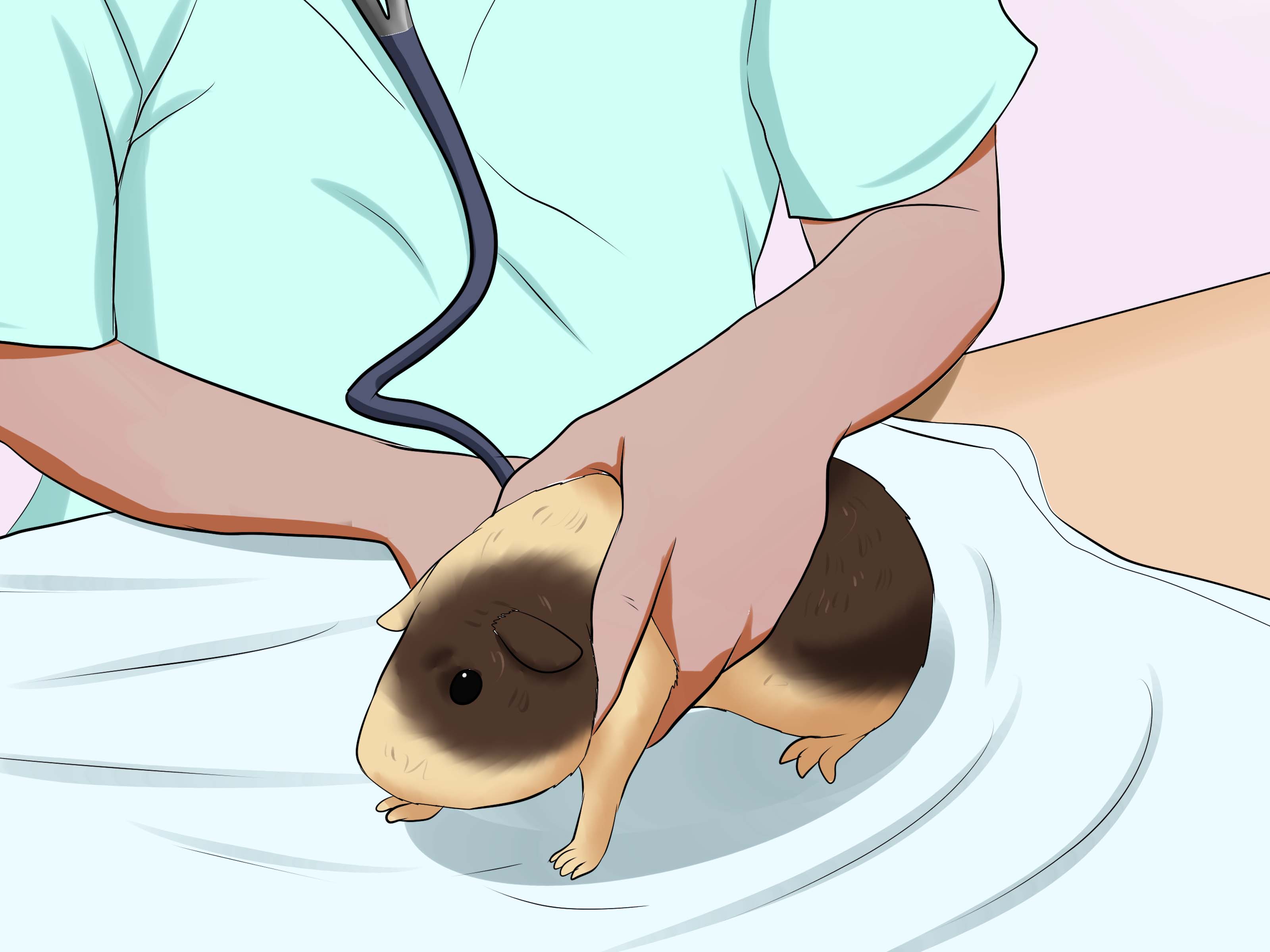
A vet may check hydration, body temperature, teeth, abdomen, weight, and overall condition. Depending on the case, treatment may include fluids, pain relief, assisted feeding, imaging, gut motility medication, or treatment for dental or other underlying disease. Never give human laxatives, mineral oil, enemas, or over-the-counter pain medications unless a qualified veterinarian specifically instructs you to do so. Many human treatments can be dangerous for small animals.
What You Can Observe Before the Vet Visit
While arranging care, gather useful information. Note when your guinea pig last ate, drank, and pooped. Look at the size and texture of droppings. Check whether the belly feels unusually tight. Watch for tooth grinding, unusual posture, or repeated stretching. If possible, weigh your guinea pig on a kitchen scale and compare it to previous weights. Weight loss is often one of the earliest measurable signs that something is wrong.
Keep your guinea pig warm, quiet, and comfortable. Do not force exercise, squeeze the belly, or attempt aggressive massage. Gentle observation is helpful; amateur guinea pig chiropractic is not.
Way 2: Support Digestion With Hay, Water, and Safe Foods
Fiber is the superstar of guinea pig digestion. The main diet should include unlimited grass hay, such as timothy hay or orchard grass. Hay provides the long fiber needed to keep the gut moving and also helps wear down constantly growing teeth. If your guinea pig eats too many pellets or sugary treats and not enough hay, digestion may slow and dental problems may become more likely.
Offer Unlimited Fresh Hay
Make hay easy, clean, and tempting. Replace old hay daily, even if some remains in the rack. Guinea pigs are tiny food critics with whiskers; stale hay may be ignored with the dramatic energy of a restaurant reviewer. Try placing hay in multiple areas, including a hay rack, a paper bag with the handles removed, or a cardboard tube cut lengthwise for safety. Different textures can encourage natural foraging.
If your guinea pig is nibbling but not eating enough, offer fresh hay close to its resting spot. Avoid sudden diet changes, but consider providing a variety of safe grass hays to increase interest. Alfalfa hay is generally too rich in calcium for most healthy adult guinea pigs and is usually reserved for young, pregnant, nursing, or medically directed cases.
Encourage Hydration
Dehydration can make droppings dry and gut contents harder to move. Provide clean water at all times. Some guinea pigs prefer bottles, others prefer bowls, and some enjoy having both because apparently hydration requires interior design options. Check that the water bottle is not clogged and that the ball tip moves freely. Wash bowls daily and refill them with fresh water.
Fresh vegetables can also support hydration, but they should be safe and introduced carefully. Romaine lettuce, bell pepper, cucumber, and small amounts of cilantro are common options many guinea pigs enjoy. Avoid giving a pile of watery vegetables all at once, especially if your guinea pig is not used to them, because sudden changes may upset the gut further.
Use Pellets and Vitamin C Wisely
High-quality guinea pig pellets can be part of a balanced diet, but they should not replace hay. Choose plain, timothy-based guinea pig pellets fortified with vitamin C, not rabbit pellets. Guinea pigs cannot make their own vitamin C, so they need it from food or vet-approved supplementation. Bell pepper is a popular vitamin C-rich vegetable that many guinea pigs accept happily. It is basically the crunchy multivitamin of the cavy world.
Limit sugary fruit, seed mixes, yogurt drops, colorful processed treats, and excessive pellets. These foods may be exciting, but excitement is not the same as digestive health. A guinea pig’s gut is happiest with boring consistency: hay, water, appropriate vegetables, measured pellets, and routine.
Ask Your Vet About Assisted Feeding
If your guinea pig is not eating enough, call your vet before attempting syringe feeding. Assisted feeding can be lifesaving in the right situation, but it can also be risky if there is a blockage, severe bloat, or aspiration risk. Your veterinarian may recommend a recovery food made for herbivores and show you how much to give and how to feed safely.
Way 3: Encourage Gentle Movement and Reduce Stress
Once emergency signs have been addressed and your guinea pig is stable, gentle movement may help normal digestion. A guinea pig who sits still all day may have slower gut activity than one who explores, sniffs, and waddles around like a furry loaf with errands. However, movement should be calm and voluntary. Do not chase, toss, bounce, or force a sick guinea pig to exercise.
Create a Safe Floor-Time Area
Set up a clean, enclosed floor-time space with towels, hideouts, hay, and water. Let your guinea pig move at its own pace. Place hay in different corners to encourage foraging. Add tunnels or cardboard boxes with multiple exits. Guinea pigs feel safer when they can hide, and a relaxed pig is more likely to eat and move naturally.
Keep the area quiet and free from dogs, cats, loud music, slippery floors, and curious toddlers with the emotional intensity of wildlife documentarians. Stress can reduce appetite and worsen digestive problems.
Keep the Cage Clean and Monitor Droppings
To track progress, clean part of the cage or place your guinea pig in a temporary clean area for an hour or two so you can monitor new droppings. Healthy poop should be consistent in size and shape. Very small, dry, or absent droppings suggest that the gut is still not working normally. Soft, watery, or foul-smelling stool is also concerning and should be discussed with a vet.
Daily cage checks help you catch problems early. A guinea pig’s poop output is not glamorous, but it is one of the best health reports you will ever receive for free.
Prevent Future Constipation Problems
Prevention is mostly about routine. Offer unlimited grass hay, fresh water, vitamin C-rich vegetables, measured pellets, regular floor time, and a low-stress environment. Weigh your guinea pig weekly. Learn its normal appetite, favorite foods, and usual poop pattern. When you know what normal looks like, abnormal becomes easier to spot.
Schedule regular wellness exams with an exotic pet veterinarian. Dental problems are a common reason guinea pigs eat less, and reduced eating often leads to fewer droppings. Because guinea pig teeth grow continuously, dental health and digestive health are close roommates. If one moves out, the other usually starts acting weird.
What Not to Do for a Constipated Guinea Pig
Some home remedies sound harmless but can be dangerous. Do not give human laxatives, enemas, mineral oil, dairy products, essential oils, or random internet “cures.” Do not feed large amounts of fruit, bread, cereal, or grains to “push things through.” Do not wait days to see whether the problem fixes itself if your guinea pig is not eating or pooping. Small animals can decline quickly, and early treatment gives them a much better chance.
Also avoid assuming constipation is only a food problem. A guinea pig may stop pooping because it stopped eating due to dental pain, respiratory illness, urinary pain, stress, heat, poor hydration, or another medical issue. Treat the symptom seriously, but look for the cause with veterinary help.
Sample Safe Care Plan for Mild Changes
If your guinea pig is still bright, eating hay, drinking water, moving normally, and producing some droppings, you can support digestion while monitoring closely. Refresh the hay, offer clean water, provide a small portion of safe leafy greens, reduce sugary treats, and give calm floor time. Check droppings every few hours. If poop output does not improve, appetite drops, or your guinea pig seems uncomfortable, contact your veterinarian.
For a guinea pig with no appetite, no droppings, bloat, lethargy, or pain, skip the “mild care plan” and call an exotic vet immediately. In guinea pig health, being slightly too cautious is much better than being slightly too late.
Experience Notes: What Guinea Pig Owners Often Learn the Hard Way
Many guinea pig caregivers describe the same first lesson: poop matters more than you ever expected. A new owner may laugh at how much attention experienced cavy people give to droppings, but after one digestive scare, the bedding becomes a daily health dashboard. One caregiver might notice that the usual mountain of pellets in the corner has become just a few tiny, dry pieces. Another might realize that their guinea pig accepted lettuce but ignored hay, which is like a person eating only dessert and calling it dinner. These small changes can be the first clue that digestion is slowing.
A common experience is discovering that “still eating a little” is not always reassuring. Guinea pigs may nibble enough to look active but not enough to keep the gut moving properly. Owners often report that the real warning sign was not total refusal of food but a change in enthusiasm: the pig who usually sprinted for bell pepper suddenly sniffed it and walked away. That tiny rejection can feel funny for about three seconds, then deeply alarming. Appetite changes deserve attention.
Another practical lesson is that hay quality matters. Some guinea pigs ignore dusty, brown, or stem-heavy hay but dive into fresh, fragrant hay like it is a five-star salad bar. Rotating safe grass hay textures, storing hay in a dry place, and removing soiled hay daily can make a noticeable difference. Caregivers also learn to place hay where the guinea pig already likes to rest. A sick or uncomfortable pig may not walk across the cage for food, but it may nibble if hay is right beside its hideout.
Hydration lessons are equally memorable. A water bottle can look full while the metal ball is stuck. A bowl can be tipped, filled with bedding, or treated as a tiny foot bath by a guinea pig with questionable manners. Many owners eventually offer both a bottle and a heavy bowl, then check them twice a day. This simple habit can prevent dehydration from quietly making digestive issues worse.
Owners also learn the value of a kitchen scale. Guessing weight by looking at a guinea pig is nearly impossible because guinea pigs are naturally shaped like compact loaves of bread. Weekly weighing gives real numbers. A small but steady drop can reveal a problem before the guinea pig looks sick. During recovery, weight tracking helps show whether food intake is improving.
The biggest experience-based takeaway is this: quick action beats panic. The best caregivers do not wait for a dramatic collapse. They notice fewer droppings, check appetite, refresh hay and water, reduce stress, and call an exotic vet when warning signs appear. Helping a constipated guinea pig is not about one magic trick. It is about reading the signs, supporting the basics, and knowing when professional care is the safest love language.
Conclusion
Helping a constipated guinea pig starts with taking the problem seriously. Watch for reduced droppings, appetite changes, bloating, pain, and low energy. Call an exotic veterinarian quickly if symptoms are severe or your guinea pig stops eating or pooping. Support healthy digestion with unlimited grass hay, fresh water, safe vegetables, vitamin C, measured pellets, gentle movement, and a calm environment. Most importantly, do not rely on risky home remedies or wait too long. Your guinea pig may be small, but its digestive system has big opinionsand it needs steady care to stay healthy.











