
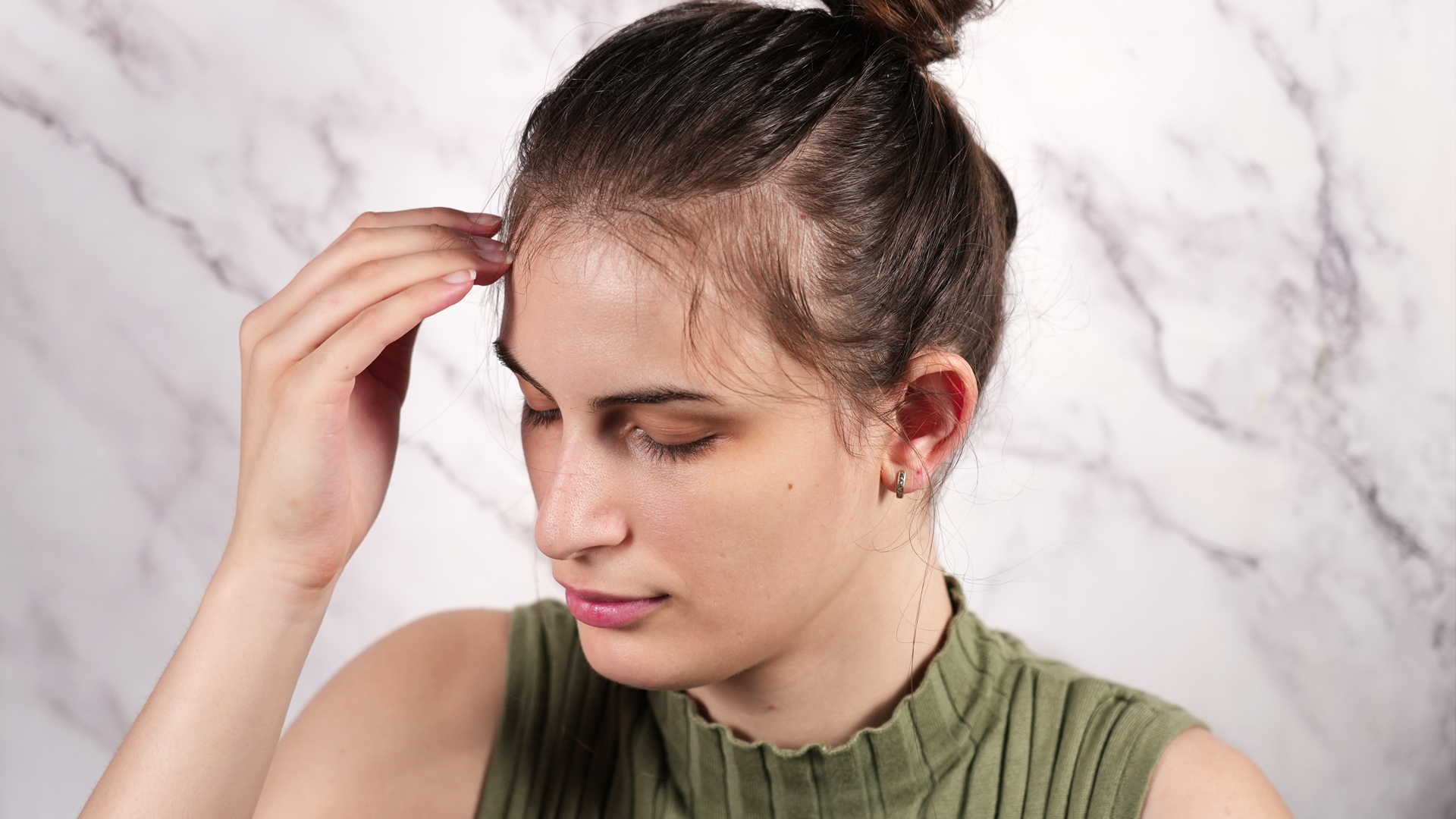
Baby hairs are tiny, wispy, and occasionally dramatic enough to deserve their own group chat. One day they frame your face like a soft-focus beauty filter; the next day they stand straight up as if they have just heard shocking family gossip. But if you are trying to grow out baby hairs, especially around the hairline, temples, or nape, the real goal is not to bully them into submission. It is to figure out what they are, protect them from breakage, and support the scalp so those fragile little strands have a fighting chance.
The phrase “baby hairs” can mean a few different things. Some are naturally fine vellus hairs that may never grow as long or thick as the rest of your hair. Some are new growth after shedding. Others are actually broken strands caused by tight hairstyles, heat tools, harsh brushing, chemical services, or overenthusiastic edge control routines. That last category is where things get interesting, because breakage can often be improved with smarter care.
This guide breaks down three realistic ways to grow out baby hairs without falling for miracle-oil mythology, supplement hype, or the idea that your hairline needs to be “fixed.” Healthy edges are the goal. Perfection is not. Your baby hairs are not misbehaving employees; they are delicate fibers growing from living follicles, and they respond best to patience, consistency, and gentleness.
First, Are They Baby Hairs or Breakage?
Before you start a “grow my edges” mission, look closely at the short hairs around your hairline. True baby hairs tend to be soft, fine, tapered at the ends, and located naturally along the forehead, temples, or nape. They may lie flat, curl, wave, or pop up depending on your texture.
Breakage looks different. Broken hairs are often blunt at the ends, uneven, dry, frizzy, or clustered in places where your hair gets the most stress. If the short pieces appear where you brush hard, clip hair back, wear tight buns, straighten often, bleach, relax, or pull your hair into the same style every day, breakage may be the culprit.
A simple mirror test can help. Choose a few short strands near the hairline. If the tips look naturally tapered and the strands gradually lengthen over several weeks, you may be seeing new growth. If the strands are rough, snapped, and repeatedly return to the same short length, the hair may be breaking before it gets a chance to grow out.
That distinction matters because you cannot force naturally short vellus hairs to become waist-length curtain bangs. But you can reduce breakage, lower tension, nourish the scalp, and give new growth the best environment possible.
Way 1: Stop the Pulling, Tugging, and Edge Warfare
If baby hairs had a villain origin story, it would probably involve a tight ponytail, a boar-bristle brush, and enough gel to laminate a countertop. The hairline is one of the most fragile areas of the scalp, and repeated pulling can cause breakage or, in more serious cases, traction alopecia.
Traction alopecia happens when hairstyles repeatedly pull on the hair follicles. Common triggers include tight ponytails, buns, braids, cornrows, locs, extensions, wigs that rub, and styles that put steady tension on the temples or edges. Early on, the hair may recover when the tension stops. If the pulling continues for too long, follicles can become damaged and hair loss may become harder to reverse.
Choose low-tension hairstyles
The easiest way to grow out baby hairs is also the least glamorous: stop yanking them around. Wear looser ponytails, lower buns, soft braids, claw clips, loose twists, or styles that do not pull your hairline backward like it owes rent. If your scalp hurts, tingles, bumps up, or feels tight after styling, that is not “snatched.” That is your scalp filing a formal complaint.
Rotate your hairstyles throughout the week. Wearing the same tight style every day concentrates stress in the same spots. A sleek bun on Monday, a loose braid on Tuesday, hair down on Wednesday, and a soft low ponytail on Thursday gives your hairline a better chance to rest.
Be careful with protective styles
Protective styles can be wonderful when they are done gently. The problem is not the braid, twist, wig, or weave itself. The problem is excessive tension, heavy added hair, rough installation, or leaving a style in too long. If you feel pulling at the temples, see tiny white bulbs or broken hairs near the front, or notice redness and bumps, the style may be too tight.
For wigs, pay attention to friction. A wig cap, band, glue, or lace edge that rubs the same part of the hairline daily can irritate fragile strands. Use a smooth barrier, avoid sleeping in tight units when possible, and give your edges regular breaks.
Retire the “100 brush strokes” myth
Your hair does not need 100 brush strokes a day. That old beauty rule belongs in the same museum as powdered wigs and using mayonnaise as a personality trait. Brush only as needed to style or detangle, and use a wide-tooth comb or gentle detangling brush. Start at the ends, work upward, and do not rip through knots like you are opening a bag of chips during a movie trailer.
When styling baby hairs, use a soft toothbrush, edge brush, or fingertip with light pressure. Avoid scraping the hairline every morning with strong-hold products. If your edge routine requires force, stiffness, and a motivational speech, it may be too much.
Way 2: Build a Gentle Hair-Care Routine That Prevents Breakage
Hair growth happens at the scalp, but length retention happens along the strand. That means your baby hairs may be growing just fine, then snapping before you ever see progress. To grow them out, your routine should reduce dryness, friction, and heat damage.
Wash your scalp, condition your lengths
A clean scalp supports healthy growth. You do not need to scrub your hairline like a kitchen pan, but you do want to remove sweat, styling product, oil buildup, and flakes. Massage shampoo gently into the scalp with your fingertips, not your nails. Let the suds rinse through the lengths instead of piling shampoo directly onto fragile ends.
Conditioner is your baby-hair bodyguard. Apply conditioner from mid-lengths to ends and lightly over the front pieces if they feel dry. For curly, coily, color-treated, or heat-styled hair, a weekly deep conditioner can help reduce brittleness. The goal is not to “repair” split ends permanently, because once a strand is split, it cannot magically glue itself back together forever. The goal is to make the hair more flexible and less likely to snap.
Turn down the heat
Heat styling can weaken hair, especially fine hair around the hairline. Flat irons, curling wands, hot combs, and blow-dry brushes can dry out the strand and make breakage more likely. If you use heat, keep the temperature as low as practical, use a heat protectant, and avoid passing the tool repeatedly over the same tiny front pieces.
Do not straighten or curl damp hair unless the tool is specifically designed for that purpose. Wet hair is vulnerable, and sizzling is for fajitas, not follicles. Let hair partially air-dry before blow-drying, and reduce the number of heat-styling days per week when possible.
Sleep like your hairline matters
Nighttime friction can quietly wreck baby hairs. Cotton pillowcases can rough up fragile strands, especially if you toss and turn. A satin or silk pillowcase, scarf, or bonnet may reduce friction and help your hair retain moisture. Keep nighttime styles loose. A tight bun at bedtime is basically eight hours of tension with a pillow soundtrack.
If you use edge gel, pomade, or hairspray during the day, avoid piling on more product night after night without cleansing. Heavy buildup can make hair stiff, and stiff hair breaks more easily. Think flexible, moisturized, and low-friction.
Trim damage before it travels
Trimming does not make hair grow faster from the root, but it can prevent split ends from traveling upward and causing more breakage. If the front pieces are frayed, dusty-looking, or constantly tangling, a tiny trim may help them look healthier while the rest grows in. You do not need a dramatic chop. Sometimes a “dusting” is enough.
Way 3: Support the Scalp and Treat Real Hair Loss Early
Baby hairs grow from follicles in the scalp, so scalp health matters. But this is where many people get lured into the magical jungle of hair-growth claims. A serum can moisturize. An oil can reduce dryness. A massage can feel fantastic. But if you have true hair loss, inflammation, hormonal shedding, or traction alopecia, you may need more than a cute bottle and optimism.
Keep the scalp calm
A healthy scalp should not be constantly itchy, painful, flaky, inflamed, or covered in bumps. If your hairline feels sore after styling, take that seriously. Soreness can be a sign of too much tension. If you see redness, pustules, scaling, smooth shiny patches, or widening areas where hair used to grow, it is time to consider professional help.
Use lightweight products near the hairline if you are prone to buildup. Heavy oils and waxes can trap debris for some people, especially when layered with gel. That does not mean oils are forbidden. It means your scalp gets a vote. If a product makes you itch, flake, or break out, stop using it.
Eat for hair health, not hair panic
Hair is not essential for survival, so when the body is under stress, sick, low on nutrients, or recovering from a major change, hair growth can temporarily suffer. Protein, iron, zinc, vitamin D, B vitamins, and overall calorie intake can all play roles in healthy hair growth. This does not mean you need a cabinet full of gummies shaped like cartoon berries.
Most people do better by eating regular balanced meals with protein, fruits, vegetables, whole grains, healthy fats, and enough fluids. If you suspect a deficiency, heavy shedding, fatigue, irregular periods, recent illness, or sudden thinning, ask a healthcare professional about testing before taking high-dose supplements. More is not always better. Some supplements can interfere with lab tests or cause problems when overused.
Understand where minoxidil fits
Topical minoxidil is an over-the-counter medication used for certain types of hair loss, including pattern hair loss. It may help some people grow thicker hair, but it is not a universal baby-hair potion. It usually takes several months of consistent use to see results, and benefits typically continue only while you keep using it. It can also irritate the scalp for some users.
If you are dealing with a receding hairline, widening part, sudden shedding, patchy loss, postpartum shedding, or suspected traction alopecia, a dermatologist can help identify the cause. That matters because hair loss is a symptom, not a single condition. Pattern hair loss, telogen effluvium, alopecia areata, scalp inflammation, nutritional deficiency, and traction damage all require different strategies.
If you are under 18, pregnant, nursing, taking medications, or managing a medical condition, talk with a healthcare professional before using medicated hair-growth treatments. Your scalp deserves science, not a TikTok dare.
A Simple Baby Hair Growth Routine
Here is a practical weekly routine for growing out baby hairs without turning your bathroom into a laboratory.
Daily
Style hair loosely. Avoid tight ponytails, slicked buns, and heavy tension around the temples. If you smooth edges, use light pressure and avoid hard brushing. At night, protect the hairline with a satin or silk scarf, bonnet, or pillowcase.
Wash Day
Cleanse the scalp gently with shampoo. Condition the lengths and lightly condition fragile front pieces if needed. Detangle with a wide-tooth comb, starting at the ends. Avoid twisting wet hair tightly in a towel; instead, gently squeeze out water with a soft towel or T-shirt.
Weekly
Use a deep conditioner if your hair is dry, curly, coily, color-treated, or heat-styled. Check your hairline for signs of irritation, bumps, soreness, or increased thinning. Rotate hairstyles to avoid repeated stress in the same areas.
Monthly
Take a well-lit photo of your hairline from the same angle. This helps you track whether baby hairs are getting longer or whether breakage is staying the same. Hair growth is slow, and photos are more honest than vibes.
Common Mistakes That Keep Baby Hairs Short
The first mistake is using too much tension. A hairstyle can look beautiful and still be too tight. Beauty should not require scalp pain. If your forehead feels like it is being pulled into next Tuesday, loosen the style.
The second mistake is confusing product stiffness with control. Strong gels, sprays, and waxes can make baby hairs look sleek for a few hours, but repeated brushing and hard buildup may increase breakage. Use a small amount and cleanse regularly.
The third mistake is expecting overnight results. Scalp hair typically grows slowly, and fragile hairline strands can take months to show visible change. If you are checking the mirror every morning demanding a dramatic hairline reveal, you are setting yourself up for unnecessary frustration.
The fourth mistake is ignoring symptoms. Tenderness, itching, flaking, redness, bumps, sudden shedding, patchy hair loss, or shiny smooth areas are not just cosmetic issues. They can signal scalp or follicle problems that deserve medical attention.
When to See a Dermatologist
See a dermatologist if your baby hairs are thinning instead of growing, if your hairline is moving backward, if you have bald patches, if your scalp is painful or inflamed, or if you notice sudden heavy shedding. Also seek help if you have tried gentle care for three to six months with no improvement.
Early treatment matters. Some forms of hair loss are reversible when caught soon, while others can become permanent if inflammation or scarring damages the follicle. A dermatologist may examine your scalp, review your styling habits, ask about stress or recent illness, and sometimes order lab work. That is much more useful than guessing from a bathroom mirror under suspicious lighting.
Personal Experience: What Growing Out Baby Hairs Actually Feels Like
Growing out baby hairs is less like flipping a switch and more like training a tiny, stubborn garden along your forehead. The first thing many people notice is that progress looks messy before it looks pretty. New growth may stick up, curl in a different direction, or refuse to blend into the rest of the hair. That awkward stage is normal. It does not mean the routine is failing. It means the hair is short, light, and not yet heavy enough to lie down.
One common experience is realizing that the “baby hairs” were not all baby hairs. Some were broken pieces from daily styling habits. For example, someone who wears a high ponytail every day might see short hairs around the temples that never seem to grow. After switching to loose claw clips, low ponytails, and softer scrunchies, those pieces may finally start to gain length. The change is not instant, but after a few months, the hairline may look less fuzzy and more filled in.
Another experience is learning that edge control should be occasional, not a full-time job. Many people love the polished look of styled edges, especially for special events, photos, or protective styles. The issue starts when the same delicate hairs are brushed, gelled, dried, and re-brushed every single day. A more realistic approach is to save firm edge styling for days when it matters and use a softer routine on regular days. Your hairline does not need to clock in for a sleek shift every morning.
People with curly or coily hair often notice that baby hairs have their own texture. They may be finer, kinkier, looser, or more fragile than the rest of the hair. Trying to force them to behave like longer strands can cause frustration and breakage. A better experience comes from working with the texture: a little water, a light leave-in, a small amount of gel if needed, and gentle shaping with fingers or a soft brush.
Tracking progress can also change the experience. In the mirror, growth feels invisible because you see yourself every day. Monthly photos are more helpful. Take a picture in the same lighting, with hair parted or pulled back the same way. After eight to twelve weeks, you may notice that the tiny hairs are longer, denser, or easier to tuck into styles. That small proof can keep you from abandoning the routine too soon.
There is also an emotional side. Hairline changes can make people feel self-conscious, especially when social media makes every forehead look airbrushed and every edge look professionally negotiated. But real hair has flyaways, short pieces, cowlicks, frizz, and seasonal moods. Growing out baby hairs is not about chasing a flawless hairline. It is about protecting what you have, noticing what your scalp is telling you, and treating fragile hair with more respect than force.
The biggest lesson from real-life baby hair growth is consistency. One gentle day will not transform your edges. But three months of looser styling, less heat, careful detangling, scalp awareness, and better nighttime protection can make a visible difference. Think of it as a long game. Baby hairs grow at their own pace, and they absolutely do not care about your event schedule.
Conclusion
Growing out baby hairs comes down to three smart moves: reduce tension, prevent breakage, and support scalp health. Start by figuring out whether your short hairs are natural baby hairs, new growth, or broken strands. Then protect your hairline with looser styles, gentle brushing, lower heat, conditioning, and less friction. If you notice thinning, soreness, bumps, or sudden shedding, do not wait forever with a bottle of oil and crossed fingers. Get a professional opinion.
The good news is that many baby hair struggles improve when you stop fighting the hairline and start protecting it. Your edges do not need punishment. They need patience, moisture, low tension, and a break from being slicked into architectural perfection every day. Treat them kindly, and those tiny hairs may finally get the chance to grow up.












