
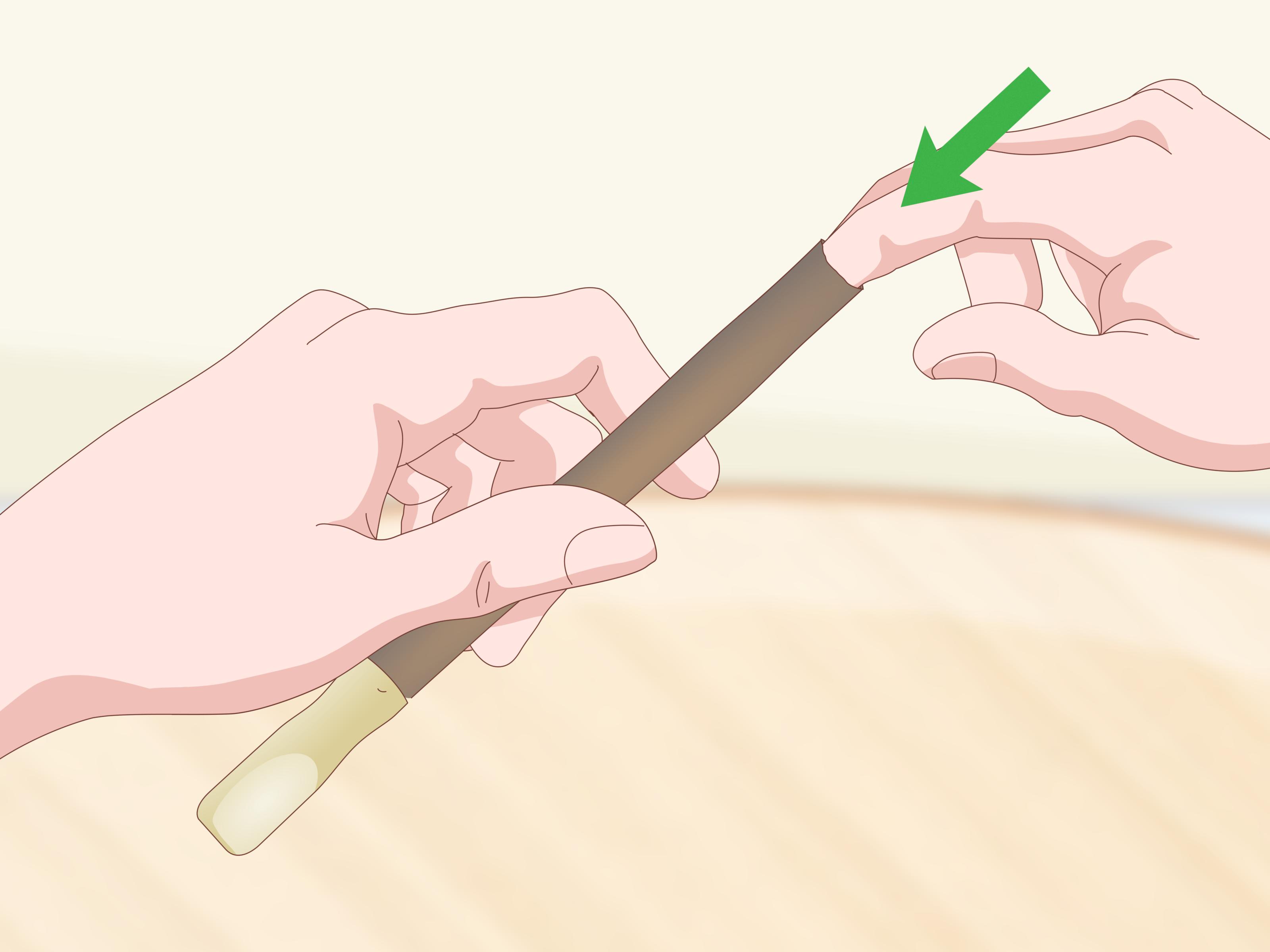
Note: This article is written for informational and editorial purposes only. It discusses the phrase “freak a Black & Mild cigar” as a cultural and search topic, but it does not provide instructions for altering, preparing, or using tobacco products.
Introduction: When a Search Term Needs a Reality Check
“3 ways to freak a Black & Mild cigar” sounds like the title of a back-porch tutorial whispered between two lawn chairs and a cooler full of questionable sodas. It is catchy, oddly specific, and very much the kind of phrase people type when curiosity gets the best of them. But behind the slang is a serious topic: tobacco use, nicotine exposure, cigar marketing, flavor perception, and the way online culture can turn risky habits into casual “tips.”
Black & Mild cigars are a well-known machine-made cigar brand often grouped with cigarillos and little cigars in public-health discussions. They are commonly discussed in relation to flavor, aroma, price, convenience-store visibility, and social rituals. The phrase “freaking” a cigar usually refers to altering the product before smoking it. This article will not explain how to do that. Instead, it breaks down three major reasons the trend exists, what people think they are changing, and why the health and legal context matters.
If you came here expecting a hands-on guide, consider this the responsible detour sign. No traffic cones were harmed. We will cover the search intent, the myths, the culture, the risks, and the smarter way to write about this topic online without turning a health concern into a how-to manual.
What Does “Freak a Black & Mild” Mean?
In casual slang, “freaking” a Black & Mild generally means modifying the cigar in some way before use. Online conversations may frame it as a way to change the draw, taste, texture, aroma, or smoking experience. The word itself is informal, and its meaning can vary depending on region, social circle, and the person using it.
The important point is this: once a tobacco product is altered, nobody should assume it becomes safer. “Different” does not mean “healthy.” “Smoother” does not mean “clean.” And “my friend said it hits better” is not exactly a peer-reviewed medical journal, no matter how confident the friend sounds while leaning on a car hood.
Cigar smoke contains nicotine and toxic compounds. Nicotine is addictive, and smoke from burning tobacco can affect the mouth, throat, lungs, heart, and people nearby through secondhand exposure. Public-health agencies consistently warn that cigars are not a safe alternative to cigarettes.
Way #1: The “Smoother Experience” Myth
Why People Think Altering a Cigar Makes It Better
One common reason people search for this topic is the idea of making the cigar feel smoother. The logic usually goes like this: if the cigar feels harsh, maybe changing something about it will make it less irritating. That sounds simple, but tobacco smoke is not a rough sweater you can fix with fabric softener.
Harshness can come from many things: combustion, smoke temperature, chemicals in the tobacco, flavor additives, paper or wrapper material, how deeply someone inhales, and personal sensitivity. Changing the physical feel of a cigar does not remove the risks associated with nicotine or smoke exposure.
Why “Smooth” Can Be Misleading
In tobacco marketing and user culture, words like smooth, mellow, mild, sweet, rich, and creamy can make a product sound gentler than it really is. That is the linguistic equivalent of putting a bow tie on a warning label. A smoother taste may reduce the sensation of irritation, but it does not mean the smoke is harmless.
This matters for SEO content because many readers are not looking for medical terminology. They are looking for plain-English answers. A good article should meet that search intent while avoiding the trap of repeating risky folk advice as if it were a harmless life hack.
Way #2: The Flavor and Aroma Factor
Why Flavor Gets So Much Attention
Black & Mild products are often discussed in relation to flavor and smell. Flavored cigars and cigarillos have been a major focus of public-health conversations because sweet, fruit-like, wine-like, cream-like, and other flavor profiles can make tobacco products seem more approachable.
That does not mean every adult who talks about flavor is being tricked by marketing. Adults can have preferences. But it does mean flavor can soften the perceived seriousness of tobacco use. A product that smells like dessert still behaves like tobacco when burned. The cupcake costume does not change the character underneath.
Flavor Does Not Cancel Risk
One of the biggest misconceptions about cigars is that flavor makes them less harmful. It does not. Flavor can change perception, but it does not erase nicotine, smoke exposure, carbon monoxide, tar, or other harmful substances produced when tobacco burns.
For writers, this is an important distinction. You can discuss flavor culture, product popularity, and consumer language without implying that flavor equals safety. In fact, the more “fun” a tobacco product sounds, the more careful the writing should be.
Way #3: The Social Ritual Around Customization
Why People Turn Tobacco Into a Ritual
Many tobacco habits are social before they are technical. People copy what they see. A friend does something at a cookout. A cousin says it is “the right way.” Someone on a video platform makes it look casual and funny. Suddenly, a behavior becomes a ritual, and the ritual starts to feel like insider knowledge.
This is one reason the phrase “3 ways to freak a Black & Mild cigar” attracts searches. It suggests a secret menu, like ordering a drink with three extra pumps and a mysterious name. But tobacco is not a coffee customization bar. The stakes are different.
The Culture Is Real, But So Are the Consequences
There is no need to pretend the culture does not exist. Black & Mild cigars and similar products have appeared in music references, neighborhood conversations, convenience-store routines, and social settings for years. For some people, the product is tied to memory, identity, relaxation, or nostalgia.
But culture should not be used as camouflage for risk. A habit can be familiar and still be harmful. A product can be legal for adults and still deserve honest discussion. A ritual can feel personal and still be shaped by marketing, pricing, availability, and peer pressure.
Health Considerations Readers Should Know
Cigars Are Not a Safe Alternative to Cigarettes
A common myth is that cigars are safer because some users claim they do not inhale. That idea is shaky. Smoke still contacts the lips, mouth, tongue, throat, and surrounding air. Cigar users may also inhale more than they realize, especially with smaller cigar products.
Health organizations associate cigar use with increased risks involving the mouth, throat, lungs, heart, and chronic respiratory disease. Secondhand cigar smoke can also expose nearby people to harmful chemicals. In other words, the smoke does not politely stay in its own lane.
Nicotine Addiction Is the Main Hook
Nicotine is one reason tobacco products can become hard to stop using. It can reinforce repeated behavior, trigger cravings, and turn “just this once” into a pattern. That is especially concerning for young people because nicotine can affect developing brains.
For adults who already use tobacco, quitting support, counseling, nicotine replacement options, and healthcare guidance can make a real difference. For people who do not use tobacco, the best health choice is not to start.
Legal and Age Considerations
In the United States, federal law restricts the sale of tobacco products to adults 21 and older. That includes cigars, cigarillos, and other tobacco products. Retailers are expected to follow age-verification requirements, and online sellers typically display age warnings for tobacco-related products.
For publishers, this matters. Content that looks like a tutorial can unintentionally encourage underage readers or inexperienced users. A more responsible article can still rank for the topic while making clear that it is not promoting tobacco use.
How to Write About This Topic Without Giving Risky Instructions
Focus on Search Intent, Not Step-by-Step Guidance
The title “3 Ways to Freak a Black & Mild Cigar” has strong search intent because it is specific. But a responsible article should reinterpret that intent. Instead of listing methods, it can explain three meanings behind the trend: the smoothness myth, flavor perception, and social customization culture.
This approach helps readers understand the topic without turning the article into a practical tobacco-use guide. It also gives search engines more useful context, which can improve content quality and reduce thin, repetitive, or unsafe writing.
Use Clear Headings and Honest Language
Good SEO does not require pretending everything is harmless. In fact, honest writing often performs better because it answers the real question behind the keyword. Readers want clarity. Search engines want helpfulness. Nobody benefits from vague paragraphs that dance around the topic like they stepped on a Lego.
Use direct headings, answer common questions, explain slang, define misconceptions, and include public-health context. Keep the tone readable, but do not minimize the subject.
Common Questions About Black & Mild Cigars
Are Black & Mild cigars the same as cigarettes?
No. They are different products, but both involve tobacco and nicotine. Cigar smoke and cigarette smoke share many harmful characteristics because both come from burning tobacco.
Does changing a cigar make it safer?
No. Altering a cigar does not make tobacco smoke safe. It may change the user’s perception, but it does not remove the health risks connected with nicotine and combustion.
Why do people talk about “freaking” cigars?
The phrase is part slang, part ritual, and part online curiosity. People often use it when discussing changes to taste, feel, or smoking experience. This article explains the concept without providing instructions.
Are flavored cigars less harmful?
No. Flavor can make a tobacco product seem smoother or more appealing, but it does not remove the harmful effects of smoke or nicotine.
Experience-Based Reflections on the Topic
When people talk about “freaking” a Black & Mild cigar, the conversation often sounds less like a health decision and more like a social code. Somebody learned it from somebody else, who learned it from somebody else, who probably claimed their version was the only correct version. That is how rituals travel. They do not arrive wearing lab coats. They arrive through jokes, habits, music, porch conversations, late-night store runs, and the classic phrase, “Nah, you’re supposed to do it like this.”
One experience that stands out in discussions around this topic is how confident people can be about tobacco myths. A person may say a cigar is “not that serious” because it is not a cigarette. Another may claim that a certain change makes it cleaner, lighter, or smoother. The problem is that confidence is not evidence. A person can be extremely confident and still be wrong. Anyone who has watched someone assemble furniture without reading the instructions knows this truth deeply.
Another common observation is the role of smell. Black & Mild cigars have a recognizable aroma, and that aroma can create nostalgia. For some adults, it reminds them of a relative, a neighborhood, a summer night, or a specific moment in life. Smell is powerful. It can turn a product into a memory machine. But nostalgia can blur judgment. Just because something reminds you of a good time does not mean the product itself is good for you.
There is also a convenience-store experience attached to the topic. Little cigars and cigarillos are often displayed in colorful packaging, sometimes near other low-cost impulse items. The environment makes the product feel ordinary. When something is always behind the counter, always visible, and always discussed casually, people may underestimate it. That is why public-health experts pay attention not only to what tobacco products contain, but also to how they are marketed, priced, flavored, and placed.
From a writing perspective, the challenge is balancing reality with responsibility. Ignoring the phrase “freak a Black & Mild” would not help readers, because people are already searching for it. But giving a step-by-step tutorial would be irresponsible, especially when the audience of the open web can include younger readers. The better editorial move is to explain the phrase, unpack the myths, and give readers the context they did not know they needed.
The most useful takeaway is simple: customization does not equal safety. A tobacco product can be altered, flavored, branded, joked about, or wrapped in social ritual, but it remains a tobacco product. The smarter conversation is not “What are three ways to do it?” but “Why do people think they need to, what are they really chasing, and what risks are being overlooked?” That question is less flashy, but it is far more helpful.
Conclusion
The phrase “3 ways to freak a Black & Mild cigar” may sound like a casual how-to topic, but responsible content should go deeper. The trend is tied to smoothness myths, flavor perception, and social rituals around tobacco customization. Those factors help explain why the search exists, but they do not make tobacco use safe.
Cigars and cigarillos contain nicotine, expose users to harmful smoke, and can affect people nearby through secondhand smoke. Flavor, aroma, and social familiarity can make the product seem less serious than it is. A better article does not teach readers how to modify a cigar. It helps them understand the culture, question the myths, and make more informed choices.












