
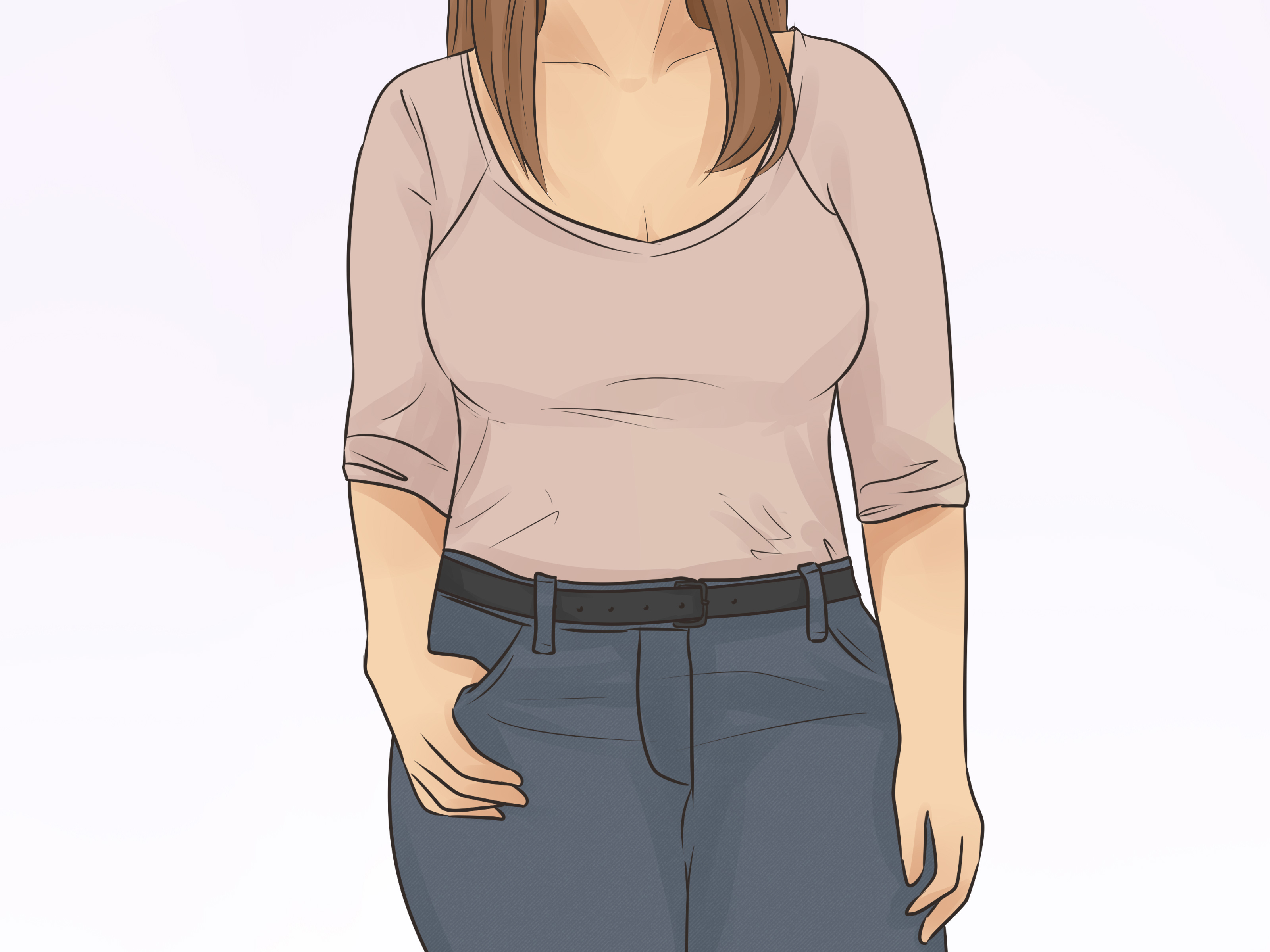
Dressing a fuller bust should not feel like solving a geometry problem while trapped in a fitting room. Yet many women know the routine: a blouse fits the shoulders but strains at the buttons, a dress fits the chest but floats around the waist, and a perfectly innocent crewneck somehow turns into a billboard. The problem is not your body. The problem is that mass-market clothing is often drafted around standardized proportions that do not account for a larger difference between bust and waist measurements.
The good news is that you do not need a closet full of “special” clothes or a list of joyless fashion restrictions. You need three reliable strategies: create a supportive foundation, choose clothing that gives the bust room and visual definition, and balance the rest of the outfit so the overall silhouette feels intentional. These methods can help you dress a big bust comfortably for work, weekends, weddings, travel, and every mysterious event labeled “smart casual.”
Way 1: Start With the Right Foundation
The most flattering top in the world cannot perform its best over a bra that pinches, gaps, rides up, or sends one strap on a solo journey down your arm. A properly fitted bra changes how clothes hang because it positions the bust more comfortably and creates a clearer line between the chest, waist, and torso.
Check the Band Before Blaming the Straps
A common mistake is relying on tightened straps for most of the lift. In a supportive bra, the band should sit level around the body and feel secure without making breathing a competitive sport. If the back rides upward, the band may be too loose. If breast tissue spills over the cup, the cup may be too small, even when the band feels comfortable. The center panel should generally sit against the chest in a wired bra, and the cups should contain the bust without cutting in or wrinkling.
Bra sizing also varies among brands and countries, especially above a D cup. Treat the number and letter as a starting point, not a tattoo. Try nearby sizes and “sister sizes,” which preserve a similar cup volume while changing the band. For example, someone who finds a band too tight may test the next band size up with a cup size down. Annual remeasurement is sensible because bodies, hormones, weight distribution, and elastic all change over time.
Match the Bra to the Garment
One bra does not need to run your entire wardrobe like an exhausted middle manager. A smooth T-shirt bra can reduce visible seams under fitted knits. A plunge bra works beneath a lower V-neck. A balconette may suit a square neckline. A full-coverage bra can feel secure under button-downs, while a supportive wireless style may be ideal for relaxed days.
For halter tops, racerback clothing, or wide necklines, choose a bra whose straps follow the garment rather than playing peekaboo. Wider, adjustable straps can distribute pressure more comfortably, while deeper cups and strong side panels can help contain forward and side volume. For swimsuits, look for bra-sized options, molded cups, strategic seaming, adjustable straps, or underwire when those features feel best to you.
Comfort Is the Actual Dress Code
Support is a preference, not a moral obligation. Some people with fuller busts feel better in structured bras; others prefer wireless styles, bralettes, supportive bodysuits, or going braless in garments with smocking or built-in structure. There is no general health requirement to wear a bra. The practical question is whether you can move, sit, breathe, and forget about your underwear for most of the day. If you keep adjusting it every six minutes, it has failed the assignment.
Way 2: Use Necklines, Seaming, and Fabric Strategically
Once the foundation is comfortable, focus on the architecture of the garment. The goal is not to make a big bust disappear. It is to give it enough space and create lines that guide the eye through the entire outfit.
Choose Open Necklines for Visual Length
V-necks, scoop necks, square necks, sweetheart necklines, and soft cowl necks often work well because they reveal some skin between the neck and bust. That open space visually lengthens the upper body and prevents the chest from appearing like one uninterrupted block of fabric. The neckline does not need to be dramatically low. Even a modest V or shallow scoop can create definition.
High necks are not forbidden. A fitted mock neck or turtleneck can look sleek and modern, particularly in a medium-weight ribbed knit. The trouble usually begins when a high-neck top is both clingy and thin, or excessively loose and bulky. In those cases, the fabric may stretch across the bust, shorten the torso, or create more volume than intended. If you love a crewneck, try one with structured shoulders, a slightly relaxed fit, or a long jacket that adds vertical lines.
Let Seams Do Some of the Fitting
Darts, princess seams, wrap fronts, ruching, smocking, and paneled construction give fabric a three-dimensional shape. That matters because a bust is three-dimensionalan insight that has apparently surprised a few shirt manufacturers.
Wrap tops and wrap dresses are especially useful because the crossover front creates a V-neck while the tie defines the waist. A true wrap can also be adjusted for different proportions. Faux-wrap styles provide a similar visual effect with less risk of the entire outfit renegotiating its contract on a windy sidewalk. Choose versions with enough coverage, and add a small hidden snap or fashion tape if the neckline shifts.
Button-down shirts can work beautifully when they are cut with bust darts, stretch, or extra room through the chest. Buy for the fullest area, then tailor the waist or sleeves if needed. A tailor can refine side seams, reshape a neckline, adjust sleeves, and improve the balance of a blazer or dress. Small alterations often make an ordinary garment look far more expensive.
Pick Fabrics That Cooperate
Look for materials with drape, recovery, or controlled stretch: ponte, substantial jersey, ribbed knits, stretch cotton, crepe, soft woven blends, and fabrics with a small percentage of elastane. They can follow curves without collapsing or becoming transparent under tension.
Very stiff fabric may tent outward from the bust, while flimsy fabric may cling to every seam beneath it. Oversized ruffles, chest pockets, bows, and bulky gathers can add volume exactly where you may not want it, although they are perfectly available when drama is the goal.
Prints can be helpful because they visually soften pulling and minor fit issues. Vertical or diagonal elementsopen jackets, long necklaces, center seams, wrap lines, or narrow scarvescan also lead the eye up and down rather than stopping at the chest.
Way 3: Balance the Whole Silhouette
A common styling trap is concentrating so intensely on the bust that the rest of the outfit receives no supervision. Flattering style is usually about proportion. Once the upper body has shape and definition, use the waist, shoulders, hips, and legs to create a complete silhouette.
Define the Waist Without Squeezing It
Clothing that fits the bust but hangs straight down can make the entire torso look as wide as the chest. A visible waist restores proportion. Try wrap dresses, belted shirt dresses, fitted cardigans, peplum jackets, high-rise pants, tucked or half-tucked tops, and dresses with waist seams.
The best waist placement depends on your torso. A tie directly beneath the bust may read as empire-waisted and can work well, but if it sits too high it may look accidental. A belt at the natural waist often creates a balanced hourglass effect. Avoid forcing a belt so tightly that lunch becomes a structural threat. The aim is definition, not vacuum sealing.
Create Balance Below the Waist
Straight-leg, bootcut, flare, wide-leg, and gently tapered pants can all complement a fuller upper body. A-line, pleated, bias-cut, and softly flared skirts add movement and visual weight below the waist.
This does not mean slim pants or pencil skirts are off-limits. It simply means that when the bottom half is very narrow, the contrast may make the bust appear more dominant. You can balance that contrast with a blazer, stronger shoulder line, textured shoe, or a slightly longer hem.
For an easy casual formula, pair a fitted V-neck tee with high-rise straight jeans and an open overshirt. For work, try a scoop-neck shell beneath a single-breasted blazer with full-length trousers. For an event, choose a wrap or fit-and-flare dress with a supportive neckline and a defined waist. These formulas work because every piece has a job, and none of the pieces is attempting an unauthorized takeover.
Use Layers to Create Vertical Lines
Open blazers, cardigans, trenches, vests, and unbuttoned shirts create two long vertical lines along the torso. This can visually organize the bust and make an outfit feel polished. Look for jackets that lie smoothly when open and have enough room through the upper back and arms.
Single-breasted styles are often easier to fit than double-breasted designs, although a well-cut double-breasted blazer can be excellent when the buttons sit comfortably and the fabric does not pull.
Length matters, too. A cropped jacket that ends at the fullest part of the bust can emphasize that area, while one ending near the waist or upper hip may create a cleaner proportion. Shoulder structure can help balance the chest, but enormous pads are optional unless your destination is an executive boardroom in 1987.
Common Mistakes When Dressing a Fuller Bust
Buying Everything Oversized
Extra-large garments may provide chest room, but they can also hide the waist, drop the shoulder seams, and create bulk. Choose relaxed pieces with deliberate shaping, or buy for the bust and alter the rest.
Automatically Avoiding Fitted Clothes
Fitted does not have to mean tight. A garment that follows the body with adequate ease often looks smoother than a shapeless one. Check for horizontal drag lines, stretched buttons, distorted prints, or a hem that rises sharply in front. Those signs suggest the bust needs more room.
Following Universal “Flattering” Rules
Your height, torso length, shoulder width, breast shape, personal style, and comfort preferences matter as much as cup size. One woman may love square necklines; another may find that the corners reveal her bra. One may prefer minimizing styles; another may want lift and dramatic cleavage. Use fashion guidance as a fitting-room shortcut, not a courtroom verdict.
A Practical Big-Bust Shopping Checklist
- Wear the bra or undergarment you plan to use with the item.
- Check the garment while standing, sitting, reaching, and walking.
- Look at the side view to see whether the hem tilts upward in front.
- Test buttons by moving your arms rather than standing perfectly still.
- Confirm that armholes cover the bra and do not cut into breast tissue.
- Check the fabric composition for stretch and recovery.
- Choose the size that fits the bust, then assess whether tailoring is worthwhile.
- Take photos from several angles; fitting-room mirrors are known agents of chaos.
Real-World Experiences: What Actually Helps
Advice about dressing a big bust becomes useful only when it survives a real morning, a real commute, and a real chair. One of the most common experiences is discovering that the “right size” on a label does not guarantee the right proportions. A fitted dress may zip easily until it reaches the rib cage, while the next size fits the chest and leaves enough fabric at the waist to conceal a small picnic.
The practical solution is often to stop expecting one number to solve everything. Shopping for the fullest measurement and tailoring the waist produces better results than repeatedly buying smaller clothes and hoping the buttons develop courage.
Another lesson is that trying on a top without the intended bra can produce false information. A blouse that seems too low with a plunge bra may be perfectly office-friendly with a full-coverage style. A square-neck dress that looks awkward over a heavily padded bra may sit smoothly over an unlined balconette. Many frustrating clothes are not inherently wrong; the foundation and neckline are simply speaking different dialects.
Wrap dresses deserve both their excellent reputation and a small warning label. They can define the waist, accommodate the bust, and create a long neckline, but not every wrap provides enough overlap. During a calm mirror check, the dress may look flawless. Then you sit, reach for a bag, or meet a breeze, and the neckline begins improvising.
A discreet snap, a camisole, or a strip of fashion tape can turn a risky wrap into a dependable favorite. Faux wraps are often easier for work because they preserve the diagonal line without requiring constant diplomatic negotiations.
Layering also works better in practice when the inner layer is relatively smooth. A bulky blouse beneath a fitted blazer can create pulling at the lapels and tightness across the upper arms. A simple scoop-neck shell or fine knit usually allows the jacket to hang cleanly.
Many busty shoppers find that a blazer does not need to button to look polished; it does, however, need to appear as though it could close without filing a formal complaint. If the front edges angle sharply away from the body, try a different cut or size.
Finally, the most valuable experience is learning to separate discomfort from unfamiliarity. A new silhouetteperhaps wide-leg trousers with a tucked knit, or a square-neck dress after years of oversized crewnecksmay feel visually strange for a few minutes simply because it is new. Give the eye time to adjust.
Physical discomfort is different. If a wire digs, a neckline requires constant checking, or a shirt prevents normal movement, confidence will not magically arrive after dessert. The best outfit is one you can forget while living your life. Style should support the person wearing it, not demand to be monitored like a mischievous toddler near a permanent marker.
Conclusion
The three most reliable ways to dress for a big bust are simple: begin with a comfortable, correctly fitted foundation; choose necklines, seams, and fabrics that give the bust space and shape; and balance the entire silhouette with waist definition, thoughtful bottoms, and vertical layers. None of these strategies requires hiding your body. They are tools for making clothes fit your proportions and serve your personal style.
Experiment with V-necks, square necks, wrap fronts, tailored button-downs, high-rise trousers, A-line skirts, and open jackets. Keep what makes you feel comfortable and recognizable to yourself. Ignore any “rule” that turns getting dressed into punishment. Your bust is not a fashion emergency, and your wardrobe does not need to behave as though it is.
Note: Clothing preferences and bra choices are personal. Prioritize comfort, mobility, and the look you enjoy. Consider a professional bra fitting or tailor when off-the-rack sizing repeatedly fails to match your proportions.











