
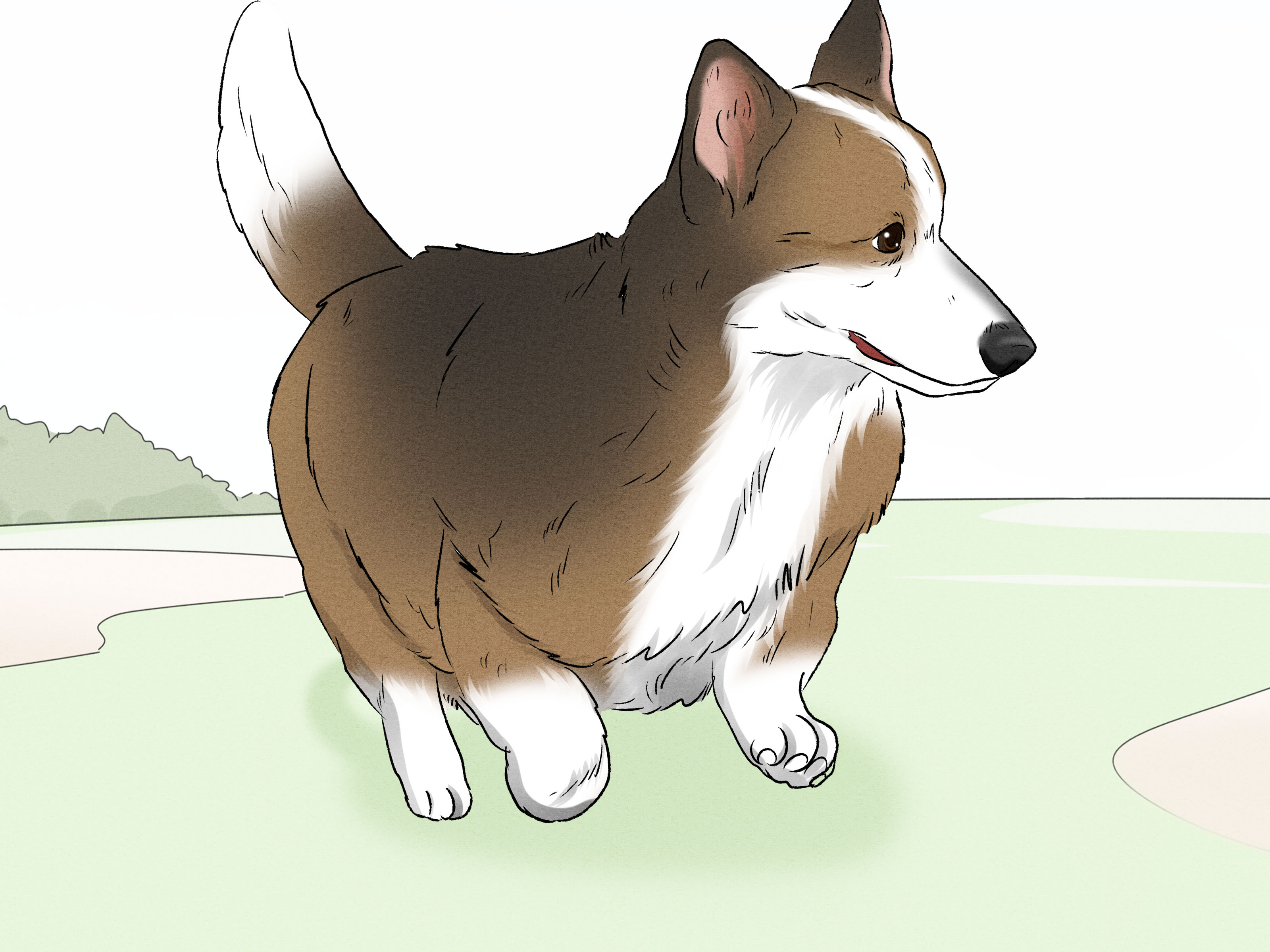
At first glance, a Pembroke Welsh Corgi and a Cardigan Welsh Corgi look like two adorable loaves of bread with ears, legs, and a suspicious amount of confidence. Both are low-set, sturdy, bright-eyed herding dogs from Wales. Both have the famous “big dog in a small package” attitude. And both can make a simple walk around the block feel like a royal parade with extra sniffing.
But despite their similar names and short-legged charm, the Pembroke and Cardigan are not simply two versions of the same dog. They are two distinct breeds with different histories, body shapes, coat possibilities, and personality tendencies. Once you know what to look for, telling them apart becomes much easier. In fact, you can usually make a smart guess in seconds by checking three main clues: the tail, the body and ears, and the coat plus temperament.
This guide breaks down the differences in a clear, practical way, so whether you are choosing a family dog, identifying a corgi at the park, or just trying to sound impressively knowledgeable during a dog conversation, you will know exactly how to distinguish between a Pembroke and Cardigan Welsh Corgi.
Quick Answer: Pembroke vs. Cardigan Welsh Corgi
The easiest way to tell them apart is to look at the rear end first. A Cardigan Welsh Corgi usually has a long, foxlike tail, while a Pembroke Welsh Corgi is commonly seen with a very short tail or natural bobtail. Cardigans are also generally larger, heavier-boned, and longer in body. Pembrokes tend to look a little more compact and foxier. Cardigans often have larger, rounder ears, while Pembrokes usually have smaller, more pointed ears. Coat color is another clue: Cardigans can appear in a wider range of colors, including brindle and blue merle, while Pembrokes are usually red, sable, fawn, or black and tan with white markings.
1. Check the Tail First
If corgi identification had a “start here” button, it would be the tail. The tail is the quickest and most famous difference between a Pembroke Welsh Corgi and a Cardigan Welsh Corgi.
Cardigan Welsh Corgis Have Long Tails
A Cardigan Welsh Corgi has a long, low-set tail that looks somewhat foxlike. When the dog is relaxed, the tail may hang naturally behind the body. When the dog is excited, alert, or in motion, the tail becomes part of the whole expressive package. It helps complete the Cardigan’s longer, more rounded silhouette.
This tail is one reason Cardigans often look a bit more old-fashioned or rugged. Their body shape, long back, and substantial tail give them the appearance of a sturdy little farm dog built for serious work, not just sofa supervision.
Pembroke Welsh Corgis Usually Have Short Tails
Pembroke Welsh Corgis are widely recognized for their short tails. Some Pembrokes are born with naturally short bobtails, while others have historically been shown with docked tails in countries where docking is legal. In everyday life, many people picture the Pembroke as the corgi with the rounded “bunny butt” look.
However, here is where things get slightly tricky: not every Pembroke has an extremely short tail. Tail practices and breed presentation can vary by country, breeder, and local law. Some Pembrokes have longer natural tails, especially in places where docking is restricted or banned. That means the tail is an excellent clue, but it should not be your only clue.
The Tail Test in Real Life
Imagine you are at a dog park and you see a low, sturdy corgi trotting toward you like it owns the grass, the bench, and possibly your lunch. If the dog has a long, sweeping tail, your first guess should be Cardigan. If the dog has a very short tail or no obvious tail, Pembroke becomes the more likely answer.
Still, smart corgi spotting means checking the whole dog. A tailed Pembroke can fool beginners, and a quick glance is not always enough. The tail gives you the first hint; the body shape and ears help confirm the answer.
2. Compare Body Shape, Size, and Ears
Once you move past the tail, look at the overall build. Both breeds are short-legged herding dogs, but their frames are not identical. Think of the Pembroke as a slightly neater, more compact package and the Cardigan as a longer, heavier, more substantial one.
Cardigans Are Usually Larger and Heavier-Boned
The Cardigan Welsh Corgi is generally the larger of the two. Cardigans often have more bone, a deeper chest, and a longer body. Their overall look is solid and slightly more rounded. They were developed as tough farm dogs, and their build reflects that working background.
A Cardigan may look like it was designed by someone who said, “Make it short, strong, and ready for a muddy field.” Their front feet can turn out slightly, and their body often appears more substantial from shoulder to hip. This does not mean they are clumsy. A healthy Cardigan should be athletic, balanced, and capable of moving with purpose.
Pembrokes Look More Compact and Foxlike
The Pembroke Welsh Corgi is typically a bit smaller and lighter in build. Pembrokes often have a cleaner, more rectangular outline and a foxier expression. Their heads, ears, and alert faces give them that famous bright-eyed look that seems to say, “I have already made three decisions, and one of them involves snacks.”
Pembrokes are strong and athletic despite their size. They were bred to herd cattle, which means they needed speed, courage, and quick thinking. Their compact build helped them move low to the ground and avoid kicks while working livestock.
Look Closely at the Ears
The ears are another useful clue. Cardigan Welsh Corgis usually have larger ears that are more rounded at the tips. The ears may appear broader and more prominent on the head. Pembroke Welsh Corgis also have upright ears, but they are usually smaller and more pointed, adding to that foxlike expression.
If you compare the two side by side, the difference becomes much easier to see. The Cardigan’s ears can look like grand satellite dishes receiving important farm updates. The Pembroke’s ears are still large compared with many breeds, but they usually look sharper and more triangular.
Body and Ear Checklist
When identifying a corgi, ask yourself a few quick questions. Does the dog look longer, heavier, and more rounded? Are the ears large and rounded? That points toward a Cardigan. Does the dog look slightly smaller, more compact, and foxier, with more pointed ears? That points toward a Pembroke.
This method is especially helpful when the tail is not obvious. For example, a Pembroke with a longer tail may confuse you at first, but the lighter build and pointed ears may still reveal the breed. Likewise, a Cardigan’s larger frame and rounded ears often stand out even before you notice the tail.
3. Study Coat Colors, Markings, and Personality
Coat color is not always the first thing to check, but it can be a powerful clue. Both breeds have double coats and both shed. Yes, corgis shed. They shed with enthusiasm, dedication, and the confidence of dogs who believe every black sweater needs a little Welsh decoration.
Pembroke Welsh Corgi Coat Colors
Pembroke Welsh Corgis are most commonly seen in red, sable, fawn, and black and tan, often with white markings. The classic red-and-white Pembroke is the image many people picture when they hear the word “corgi.” These dogs may have white on the legs, chest, neck, muzzle, underparts, or a blaze on the face.
Pembrokes do not come in blue merle or brindle under standard breed descriptions. So if you see a corgi with a blue merle coat or strong brindle patterning, it is much more likely to be a Cardigan than a Pembroke.
Cardigan Welsh Corgi Coat Colors
Cardigan Welsh Corgis come in a broader range of colors. Their accepted colors include red, sable, brindle, black with or without tan or brindle points, and blue merle with or without tan or brindle points. White markings are common on the neck, chest, legs, muzzle, underparts, tail tip, or as a blaze on the head.
This wider color range makes the Cardigan visually more varied. A blue merle corgi with a long tail and rounded ears? That is almost certainly a Cardigan. A brindle corgi with a sturdy body and big ears? Again, the Cardigan alarm bell should ring.
Temperament Differences: Similar, But Not Identical
Both Pembrokes and Cardigans are intelligent, affectionate, and trainable. Both are herding breeds, which means they often like structure, mental challenges, and jobs to do. A bored corgi may invent its own job, such as reorganizing your socks, supervising the cat, or barking at a leaf with suspicious intentions.
Pembrokes are often described as outgoing, lively, and highly social. They tend to enjoy attention and can be eager participants in family activity. They are popular for a reason: many Pembrokes combine charm, boldness, and comic timing in one short-legged package.
Cardigans are also affectionate and loyal, but they are often described as a little more reserved with strangers. They may take a moment to evaluate new people before deciding they are worthy of friendship. Once bonded, they are devoted companions with a steady, thoughtful nature.
Training and Exercise Needs
Do not let the short legs fool you. Both breeds need regular exercise, training, and mental stimulation. These are not decorative footstools with ears. They are smart herding dogs that like to move, learn, and participate in daily life.
A Pembroke may thrive with brisk walks, training games, trick work, agility, or herding-style activities. A Cardigan also benefits from daily exercise and training, though some Cardigans may have a slightly calmer or more measured style. Individual personality matters, of course. Some Cardigans are social butterflies, and some Pembrokes prefer a smaller circle of trusted humans.
Both breeds can be vocal. Both can develop bossy habits if not guided well. And both may try to herd children, adults, or other pets by circling or nipping at heels. Early socialization, positive reinforcement, and consistent boundaries are important for raising a polite corgi citizen.
Pembroke vs. Cardigan Welsh Corgi: Side-by-Side Comparison
| Feature | Pembroke Welsh Corgi | Cardigan Welsh Corgi |
|---|---|---|
| Tail | Usually short, bobbed, or docked where legal | Long, foxlike tail |
| Body | More compact and slightly lighter | Longer, heavier-boned, more substantial |
| Ears | Upright, usually smaller and more pointed | Upright, larger, and more rounded |
| Common Colors | Red, sable, fawn, black and tan with white markings | Red, sable, brindle, black, blue merle, with white markings |
| General Personality | Often outgoing, lively, and social | Often loyal, steady, and slightly more reserved |
| Best Clue | Foxlike look and short tail | Long tail, big rounded ears, heavier frame |
Common Mistakes When Identifying Corgis
Mistake 1: Assuming Every Short-Tailed Corgi Is a Pembroke
A short tail strongly suggests Pembroke, but it is not the only detail that matters. Tail appearance can vary, and mixed-breed dogs can complicate the picture. Always check body shape, ears, and coat color before making your final guess.
Mistake 2: Thinking Blue Merle Pembrokes Are Standard
Blue merle is associated with Cardigan Welsh Corgis, not standard Pembroke Welsh Corgis. If someone advertises a “blue merle Pembroke,” buyers should be cautious and ask careful questions about pedigree, health testing, and breed background.
Mistake 3: Judging by Personality Alone
Temperament can help, but it should not be your main identification tool. A shy Pembroke and an outgoing Cardigan are both possible. Personality is shaped by genetics, socialization, training, environment, and individual character. Use temperament as a supporting clue, not the whole case.
Which Corgi Breed Is Better for Families?
Neither breed is automatically “better.” The right choice depends on your lifestyle, expectations, and ability to meet the dog’s needs. Pembrokes may appeal to families who want a lively, social, popular breed with a bold personality. Cardigans may appeal to people who like a slightly larger, steadier corgi with a wider range of coat colors and a long tail.
Both breeds can do well with families when properly trained and socialized. They are intelligent, loyal, and often very attached to their people. However, because they are herding dogs, they need guidance around small children and other pets. Teaching polite behavior early helps prevent nipping, barking, and “I am the tiny manager of this household” behavior.
Health and Care Considerations for Both Breeds
Pembroke and Cardigan Welsh Corgis share some care needs. Their long backs and short legs mean owners should be thoughtful about weight control, jumping, stairs, and rough play. Keeping a corgi lean is one of the kindest things you can do for their joints and spine.
Both breeds need regular brushing, especially during shedding seasons. Their double coats help protect them, but they also release hair generously. A good brushing routine can reduce loose fur and keep the coat healthy. Nail trims, dental care, ear checks, and routine veterinary visits are also important.
Exercise should be consistent but sensible. Corgis enjoy walks, play, training sessions, and puzzle games. They do not need marathon running, but they do need daily activity. A tired corgi is usually a better-behaved corgi. A bored corgi may become a furry little project manager with opinions about everything.
Experience-Based Tips: What It Feels Like to Tell Them Apart in Real Life
After you have looked at enough corgis, distinguishing between a Pembroke and a Cardigan becomes less like studying a chart and more like recognizing two different personalities walking into the room. The first few times, you may stare too long at the dog’s backside, which is socially awkward but educational. Eventually, your eye starts catching the full picture.
One of the most practical experiences is seeing both breeds at a dog event or training class. A Pembroke often catches attention with its compact body, bright foxlike face, and quick, confident movement. Many Pembrokes seem ready to greet the world as if they are running for mayor. They may bounce from person to person, collect compliments, and look personally offended if applause is not provided.
A Cardigan, on the other hand, often gives a different first impression. The long tail changes the whole outline of the dog. The bigger rounded ears and heavier frame can make the Cardigan look more grounded and old-soul. Some Cardigans are friendly right away, but many appear to take a thoughtful second before deciding whether you are interesting, harmless, or possibly carrying treats.
At the park, coat color is often the clue that makes people pause. A red-and-white corgi with a short tail is easy to label as a Pembroke. But a brindle corgi trotting by with a long tail? That is a wonderful moment for your inner breed detective. A blue merle corgi with rounded ears is another strong Cardigan signal. Once you learn that Pembrokes do not come in standard blue merle, coat color becomes one of your fastest tools.
Another real-world tip is to watch how the dog fills space. Pembrokes can look a little sharper in outline, with a tidy rectangular body and alert expression. Cardigans often look longer and more substantial, as if they have extra history packed into their frame. The difference is subtle at first, but side-by-side it becomes surprisingly clear.
Owners can also teach you a lot. Pembroke owners often talk about energy, humor, boldness, and the classic corgi sass. Cardigan owners often mention loyalty, intelligence, and a slightly more reserved nature. Of course, every dog is an individual. You may meet a Cardigan who acts like the host of the party or a Pembroke who prefers to observe from a dignified distance. Dogs enjoy ruining our neat little categories, which is part of their charm.
If you are considering bringing one home, spend time with both breeds before deciding. Meet reputable breeders, talk with rescue groups, attend dog shows, or ask owners about daily life. Photos are useful, but real-life movement and behavior tell you much more. You may find that the Pembroke’s lively sparkle fits your household perfectly. Or you may fall for the Cardigan’s sturdy build, expressive tail, and thoughtful confidence.
The best experience-based advice is simple: do not choose only by looks. Yes, tails, ears, and coat colors are fun to compare, but daily life matters more. Ask yourself how much training, grooming, exercise, and barking you can realistically handle. A corgi is cute, but it is also smart, active, and very capable of training you if you forget to train it first.
Conclusion
Learning how to distinguish between a Pembroke and Cardigan Welsh Corgi comes down to three main clues: tail, body structure, and coat-plus-personality details. The Cardigan usually has a long foxlike tail, larger rounded ears, a heavier frame, and a wider range of coat colors, including brindle and blue merle. The Pembroke is usually smaller, more compact, foxier in expression, and commonly seen with a short tail.
Both breeds are intelligent, affectionate, and full of character. They are not lazy lap decorations, even if they look perfectly designed to fit across your feet. These are herding dogs with quick brains, strong opinions, and a deep love for their families. Whether you prefer the outgoing Pembroke or the steady Cardigan, the best corgi is the one that matches your lifestyle and receives the training, care, and respect it deserves.
So the next time a corgi trots by, start with the tail, check the ears, scan the body, and notice the coat. Congratulations: you are now officially more prepared than the average person to identify a Welsh corgi. Use this power responsibly, preferably while complimenting the dog.
Editorial note: This publishable article is written in original American English and synthesizes information from official breed standards, breed clubs, and veterinary pet-care references without inserting source links in the body copy.












