
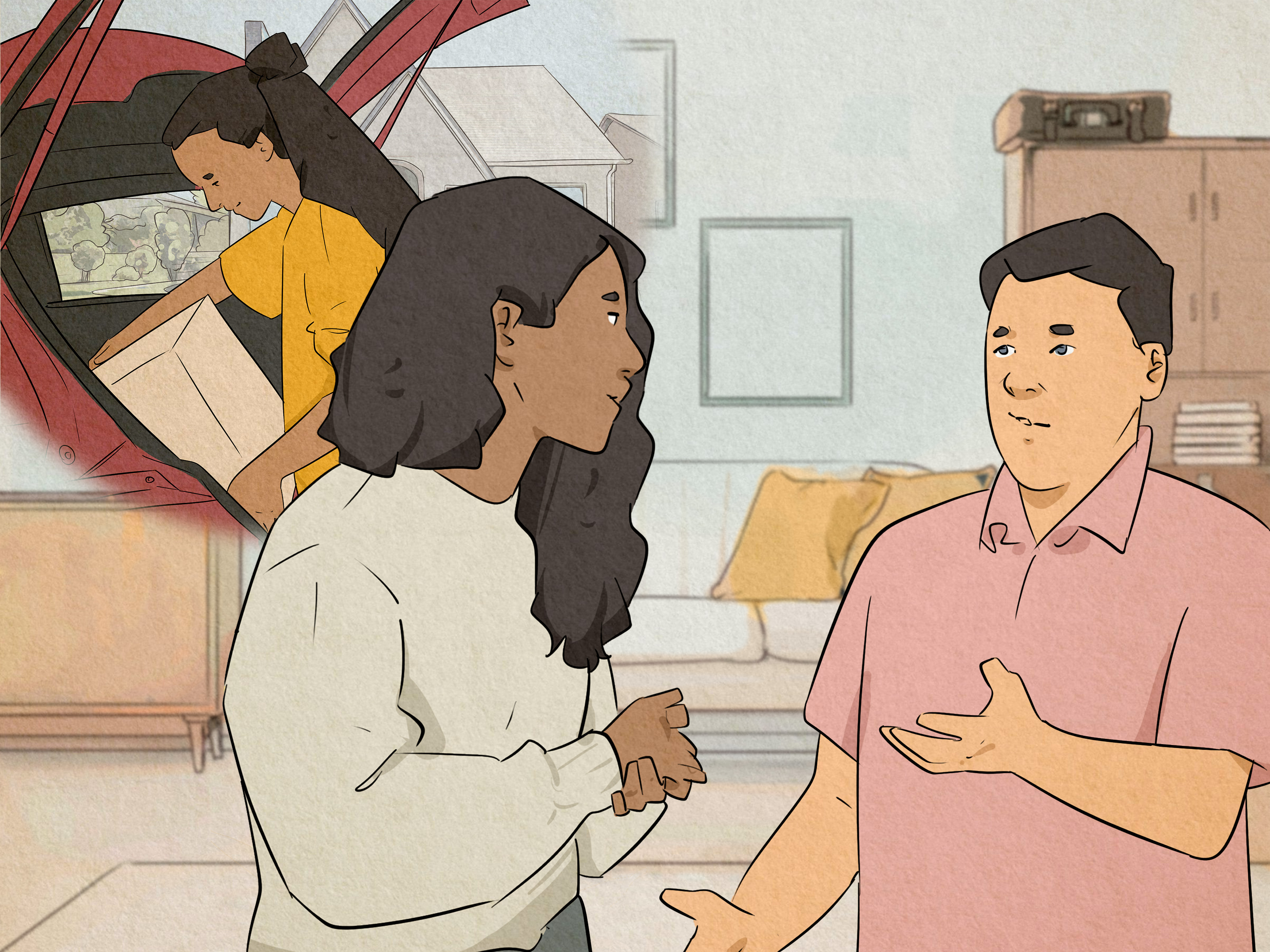
Every neighborhood has characters. There is the person who mows the lawn at sunrise like they are training for a landscaping Olympics. There is the mysterious package collector. And then there is the overly friendly neighbor: the person who waves, chats, drops by, asks questions, borrows tools, remembers your trash day, notices your haircut, and somehow appears every time you step outside for “just two seconds.”
To be clear, friendly neighbors can be wonderful. A warm community can make a home feel safer, happier, and more connected. The problem begins when friendliness stops feeling neighborly and starts feeling like an unpaid social subscription you never signed up for. Maybe your neighbor lingers too long at the mailbox. Maybe they knock without warning. Maybe they ask personal questions that make your eyebrows climb into your hairline. Or maybe they are kind, generous, and well-meaningbut simply too much.
The good news is that you do not need to become rude, disappear behind blackout curtains, or crawl through your own garage to avoid a conversation. Dealing with an overly friendly neighbor is mostly about setting boundaries with kindness, consistency, and a little strategy. Below are three practical ways to protect your privacy, keep the peace, and avoid becoming the villain in the next neighborhood group chat.
Why Overly Friendly Neighbors Can Feel So Complicated
Neighbor relationships are different from friendships, coworkers, or relatives. You cannot simply mute, unfollow, or “accidentally” move desks. Your neighbor lives nearby, which means every interaction carries a little extra weight. A conversation that goes badly can echo across driveways, sidewalks, shared walls, parking spots, and HOA meetings.
That is why many people tolerate discomfort longer than they should. They do not want to hurt feelings. They worry about seeming unfriendly. They imagine the neighbor reacting badly. So they keep chatting, keep answering personal questions, keep accepting unwanted visits, and keep silently resenting someone who may have no idea they are overstepping.
Boundaries are not punishments. They are clear signals about what works for you. A good boundary says, “I value a peaceful relationship, and this is how we can keep it comfortable.” When you think about it that way, boundaries are not anti-neighbor. They are pro-sanity.
Way 1: Set Friendly but Clear Communication Boundaries
The first and most important way to deal with an overly friendly neighbor is to communicate clearly. Not dramatically. Not with a speech that sounds like it belongs in a courtroom drama. Just clearly.
Many overly friendly neighbors are not trying to be intrusive. They may be lonely, socially enthusiastic, retired, new to the area, or simply from a family culture where everyone talks to everyone about everything. What feels invasive to you may feel completely normal to them. That does not mean you must accept it. It does mean your first move should usually be direct but kind communication.
Use Short, Polite Scripts
When a neighbor talks too long, the easiest mistake is waiting for the perfect pause. Unfortunately, some people treat pauses like endangered species. Instead, prepare a few simple exit lines:
- “It was nice catching up. I need to get back inside now.”
- “I only have a minute today, but I hope you have a good afternoon.”
- “I am keeping my evenings quiet, so I am going to head in.”
- “I am not available to chat right now, but take care.”
The key is to avoid overexplaining. The more details you give, the more openings you create. If you say, “I need to cook dinner,” they may ask what you are making. If you say, “I have work,” they may ask where you work. If you say, “I am tired,” they may recommend vitamins. Suddenly, your exit has become a TED Talk in the driveway.
A short statement works better because it is firm without being harsh. You can smile, wave, and leave. You are not asking permission. You are ending the interaction.
Use “I” Statements Instead of Accusations
When you need to address a pattern, use language focused on your needs rather than their personality. Saying, “You are always bothering me” is likely to create defensiveness. Saying, “I need more quiet time after work” is easier to hear.
For example:
“I enjoy saying hello, but I usually need my evenings to decompress. If I am outside after work, I may not be up for a long conversation.”
That sentence does three things. It acknowledges the relationship, states your boundary, and gives your neighbor a clear expectation. It is polite, but it does not wobble.
Do Not Reward the Behavior You Want to Reduce
This sounds cold, but it is actually practical. If your neighbor knocks unexpectedly and you invite them in every time, they learn that surprise visits work. If they ask personal questions and you answer them, they learn that those questions are acceptable. If they text repeatedly and you respond immediately, they learn that you are available on demand.
Instead, gently change the pattern. Do not answer every knock. Delay non-urgent replies. Keep conversations brief. Give vague answers to private questions. Over time, most people adjust when the social cues are consistent.
If your neighbor asks, “Why did you not answer the door yesterday?” you can say, “I was not available.” That is enough. Your home is not a customer service desk.
Way 2: Protect Your Time, Space, and Privacy
The second way to deal with an overly friendly neighbor is to create practical boundaries around your physical and personal space. Communication matters, but your environment can also help you avoid constant interaction. Think of it as designing your home life so peace does not depend entirely on your neighbor becoming a mind reader.
Create Natural Privacy Barriers
If the issue happens outdoors, consider simple privacy upgrades. Curtains, blinds, window film, porch screens, tall planters, hedges, trellises, fences, or outdoor furniture placement can make your space feel less exposed. You do not need to build a medieval fortress. Sometimes a few tall plants can say, “We are friendly, but we are not conducting daily interviews over the patio railing.”
For renters, removable options are especially helpful. Tension rods with curtains, privacy film, freestanding screens, balcony planters, or folding patio dividers can create separation without permanent changes. For homeowners, landscaping and fencing may offer long-term relief, though you should check local rules, HOA guidelines, and property lines before installing anything major.
Control Doorstep Access
One of the most common problems with overly friendly neighbors is the unannounced visit. A drop-by can feel sweet once. When it becomes a habit, it can make your own home feel like a lobby.
Set a simple rule for yourself: you do not have to answer the door just because someone knocked. This is not rude. This is modern life. People may be working, resting, cooking, showering, helping kids with homework, or enjoying five sacred minutes of silence.
If you do answer, keep the boundary clear:
“Now is not a good time for a visit. Please text first next time.”
If they ignore that, repeat it:
“I mentioned before that I need you to text before stopping by. I cannot do unplanned visits.”
Consistency is what turns a preference into a boundary.
Keep Personal Information Personal
Overly friendly neighbors often ask questions that seem casual but feel too intimate: “How much did you pay for the house?” “Why are you home during the day?” “Who was that person visiting?” “Are you and your partner fighting?” “Why did you get that package?”
You do not need to answer personal questions to prove you are nice. Try one of these responses:
- “Oh, nothing exciting.”
- “I keep that private.”
- “I would rather not get into that.”
- “That is a long story for another day.”
- “We are all good, thanks for asking.”
A light tone helps. You are not slamming a door; you are closing a drawer. The goal is to stop feeding the curiosity without creating unnecessary tension.
Use Technology Thoughtfully
A doorbell camera, smart lock, or simple “please do not disturb” sign can help manage unwanted interruptions. However, avoid turning technology into a neighborhood cold war. The purpose is not to spy back, document every wave, or become the Sherlock Holmes of the cul-de-sac. The purpose is to help you feel secure and in control of your space.
If your neighbor communicates too often by text or social media, set digital boundaries too. You can mute notifications, respond only during certain hours, or say, “I am not very active on messages, so I may not reply quickly.” You do not need to be reachable just because someone has your number.
Way 3: Escalate Calmly When Friendliness Becomes Intrusive
Most overly friendly neighbor situations can be solved with polite boundaries and consistency. But sometimes the behavior continues or becomes more intrusive. If your neighbor ignores repeated requests, shows up constantly, pressures you, watches your home, spreads gossip, enters your property without permission, or makes you feel unsafe, it is time to take the situation more seriously.
Start Documenting the Pattern
Documentation does not mean you are preparing for battle. It means you are creating a clear record in case you need help later. Write down dates, times, what happened, what you said, and how the neighbor responded. Save messages. Keep photos only when appropriate and lawful. Focus on facts, not emotional interpretations.
For example, “Neighbor knocked at 9:45 p.m. after being asked not to visit without texting” is more useful than “Neighbor acted weird again.” Facts are your friend. Drama is a terrible secretary.
Use a Written Boundary
If verbal boundaries are not working, put the boundary in writing. A short note, text, or email can make your expectations unmistakable:
“Hi, I want to keep things cordial, but I need more privacy at home. Please do not stop by without an invitation, and please do not ask about my schedule or visitors. I appreciate you respecting this.”
This kind of message is calm, specific, and respectful. It also creates a record that you clearly communicated your boundary.
Consider Mediation or Property Management
If you live in an apartment, condo, or HOA community, you may have options through a property manager, landlord, resident services office, or association board. Many communities prefer informal resolution before formal complaints. Mediation can be useful because a neutral third party helps both sides talk through the issue without turning it into a neighborhood courtroom.
Mediation is especially helpful when the neighbor is not dangerous but genuinely does not understand the problem. It gives everyone structure, keeps the conversation from wandering, and can lead to practical agreements such as no unannounced visits, no contact after certain hours, or communication only through written messages.
Know When to Seek Outside Help
If your neighbor’s behavior feels threatening, involves harassment, trespassing, stalking, property damage, repeated unwanted contact, or refusal to respect clear boundaries, contact appropriate local resources. Depending on the situation, that might mean your landlord, HOA, local mediation center, code enforcement office, non-emergency police line, or an attorney familiar with local laws.
Do not minimize your instincts. A neighbor can be “friendly” in tone and still make you feel unsafe through persistence, pressure, or intrusion. You are allowed to protect your home, your privacy, and your peace.
Common Mistakes to Avoid
Mistake 1: Being So Polite That You Become Unclear
Many people try to soften a boundary until it no longer has bones. “Maybe sometime, if I am not too busy, we could perhaps talk later” sounds gentle, but it also sounds like an invitation. Clear does not mean cruel. Try: “I am not available for visits during the week.”
Mistake 2: Giving Fake Excuses
Fake excuses may work once, but they can create bigger problems. If you say you are leaving when you are not, your neighbor may see you later and feel deceived. It is better to say, “I need some quiet time,” or “I cannot talk right now.” Simple truth is easier to maintain.
Mistake 3: Waiting Until You Explode
Small discomforts become giant resentments when ignored. If you wait six months and then snap because your neighbor asked about your recycling bin one more time, they may be shocked. Address the issue early while you can still sound calm.
Mistake 4: Turning the Neighborhood Against Them
Unless there is a safety issue or shared community concern, avoid gossiping about the neighbor. Gossip may feel satisfying for twelve minutes, but it can make the situation messier. Handle it directly, privately, and maturely whenever possible.
Examples of Boundary-Setting in Real Life
The Mailbox Marathon
You walk to the mailbox and your neighbor appears, ready for a 40-minute conversation about lawn care, weather, their cousin’s dental surgery, and the suspicious van on Tuesday. Instead of standing there until your soul leaves your body, say, “Good to see you. I am just grabbing the mail and heading back in.” Then keep walking.
The Surprise Visitor
Your neighbor knocks on a Saturday morning with muffins and no warning. Muffins are lovely. Unplanned social obligations are not. Say, “Thank you, that is kind. I am not available for a visit today, but I appreciate it.” Accepting the muffins does not mean accepting a two-hour kitchen-table summit.
The Personal Question Expert
Your neighbor asks, “Was that your ex visiting last night?” You smile and say, “I keep my personal life private, but I hope you are having a good day.” Then change the subject or leave. No courtroom testimony required.
The Constant Texter
Your neighbor texts about packages, weather, neighborhood rumors, trash cans, and whether you heard a noise at 11:12 p.m. Reply once with a boundary: “I am trying to keep my phone quiet outside of important matters, so I may not respond to casual texts.” After that, respond less often. Your behavior must match your words.
How to Stay Kind Without Becoming Available 24/7
You can still be a good neighbor while having firm boundaries. Wave. Say hello. Bring in a package during a storm if appropriate. Share emergency contact information if you feel comfortable. Participate in community events when you choose. But remember: being neighborly does not mean becoming someone’s daily entertainment, therapist, security camera, or backup family member.
A healthy neighbor relationship has room for friendliness and privacy. You are not required to be cold, but you are also not required to perform endless warmth. The sweet spot is respectful, predictable, and sustainable.
Experience-Based Reflections: What Actually Works with an Overly Friendly Neighbor
In real life, the best solution is rarely one dramatic conversation. It is usually a series of small, consistent adjustments. People often hope for one perfect sentence that will solve everything forever. Unfortunately, human behavior does not work like a vending machine. You do not insert one boundary and receive instant peace with a bonus bag of chips.
One of the most useful experiences many homeowners and renters discover is that body language matters. If you stop walking, turn fully toward the neighbor, and ask follow-up questions, you are signaling that you are available. If you keep your body angled toward your door, hold your keys, and say, “I have to run,” you are signaling that the conversation is ending. This may sound tiny, but it can save hours over the course of a year.
Another practical lesson is that cheerful repetition works better than emotional explanation. Imagine a neighbor who keeps asking to come over for coffee. The first time, you might say, “That is kind, but I keep my mornings private.” If they ask again next week, repeat: “I still keep my mornings private, but thank you.” The third time, say the same thing. The repetition may feel awkward to you, but it teaches the boundary faster than a long explanation.
People also learn that it helps to define what kind of neighbor relationship they actually want. Do you want quick greetings only? Occasional chats? Emergency-only texting? Friendly contact at community events but no home visits? When you know your own comfort level, you can communicate it more calmly. Without that clarity, every interaction feels like improvisation, and improvisation is how people accidentally agree to feed someone’s parrot for nine days.
One common experience is guilt. You may feel guilty when you stop answering the door. You may feel guilty when you cut a conversation short. You may feel guilty when you see your neighbor looking disappointed. Guilt does not always mean you did something wrong. Sometimes guilt simply means you are doing something unfamiliar. For people who were taught to be endlessly accommodating, even a reasonable boundary can feel rude at first.
It also helps to separate kindness from access. You can care about someone without giving them unlimited access to your time. You can appreciate a neighbor’s friendliness without matching their level of enthusiasm. You can be respectful without being available. This distinction is powerful because it keeps you from swinging between two extremes: over-involvement and icy avoidance.
In apartment buildings, the most effective strategy is often routine. If you know your neighbor likes to chat near the elevator, prepare a standard line before you leave your unit: “Morning! I am on a schedule today.” If they follow you into a long conversation anyway, repeat it and focus on your destination. In neighborhoods with yards and porches, the same idea applies. Headphones, a book, gardening gloves, or a phone call can signal that you are occupied, but direct words are still necessary when signals fail.
Another experience-based tip: do not accidentally create a tradition you do not want. If you invite the neighbor in every Friday because you felt awkward once, they may assume Friday visits are now “your thing.” If you discuss your schedule every morning, they may assume schedule updates are part of the relationship. Be careful with early patterns, especially when someone seems eager for closeness.
Finally, many people discover that boundaries can improve the relationship. Once the neighbor understands the limits, the tension decreases. You stop hiding. They stop guessing. The relationship becomes simpler. Maybe you still wave. Maybe you chat for three minutes once a week. Maybe you exchange holiday cookies and nothing more. That is not failure. That is a successful neighborhood peace treaty, signed in invisible ink over the recycling bins.
Conclusion
Dealing with an overly friendly neighbor does not require rudeness, avoidance, or a dramatic “For Sale” sign planted in the yard at midnight. It requires clear communication, practical privacy habits, and calm escalation when needed. Start with polite scripts. Protect your time and space. Keep personal information private. If the behavior continues or becomes intrusive, document the pattern and involve the right support.
The goal is not to punish friendliness. The goal is to create a neighbor relationship that feels comfortable, respectful, and sustainable. A good neighbor can wave from the driveway, lend a cup of sugar, and still understand that your home is your sanctuarynot a 24-hour community center with your face on the brochure.












