
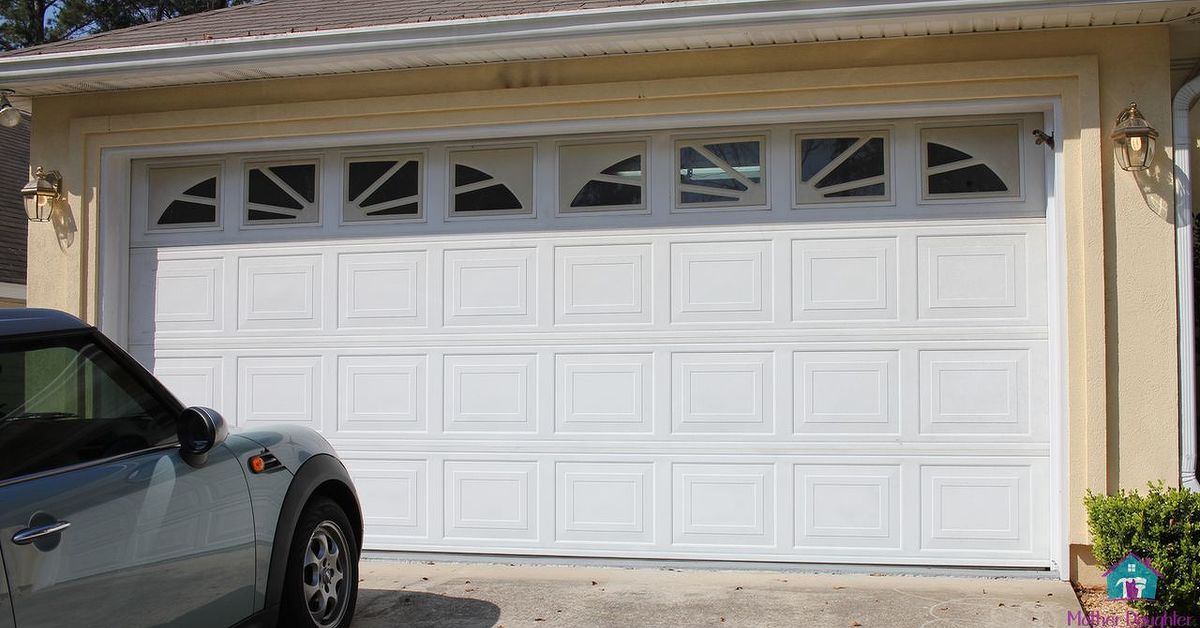
A garage door can occupy a surprisingly large percentage of a home’s street-facing exterior. When it looks faded, dented, or disconnected from the rest of the architecture, the whole house can seem tiredeven if the lawn is trimmed with military precision and the front porch has enough seasonal pillows to open a boutique.
The good news is that improving garage door curb appeal does not always require buying a brand-new door. A thoughtful color update, a few architectural details, and better lighting or landscaping can turn a plain slab into a polished design feature. The goal is not to make the garage shout louder than the front entry. It is to make the door feel intentional, proportional, and connected to the home.
Before starting, inspect the door’s condition. Cosmetic upgrades are worthwhile when the panels, tracks, rollers, opener, and weather seals are functioning properly. If the door is badly warped, rusted through, unsafe, or no longer opens smoothly, address those problems first. Decorative hardware cannot charm its way out of a broken torsion spring.
1. Refresh the Garage Door With Color and Finish
Paint is often the fastest way to transform an existing garage door. A clean, even finish can make an older door appear newer, while a better color can visually connect the garage to the rest of the facade. This is the makeover equivalent of replacing a rumpled T-shirt with a tailored jacket: same basic structure, much sharper presentation.
Choose a Color That Supports the House
Start with the home’s fixed materials. Brick, stone, roofing, and permanent trim usually dictate the palette more than a favorite paint chip does. Pulling a muted tone from the masonry can create a cohesive look. Matching the garage door to the siding can help a large door recede, while matching it to the trim can emphasize its shape.
A bold color is possible, but use it deliberately. If the garage door and front door are both bright focal points, they may compete like two people trying to give a toast at the same time. In most cases, let the front entry remain the main welcome point and use the garage door as a supporting element.
Test the Color Before Committing
Paint samples can look dramatically different in full sun, shade, and reflected driveway light. Apply sample colors to large poster boards or inconspicuous sections, then view them from across the street in the morning and afternoon. A color that seems pleasantly dark on a small swatch may look like a giant black rectangle when expanded across a double door.
Also consider heat exposure and the manufacturer’s instructions. Some door materials and factory finishes have restrictions on very dark colors because they absorb more heat. Check the door label, warranty, and paint recommendations before changing the finish.
Prepare the Surface Properly
The quality of a garage door paint job depends more on preparation than on dramatic brush flourishes. Wash away dirt, chalky residue, cobwebs, grease, and mildew. Rinse thoroughly and allow the surface to dry. Scrape loose paint, sand rough edges, and treat rust according to the primer manufacturer’s directions. Protect weather stripping, glass, handles, and adjacent trim with painter’s tape.
Disconnect or disable the automatic opener while working so the door cannot move unexpectedly. Do not paint tracks, rollers, cables, hinges, springs, seals, or identification labels. Garage door springs are under extreme tension and should be left to trained technicians.
2. Add Architectural Character With Windows, Hardware, and Trim
Once the finish looks fresh, architectural details can give a basic door more depth. Windows break up a large expanse, decorative hardware suggests carriage-house construction, and trim frames the opening. The trick is selecting details that look like they belong on the housenot accessories that wandered over from a completely different zip code.
Use Decorative Hardware to Create Structure
Handles, faux strap hinges, clavos, and corner brackets can make a simple sectional door feel more substantial. Black or dark bronze hardware is especially effective on light-colored doors, while aged brass, copper, or muted metal finishes can complement warm brick and stained wood.
Scale matters. Hardware should be large enough to register from the curb but not so oversized that the door resembles a medieval drawbridge. Place matching pieces symmetrically and align them with panel joints. Magnetic garage door hardware is a useful low-commitment option for steel doors because it can be repositioned without drilling. Confirm that magnets do not interfere with seals, hinges, or normal movement.
Add the Look of Windowsor Install Real Ones Correctly
Windows can visually lighten a heavy garage door and repeat the shape of the home’s existing windows. Arched panes complement many traditional and carriage-house designs. Rectangular panes suit Colonial, farmhouse, and transitional homes. A narrow horizontal row or full-view glass panels creates a cleaner modern appearance.
Privacy is an important consideration, especially when tools, bicycles, or the world’s most chaotic storage shelf live inside. Frosted, seeded, tinted, or textured glass admits daylight while reducing visibility. Window placement should also relate to the house. A top row often works well on traditional doors, while asymmetrical or vertical glazing can suit modern architecture.
Real window installation changes the weight and structure of the door, so it is not a casual cut-and-paste project. A professional can determine whether inserts are available for the existing model and whether the springs need adjustment. Simulated magnetic window overlays offer a reversible visual effect on compatible steel doors, although they should be measured carefully and viewed from multiple angles before installation.
Frame the Door With Clean Trim
Fresh trim can provide nearly as much impact as new door paint. Repair peeling boards, cracked caulk, rot, or damaged weather seals around the opening. Paint the trim to match the home’s primary trim color for unity, or use a controlled contrast that echoes another exterior element.
3. Frame the Garage Door With Lighting, Landscaping, and Maintenance
A beautiful door can still look lonely if the surrounding wall is bare and the driveway edge feels unfinished. Treat the garage as part of the entire front elevation. Lighting, plants, house numbers, and clean surfaces create a visual frame that makes the door look more intentional.
Upgrade Exterior Lighting
Replace undersized or dated fixtures with lights that suit the home’s architecture. Lantern-style sconces work well with traditional and farmhouse exteriors. Simple cylinders, boxes, or linear fixtures complement contemporary homes. The fixtures should be proportional to the garage opening; tiny sconces beside a double door can look like nervous punctuation marks.
Lighting should improve safety as well as style. Keep pathways and driveway transitions visible, avoid glare aimed toward neighbors or drivers, and hire a qualified electrician when new wiring or electrical boxes are required.
Use Landscaping to Soften Hard Edges
Garages contain many hard surfaces: concrete, metal, siding, brick, and asphalt. Plants introduce color, movement, and texture. Place matched planters near the outer corners of the garage or create low planting beds that guide the eye toward the home. Repeating plants used near the front entry helps connect the two areas.
Select plants that fit the available sunlight, mature size, climate, and maintenance schedule. Keep thorny shrubs away from walking paths and avoid species that will block sensors, scrape vehicles, trap moisture against siding, or grow into the door opening. Low grasses, compact evergreens, flowering perennials, and seasonal containers often provide structure without becoming leafy traffic hazards.
Finish With the Unexciting Details That Make Everything Look Better
Wash the door, sweep the driveway, clean the glass, remove rust stains, replace cracked seals, and touch up chipped trim. These tasks are not glamorous, but neither is flossing, and both are obvious when neglected. Cleanliness sharpens contrast and helps new paint, hardware, and lighting look intentional instead of merely added.
Common Garage Door Curb Appeal Mistakes
- Choosing color in isolation: Always compare it with the roof, masonry, siding, trim, and front door.
- Skipping surface preparation: Dirt, rust, and loose paint will shorten the life of a new finish.
- Using undersized accessories: Hardware and lights must be visible and proportional from the street.
- Overdecorating: Windows, hinges, handles, trim, signs, and planters do not all need starring roles.
- Ignoring door operation: Added weight, blocked sensors, painted joints, and unsafe drilling can create real problems.
- Forgetting nighttime appearance: Evaluate fixture placement, glare, shadows, and how the color looks under exterior lighting.
Conclusion
The best garage door curb appeal improvements do not rely on one expensive trick. They combine a coordinated finish, architectural details, and a well-designed setting. Paint can correct a disconnected color scheme. Windows and hardware can establish character. Lighting, landscaping, and maintenance can frame the result and connect the garage to the rest of the home.
Work with the architecture rather than against it, test choices from the street, and protect the door’s operation at every step. A garage door should still open safely, seal properly, and survive the weather. It should simply look much better while doing so.
Practical Experience Notes From Garage Door Makeovers
One of the clearest lessons from real-world garage door updates is that the first idea is not always the best idea. Homeowners often begin by wanting a dramatic color because a small sample looks exciting. Once that color is viewed across sixteen feet of door, however, it can dominate the entire house. The more reliable process is to photograph the exterior, digitally test several tones, and then place large physical samples on the door. Muted colors frequently outperform brighter ones because the garage occupies so much visual space.
Another common experience is discovering that cleaning produces a larger improvement than expected. A light-colored door may appear faded when it is actually coated with road dust, pollen, mildew, and residue from sprinklers. Washing the panels and whitening the surrounding trim can reveal that a full repaint is unnecessary. In those cases, the budget can shift toward new lighting or better planters, producing a more complete makeover for the same amount of money.
Hardware placement also benefits from a temporary trial. Magnetic handles and hinges make this easy on steel doors. When pieces are installed too close to panel edges or too high on the door, the result can look artificial. Taping paper templates in place and viewing them from the sidewalk helps determine the correct scale and spacing. The successful arrangement usually follows the door’s panel geometry rather than an arbitrary measurement copied from a product photo.
Lighting upgrades reveal a similar issue with scale. Many garages have fixtures selected by builders for minimum cost, not maximum visual effect. Replacing them with slightly larger, architecturally appropriate fixtures often changes the wall even before the lights are switched on. Yet bigger is not automatically better. Fixtures must fit the available mounting area, clear the door trim, and direct light without producing glare. Warm, even illumination tends to make brick, wood tones, and landscaping feel more inviting than harsh blue-white bulbs.
Landscaping projects teach patience. A new bed may look sparse on installation day, but filling every gap with shrubs can create an overgrown mess within two seasons. Planning for mature plant width prevents branches from rubbing against the door, blocking photo-eye sensors, or narrowing the driveway. Containers are a useful testing tool because they add immediate color and can be moved until the proportions feel right.
The most practical lesson is to improve the garage in layers. Start with cleaning and repairs. Then settle the color. Add hardware or window details only if the door still needs character. Finish with lighting and plants. This order keeps the design coherent and makes it easier to evaluate each change. It also prevents the classic weekend-project finale: standing in the driveway at sunset, holding three unused decorative hinges, and wondering when the garage became a personality test.
Finally, curb appeal should never override safety. Cosmetic projects sometimes uncover frayed cables, noisy rollers, failing seals, or an opener that strains to lift the door. Those signs deserve professional attention before decorative additions are made. A door that looks excellent but operates poorly is not an upgrade; it is a very large warning sign with windows.











