
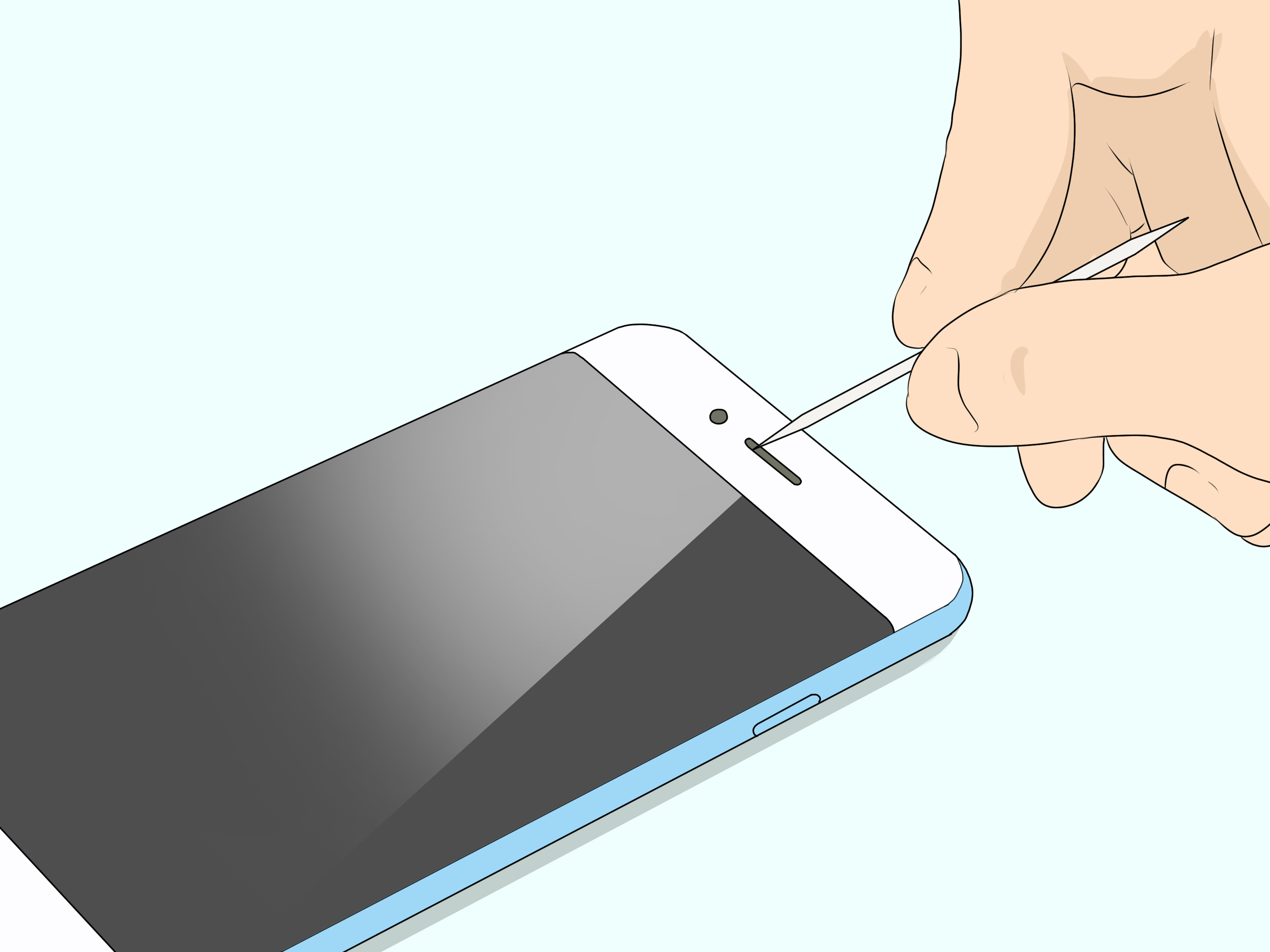
Curved screen phones are the sports cars of the smartphone world. They look sleek, feel fancy, and somehow convince you that checking email is now a luxury experience. Then reality arrives in the form of a coffee table corner, a jeans pocket full of keys, or that mysterious drop that happens in slow motion while your soul leaves your body.
If you own a phone with a curved display, you already know the truth: it is gorgeous, but it can also be annoyingly high-maintenance. The edges are harder to cover, some screen protectors peel like bad sunburn, and a cheap case can leave the most vulnerable part of the phone exposed like it has a personal grudge against you.
The good news is that protecting a curved screen phone does not require a degree in materials science or a cabinet full of accessories. In most cases, three smart moves do the trick: use a case with real edge protection, choose the right screen protector for a curved display, and build a few daily habits that keep damage from happening in the first place.
This guide breaks down those 3 easy ways to protect curved screen phones in plain English, with practical tips, real-world examples, and zero robotic fluff. Let’s keep your phone looking premium instead of looking like it lost a fight with gravity.
Why Curved Screen Phones Need Extra Protection
A curved display is not automatically fragile, but it does create a few extra challenges. First, the glass rolls toward the frame, which means the edges can take awkward hits. Second, the curved shape makes it harder for a screen protector to sit perfectly flat from side to side. Third, many basic cases protect the back and corners well enough but do not rise high enough around the front edge to help when the phone lands face-down.
That is why protecting a curved screen phone is less about buying one magic accessory and more about building a system. The best setup works like a team: the case handles drops and surface contact, the screen protector deals with scratches and minor impacts, and your habits prevent the kind of accidents that accessories cannot fully save.
Think of it like this: your phone does not need a bodyguard, a moat, and a panic room. It just needs smart protection in the places where curved screens usually get into trouble.
1. Use a Raised-Edge Case With Good Grip
The first and easiest way to protect a curved screen phone is also the least glamorous: put it in a case that actually does its job. Not a “fashion-first, physics-never” case. A real one.
What to look for in a curved screen phone case
When shopping for a case for a curved screen phone, focus on these features:
- Raised front lip or bezel: This helps keep the display from touching flat surfaces when the phone lands face-down.
- Reinforced corners: Corners absorb a lot of drop shock, which reduces the chance that force transfers straight into the glass.
- Grippy sides: The best drop protection is not dropping the phone in the first place.
- Precise fit: A loose case shifts during impact. A tight, well-designed case stays put.
- Screen protector compatibility: Some cases press against the protector edges and cause peeling. That is a fast route to regret.
Why the raised lip matters so much
With flat phones, a modest lip may be enough. With curved phones, the raised edge becomes much more important because the screen slopes downward toward the sides. If the case sits too low, the curved glass can still kiss the table, floor, or countertop. And that is a terrible romance.
A good raised-bezel case creates a small buffer zone. It is not magic. If your phone dives face-first onto gravel from chest height, nobody should pretend a case will turn it into a superhero. But in everyday mishaps, that extra height can prevent direct screen contact, scratches, and some of the edge-first damage that curved displays hate.
Best case styles for curved displays
If you want slim protection, choose a thin case with reinforced corners and a noticeable lip around the front. If you are clumsy in an ambitious way, step up to a rugged case with stronger shock absorption and better grip texture. If you use wireless charging, make sure the case supports it without forcing you to strip your phone like it is entering airport security every night.
Clear cases are fine if they are well made, but do not let “clear” fool you into “barely there.” You want edge coverage, not a decorative suggestion of protection.
Real example
A phone like a Galaxy Ultra or older edge-style device often feels slippery because of the glass and curved sides. Put a slick, ultra-thin fashion case on it, and you have essentially turned your expensive phone into a polished bar of soap. Switch to a case with textured grip and raised edges, and suddenly the device feels secure in your hand and far less dramatic on hard surfaces.
2. Choose a Screen Protector Made for Curved Displays
The second easy way to protect a curved screen phone is using the right screen protector. The keyword here is “right,” because curved screens are where cheap protectors go to embarrass themselves.
Why regular screen protectors often fail on curved phones
Many standard protectors are designed for flat glass or only the visible flat area of the display. On a curved phone, that can create the dreaded halo effect, where the edges do not fully adhere and you see a faint air gap around the sides. It looks bad, collects dust, and makes you question every life choice that led to that checkout button.
Some protectors also conflict with cases. The case squeezes the protector edges, the protector lifts slightly, dust sneaks in, and now your screen looks like it is growing tiny gray sideburns.
Tempered glass vs. hybrid film for curved screens
For a curved phone screen protector, you usually have two practical choices:
Tempered glass
Tempered glass feels premium and smooth, and many people love it because it feels closest to the original display. On curved phones, however, glass protectors must be designed very specifically for the device. Some are case-friendly and slightly narrower. Others use adhesive patterns or curved shaping to improve fit. A great one feels fantastic. A bad one peels faster than a cheap sticker.
Flexible film or hybrid polymer
Hybrid film protectors are often better at wrapping curved edges. They may not feel quite as glassy, but they usually fit more reliably on displays that bend at the sides. Many are also designed to work better with in-display fingerprint scanners, which matters if your phone unlocks through the screen.
If your phone has aggressive curves, a quality hybrid protector is often the more practical choice. If your phone has only mild edge curvature, a well-reviewed tempered glass protector may work beautifully.
How to install a curved screen protector without making enemies with air bubbles
Installation is everything. Even the best protector can fail if you rush the job.
- Clean the screen thoroughly. Use a soft, lint-free microfiber cloth and remove dust completely.
- Work in a low-dust area. A clean table beats the middle of a snack-covered desk every time.
- Use the alignment frame if included. This is not optional if you value your sanity.
- Press bubbles toward the nearest edge. Small bubbles can often be guided out with a microfiber cloth.
- Check case fit after installation. Put the case on gently and make sure it does not lift the protector corners.
If your phone offers a screen protector mode or touch sensitivity setting, turn it on after installation. That small adjustment can make the screen feel more responsive, especially along the edges.
Signs you bought the wrong protector
- The edges refuse to stick.
- Your case immediately lifts one side.
- Fingerprint unlock becomes unreliable.
- The protector covers too much and creates pressure points.
- The fit looks generic instead of model-specific.
In those cases, do not keep fighting with it like it insulted your family. Replace it with a protector specifically marketed for your exact phone model and curved display shape.
3. Build Small Daily Habits That Prevent Big Damage
The third easy way to protect a curved screen phone costs little or nothing: stop giving your phone so many chances to get hurt. This sounds obvious, but most screen damage comes from daily habits, not cinematic disasters.
Smart habits that genuinely help
- Do not put your phone in the same pocket as keys or coins. Your screen is not a medieval shield.
- Avoid face-down placement on rough surfaces. Stone, concrete, and gritty tabletops are not your phone’s friends.
- Use two hands when pulling the phone from tight pockets or bags. That awkward half-drop is a classic.
- Keep the screen dry and clean. Smudges, lotion, dust, and moisture can affect touch performance and make protectors harder to maintain.
- Set the phone down intentionally. Tossing it onto desks, counters, or car seats is a surprisingly effective way to shorten its happy life.
Cleaning tips for curved displays
Use a soft, slightly damp, lint-free cloth when needed, and avoid harsh household cleaners, abrasive materials, or overconfident scrubbing. Curved screens often show smears more dramatically because light catches the edges differently, so gentle routine cleaning helps both appearance and touch quality.
Also, if you use a case, clean the case edges from time to time. Dust trapped between the case and the display border can act like tiny sandpaper. Tiny sandpaper is still sandpaper. It just has better marketing.
How grip reduces damage more than people realize
One underrated habit is simply improving how you hold the phone. Pop sockets, phone rings, textured cases, and wrist straps are not glamorous to everyone, but they reduce accidental slips. Curved phones often feel thinner at the edges, which looks elegant but can make them easier to fumble, especially with one hand.
If you are the kind of person who texts while carrying groceries, opening doors, and pretending you are coordinated, adding grip is not overkill. It is realism.
Common Mistakes to Avoid
If you want your protection setup to work, avoid these classic curved-screen mistakes:
- Buying the cheapest protector available: Curved displays punish low-quality fit.
- Choosing a case with no front lip: It may look sleek, but it leaves the screen too exposed.
- Ignoring case-and-protector compatibility: Great accessories can become terrible roommates.
- Skipping cleaning before installation: Dust under the protector never improves with age.
- Using the phone bare because it “feels nicer”: It does, right until it doesn’t.
Best Protection Setups by User Type
For the minimalist
Use a slim raised-edge case plus a case-friendly hybrid protector. This keeps the phone sleek while covering the biggest risk points.
For the frequent dropper
Use a rugged case with reinforced corners, strong grip texture, and a curved-screen hybrid protector. Add a wrist strap if gravity seems unusually committed to your downfall.
For the office-and-commute crowd
Use a medium-protection case, a good protector, and a dedicated pocket or bag sleeve. Most damage in this category comes from rushed handling, rough desk placement, and crowded bags.
For the phone perfectionist
Use a premium protector, clean weekly with a microfiber cloth, and replace accessories the moment the edges begin to peel or the case loosens. Preventive maintenance is cheaper than screen repair and less emotionally exhausting.
Final Thoughts
Protecting a curved display is not complicated once you stop chasing gimmicks and focus on what actually works. The formula is simple: use a raised-edge case, install a protector built for curved screens, and adopt a few daily habits that reduce scratches, slips, and edge impacts.
That is it. No ritual. No secret handshake. No need to wrap your phone in enough armor to survive re-entry from space.
Curved screen phones can stay beautiful for a long time, but they do best when their owners respect one important truth: premium design still obeys gravity. Give your phone a decent case, a proper protector, and a slightly less chaotic lifestyle, and it will reward you by not turning into a glittery web of heartbreak.
Real-World Experiences With Curved Screen Phones
People who use curved screen phones for months usually end up learning the same lesson in two stages. Stage one is optimism. The phone comes out of the box looking futuristic, the curved edges feel smooth in the hand, and the whole thing seems too pretty to hide in a case. Stage two is panic. It starts with a tiny edge scuff, a protector that peels at the corners, or a face-down landing that makes your stomach drop faster than the phone did.
One common experience is that users often underestimate how important grip is. A flat-sided phone can feel more secure, but a curved device can be slippery along the edges, especially if the back is glossy. Many people find that the moment they switch from a decorative case to a textured case, the phone suddenly feels safer to use during everyday tasks like walking, commuting, or scrolling in bed while pretending they are definitely about to sleep.
Another common story involves screen protectors. Plenty of users try a cheap tempered glass protector first because it sounds sturdy and looks simple. Then the edges lift, dust sneaks in, and the protector starts looking tired after a week. After some trial and error, many realize that a flexible or hybrid protector made specifically for curved glass actually stays put better. It may not have the same rigid feel as glass, but reliability wins a lot of arguments in the real world.
People also notice that curved phones punish bad pocket habits. Tossing the phone into a crowded bag or a jeans pocket with coins is basically asking for cosmetic damage. Owners who create a dedicated pocket or pouch often keep their phones looking newer much longer. It sounds almost too simple, but “stop storing your expensive device like loose change” is weirdly powerful advice.
There is also the cleaning factor. Curved edges collect fingerprints in a way that seems almost personal. Users who wipe the screen regularly with a microfiber cloth often say the phone not only looks better but feels better to use. Smudges at the edges can make the device seem older and grimier than it really is, while a quick clean brings back that polished premium look.
Finally, many curved-screen owners say their best protection decision was not the most expensive one. It was the smartest combination: a case with a real lip, a protector that matches the phone’s exact shape, and a few careful habits. That combination tends to outperform random accessory shopping and wishful thinking. In other words, the winning strategy is less about buying everything and more about buying the right things.
If there is one experience that comes up again and again, it is this: curved screen phones are absolutely worth protecting early. Once the first chip or crack happens, repair costs and annoyance rise fast. But when the setup is right from day one, the phone stays beautiful, usable, and far less stressful to own. That is the kind of experience everyone wantsless drama, more screen, and a lot fewer heart attacks every time the phone slides toward the edge of the table.











