
A beautiful yard should not feel like a second job with worse snacks. The dream is simple: step outside, admire color, texture, and curb appeal, then go back to your iced tea before the mosquitoes file a complaint. That is where no-effort plants come in. Of course, “no-effort” does not mean you can throw a shrub at the soil, wink at it, and expect a botanical miracle. It means choosing low-maintenance landscape plants that behave well once established, ask for reasonable water, resist common pests, and do not demand a weekly emotional support session.
The best foolproof landscape plants are tough, forgiving, and matched to the site. Sun lovers need sun. Shade plants need shade. Drought-tolerant plants still need water during their first season. Even the most independent perennial appreciates mulch, decent drainage, and not being planted in a location that resembles either a swamp or a pizza oven. With that tiny bit of planning, your yard can look intentional instead of abandoned.
Below are 25 easy-care plants for a low-effort landscape, from flowering perennials and groundcovers to shrubs, grasses, and shade heroes. Use them as building blocks for a yard that looks polished without turning you into a full-time gardener.
How to Build a Low-Maintenance Landscape That Actually Works
The secret is not buying one “magic plant.” It is layering reliable plants so they cover soil, reduce weeds, and provide interest across the seasons. Start with a few structural shrubs, add long-blooming perennials, tuck in groundcovers where weeds usually party, and use ornamental grasses for movement. Then mulch the open spaces. Mulch is basically the quiet coworker of the garden: it prevents problems, conserves moisture, and never asks for applause.
Before planting, check your USDA hardiness zone, sunlight, soil drainage, mature plant size, and local invasive plant lists. A plant that behaves like a polite guest in one region can become the neighborhood villain in another. When in doubt, choose native or regionally adapted plants from local nurseries and extension recommendations.
25 No-Effort Plants for a Foolproof Landscape
1. Sedum or Stonecrop
Sedum is the plant equivalent of a friend who brings snacks and never causes drama. It thrives in full sun, handles dry soil, and stores water in its succulent leaves. Low-growing types work as groundcovers, while upright varieties add late-season flowers that pollinators love. Plant sedum in well-drained soil and avoid overwatering; soggy roots are one of the few ways to make this tough plant unhappy.
2. Purple Coneflower
Purple coneflower is a classic low-maintenance perennial for sunny borders. Its daisy-like blooms attract bees and butterflies, and the seed heads can feed birds if left standing into fall. Once established, coneflowers tolerate heat and periods of drought. They look great in cottage gardens, pollinator beds, and casual front-yard plantings where perfection is not the goal.
3. Black-Eyed Susan
Black-eyed Susan brings cheerful yellow flowers with dark centers, making even a tired garden bed look like it found motivation. It performs well in full sun and average soil, and many varieties tolerate dry conditions after establishment. Use it in masses for a meadow-like effect, or mix it with grasses and coneflowers for an easy pollinator-friendly landscape.
4. Catmint
Catmint is soft, fragrant, drought-tolerant, and forgiving. It forms mounds of gray-green foliage topped with lavender-blue flowers, usually for weeks at a time. It is excellent along walkways because it spills gently over edges without looking messy. Give it sun, well-drained soil, and a light trim after the first bloom if you want a second show.
5. Russian Sage
Russian sage is made for hot, sunny places where fussy plants go to complain. Its silvery stems and airy purple-blue flowers look elegant but require little pampering. It prefers well-drained soil and becomes drought-tolerant once established. Use it behind shorter perennials or with ornamental grasses for a breezy, modern landscape.
6. Yarrow
Yarrow is a sturdy perennial with flat-topped flower clusters in shades of yellow, white, pink, red, and orange. It tolerates poor soil, heat, and dry conditions, which makes it perfect for gardeners who forget where they put the watering can. Avoid overly rich soil, which can make the stems floppy. In the right spot, yarrow is practically a garden overachiever.
7. Lavender
Lavender adds fragrance, silvery foliage, and purple blooms with very little fuss in sunny, well-drained locations. It is ideal near paths, patios, and entrances where you can brush the leaves and feel instantly more sophisticated. Lavender dislikes wet feet, so raised beds, slopes, and sandy soils are usually better than heavy clay.
8. Daylily
Daylilies are dependable perennials that produce bold, trumpet-shaped flowers and return year after year. Each bloom lasts only a day, but established clumps produce many buds over the season. They tolerate a wide range of soils, perform best in sun, and can be divided when clumps become crowded. Translation: they are easy, but not lazy.
9. Hosta
For shady yards, hostas are the dependable green sofa of the landscape: comfortable, attractive, and surprisingly useful. They thrive in filtered or dappled shade and offer foliage in blue-green, chartreuse, variegated, and deep green tones. Hostas need more moisture than desert-style plants, but once settled in a good shade bed, they are wonderfully low effort.
10. Coral Bells
Coral bells, also called heuchera, are grown mostly for their colorful foliage. Leaves may be burgundy, caramel, lime, silver, purple, or nearly black, depending on the variety. They work beautifully in part shade, containers, and front borders. Their small flower spikes are a bonus, but the foliage carries the show even when nothing is blooming.
11. Creeping Phlox
Creeping phlox is a spring-blooming groundcover that creates carpets of pink, lavender, blue, purple, or white flowers. It is especially useful on sunny slopes, rock gardens, and bed edges. Once established, it helps cover soil and reduce weed space. It likes good drainage and looks best when planted in groups rather than as lonely little dots.
12. Vinca Minor
Vinca minor, or periwinkle, is often praised as a tough evergreen groundcover for shade and part shade. It can help suppress weeds and produces small purple flowers. However, it can spread aggressively and is considered invasive in some regions. Use it only where it is appropriate locally, or choose native alternatives such as wild ginger, Pennsylvania sedge, or foamflower.
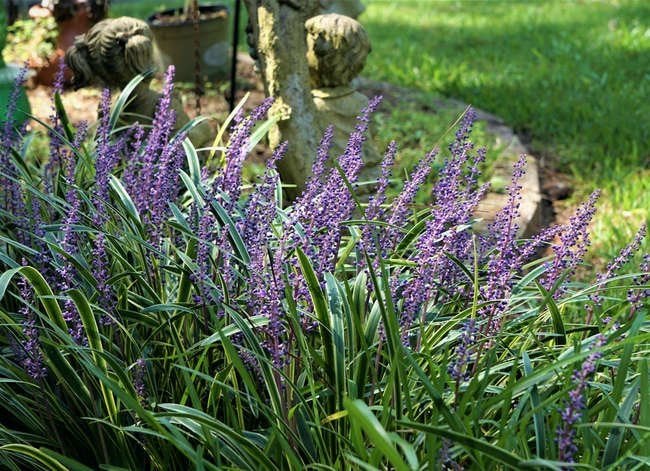
13. Liriope
Liriope, sometimes called lilyturf, looks like ornamental grass but behaves like a rugged groundcover. It handles sun to part shade, forms tidy clumps, and sends up purple or white flower spikes. It is useful along driveways, walkways, and tree borders. In warmer climates, check whether spreading types are recommended in your area before planting.
14. Switchgrass
Switchgrass is a native ornamental grass with upright form, airy seed heads, and strong seasonal interest. It works in sunny beds, rain gardens, and naturalistic landscapes. Its deep roots can help stabilize soil, and it provides movement without much maintenance. Cut it back once a year in late winter or early spring, and that is basically the chore list.
15. Little Bluestem
Little bluestem is another native grass that brings blue-green summer foliage and coppery fall color. It is excellent for dry, sunny sites and pairs beautifully with coneflower, black-eyed Susan, and sedum. It asks for little fertilizer and little water once established. In fact, too much pampering can make it flop, which is a relatable but inconvenient trait.
16. Boxwood
Boxwood is a classic evergreen shrub for structure, borders, and foundation plantings. It can be clipped formally or left more natural, depending on your style and patience level. Choose disease-resistant varieties suited to your climate, provide good air circulation, and avoid wet soil. Used sparingly, boxwood gives a landscape year-round bones.
17. Dwarf Juniper
Dwarf junipers are tough evergreen shrubs that tolerate sun, heat, and dry conditions once established. They come in spreading, mounding, and upright forms, with foliage ranging from deep green to blue-gray. Junipers are excellent for slopes, rock gardens, and areas where irrigation is limited. Give them drainage and space; crowding them is how good intentions become shrub chaos.
18. Forsythia
Forsythia announces spring with bright yellow flowers before many other plants wake up. It grows quickly, tolerates average soil, and works well as an informal hedge or background shrub. The main maintenance task is pruning after bloom, because it flowers on old wood. Skip the constant shearing and let it arch naturally for the best display.
19. Spirea
Spirea is a reliable flowering shrub with clusters of pink, white, or red flowers and attractive foliage. Many compact varieties fit neatly into foundation beds and mixed borders. It tolerates sun, average soil, and occasional dry spells after establishment. A light trim after flowering keeps it tidy, but it does not need a personal stylist.
20. Ninebark
Ninebark is a native shrub valued for peeling bark, arching branches, spring flowers, and colorful foliage varieties. It is tough, adaptable, and useful in informal hedges or wildlife-friendly landscapes. Give it room to grow so you are not constantly fighting its natural shape. Low maintenance often starts with choosing the right mature size.
21. Oakleaf Hydrangea
Oakleaf hydrangea offers big white flower clusters, bold leaves, rich fall color, and peeling bark for winter interest. It prefers part shade in hot climates and well-drained soil with consistent moisture while establishing. Once settled, it is easier than many bigleaf hydrangeas and does not require complicated pruning rituals involving panic and internet searches.
22. Texas Sage
Texas sage, also called Texas ranger, is a heat-loving shrub for dry, sunny landscapes. Its silvery foliage and purple blooms fit beautifully in xeriscapes and Southwestern-style gardens. It needs excellent drainage and very little water once established. In humid or cold regions, choose another shrub; this one is not trying to vacation in Maine.
23. Butterfly Weed
Butterfly weed is a native milkweed with bright orange flowers that support pollinators, including monarch butterflies. It thrives in full sun and well-drained soil, and it is drought-tolerant once established. Its taproot makes it difficult to move, so plant it where you want it to stay. It may emerge late in spring, so do not assume it ghosted you.
24. Marigold
Marigolds are annuals, not permanent landscape anchors, but they deserve a spot because they bloom generously with minimal care. They love sun, tolerate heat, and bring instant color to borders, vegetable gardens, and containers. Deadheading improves the show, but even a casual gardener can get impressive results. They are the cheerful backup singers of the summer yard.
25. Autumn Fern
Autumn fern is a low-effort choice for shade gardens, offering coppery new fronds that mature to green. It brings texture to woodland beds, shady foundations, and areas under trees. Like most ferns, it appreciates organic matter and moisture, but once established in the right place, it is calm, graceful, and unlikely to make demands.
Design Tips for a Foolproof Yard
Plant in Drifts, Not Dots
One sedum looks lonely. Five sedums look designed. Repeating plants in groups creates a professional effect and makes maintenance easier because plants with similar needs are grouped together. Drifts also help cover soil faster, reducing open invitations for weeds.
Use Mulch Like You Mean It
A two- to three-inch layer of organic mulch helps conserve moisture, moderate soil temperature, and slow weed growth. Keep mulch away from plant crowns and tree trunks, because mulch volcanoes are not landscaping; they are tiny monuments to bad advice.
Water Deeply the First Season
Even drought-tolerant plants need regular water while roots establish. Water deeply and less often rather than giving plants a daily sprinkle that barely wets the surface. After the first growing season, many of these plants can handle normal dry spells with far less attention.
Mix Evergreen, Blooming, and Textural Plants
A low-maintenance landscape should look good even when flowers are not blooming. Combine evergreen shrubs such as boxwood or juniper with perennials like coneflower and sedum, then add grasses for motion and winter structure. This way, the yard has something to say in every season.
Common Mistakes That Make “Easy” Plants Hard
The first mistake is planting sun lovers in shade and then wondering why they look personally betrayed. The second is putting drought-tolerant plants in poorly drained soil. The third is buying tiny plants without checking mature size. A shrub that looks adorable in a one-gallon pot can become a leafy monster blocking your windows three years later.
Another common mistake is overfertilizing. Many tough perennials perform best in lean to average soil. Too much fertilizer can cause floppy growth, fewer flowers, or pest problems. Low-maintenance landscaping is not about doing more; it is about doing the right things at the right time.
Real-World Experience: What No-Effort Landscaping Feels Like After the Plant Tags Are Gone
The first year of a low-effort landscape is not glamorous. It is the awkward freshman year of the garden. Plants are small, mulch looks more visible than flowers, and you may question every decision while holding a hose at 7 a.m. That is normal. The first season is about root growth, not instant magazine-cover drama. Water regularly, pull weeds before they gain confidence, and resist the urge to replace everything just because it has not filled in yet.
By the second year, the magic starts. Sedum clumps look fuller. Catmint spills over walkway edges. Coneflowers and black-eyed Susans begin acting like they own the place, in the best possible way. Ornamental grasses add height and motion, especially when afternoon light hits the seed heads. Groundcovers start knitting together, and suddenly there is less bare soil for weeds to colonize. You still do some work, but it feels less like yard punishment and more like light editing.
One of the best experiences with no-effort plants is discovering how much beauty comes from repetition. A single lavender plant is nice. A row of lavender beside a path feels intentional and smells like you have your life together. Three oakleaf hydrangeas under high shade create a soft, woodland mood. A sunny bed with little bluestem, coneflower, yarrow, and sedum can look lively from June through frost with only occasional cleanup.
The second lesson is that low-maintenance does not always mean neat in the formal sense. Some of the easiest plants have a relaxed shape. Russian sage leans. Grasses sway. Black-eyed Susans reseed. Butterfly weed may appear exactly where it wants to, like a tiny orange rebel. Instead of fighting every natural habit, design with it. Put loose plants in informal beds, reserve clipped shrubs for areas near doors and walkways, and allow meadow-style plantings to look a little wild.
The third lesson is that local conditions always win. A plant praised as “foolproof” in one region may sulk in another. Lavender hates soggy clay. Hostas dislike hot afternoon sun. Texas sage wants dry heat, not humid shade. Vinca may be useful in one yard and invasive in another. The smartest gardeners are not the ones who memorize every plant name; they are the ones who notice what their yard is actually offering: sun, shade, drainage, wind, deer pressure, soil type, and available water.
Finally, no-effort landscaping gives back time. Instead of spending every weekend mowing, watering, pruning, and apologizing to dying annuals, you can enjoy the yard as an outdoor room. You may still cut back perennials in late winter, refresh mulch, divide daylilies every few years, or trim shrubs after bloom. But the maintenance becomes seasonal instead of constant. That is the real win: a landscape that looks alive, intentional, and welcoming without needing you to hover over it like a nervous plant helicopter parent.
Conclusion
A foolproof landscape begins with honest plant choices. Choose tough perennials, adaptable shrubs, reliable groundcovers, and regionally appropriate natives. Match each plant to the right light and soil, water deeply during establishment, mulch well, and avoid the temptation to overmanage. The result is not a zero-maintenance yard, because nature does not sign that contract. But it can be a low-maintenance landscape that looks beautiful, supports pollinators, reduces wasted effort, and lets you spend more time enjoying your outdoor space than wrestling with it.
The best no-effort plants are not just survivors. They are performers. Sedum blooms when summer gets tired. Coneflowers feed pollinators. Hostas brighten shade. Switchgrass dances in the wind. Shrubs like ninebark, spirea, and oakleaf hydrangea provide structure without constant fuss. Put them together thoughtfully, and your landscape will look like you work very hardeven when your main gardening tool is a porch chair.











