
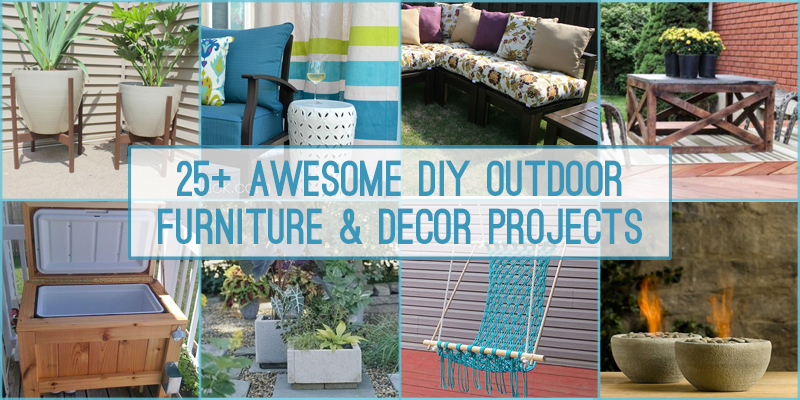
A backyard should be more than the place where the lawn mower lives and mosquitoes hold quarterly meetings. With a few boards, basic tools, exterior paint, and a willingness to measure twice, you can turn an ordinary patio, porch, balcony, or garden into a comfortable outdoor room.
The best DIY outdoor furniture and decor projects are not merely inexpensive substitutes for store-bought pieces. They can be customized to fit awkward corners, match your favorite colors, provide hidden storage, and solve problems that mass-produced furniture politely ignores. Current outdoor-design guidance consistently emphasizes functional zones, multifunctional furnishings, layered lighting, greenery, and weather-resistant materials.
The projects below range from beginner-friendly planters to ambitious sofas and dining tables. Choose one for a Saturday afternoon or combine several into a full backyard makeover.
Plan Your DIY Outdoor Space Before Cutting Wood
Start by deciding what you want the area to do. A dining zone needs enough room for chairs to slide back. A conversation area works best when seats face one another. A reading nook needs shade, a side table, and lighting. Small patios benefit from folding, stackable, rolling, or double-duty pieces that can be rearranged as needed.
Choose Outdoor-Appropriate Materials
Cedar, redwood, teak, cypress, pressure-treated lumber, and properly protected exterior-grade plywood are common options. Less naturally durable lumber can still work when it is kept off wet ground, assembled to shed water, and coated with a suitable exterior finish. Use corrosion-resistant exterior screws and hardware instead of indoor fasteners, which may rust and leave dramatic orange streaks down your otherwise charming bench.
Exterior wood lasts longer when water cannot collect in joints or on broad horizontal surfaces. Leave small drainage gaps between slats, seal exposed end grain, smooth sharp edges, and protect finished pieces according to the coating manufacturer’s directions. USDA wood-finishing guidance recommends exterior products and suitable preservative-treated wood when lumber will contact soil or water.
Build for Real Life
Outdoor furniture gets wet, dirty, dragged, climbed on, and occasionally used as a launch platform by an overconfident child. Reinforce load-bearing joints, predrill near board ends, check completed furniture for wobble, and round over exposed corners. Before beginning a large build, make a cut list and confirm that the finished piece can fit through any gate or doorway between your workshop and patio.
DIY Outdoor Seating Projects
1. Classic Slatted Garden Bench
Build a simple bench from dimensional lumber with a gently angled back and narrow gaps between the seat slats. Add wide armrests that can hold a coffee mug, book, or emergency plate of barbecue. A four- to five-foot bench fits most porches without dominating the space.
2. Modern 2×4 Outdoor Sofa
A sofa made from standard 2×4 boards offers substantial seating without complicated joinery. Build a rectangular base, attach upright back supports, and add outdoor cushions sized before construction. Measuring the cushions first prevents the classic DIY finale: a beautiful sofa with a seat nobody manufactures.
3. Pallet Patio Couch
Structurally sound pallets can become a low-profile couch when stacked, reinforced, sanded, and fitted with a back. Use only clean pallets with clearly identifiable treatment markings, and reject anything stained, oily, cracked, or suspiciously fragrant. Pallet seating can cost considerably less than a conventional patio set, but safe material selection and thorough preparation are essential.
4. Adirondack Chair
The deep seat, sloping back, and broad arms of an Adirondack chair make it a backyard favorite. Templates simplify the curved components, while straight-cut versions provide a more approachable option for beginners. Build a pair and place a compact side table between them for an instant conversation area.
5. Adjustable Deck Lounger
Create a chaise-style lounger with a slatted platform and hinged backrest. A notched support rail allows several reclining positions, from “reading responsibly” to “accidentally sleeping through dinner.” Add wheels at one end if the chair must frequently chase shade across the patio.
6. Outdoor Storage Bench
Combine seating with a ventilated compartment for cushions, gardening supplies, or outdoor toys. Use a sloped or slatted top so rainwater drains, install lid-support hardware, and include openings that allow damp items to dry. Multifunctional storage is especially useful on compact porches.
7. Cinder-Block and Timber Bench
Slide exterior-rated timbers through stacked concrete blocks to make a quick, industrial-style bench. Level and stabilize the blocks on a firm surface before adding the seat. Paint the blocks, stain the timbers, and add cushions to make the finished piece look intentional rather than like leftover construction materials taking a lunch break.
8. Repurposed Dining-Chair Bench
Two salvaged chair backs can become the ends of a unique garden bench. Connect them with a reinforced wooden seat frame, add cross-supports, and coat everything with exterior paint. This is an excellent way to rescue mismatched furniture while creating a genuinely one-of-a-kind focal point.
DIY Outdoor Tables and Entertaining Stations
9. Outdoor Coffee Table
Build a low rectangular table with a slatted top and sturdy apron. A lower shelf provides room for lanterns, games, or extra serving trays. Slightly recessed legs create a lighter appearance while helping protect toes from surprise collisions.
10. Coffee Table With a Planter Center
Leave an opening in the tabletop for a removable planter box filled with succulents, herbs, or seasonal flowers. The same opening can hold a watertight container of ice during parties. This kind of adaptable design turns one modest project into both decor and serving furniture.
11. Built-In Cooler Table
Install a narrow cooler or metal trough inside a wooden table so cold drinks remain within reach. Include a drain line or removable insert to simplify cleanup. Hinged covers can conceal the cooler when it is not in use and restore a continuous tabletop for everyday meals.
12. Simple Patio Dining Table
A rectangular frame, four braced legs, and a slatted top form a reliable outdoor dining table. Allow comfortable elbow room for each diner and leave space around the table for circulation. Breadboard-style end pieces can create a polished look, although builders should account for seasonal wood movement.
13. Convertible Picnic Table
For a larger project, construct a classic picnic table with attached benches or a convertible design that separates into individual seats. Bracing is critical because long tabletops act like giant wooden levers whenever someone enthusiastically sits on the edge.
14. Rolling Grill Cart
Build a weather-resistant cart with locking casters, a durable work surface, utensil hooks, and shelves for grilling supplies. Keep combustible materials safely separated from hot equipment, and use the cart as a preparation station rather than as a platform for appliances unless the design specifically accommodates them.
15. Potting Bench and Beverage Bar
A potting bench can work all week as a gardening station and transform into a beverage or buffet bar when guests arrive. Include a waist-high worktop, upper shelf, tool hooks, and lower storage for soil or serving tubs. Multifunctional potting-bench designs make excellent use of limited outdoor space.
16. Compact Folding Wall Table
Mount a hinged tabletop to a sturdy exterior wall or balcony partition, using appropriate anchors and a folding support bracket. When lowered, it becomes a breakfast counter, plant-care station, or laptop perch. When folded, it frees precious floor space.
DIY Planters, Privacy Screens, and Garden Structures
17. Cedar Planter Box
Construct a rectangular planter from cedar boards, adding a liner or separate planting container when appropriate. Raise the base slightly to improve drainage and reduce prolonged contact with wet pavement. Matching planters placed at opposite ends of a seating area create instant visual structure.
18. Planter-Bench Combination
Build two tall planter boxes and connect them with a sturdy seat. The plants soften the furniture, define the sitting area, and can provide partial privacy. Choose species that suit the available sunlight rather than selecting plants solely because they looked heroic under garden-center lighting.
19. Vertical Herb Garden
Attach small planter boxes to a freestanding frame or exterior-rated wall panel. Place moisture-loving herbs lower and sun-loving varieties where they receive adequate light. A vertical garden keeps herbs convenient while preserving patio floor space.
20. Trellis Privacy Panel
Frame lattice, narrow wood strips, or exterior wire panels between posts to create a privacy screen. Pair the panel with climbing vines or planter boxes, but ensure the structure is anchored for local wind conditions. Trellises can make a small patio feel more secluded without creating the visual weight of a solid wall.
21. Rolling Privacy Screen
Mount a slatted screen inside a broad, weighted base and add locking casters. The screen can hide trash bins, block a neighboring sightline, or serve as a backdrop for a dining area. A mobile design is especially convenient when privacy needs change throughout the day.
22. Raised Garden Bed With a Ledge
Add a wide top cap to a raised bed so it doubles as casual seating while you weed, harvest, or admire your tomatoes. Use soil-contact-rated materials where required and avoid reclaimed lumber treated with unknown preservatives. The EPA notes that older or specialized treated woods may contain preservatives unsuitable for some residential uses, so identified, current products are the safer choice.
DIY Outdoor Decor and Lighting Projects
23. Painted Outdoor Rug
Use an exterior floor coating and stencil to paint a rug pattern directly onto a clean concrete or wooden surface. Geometric shapes are forgiving, easy to repeat, and less likely than elaborate floral motifs to trigger a mid-project identity crisis.
24. Barn-Quilt Wall Art
Paint a bold geometric quilt pattern on an exterior-grade wood panel and mount it to a fence, shed, or covered porch wall. Limit the palette to three or four colors for a crisp design that remains readable from across the yard.
25. Solar Lantern Posts
Top simple wooden posts with solar lanterns and anchor them in planters, along paths, or around a seating area. Solar fixtures avoid extension cords and can help define circulation routes after dark. Outdoor lighting plans commonly combine practical path lighting with softer decorative sources.
26. Hanging Planter Chandelier
Combine lightweight hanging planters with battery-powered or solar fairy lights to create an outdoor chandelier. Hang it from a properly rated hook and keep electrical components suitable for outdoor use. The result adds overhead interest without requiring conventional wiring.
27. Mason-Jar Candle Holders
Place LED candles inside jars suspended from shepherd’s hooks or arranged on a tabletop. Add sand or small stones for stability. Flameless lights provide the glow without introducing an open flame near dry leaves, fabrics, or curious pets.
28. Outdoor Pillow Covers
Sew envelope-style covers from outdoor fabric so they can be removed for cleaning. Repeating one fabric on several seating pieces helps mismatched furniture feel coordinated. Store cushions during severe weather to reduce fading, mildew, and the possibility that squirrels redecorate them from the inside.
29. Pebble Stepping Stones
Arrange smooth pebbles in a reusable mold and embed them in concrete to create decorative stepping stones. Make each stone thick enough for its intended use and install it on a stable, level base. A repeated spiral or sunburst pattern adds handcrafted character to a garden path.
30. Outdoor Game Table
Paint a checkerboard, chessboard, tic-tac-toe grid, or other game surface on a side table. Store durable game pieces in a small drawer, lidded container, or hanging bag. This project gives a tired table a second life and encourages guests to remain outside after the food disappears.
31. Tabletop Fire Feature
Create a decorative fire feature only with components specifically rated for that purpose, following the burner manufacturer’s instructions, required clearances, and local fire rules. Place it on a stable, noncombustible surface away from roofs, branches, fabrics, and flammable furniture. Where open flame is impractical, use an LED lantern arrangement for a similar focal effect.
Finishing and Maintaining DIY Outdoor Furniture
Sand projects progressively until edges and hand-contact surfaces feel smooth. Remove dust before applying stain, paint, oil, or clear finish. Coat hidden areas and exposed end grain rather than protecting only the photogenic surfaces. Follow drying and recoating directions carefully; a finish that feels dry may not yet be ready for rain, cushions, or enthusiastic use.
No exterior coating is truly maintenance-free. Inspect furniture at the beginning and end of the outdoor season, tighten loose hardware, clean drainage gaps, repair peeling finishes, and address rust before it spreads. Furniture stored under cover or protected during harsh seasons generally requires less restoration than pieces left fully exposed year-round.
Experience-Based Lessons From DIY Outdoor Projects
The first lesson most builders learn is that preparation takes longer than assembly. Buying wood may require one trip, but finding straight boards can require the patience of a museum curator. Inspect each piece for twisting, cupping, deep cracks, and damaged edges. A slightly more expensive straight board is usually cheaper than fighting warped lumber through every stage of a project.
The second lesson is to build around the cushions, containers, and hardware you can actually obtain. A plan may call for a 24-inch cushion, but the local selection may mysteriously jump from 22 to 27 inches. Purchase or identify these fixed-size items before finalizing dimensions. The same rule applies to cooler inserts, planter pots, casters, hinges, and storage bins. Customizing wood is easy; politely asking a plastic storage tote to become two inches narrower is less productive.
Dry assembly is another habit that saves time. Position all the parts, clamp them when possible, and confirm that the frame is square before driving the final screws. Compare diagonal measurements across rectangular frames; equal diagonals indicate a square assembly. This small check can prevent a bench from rocking and a table from developing the architectural personality of a parallelogram.
Outdoor projects also teach respect for drainage. A perfectly flat tabletop looks tidy until the first storm leaves several shallow ponds on it. Small gaps between boards, beveled edges, raised feet, and drainage holes help water escape. Furniture should not trap moisture against concrete, soil, cushions, or neighboring boards. The most durable designs do not merely resist water; they give it a convenient route to leave.
Finishing is where enthusiasm often becomes impatience. After hours of cutting and assembly, it is tempting to brush on one thick coat and declare victory. Better results usually come from patient surface preparation and multiple appropriate coats applied within the product’s temperature and weather requirements. Test stain or paint on a scrap because wood species, sanding, and previous treatments can change the final color dramatically.
Finally, successful outdoor spaces evolve rather than appearing all at once. Begin with the piece that solves the biggest problem: perhaps seating, shade, storage, or a table. Use it for several days before adding more. You may discover that the bench belongs six feet to the left, the coffee table is too large, or the prettiest corner receives enough afternoon sun to cook a tomato. Real-world use reveals circulation patterns and comfort issues that sketches cannot.
A cohesive patio does not require every item to match. Repeating two or three elementssuch as a wood tone, paint color, metal finish, or fabric patterncan unite furniture built at different times. Contemporary outdoor design guidance frequently favors layered materials and personal pieces over purchasing one identical furniture collection.
The greatest reward is not simply saving money. It is living with objects designed around your routines: an armrest wide enough for your mug, a storage bench sized for your cushions, or a planter positioned exactly where it hides the neighbor’s recycling bins. Small imperfections become part of the story. Just make sure those imperfections are cosmeticnot structural.
Conclusion
DIY outdoor furniture and decor projects can transform an underused exterior area into a practical extension of your home. Start with a clear purpose, select weather-appropriate materials, and choose projects that match your tools and experience. A simple planter, bench, or lantern may be enough to change how often you use the space.
As your confidence grows, add larger pieces such as an outdoor sofa, dining table, privacy screen, or rolling grill cart. Build slowly, protect every project from weather, and allow your patio to develop personality over time. The goal is not to create a showroom. It is to create a comfortable place where people want to sit, eat, talk, garden, and occasionally brag that they built the furniture themselves.











