
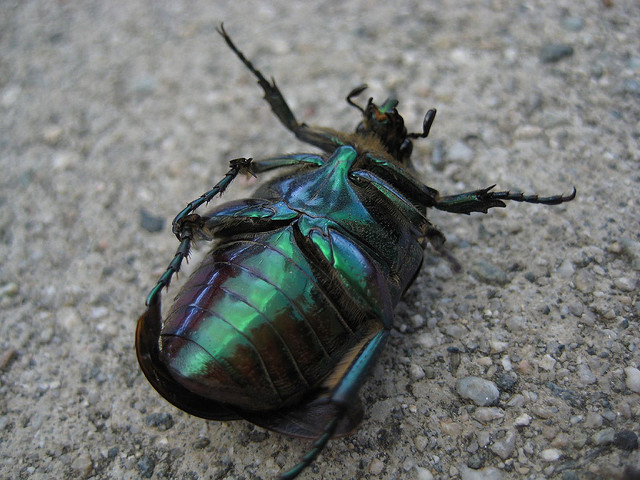
Sometimes greatness arrives wearing tiny wings and walking on six very confused legs. You spot a bee bumping into a window like it has personal beef with transparent architecture. A moth is trapped in the porch light zone, circling with the determination of a tiny pilot who missed the exit. An upside-down beetle waves its legs in the air, looking less like a fearsome armored insect and more like a dropped wind-up toy. Then you step in. You open the door, slide over a piece of paper, tilt a leaf, or gently guide the little traveler back outside.
And for a moment, you are not just a person with errands, bills, and a refrigerator full of mysterious leftovers. You are a rescue team. A wildlife rehabilitator. A bug-sized superhero with opposable thumbs.
The idea behind #194 When insects are struggling to do something and you help them – 1000 Awesome Things is beautifully simple: helping a tiny creature feels unexpectedly good. It is a small act, but it carries a surprising amount of warmth. Insects are everywhere, yet most of us barely notice them unless they are buzzing near our lemonade or auditioning for a horror movie in the bathroom sink. But when we pause long enough to help, we remember something important: the world is full of lives much smaller than ours, and kindness still counts even when the recipient cannot write a thank-you note.
Why Helping Insects Feels So Awesome
There is a special kind of satisfaction in helping an insect because the stakes are tiny and enormous at the same time. On one hand, it may only take five seconds to scoop a ladybug off the kitchen counter. On the other hand, to that ladybug, you have just prevented a tragic end involving tile flooring, panic, and possibly a broom.
Humans are wired to respond to struggle. When we see something trapped, flipped over, dehydrated, or lost, our empathy wakes up and taps us on the shoulder. That empathy does not always ask whether the creature has fur, feathers, or a charming face. Sometimes it applies to a beetle lying on its back like it has given up on the concept of gravity.
Helping insects also gives us a rare, instant win. The modern world is full of complicated problems: inboxes that multiply, traffic that refuses to make sense, and printers that apparently feed on human confidence. But helping a bee out of a window? That is clean, direct, and emotionally efficient. Bug stuck. Human helps. Bug leaves. Human feels like a woodland saint.
Insects Are Not Just Tiny Background Characters
It is easy to treat insects as scenery, but they are doing some of the hardest work on Earth. Bees, butterflies, moths, flies, beetles, wasps, ants, and countless other insects help pollinate plants, recycle nutrients, control pests, and feed birds, fish, reptiles, amphibians, and mammals. Without insects, ecosystems would not simply become quieter; they would start losing key pieces of their support structure.
Pollinators are especially important. Many flowering plants depend on animals to move pollen from flower to flower, and insects are among the busiest members of that workforce. Bees get most of the fame, but butterflies, moths, beetles, flies, and wasps also contribute. Some crops and wild plants rely heavily on these visits. That means the little bee wobbling around your windowsill may be part of a much larger story involving flowers, fruit, seeds, and dinner.
Insects also serve as natural pest managers. Lady beetles eat aphids. Lacewing larvae are so good at devouring soft-bodied pests that gardeners sometimes call them “aphid lions,” which sounds like the title of a very tiny action movie. Parasitic wasps help regulate pest populations in farms and gardens. Ground beetles, spiders, and predatory bugs all play roles in keeping ecological systems balanced.
So when you help an insect, you are not just helping one small creature. You are honoring a group of animals that keeps the living world stitched together in ways most of us rarely see.
Common Insect Rescue Moments
1. The Window Prisoner
This is the classic rescue. A fly, bee, wasp, moth, or butterfly gets stuck against a closed window, convinced that freedom is directly ahead if only it hits the glass with slightly more enthusiasm. The best solution is usually simple: open the window or door, dim indoor lights, and gently guide the insect toward daylight with a cup, piece of paper, envelope, or soft cloth.
For bees and wasps, avoid swatting. They are more likely to become defensive if they feel threatened. Move slowly, stay calm, and give them an escape route. Think of yourself as an air traffic controller, not a gladiator.
2. The Upside-Down Beetle
Some beetles and other insects struggle to right themselves when they land on smooth surfaces. If you see one kicking its legs in the air, gently offer a twig, leaf, or piece of paper. Once it grabs on, move it to soil, grass, bark, or another textured surface. Congratulations: you have just performed the insect version of helping someone up after they slipped on ice.
3. The Tired Bee
People often find bees sitting still on sidewalks, patios, or windowsills. Sometimes the bee is simply resting. Sometimes it may be cold, wet, old, injured, or low on energy. The safest first step is to move it out of foot traffic using a leaf or piece of paper. Place it near flowers if possible. A shallow water source with stones can also help pollinators drink safely, but avoid deep dishes where insects can drown.
You may see advice online about feeding sugar water to exhausted bees. While a tiny emergency drop may help in rare cases, it should not replace real nectar-rich flowers. The better long-term rescue is planting native blooms and reducing pesticide use. In other words, flowers are the insect version of a fully stocked roadside diner.
4. The Bathroom Visitor
Every home eventually receives a surprise insect guest. Maybe it is a moth in the shower, a beetle in the sink, or a spider in the corner acting like it pays rent. A cup-and-card method works well for many indoor insects: place a clear cup over the insect, slide a stiff piece of paper underneath, carry it outside, and release it near shelter.
This method keeps both you and the insect safe. It also gives you a chance to maintain dignity, which is helpful if your first reaction involved making a noise usually associated with cartoon characters.
5. The Water Rescue
Insects can get trapped in pools, birdbaths, buckets, and watering cans. Use a leaf, stick, pool net, or floating object to lift them out. If you maintain a birdbath or garden water dish, add stones, marbles, corks, or sticks so bees and butterflies have landing spots. A pollinator water station should be shallow, refreshed often, and designed like a tiny beach rather than a bug-sized ocean.
How to Help Insects Without Accidentally Making Things Worse
Good intentions are wonderful, but insects are delicate. The goal is to assist without crushing, overheating, soaking, trapping, or stressing them. Use gentle tools instead of fingers when possible. A leaf, paintbrush, paper card, or small container can move an insect safely. Avoid touching wings, especially on butterflies and moths. Their wings are fragile, and even minor damage can affect their ability to fly.
It is also important to know when not to interfere. A caterpillar on a plant is probably eating its host plant, not having a crisis. A bee resting on a flower may simply be taking a break. A spider in a quiet corner may be providing free pest control. Not every insect needs rescue. Sometimes the best help is respectful distance, which is also excellent advice for family reunions.
Small Acts That Help Insects Every Day
Plant Native Flowers
Native plants are one of the best ways to support local insects. They evolved alongside local bees, butterflies, beetles, and moths, which means they often provide the right nectar, pollen, leaves, shelter, and timing. Choose a variety of flowers that bloom from spring through fall so insects have food across the growing season.
Leave a Little Mess
A perfectly spotless yard may look tidy to humans, but it can be a desert for insects. Many beneficial insects overwinter in leaf litter, hollow stems, logs, brush piles, or bare soil. Leaving some natural areas gives them places to nest and survive. You do not have to turn your yard into a jungle. Even a small “wild corner” can make a difference.
Use Fewer Pesticides
Pesticides can harm beneficial insects as well as pests. Even products marketed as natural can affect bees, butterflies, and other helpful species. If pest control is necessary, use targeted methods, follow label directions carefully, avoid spraying blooming plants, and consider nonchemical options first. A healthy garden is not one where every insect disappears. A healthy garden has balance.
Provide Safe Water
Insects need water, especially during hot, dry weather. A shallow dish with pebbles, stones, or floating cork gives pollinators a safe place to land and drink. Change the water regularly to prevent mosquitoes from breeding. Yes, even your act of kindness should come with basic housekeeping. Nature appreciates effort, but mosquitoes appreciate laziness.
Turn Off Unnecessary Outdoor Lights
Many night-flying insects are attracted to artificial light, which can confuse them, exhaust them, and make them more vulnerable to predators. Turning off unnecessary lights, using motion sensors, or choosing warmer, shielded lighting can reduce harm to moths and other nocturnal insects. It also gives your porch fewer “tiny rave at midnight” vibes.
The Emotional Beauty of Helping Something Small
There is something deeply human about helping an insect that cannot reward us. A rescued bee will not bring flowers to your door. A freed moth will not leave a five-star review. A beetle you flip over will not remember your birthday. The act matters because it is kind, not because it is profitable.
That is what makes this awesome thing so powerful. It reminds us that compassion does not have to be dramatic to be meaningful. You do not need a grand stage, a heroic soundtrack, or a cape flapping in slow motion. Sometimes you only need a postcard, a jar, or the willingness to open a window.
Helping insects also changes how we see them. The more we notice their struggles, the more we notice their intelligence, persistence, and variety. Ants organize. Bees navigate. Butterflies migrate. Beetles engineer. Moths pollinate under the moon. Even flies, despite their terrible public relations department, play roles in decomposition and food webs.
Once you start paying attention, the insect world becomes less like background noise and more like a busy city operating under our feet, above our heads, and occasionally inside the lampshade.
When Helping Insects Becomes a Mindset
The first rescue may be accidental. You see a bug struggling, you help, and you feel oddly proud. Then it becomes a habit. You start checking the sink before turning on the water. You move beetles off sidewalks. You leave flowers for bees. You stop treating every insect like an intruder and start asking, “Can I relocate this little weirdo safely?”
This mindset does not mean pretending all insects are harmless. Some insects can sting, bite, spread disease, damage crops, or invade homes. Common sense still matters. But it does mean replacing automatic fear with curiosity. It means learning the difference between a wasp passing through and a nest near a doorway, between a garden pest outbreak and a few leaves with holes, between danger and inconvenience.
In a world that often rewards speed, helping insects asks us to slow down. It asks us to notice the small, the overlooked, and the inconveniently located. It invites us to practice gentleness in a place where nobody is watching. That is a pretty good definition of character.
Specific Examples of Tiny Insect Heroics
Imagine a bumblebee trapped between a screen and a window. It has tried every wrong direction with admirable confidence. You slide the screen open, wait, and gently guide it toward the gap. Suddenly it launches into the air, wobbles once, and disappears into the afternoon. That moment feels like applause, even if the audience is just you and a houseplant.
Or picture a butterfly resting in a parking lot, wings opening and closing while tires roll nearby. You offer a piece of paper, move slowly, and carry it to a patch of flowers. It may stay there for several minutes, warming itself in the sun. You walk away feeling like you have done something small but correct.
Then there is the classic ant rescue: one little ant stranded on a kitchen counter island, circling like a lost tourist. You place it near the door or outside near soil. Was it the same ant that later told the colony of your mercy? Probably not. But let us enjoy the possibility.
Why This Belongs on a List of Awesome Things
Awesome things are often ordinary moments with a little emotional sparkle added. Fresh sheets. Finding money in a coat pocket. The first bite of a perfect sandwich. And yes, helping an insect that is struggling to do something.
This belongs on the list because it delivers a tiny burst of goodness. It is wholesome without being complicated. It makes you feel connected to the living world. It turns a random bug encounter into a miniature rescue story. Best of all, it costs nothing. No subscription. No equipment. No training montage. Just a little attention and a willingness to help.
Insects may be small, but the feeling is not. There is a quiet joy in using your size and strength gently. There is humor in the awkwardness of the rescue. There is wonder in watching the insect recover and continue on its strange little mission. And there is humility in realizing that even the smallest creatures are busy trying to survive, just like us.
Personal Experiences: The Tiny Rescue Stories We Remember
Almost everyone has an insect rescue memory, even if they do not think of themselves as a “bug person.” Mine begins with the universal sound of a fly ricocheting against a window. It was trapped in that impossible space where the door was open two feet away, but the fly had chosen glass as its spiritual enemy. For several minutes, it bumped, buzzed, paused, and bumped again. I finally opened the door wider, lowered the lights inside, and used a folded magazine to guide it toward the bright gap. The fly zipped out like it had just escaped a maximum-security prison. I stood there feeling victorious, which is a strange feeling to have after assisting a creature best known for landing on sandwiches.
Another time, I found a beetle upside down on a smooth porch step. It was waving all six legs with the exhausted drama of someone trying to get out of a beanbag chair. I offered a twig. It grabbed on immediately, which felt like a handshake from a very small knight in armor. I moved it to the soil, and it marched away under a leaf as if it had important beetle meetings to attend. That rescue took less than ten seconds, but I still remember it because it was so simple and satisfying.
Then there was the bumblebee on a hot sidewalk. It sat so still that I worried it was dying. I used a leaf to move it away from foot traffic and placed it near a patch of flowers. For a while, nothing happened. Then its legs shifted, its wings trembled, and it slowly climbed onto a bloom. Maybe it was resting. Maybe it was at the end of its life. Maybe the flower helped. I could not know for sure. But I knew the sidewalk was no place for a bee, and moving it felt like the right kind of small kindness.
These experiences stay with us because they interrupt the usual rhythm of the day. One minute, you are thinking about groceries, emails, or why your phone battery behaves like a melting ice cube. The next minute, you are face-to-face with a tiny creature in trouble. You have to choose: ignore it or help. When you help, the world feels a little less cold and a little more connected.
There is also a funny humility in insect rescue. You may be hundreds or thousands of times larger than the creature you are helping, yet you must move carefully. Too much force can harm it. Too much panic can make things worse. You have to become gentle, patient, and precise. You have to trade the human urge to control everything for the quieter skill of making space.
That is why helping struggling insects is more than a cute moment. It is a practice. It teaches observation. It builds compassion. It reminds us that not every living thing needs to be useful to us before it deserves care. Sometimes a moth deserves freedom simply because it is alive and confused inside your kitchen.
And honestly, who among us has not been alive and confused inside a kitchen?
Conclusion
#194 When insects are struggling to do something and you help them – 1000 Awesome Things celebrates one of life’s tiniest joys: noticing a small creature in trouble and choosing kindness. Whether you free a bee from a window, flip over a beetle, rescue a moth from the bathroom, or build a safer garden for pollinators, these little actions matter. They connect us to nature, support beneficial insects, and remind us that compassion does not need to be loud to be real.
The next time you see an insect struggling, pause before you swat, spray, or panic-dance across the room. Look closer. Maybe all it needs is an open window, a dry leaf, a safer landing spot, or a patient human willing to help. And when it flies, crawls, or wobbles away, enjoy that tiny glow in your chest.
Because sometimes saving the day comes with wings, legs, antennae, and absolutely no paperwork.
Note: This article is based on synthesized information from reputable U.S. conservation, agriculture, university extension, wildlife, and science sources. No source links are included, as requested.












