
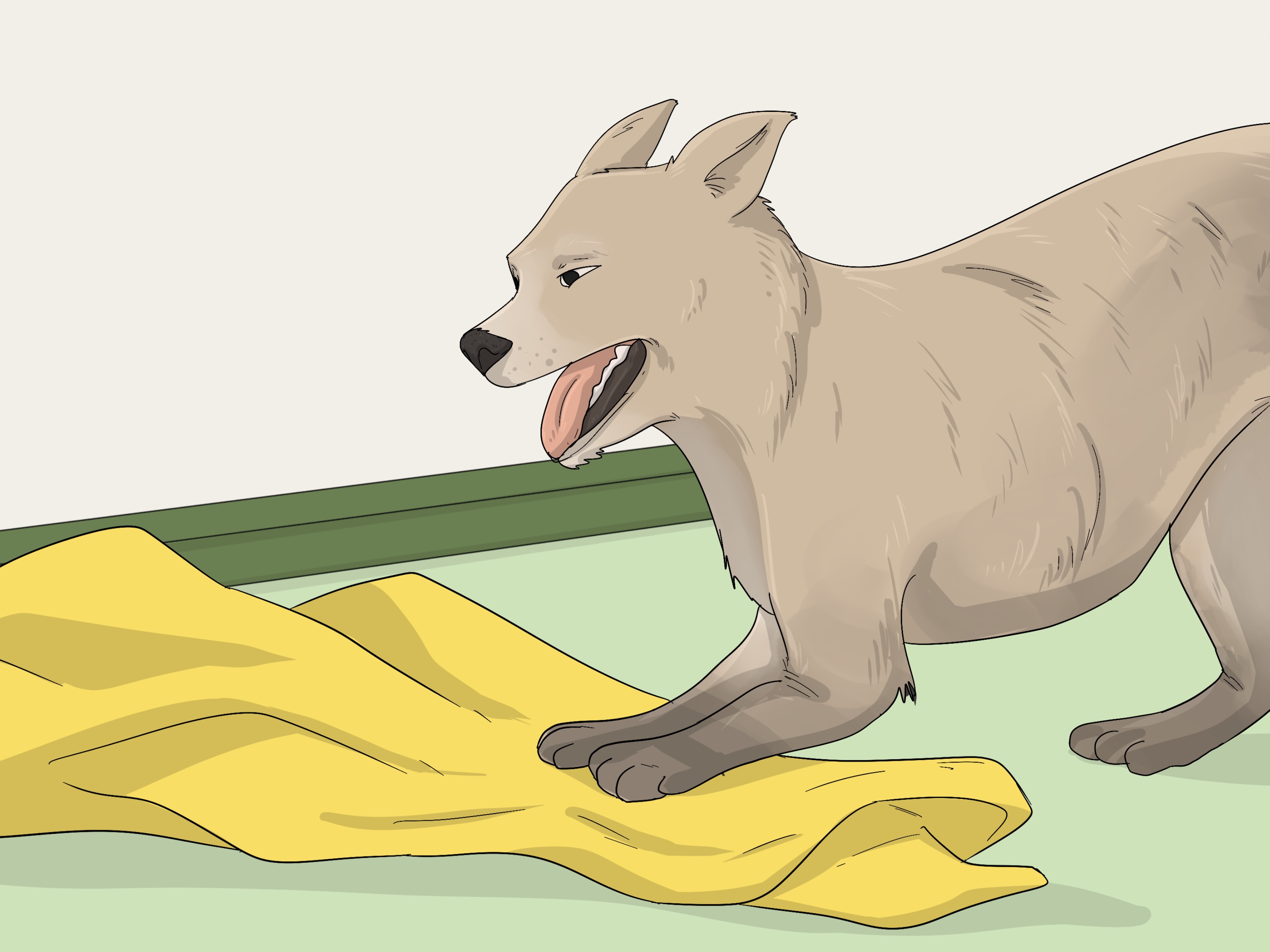
Your dog probably already suspects you love them. After all, you keep the snack bowl operational, open mysterious doors, and occasionally surrender half the couch to a creature who snores like a tiny tractor. But love, in dog language, is not only about saying “Who’s a good dog?” in a voice you would deny using in public. It is about trust, safety, routine, health, attention, and daily moments that tell your pup, “I understand you, I’m here for you, and yes, that squeaky duck is very impressive.”
The best ways to show your dog you love them are surprisingly practical. Dogs feel loved when their needs are met consistently: exercise, mental stimulation, gentle handling, veterinary care, positive training, safe rest, and meaningful time with their favorite human. Whether you have a high-energy retriever, a dignified senior dog, a shy rescue, or a puppy who believes shoelaces are a food group, these ideas can help strengthen your bond in ways your dog can actually understand.
Why Dogs Experience Love Through Actions
Dogs are social animals. They notice your tone, posture, habits, schedule, and emotional energy. They learn what happens after you pick up the leash, open the treat jar, sit on the floor, or say their name. That means your everyday actions carry more meaning than grand gestures. A dog does not need a birthday party with a balloon arch, although they may enjoy the crumbs. They need predictable care, kind communication, and chances to be a dog.
Showing love to your dog means creating a life that supports their body, brain, and emotional well-being. Here are 17 thoughtful, science-informed, tail-approved ways to do exactly that.
17 Best Ways to Show Your Dog You Love Them
1. Learn Your Dog’s Body Language
One of the most loving things you can do is listen to what your dog is already saying. Dogs communicate with their whole body: ears, tail, eyes, mouth, posture, movement, and even tiny behaviors like yawning or lip licking. A relaxed dog may have soft eyes, loose muscles, and a gently wagging tail. A stressed dog may turn away, freeze, tuck their tail, lick their lips, or avoid eye contact.
When you understand these signals, you can protect your dog from uncomfortable situations before they escalate. For example, if your dog leans away when a stranger reaches over their head, love means stepping in and saying, “Let’s give them space.” You become your dog’s translator, advocate, and emotional bodyguard. That is romance, canine edition.
2. Spend Focused Quality Time Together
Your dog knows the difference between being near you and being with you. Sitting beside your dog while scrolling your phone is nice, but focused attention is better. Spend a few minutes each day fully engaged with your pup. Play, brush them, practice a trick, take a slow walk, or simply sit together and offer calm affection.
Quality time does not need to be dramatic. Five minutes of eye-softening, tail-wagging attention can matter more than an hour of distracted multitasking. Put the phone down, look at your dog, and let them enjoy being the center of your universe for a little while. They already assume they are, so it is polite to confirm.
3. Use Positive Reinforcement Training
Training is not just about obedience. It is communication. Positive reinforcement teaches your dog what you want by rewarding good choices with treats, praise, toys, or play. Instead of intimidating your dog into behaving, you help them understand the rules and feel successful.
For example, if your dog jumps on guests, reward them for sitting calmly instead of scolding them after the jump. If they walk nicely on leash, praise and treat that behavior. Positive training builds confidence, reduces confusion, and strengthens trust. Your dog learns that working with you is fun, safe, and sometimes chicken-flavored.
4. Give Your Dog Daily Exercise
Exercise is a love letter written in paw prints. Dogs need physical activity to stay healthy, burn energy, maintain muscle, and reduce boredom. The right amount depends on your dog’s breed, age, health, and personality. A young border collie may need a serious workout and a spreadsheet of activities. A senior pug may prefer a gentle stroll and a dramatic nap afterward.
Walks, fetch, tug, swimming, hiking, agility, and backyard play can all help. The key is to match activity to your dog’s ability. Watch for signs of fatigue, heat stress, stiffness, or reluctance. Love is not forcing a dog to “push through.” Love is knowing when to play and when to head home for water and couch recovery.
5. Let Them Sniff on Walks
To humans, a walk is exercise. To dogs, it is the morning newspaper, social media feed, neighborhood gossip column, and mystery novel all in one. Sniffing gives dogs information and mental stimulation. It can also help them relax and feel more in control of their environment.
Try adding “sniff walks” to your routine. Instead of marching from point A to point B, let your dog choose safe places to investigate. A patch of grass may look boring to you, but to your dog it contains breaking news: “Beagle was here. Squirrel passed through. Mail carrier remains suspicious.” Letting your dog sniff is a simple, powerful way to respect their natural instincts.
6. Create a Predictable Routine
Dogs often feel secure when life has a rhythm. Feeding, walks, potty breaks, playtime, training, and bedtime do not have to happen at the exact second every day, but a general routine helps your dog know what to expect. Predictability can be especially comforting for puppies, anxious dogs, newly adopted dogs, and seniors.
A routine says, “You are safe. Your needs will be met.” It can reduce stress-related behaviors like pacing, whining, chewing, or barking. Plus, dogs are excellent timekeepers. If dinner is usually at 6:00, your dog may begin staring into your soul at 5:42. This is not manipulation. It is project management.
7. Feed a Healthy, Appropriate Diet
Food is one of the clearest ways to care for your dog’s long-term health. Choose a complete and balanced diet appropriate for your dog’s life stage, size, activity level, and medical needs. Puppies, adults, seniors, large breeds, small breeds, and dogs with health conditions may all need different nutritional support.
Talk with your veterinarian about your dog’s body condition, weight, treats, and portion sizes. Love is not measured by how many snacks you can sneak under the table. In fact, too many treats can lead to weight gain, which may affect mobility and overall health. A better approach is to use small, healthy rewards and make meals more enriching with puzzle feeders or training games.
8. Keep Up With Preventive Veterinary Care
Nothing says “I love you” quite like scheduling the appointment your dog would absolutely not schedule for themselves. Routine veterinary care helps catch problems early and supports your dog’s health through vaccinations, parasite prevention, dental checks, weight monitoring, nutrition advice, and age-appropriate screenings.
Many dogs act cheerful even when something hurts, so regular exams are important. Preventive care is not just for sick dogs; it is how you help your dog stay well. Your pup may not appreciate the thermometer situation, but they will benefit from your commitment.
9. Care for Their Teeth
Dog breath should not be able to peel paint. Dental health is a major part of overall wellness, and dental disease can cause pain, infection, bad breath, and trouble eating. Your veterinarian can check your dog’s mouth and recommend professional cleanings or an at-home dental routine.
Brushing your dog’s teeth with dog-safe toothpaste is often the gold standard for home care, but dental chews, water additives, and approved dental diets may also help depending on your dog’s needs. Start slowly, reward generously, and keep sessions short. Your dog may never love tooth brushing, but with patience, they may accept it as the weird little ritual humans insist upon.
10. Offer Mental Enrichment Every Day
A bored dog can become a creative dog, and “creative” may mean redesigning your throw pillows from the inside out. Mental enrichment gives your dog’s brain something productive to do. Puzzle toys, food-dispensing toys, snuffle mats, scent games, training sessions, hide-and-seek, cardboard box puzzles, and safe chew items can all help.
Enrichment does not have to be expensive. Scatter kibble in a towel, hide treats under cups, teach toy names, or let your dog “find it” around the room. Mental exercise can tire dogs in a satisfying way and reduce unwanted behaviors caused by under-stimulation. A dog with a busy brain is often a happier, calmer companion.
11. Respect Their Need for Rest
Dogs need rest, and some need a lot of it. Puppies grow during sleep. Senior dogs recover during sleep. Adult dogs process busy days during sleep. A loving home includes a comfortable, quiet place where your dog can retreat without being bothered.
Teach children and guests not to disturb a sleeping dog. If your dog goes to their bed, crate, or favorite corner, let that space be sacred. Think of it as their private studio apartment, minus rent and with better room service. Respecting rest helps your dog feel safe and reduces stress.
12. Play Games That Match Their Personality
Not every dog loves fetch. Some prefer tug. Some enjoy chase games. Some want to solve puzzles. Some stare at a tennis ball as if it owes them money. Showing love means discovering what your dog actually enjoys, not what the internet says every dog should enjoy.
Try different activities and watch your dog’s response. Do they light up during tug? Do they love finding hidden treats? Do they prefer gentle training games? Play builds trust and gives your dog a healthy outlet for natural behaviors like chasing, grabbing, sniffing, and problem-solving. Keep games safe, use clear rules, and end before your dog becomes overstimulated.
13. Groom Them Gently
Grooming is not only about looking cute enough to stop traffic. Brushing, nail trimming, ear checks, bathing, and coat care help prevent discomfort and health problems. Mats can pull on skin, overgrown nails can affect movement, and dirty ears may hide irritation.
Make grooming positive by going slowly. Pair brushes, clippers, towels, and handling with treats and praise. If your dog is nervous, break tasks into tiny steps. One nail today is better than a wrestling match that leaves everyone sweaty and suspicious. For difficult coats or fearful dogs, a professional groomer or veterinary team can help.
14. Protect Them From Unsafe Foods and Hazards
Love also means being the household safety manager. Keep toxic foods, medications, cleaning products, sharp objects, small swallowable items, and unsafe plants away from your dog. Do not assume your dog “would never eat that.” Many dogs approach life with the scientific curiosity of a raccoon in a convenience store.
Use secure trash cans, store food safely, supervise toys, and check your yard for hazards. If your dog is a power chewer, choose durable toys and inspect them often. Safety may not look glamorous, but preventing an emergency is one of the most loving things you can do.
15. Socialize Thoughtfully and Advocate Boldly
Socialization does not mean throwing your dog into every crowd, dog park, or family barbecue and hoping for the best. Good social experiences should be positive, controlled, and appropriate for your dog’s temperament. Puppies need careful exposure to people, sounds, surfaces, places, and friendly dogs. Adult dogs may need slower introductions, especially if they are shy or reactive.
Be your dog’s advocate. If your dog does not want to greet another dog, say no. If someone insists “all dogs love me,” you are allowed to smile and still block the reach. Love means protecting your dog’s comfort, even when humans are being overly enthusiastic.
16. Give Them Choices When Possible
Choice builds confidence. Dogs cannot choose everything, of course. Someone must prevent them from eating socks and making questionable career decisions. But small choices can improve their quality of life. Let your dog choose which toy to play with, which safe direction to walk, whether they want petting, or where they want to rest.
Consent-based affection matters. Some dogs love belly rubs. Others prefer chest scratches. Some enjoy cuddling; others want to sit nearby without being hugged. Watch your dog’s response. If they move closer, lean in, or ask for more, continue. If they turn away or leave, respect the answer. Love is not grabbing. Love is being invited.
17. Celebrate the Dog You Actually Have
The best way to show your dog love is to appreciate their real personality. Maybe your dog is not the off-leash café companion you imagined. Maybe they are more of a “let’s sniff one bush for six minutes” philosopher. Maybe they are shy, goofy, sensitive, stubborn, athletic, lazy, brilliant, chaotic, or all of the above before breakfast.
Dogs thrive when we stop comparing them to an ideal and start supporting who they are. Adjust activities to your dog’s needs. Train with patience. Laugh at the harmless quirks. Manage the challenging ones kindly. Your dog does not need to be perfect to be deeply loved. Conveniently, neither do you.
Common Mistakes That Do Not Feel Like Love to Dogs
Even well-meaning owners can accidentally stress their dogs. Hugging tightly, forcing greetings, using punishment-based training, skipping exercise, overfeeding treats, ignoring dental care, or expecting dogs to “just know better” can create confusion or discomfort. Dogs need guidance, not guilt trips.
Another common mistake is assuming all tail wags mean happiness. Tail movement can signal excitement, uncertainty, tension, or friendliness depending on the whole body. Look at your dog’s complete posture before deciding how they feel. A loose, wiggly dog is very different from a stiff dog with a high, fast wag.
How to Know Your Dog Feels Loved and Safe
A loved dog often shows trust in quiet ways. They may relax near you, check in during walks, bring you toys, sleep deeply, respond happily to cues, seek affection, or look to you when unsure. Some dogs are openly cuddly; others are more independent. Do not judge your bond only by how much your dog wants to snuggle. Trust can look like a dog choosing to rest in the same room, making soft eye contact, or calmly accepting your help.
If your dog suddenly withdraws, becomes irritable, avoids touch, loses interest in play, or changes eating or bathroom habits, contact your veterinarian. Behavior changes can be signs of pain, stress, or illness. Loving your dog means noticing when their normal changes.
Real-Life Experiences: What Showing Love Looks Like Day After Day
In everyday life, showing love to a dog often looks less like a movie montage and more like a collection of small, repeated choices. It is the person who wakes up early because their senior dog needs a slower morning walk. It is the family that stops forcing their nervous rescue to greet visitors and instead creates a quiet room with a bed, water, and a chew. It is the owner who realizes their “stubborn” dog is actually confused, then changes training from frustration to rewards.
One of the most meaningful experiences many dog owners share is learning to slow down. Humans tend to treat walks like errands: complete the loop, hit the step count, return home. Dogs experience walks differently. The day an owner lets their dog sniff, pause, and explore safely can be the day the walk becomes more peaceful for both of them. The dog is no longer dragged away from every interesting smell, and the human begins to see the neighborhood through a nose-first perspective. Suddenly, the same old sidewalk becomes an adventure trail.
Another common experience is discovering that dogs enjoy working with us. A ten-minute training session can change the mood of a whole evening. Teaching “touch,” “spin,” “place,” or “find it” gives dogs a chance to succeed. Many owners notice their dogs become brighter and more attentive when training feels like a game instead of a lecture. The dog is not thinking, “Ah yes, behavioral enrichment.” The dog is thinking, “I tapped the hand, and cheese happened. I am a genius.”
Love also shows up during less glamorous moments. Cleaning muddy paws, measuring medication, brushing teeth, trimming nails one at a time, or calling the vet about a strange limp may not feel poetic, but these actions matter. Dogs depend on humans to notice discomfort and handle the boring details of wellness. A dog cannot book a dental exam, compare flea prevention options, or explain that their hip feels stiff after naps. Owners become the caretakers of all those invisible needs.
Many people also learn that affection has to be personalized. One dog may melt into a cuddle like warm butter. Another may prefer lying three feet away with one paw touching your shoe. Some dogs want belly rubs; others want a game of tug. Some want constant companionship; others need peaceful alone time. The more you respect your dog’s preferences, the stronger your bond becomes. Love becomes less about what makes humans feel affectionate and more about what makes the dog feel secure.
Perhaps the biggest lesson is that dogs notice consistency. They notice when you come back, when you feed them, when you speak kindly, when you protect them from scary situations, and when you celebrate their tiny victories. You do not need to be a perfect dog owner. You need to be present, patient, and willing to learn. Over time, these daily choices become your dog’s definition of love: a safe home, a trusted person, a full bowl, a good walk, a soft bed, and someone who understands that the squeaky duck is not just a toy. It is art.
Conclusion
Showing your dog you love them is not about buying the fanciest collar or throwing a birthday party with a guest list longer than yours. It is about meeting their physical, emotional, and mental needs with kindness and consistency. Learn their body language. Use positive reinforcement. Make room for exercise, sniffing, rest, enrichment, grooming, veterinary care, safety, and choice. Most of all, love the dog in front of you, quirks and all.
Your dog may never understand every word you say, but they understand how you make them feel. When you become a source of safety, fun, patience, and care, your dog gets the message loud and clear: they are loved, they belong, and yes, they are absolutely the good dog.











