
If seafood shopping makes you feel like you need a nutrition degree, a marine biology certificate, and maybe a flashlight, you are not alone. One label says “wild-caught,” another says “farm-raised,” one article praises tuna, another tells you to slow your roll, and somehow every fish counter manages to feel both healthy and mildly mysterious. The good news is that choosing healthy seafood does not have to be dramatic.
In general, the healthiest fish to eat combine three things: strong nutrition, lower mercury levels, and easy weeknight usefulness. That usually means fish that are rich in protein, packed with omega-3 fatty acids, and lower on the food chain or lower in contaminants. Bonus points if they are affordable, easy to cook, and do not require you to take out a small loan at the grocery store.
This guide breaks down 15 of the healthiest fish to eat, plus what makes seafood safer, smarter, and better for your plate. Think of it as your practical, no-nonsense seafood cheat sheetbecause dinner should be delicious, not a pop quiz.
What Makes a Fish “Healthy” and “Safe”?
When people talk about the healthiest fish, they usually mean fish that offer a strong nutritional payoff without a big tradeoff in mercury or other contaminants. The best options tend to be rich in omega-3 fats like EPA and DHA, which support heart and brain health. They are also typically high in protein, lower in saturated fat than many land-based proteins, and often provide nutrients such as vitamin D, selenium, iodine, and vitamin B12.
Safety matters too. Larger predatory fish usually live longer and collect more mercury over time, which is why lower-mercury choices are often the safer everyday picks. That is also why some of the best seafood choices are not the giant, dramatic fish that look like they belong on a yacht brochure. Small oily fish quietly win this contest all the time.
If you want a simple rule, here it is: choose a variety of lower-mercury fish, aim for seafood a couple of times a week, and do not assume that “healthy fish” means one single magical species. Variety is part of the plan.
15 Healthiest Fish to Eat
1. Salmon
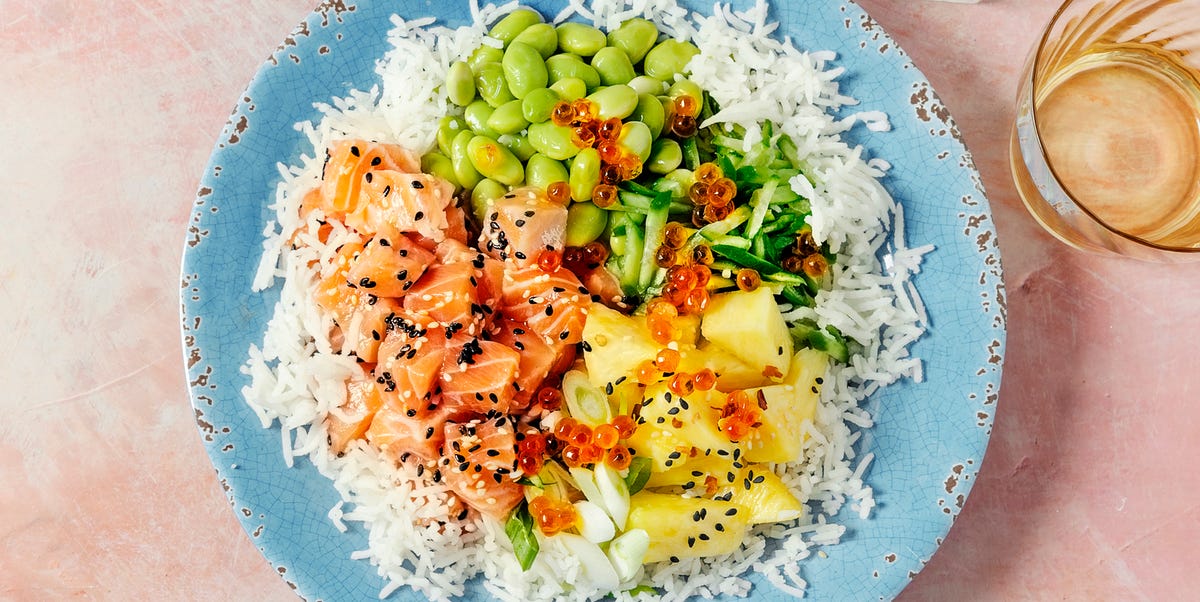
Salmon is the overachiever of the seafood aisle, and honestly, it has earned the reputation. It is rich in omega-3 fatty acids, high-quality protein, vitamin D, selenium, and B vitamins. It is also widely available fresh, frozen, smoked, or canned, which makes it easier to eat consistently.
Salmon is one of the best all-around choices for people who want heart-healthy fats without stepping into the higher-mercury zone. It works for busy families, meal preppers, and anyone who wants a fish that tastes good without needing a complicated recipe. Roast it, grill it, air-fry it, or flake canned salmon into salads and patties.
2. Sardines
Sardines are tiny, mighty, and criminally underrated. Because they are small and lower on the food chain, they tend to be lower in mercury than many larger fish. They also deliver a lot of omega-3s, protein, calcium, vitamin D, and vitamin B12, especially when you eat the soft edible bones.
Yes, sardines have a bold personality. No, that is not a bad thing. Mash them on toast with lemon and herbs, toss them into pasta, or layer them into a grain bowl. They are a pantry-friendly option for anyone who wants nutrition without relying on fresh seafood every time.
3. Trout
Trout, especially freshwater trout, is one of the most balanced choices in the seafood world. It is rich in omega-3s, protein, and vitamin D, and it is often a lower-mercury option. The flavor is milder than some stronger oily fish, which makes it a good gateway fish for people who are still building confidence with seafood.
Trout cooks quickly and pairs well with simple flavors like lemon, garlic, dill, butter, and black pepper. It feels fancy on the plate but behaves like a weeknight dinner.
4. Herring
Herring is another oily fish that punches above its weight nutritionally. It is loaded with omega-3 fats and also provides protein, vitamin D, selenium, and B12. Because it is a smaller fish, it tends to be a safer regular option than some larger ocean species.
Pickled herring is the classic version many people know, but grilled, baked, or canned herring can also be excellent. If salmon is the celebrity, herring is the highly competent character actor who secretly carries the whole movie.
5. Anchovies
Anchovies are not just pizza cameos. These little fish are rich in omega-3s, protein, and minerals, and they are usually low in mercury because they are small and short-lived. A little goes a long way, which is useful both nutritionally and financially.
When used well, anchovies do not make everything taste fishy. They melt into sauces, dressings, and sautés and add a deep savory flavor. They are a smart choice for people who want the nutritional benefits of seafood in smaller amounts spread across meals.
6. Atlantic Mackerel
Atlantic mackerel is one of the best fish for omega-3 content, and it also offers protein, selenium, and vitamin B12. The key word here is Atlantic. That matters because king mackerel is a high-mercury fish that is not a good regular choice.
Atlantic mackerel has a rich flavor and a satisfying texture. If you enjoy salmon or sardines, there is a good chance you will like this too. It is especially good grilled or broiled with acidic ingredients like lemon, mustard, or vinegar-based slaws that cut through the richness.
7. Canned Light Tuna
Tuna is where people often get confused, and fair enough. The smarter everyday choice is generally canned light tuna, which is typically lower in mercury than albacore or bigeye tuna. It is convenient, high in protein, affordable, and versatile enough for sandwiches, wraps, pasta, and rice bowls.
If you want tuna on repeat, canned light is usually the more practical option. It gives you the seafood habit without pushing you toward the heavier mercury concerns associated with some other tuna varieties.
8. Pollock
Pollock is one of the most practical healthy fish you can buy. It is lean, mild, high in protein, and generally a lower-mercury choice. It is not as rich in omega-3s as salmon or sardines, but it still earns its place because healthy eating is not only about one nutrient. Sometimes the best fish is the one you will actually cook on a Tuesday.
Pollock is great for fish tacos, baked fillets, fish sandwiches, and sheet-pan dinners. If you like a clean, mild flavor, this is one of the easiest wins in the seafood case.
9. Cod
Cod is another mild white fish that is easy to cook and easy to like. It is lean, high in protein, and lower in mercury than many large predatory fish. While it is not as fatty as salmon, it still fits beautifully into a healthy diet, especially for people who prefer a lighter fish texture.
Cod works well baked, broiled, poached, or folded into soups and stews. It is the kind of fish that does not demand attention, and that is part of its charm.
10. Haddock
Haddock is a close cousin to cod in both flavor and flexibility. It is lean, protein-rich, and generally a lower-mercury option. It has a slightly sweet, delicate flavor that makes it appealing to kids and adults who do not want a fish that tastes like it recently won a swimming contest.
Use haddock in chowders, oven-baked dinners, or lighter fish sandwiches. It takes well to herbs, breadcrumbs, and simple pan sauces.
11. Whitefish
Whitefish is a broad category, but many whitefish options are nutritious, mild, and relatively easy to fit into a balanced diet. They provide lean protein, selenium, and B vitamins, and some varieties offer useful omega-3s too. Whitefish can be especially appealing for people who want seafood without a strong fish flavor.
Smoked whitefish can be delicious in spreads and dips, while fresh whitefish works beautifully baked or pan-seared. It is a versatile choice that deserves more attention than it usually gets.
12. Sole
Sole is delicate, tender, and low in fat while still offering quality protein and helpful minerals. It is a lower-mercury option and one of the gentlest fish in flavor and texture, making it ideal for people who are seafood-curious but seafood-cautious.
Because sole is thin, it cooks fast. A little butter, lemon, parsley, and a hot pan can take it from grocery bag to dinner plate in what feels like a suspiciously short amount of time.
13. Flounder
Flounder is another mild, lower-mercury fish that fits well into a heart-conscious eating pattern. It is lean, protein-rich, and light enough for people who want seafood that feels clean and simple rather than rich and heavy.
Flounder shines when baked with citrus, breadcrumbs, or a light olive oil drizzle. It is not flashy, but it is reliable, and reliable has fed a lot of happy people.
14. Tilapia
Tilapia sometimes gets dragged into nutrition debates, but it still has real value. It is a lean source of protein, lower in mercury, widely available, and usually budget-friendly. It does not bring the omega-3 punch of oily fish, but it can absolutely be part of a healthy meal when cooked well and paired with vegetables, beans, whole grains, or healthy fats.
Think of tilapia as the blank canvas of the fish world. It works with tacos, curries, baked dishes, and skillet meals, especially when you want a mild flavor that lets sauces and spices do the talking.
15. Catfish
Catfish, especially responsibly farmed options, can be a smart seafood choice. It is high in protein, generally lower in mercury, and often more affordable than premium fish. While it is not the king of omega-3s, it still earns a place on the list because healthy eating is also about accessibility and consistency.
Catfish has a slightly sweet, mild flavor and holds up well to baking, grilling, and seasoning blends. It is especially useful for people who want seafood that feels hearty and familiar.
How to Choose Safe Seafood Without Overthinking It
The safest seafood habits are usually the simplest ones:
- Choose a variety of lower-mercury fish instead of eating the same fish every week.
- Favor smaller oily fish like sardines, anchovies, and herring when you want the most omega-3s for the least drama.
- Pick canned light tuna more often than albacore if you eat tuna regularly.
- Be specific with mackerel: Atlantic mackerel is a good choice, while king mackerel is not.
- Use baking, broiling, grilling, steaming, or air-frying more often than deep-frying.
- Check sustainability guides when possible, because healthy seafood should be a good choice for both people and oceans.
It also helps to remember which fish are commonly flagged as higher-mercury choices. In general, shark, swordfish, marlin, orange roughy, king mackerel, Gulf tilefish, and bigeye tuna are fish to limit or avoid, especially for children and people who are pregnant, breastfeeding, or may become pregnant.
Who Should Be Extra Careful?
Pregnant women, breastfeeding mothers, young children, and anyone planning a pregnancy should be especially mindful of fish choice and portion size. That does not mean avoiding seafood altogether. In fact, lower-mercury seafood can be a very smart part of a healthy diet. The goal is not fear; the goal is choosing wisely.
For most healthy adults, seafood a couple of times a week is a strong move. For more sensitive groups, the best path is focusing on lower-mercury fish and rotating choices instead of relying heavily on one species. In other words, let salmon, trout, sardines, pollock, and similar options do the heavy lifting.
What People Often Experience When They Switch to Healthier Fish
One of the most common experiences people have when they start eating healthier fish is realizing that seafood was never really the problem. The problem was usually bad seafood habits. Maybe fish only showed up in the form of greasy takeout, anonymous frozen fillets, or a sad office tuna sandwich that smelled like regret. Once people start choosing better fish and cooking it in simpler ways, the whole category feels different.
A lot of first-time “healthy fish people” begin with salmon because it feels familiar and forgiving. It is rich enough to stay moist, flavorful enough to stand on its own, and easy enough to cook that even a beginner can pull off a respectable dinner. That first success matters. It changes seafood from a once-in-a-while risk into a real weekly option.
Then comes the second wave of experience: sticker shock. This is usually the point where people discover canned sardines, canned salmon, canned light tuna, frozen trout, or budget-friendly pollock. Suddenly, eating more seafood does not feel like an upscale hobby. It feels practical. People learn that healthy fish does not have to be a restaurant event with a linen napkin and a dramatic lemon wedge. Sometimes it is just a pantry meal that quietly saves the day.
Another common experience is taste recalibration. People who think they “do not like fish” often discover that what they actually dislike is overly fishy flavor, bad texture, or overcooking. Mild choices like cod, haddock, flounder, sole, and tilapia tend to convert skeptics because they are clean-tasting and approachable. On the other side, adventurous eaters often discover that stronger fish like sardines, anchovies, and herring are not weird at all once they are used properly. They are just bold, savory, and deeply satisfying.
Many shoppers also become more label-aware over time. They start noticing the difference between canned light tuna and albacore, Atlantic mackerel and king mackerel, or fresh wild salmon and whatever mystery fillet is sitting under fluorescent lights looking like it has seen some things. That awareness usually leads to better decisions, less confusion, and a little more confidence at the fish counter.
There is also a real-life convenience factor. Healthy fish can be faster than chicken, easier than beef, and far less messy than people expect. A sheet pan, a little olive oil, salt, pepper, garlic, and lemon can handle a surprising amount of seafood. Once people realize that fish can be cooked in under 15 minutes, it often becomes the emergency dinner that still feels healthy instead of the emergency dinner that comes in a crinkly bag from a drive-thru window.
Perhaps the most useful experience is learning variety. People stop chasing one “perfect fish” and start building a rotation: salmon one week, canned light tuna for lunch, trout or cod the next, sardines when they want a nutritional powerhouse, pollock when they want something mild and inexpensive. That rotation is usually what makes the habit stick. Healthy eating rarely depends on one heroic food. It works better when several good choices keep showing up, over and over, like dependable friends who also happen to contain omega-3s.
Final Thoughts
If you want the healthiest fish to eat, do not get distracted by hype. The best seafood choices are usually the ones that balance nutrition, safety, flavor, and real-life convenience. Salmon, sardines, trout, herring, anchovies, Atlantic mackerel, canned light tuna, pollock, cod, haddock, whitefish, sole, flounder, tilapia, and catfish all bring something valuable to the table.
The big picture is simple: choose lower-mercury fish more often, eat a variety, cook it in healthy ways, and let seafood become a regular part of your routine instead of a nutrition puzzle. Your heart, brain, and dinner plans will all be happier for it.











