
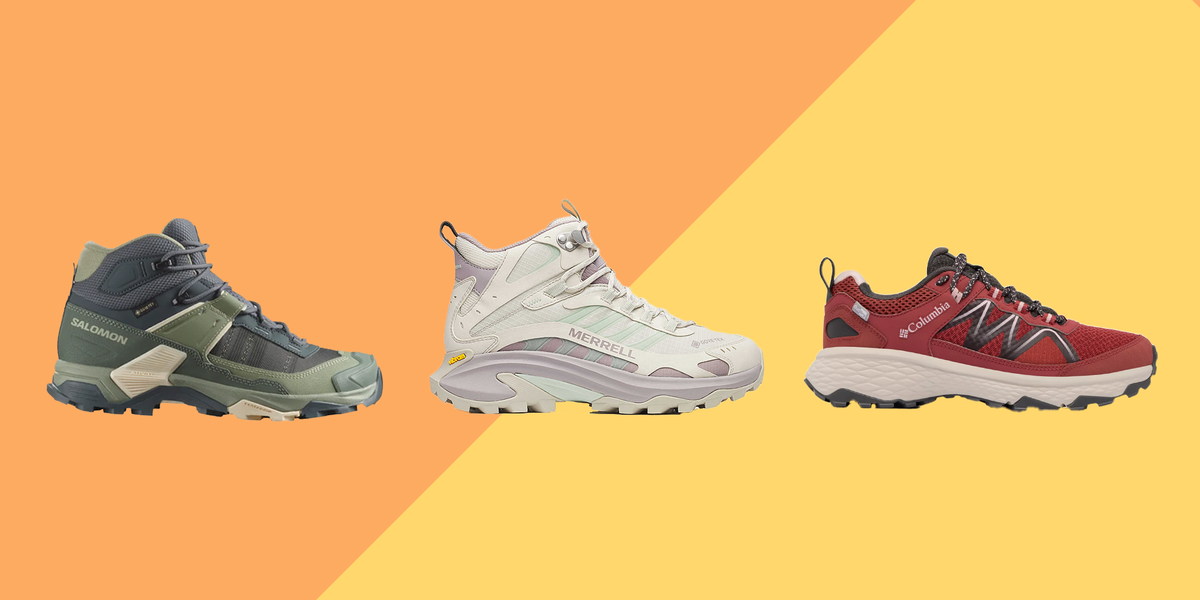
The best walking boots and shoes for women should make the trail feel adventurousnot like an extended negotiation with your toes. Whether you are tackling rocky switchbacks, muddy woodland paths, or a long weekend trek with a loaded backpack, footwear affects comfort, traction, stability, and how enthusiastically you greet the final mile.
This guide synthesizes current trail tests and long-term reviews from experienced hikers, backpackers, and outdoor-gear specialists. The selected models were assessed for grip, cushioning, support, weather protection, fit, durability, and real-world usefulness. Because feet are wonderfully uncooperative little individuals, there is no universal winner. The best hiking footwear is the pair that matches your foot shape, terrain, pack weight, and preferred level of cushioning.
Best women’s walking boots and shoes at a glance
| Model | Best for | Style |
|---|---|---|
| Salomon X Ultra 5 Mid GORE-TEX | Best overall | Waterproof mid boot |
| Merrell Moab 3 Mid Waterproof | Best value | Waterproof mid boot |
| La Sportiva Ultra Raptor 3 Mid GTX | Technical terrain | Lightweight mid boot |
| LOWA Renegade EVO GTX Mid | Support and stability | Traditional boot |
| HOKA Kaha 3 GTX | Maximum cushioning | Plush backpacking boot |
| Oboz Bridger Mid Waterproof | Heavy packs | Supportive boot |
| KEEN Targhee IV Waterproof | Wide feet | Roomy hiking boot |
| Topo Athletic Trailventure 2 WP | Natural toe space | Lightweight mid boot |
| La Sportiva Spire GTX | Best technical shoe | Waterproof low shoe |
| Salomon X Ultra 5 GTX | Fast day hikes | Waterproof low shoe |
| Merrell Moab Speed 2 GTX | Athletic comfort | Light hiking shoe |
| Adidas Terrex Free Hiker 2 Low GTX | Travel and easy trails | Cushioned low shoe |
| Salomon XA Pro 3D V9 GORE-TEX | Mixed terrain | Trail shoe |
| Danner Mountain 600 EVO | Leather durability | Leather hiking boot |
14 best walking boots and shoes for women
1. Salomon X Ultra 5 Mid GORE-TEX Best overall
The Salomon X Ultra 5 Mid GORE-TEX sits in the useful middle ground between a nimble hiking shoe and a protective boot. It feels comparatively agile on maintained trails but supplies enough lateral stability for uneven ground, loose descents, and moderate backpacking loads. Its grippy outsole performs confidently on dirt, rock, and damp surfaces, while the waterproof membrane helps during stream crossings and soggy mornings.
The fit is secure through the heel and midfoot. Women with broad forefeet should try the wide version or compare it with a roomier KEEN or Topo model. For most day hikers, however, this is the strongest all-around combination of grip, protection, weight, and comfort.
2. Merrell Moab 3 Mid Waterproof Best value
The Merrell Moab 3 Mid Waterproof is the sensible friend who arrives prepared, brings snacks, and never makes a dramatic speech about it. Its leather-and-mesh upper, cushioned footbed, protective toe cap, and dependable Vibram outsole make it suitable for day hikes, weekend walks, and light backpacking.
It has a more accommodating fit than many technical European boots and requires relatively little break-in time. The trade-off is a slightly bulkier, less precise sensation on steep rock. It is also warmer than a ventilated hiking shoe. Nevertheless, its comfort, availability, and reasonable price make the Moab 3 one of the safest recommendations for new hikers.
3. La Sportiva Ultra Raptor 3 Mid GTX Best for technical terrain
Derived from a mountain-running design, the La Sportiva Ultra Raptor 3 Mid GTX combines energetic movement with serious trail protection. Aggressive traction, a supportive platform, and a reinforced upper make it particularly capable on rocky climbs, rough descents, and irregular mountain paths.
The close-fitting upper helps prevent unwanted movement when traversing slopes. That precision can feel restrictive to hikers with wide feet, so trying it on with hiking socks is essential. For narrow-to-average feet and demanding terrain, it delivers the confidence of a boot without turning every step into leg day at the gym.
4. LOWA Renegade EVO GTX Mid Best for support
The LOWA Renegade EVO GTX Mid is built for hikers who value structure over slipper-like softness. Its supportive chassis, stable base, and protective upper help control foot movement on rocky paths and when carrying a multiday pack. The boot feels substantial without entering full mountaineering territory.
It benefits from gradual breaking in and costs more than an entry-level boot. In return, hikers get durable construction, reliable waterproofing, and a secure platform that remains composed when the trail becomes awkward. It is an excellent choice for long-distance walkers who dislike overly flexible footwear.
5. HOKA Kaha 3 GTX Best maximum-cushion boot
The HOKA Kaha 3 GTX brings the brand’s famously generous cushioning to long-haul hiking. A dual-density sugarcane EVA midsole softens repeated impacts, while a wide platform adds stability. GORE-TEX Invisible Fit construction supplies weather protection without making the upper feel unnecessarily bulky.
A Vibram Megagrip outsole with traction lugs handles loose and rugged terrain, and the protective toe cap is useful on rocky descents. The ride is plush rather than highly sensitive, so hikers who like feeling every contour underfoot may prefer La Sportiva. For hard trails, tired joints, and long walking days, the Kaha is a luxurious trail companion.
6. Oboz Bridger Mid Waterproof Best for heavy packs
The Oboz Bridger Mid Waterproof favors firm support, underfoot protection, and a locked-in heel. Its structured midsole and supportive insole are particularly valuable when carrying camping equipment or moving over sharp, uneven ground.
This boot is stiffer and heavier than a trail-inspired model, and its waterproof construction can run warm in summer. It rewards patient break-in with dependable control and durability. Wide sizing also makes it more accessible than some narrow technical boots. Choose it when backpack stability matters more than winning an imaginary trailhead fashion show.
7. KEEN Targhee IV Waterproof Best for wide feet
KEEN’s Targhee IV Waterproof is a strong candidate for women who routinely feel squeezed across the toes. Its generous forefoot allows natural toe movement, while the substantial toe bumper protects against roots and rocks that appear determined to introduce themselves personally.
The waterproof upper and grippy outsole suit damp forests, mixed trails, and everyday outdoor use. The fit may feel too spacious for narrow feet, especially during steep descents. For wider feet, bunion-sensitive hikers, or anyone who values toe freedom, however, the Targhee IV provides comfort that many sleek mountain shoes cannot match.
8. Topo Athletic Trailventure 2 WP Best anatomical fit
The Topo Athletic Trailventure 2 WP combines a roomy, foot-shaped toe box with a secure heel and moderate heel-to-toe drop. This arrangement lets the toes spread without allowing the whole foot to slide around. Its cushioned midsole and grippy outsole work well for fast hiking, lightweight backpacking, and long days on rolling terrain.
It is less rigid than a conventional backpacking boot, so hikers carrying very heavy loads may want more structure. Those transitioning from conventional footwear should also increase mileage gradually. For natural movement without fully committing to zero-drop shoes, the Trailventure hits a practical sweet spot.
9. La Sportiva Spire GTX Best technical hiking shoe
The La Sportiva Spire GTX offers boot-like stability in a low-cut package. It combines a supportive chassis, waterproof protection, breathable upper construction, and sticky traction suited to rocky trails. The low collar improves mobility and reduces weight, making the shoe appealing to hikers who move quickly but still want more protection than a trail runner provides.
Its fit is typically precise and relatively narrow. On the right foot, that creates excellent control; on a wide foot, it can feel like a handshake that lasts several seconds too long. It is best for technical day hikes and lightweight trips.
10. Salomon X Ultra 5 GTX Best for fast day hikes
The low-cut Salomon X Ultra 5 GTX retains much of the traction and stability of the mid version while offering greater ankle freedom. It is comfortable for fast day hiking, travel, and mixed walking routes where pavement may occasionally interrupt the dirt.
The secure fit is especially helpful on descents, and its waterproof membrane protects against wet grass, shallow puddles, and passing showers. Like most waterproof shoes, it sacrifices some ventilation. Hikers in consistently hot, dry climates may be happier with a non-waterproof model, which will breathe and dry more quickly.
11. Merrell Moab Speed 2 GTX Best athletic hiking shoe
The Merrell Moab Speed 2 GTX feels livelier than the traditional Moab. Its athletic shape, cushioned midsole, and flexible stride suit hikers who prefer running-shoe comfort but want trail-ready traction and protection. It works especially well for maintained paths, quick weekend hikes, and active vacations.
Although supportive for its weight, it is not as planted as a LOWA Renegade or Oboz Bridger under a heavy pack. Think of it as a capable crossover: faster and more forgiving than a traditional boot, yet tougher than an ordinary walking sneaker.
12. Adidas Terrex Free Hiker 2 Low GTX Best for travel
The Adidas Terrex Free Hiker 2 Low GTX blends modern sneaker styling with genuine hiking features. Its responsive cushioning makes hard-packed trails and long sightseeing days feel less punishing, while the grippy outsole supplies useful traction beyond the sidewalk.
The soft ride and flexible upper make it easy to wear straight from the box. It is not the first choice for carrying heavy packs through sharp, off-camber terrain, but it excels as a travel-friendly shoe that can handle national park paths in the morning and dinner in town afterwardpreferably after removing the mud.
13. Salomon XA Pro 3D V9 GORE-TEX Best for mixed terrain
The Salomon XA Pro 3D V9 GORE-TEX is a durable trail shoe with a stable chassis, protective toe area, and quick-adjust lacing. It feels more controlled than a soft trail runner, particularly when descending loose paths or stepping across uneven rocks.
Its waterproof construction and close heel hold make it a useful all-weather option for hiking, travel, and occasional trail running. Some walkers may find the underfoot feel firmer than heavily cushioned alternatives. Hikers who prioritize stability, precision, and versatility are likely to appreciate that firmness rather than complain to the nearest squirrel.
14. Danner Mountain 600 EVO Best leather walking boot
The Danner Mountain 600 EVO combines traditional full-grain leather with modern cushioning, waterproof GORE-TEX protection, and a grippy Vibram outsole. It looks refined enough for travel while retaining the protection needed for muddy paths, rocky trails, and changeable weather.
Leather adds durability and weather resistance but also increases weight and warmth. Regular cleaning and appropriate leather care will help preserve the upper. This is a particularly attractive option for hikers who want one durable boot for trails, outdoor weekends, and casual cold-weather wear.
How to choose women’s walking boots or hiking shoes
Match the footwear to the terrain
Low hiking shoes are usually sufficient for maintained paths, day hikes, and light packs. Mid-cut boots provide more protection from rocks, mud, and trail debris. Stiffer backpacking boots are useful on rugged terrain or when a heavy pack requires greater underfoot support.
Prioritize fit over reviews
A well-reviewed boot is still the wrong boot if your heel lifts or your toes touch the front. Shop later in the day, when feet are slightly swollen, and wear the socks you intend to hike in. Aim for secure heel retention, comfortable midfoot contact, and enough forefoot room to wiggle your toes. Walk down an incline to check that your toes do not strike the end.
Decide whether waterproofing helps
Waterproof hiking boots are useful in wet grass, shallow mud, cool rain, and shoulder-season conditions. However, waterproof membranes reduce ventilation and take longer to dry once water enters over the collar. Breathable, non-waterproof shoes often make more sense in hot climates or on routes with repeated deep stream crossings.
Consider cushioning and heel-to-toe drop
Plush midsoles reduce impact during long days, but extremely soft footwear can feel unstable on technical ground. Firmer shoes offer better trail feedback and edging control. Hikers moving to low-drop or zero-drop footwear should transition gradually because the change can place additional demand on the calves and Achilles tendons.
Trail experiences that reveal whether hiking footwear really works
A five-minute walk around a store can expose an obvious pressure point, but the trail reveals the more interesting truths. One recurring experience among hikers is that footwear often feels perfect while climbing and suddenly becomes problematic during the descent. Gravity pushes the foot forward, toes contact the front, and a minor sizing error turns into sore nails. Testing new boots on a local route with a sustained downhill section is therefore more useful than simply wearing them while making coffee at home.
Wet conditions produce another valuable lesson: waterproof does not mean climate-controlled. A GORE-TEX boot can keep out morning dew and shallow puddles, yet the same membrane may trap warmth during an exposed afternoon climb. Hikers whose feet perspire heavily often prefer breathable mesh shoes in summer, accepting wet feet in exchange for faster drying. In cold rain, the calculation changes quickly. Dry socks suddenly become more emotionally significant than many major life achievements.
Loose gravel demonstrates the difference between dramatic-looking tread and genuinely useful traction. Deep lugs help on mud and soft soil, while sticky rubber compounds improve confidence on rock. Yet grip also depends on how securely the shoe holds the foot. If the heel lifts or the forefoot slides inside the shoe, even an excellent outsole cannot create precise control. This is why fit and lacing deserve as much attention as rubber technology.
Long mileage exposes cushioning characteristics that short tests miss. A very firm boot may feel harsh during the first hour but remain stable late in the day. A plush shoe can feel delightful immediately, although some hikers notice more side-to-side movement when fatigue sets in. Neither experience makes one design universally superior. The ideal balance depends on body mechanics, trail difficulty, pack weight, and whether the wearer prefers ground feedback or impact absorption.
Backpack weight also changes how footwear behaves. Lightweight shoes that feel perfectly supportive with water and a jacket may flex excessively beneath camping gear and several days of food. Conversely, wearing a heavy backpacking boot for a flat three-mile walk can waste energy and make the outing feel strangely ceremonial. Test footwear with the approximate load you plan to carry.
Finally, experienced hikers rarely take brand-new boots directly onto a major trip. They start indoors, progress to neighborhood walks, and then complete several short hikes. During this period, alternative lacing patterns can address heel lift or pressure across the top of the foot. Insoles and sock combinations can also be evaluated without risking a blister five miles from the trailhead. Break-in cannot rescue fundamentally poor fit, but a gradual trial period can distinguish normal stiffness from a boot that is simply plotting against you.
Conclusion
The Salomon X Ultra 5 Mid GORE-TEX is the most versatile choice for many women, while the Merrell Moab 3 Mid Waterproof provides excellent value and an accommodating fit. Technical hikers should consider the La Sportiva Ultra Raptor 3 Mid GTX or Spire GTX. Women wanting maximum cushioning may prefer the HOKA Kaha 3 GTX, while wide-footed hikers should begin with the KEEN Targhee IV or Topo Trailventure 2.
Whichever model you choose, treat fit as the final judge. Try both shoes, use your hiking socks, test an incline, and leave enough room for feet to swell. Trails are already full of rocks, roots, weather, and questionable shortcuts. Your footwear does not need to contribute another surprise.
Note: Footwear specifications, colors, pricing, and availability can change. Confirm the current model details and try shoes in person whenever possible, particularly if you use orthotics or have persistent foot pain.












