
Serving at Mass is not just “wear a robe, walk slowly, try not to trip.” It is a real ministry in the Catholic Church, one rooted in prayer, attention, and a quiet kind of leadership. Altar servers help the liturgy unfold with grace and reverence. They carry the cross and candles, assist the priest and deacon, prepare items for the altar, and help the congregation pray without turning themselves into the main event. In other words, an altar server is important precisely because the role is about service, not spotlight.
If you want to become an altar server in the Catholic Church, the good news is that the path is usually very practical. Most parishes look for baptized Catholics who have received First Communion, are mature enough to serve reverently, and are willing to be trained. After that, it becomes a mix of learning the parts of the Mass, understanding what to do with sacred items, moving with confidence, and showing up with the kind of calm focus that says, “Yes, I know where the Roman Missal goes, and no, I will not accidentally launch the lavabo bowl into orbit.”
This guide breaks down 12 practical ways to become a strong altar server. It is written for beginners, parents, parish leaders, and anyone who wants a clearer picture of what altar serving actually involves in real parish life.
What an Altar Server Does
Before getting into the 12 ways, it helps to understand the job. An altar server assists the priest and deacon during Mass and other liturgical celebrations so the liturgy can be carried out with dignity, order, and reverence. Depending on the parish, servers may carry the processional cross, hold candles, bring the Roman Missal to the priest, prepare the altar, assist at the presentation of the gifts, bring water and wine, help with the priest’s handwashing, ring bells at key moments, and help clear the altar after Communion.
That sounds like a lot because, well, it is. But the role is not about memorizing a thousand random tasks. It is about learning a pattern of prayerful service. Once you understand the rhythm of the Mass, altar serving starts to make sense very quickly.
1. Start by Understanding That Altar Serving Is a Ministry, Not a Performance
The first way to be an altar server is to get the attitude right. Altar serving is a ministry of service. That means your goal is not to look important, invent your own dramatic choreography, or swing a candle like you are auditioning for a medieval action movie. Your job is to help the liturgy happen beautifully and reverently.
The best servers understand that they are part of the praying assembly even while carrying out special responsibilities. They sing, respond, kneel, stand, sit, and listen with everyone else. Good altar servers are active participants in the Mass, not silent statues waiting for their next cue.
2. Check Your Parish Requirements Before You Volunteer
If you want to become an altar server in the Catholic Church, start locally. Every parish follows the Church’s liturgical norms, but practical details can differ. Some parishes begin training around fifth grade. Others invite children once they have made First Communion and are mature enough to serve well. Some parishes also welcome older teens and adults, especially for funerals, weddings, Holy Week, and daily Mass.
The fastest way to get started is to ask the parish office, priest, deacon, or liturgy coordinator about eligibility, training sessions, dress expectations, and scheduling. This matters because altar serving is not one-size-fits-all. Your parish may use two servers, four servers, bells, incense, or no bells at all. Knowing the local routine saves confusion later.
3. Learn the Mass Before You Learn the Movements
One of the smartest ways to be a good altar server is to learn the structure of the Mass itself. If you know the difference between the Introductory Rites, the Liturgy of the Word, the Preparation of the Gifts, the Eucharistic Prayer, Communion, and the Concluding Rites, your responsibilities will stop feeling random.
This is the difference between memorizing isolated steps and actually understanding why you are doing something. For example, you do not just walk up with water and a towel because somebody pointed at you. You assist with the priest’s handwashing during the preparation of the altar and gifts. You do not just ring the bells because bells are fun and loud. You ring them, if your parish uses them, at solemn moments that help draw attention to what is happening at the altar.
When you understand the Mass, you become calmer, faster, and much harder to rattle.
4. Get Trained on the Sacred Objects and Their Names
Another essential step is learning what everything is called. An altar server should know the names and basic uses of common liturgical items such as the Roman Missal, chalice, paten, ciborium, cruets, lavabo bowl, towel, corporal, purificator, thurible, incense boat, processional cross, and candles.
This matters more than people think. If a priest or sacristan says, “Please bring the cruets to the credence table,” and you return holding the Roman Missal like a confused but determined intern, the moment gets awkward fast. Training gives you fluency. Once you know the tools, you stop second-guessing yourself and start serving with confidence.
5. Arrive Early and Prepare Like You Mean It
Reliable altar servers do not arrive during the opening hymn looking surprised that Mass has started. They come early. In many U.S. parishes, that means at least 10 to 15 minutes before Mass, sometimes more on major feasts or when incense is used.
Use that time well. Check in, vest, review your role, make sure the candles, books, and vessels are where they need to be, and ask questions before the liturgy begins. Arriving early also gives you a moment to settle down spiritually. Say a short prayer. Take a breath. Stop thinking about homework, soccer practice, or whatever chaos the morning delivered. The sanctuary is not the place to be mentally buffering.
6. Dress Neatly and Wear the Vesture Properly
Altar servers should be appropriately dressed and properly vested. In many parishes that means an alb, sometimes with a cincture. In others, there may be a cassock and surplice or other approved attire. Underneath, clothing should be neat, modest, and not distracting. Think “ready for church,” not “I rolled out of the back seat three minutes ago.”
Shoes should be clean and practical. Hair should be tidy. Phones should be out of pockets and out of the equation. Even when the congregation does not notice the details consciously, neat appearance helps support the reverence of the liturgy. It also communicates that serving is something worth taking seriously.
7. Practice Posture, Reverence, and Movement
Good altar servers move with intention. They stand straight, sit attentively, keep their hands properly placed, and walk at a measured pace. They bow when appropriate, kneel when appropriate, and avoid fidgeting, whispering, staring into space, or turning the sanctuary into a foot-tapping waiting room.
This is where small habits matter. Hold your hands in a prayerful way when you are not carrying something. Watch the action of the Mass. Follow cues. Do not rush, but do not drift either. A server who moves too fast looks frantic; a server who moves too slowly looks like time has given up. Reverence usually lives in the middle: calm, attentive, and deliberate.
8. Learn the Book, Cross, Candles, and Incense Duties
Some of the most visible altar server tasks involve carrying or holding important liturgical items. You may hold the Roman Missal for the priest when he prays from the chair, carry the processional cross during the entrance and recessional, accompany the cross with candles, or assist with incense if your parish uses a thurible.
These duties are simple once practiced, but they benefit from repetition. Hold the book high enough and steady enough that the priest can read without doing a neck workout. Carry the cross upright. Keep candles level. If incense is involved, take extra care and follow parish training closely. Nothing says “memorable liturgy” quite like accidentally creating a smoke signal to the parking lot.
9. Know How to Assist at the Preparation of the Gifts
This is one of the most practical parts of altar serving. During the preparation of the gifts, servers may help prepare the altar, bring the chalice and other items forward, assist the priest or deacon in receiving the bread and wine, and bring the water, bowl, and towel for the washing of hands.
If there is no deacon, servers may have more to do. In many parishes, this is the moment when training really pays off because there are several actions happening in sequence. The best servers learn the flow: bring what is needed, stand where you should, hand items over cleanly, step away without traffic jams, and stay alert for what comes next.
This part of Mass is a great example of altar serving at its best: quiet teamwork that keeps everything moving smoothly.
10. Pray the Mass While You Serve It
One of the most overlooked ways to be an altar server in the Catholic Church is to remember that you are there to pray. Servers are expected to respond to the prayers and dialogues of the Mass, join in singing, keep silence when appropriate, and receive Holy Communion reverently when they serve.
In other words, do not become a highly efficient liturgical robot. A server who knows every task but never prays is missing the heart of the ministry. Your first responsibility is not just doing things correctly. It is worshiping God while doing them. That is why the strongest servers are often the ones who seem peaceful. They are not merely following instructions; they are participating in the liturgy with their whole attention.
11. Understand Your Limits and Follow the Church’s Norms
Altar servers assist in many ways, but they do not improvise extra responsibilities. A server should follow the parish’s training and the Church’s norms. For example, altar servers do not distribute Holy Communion unless they have separately been mandated for that ministry according to diocesan policy.
This point matters because reverence includes obedience. Good servers do not freelance. They do not invent gestures, take over roles meant for other ministers, or assume that confidence equals permission. In liturgy, clarity is charitable. Staying within your role protects the order and dignity of the Mass.
12. Stay Consistent, Teachable, and Ready to Help After Mass
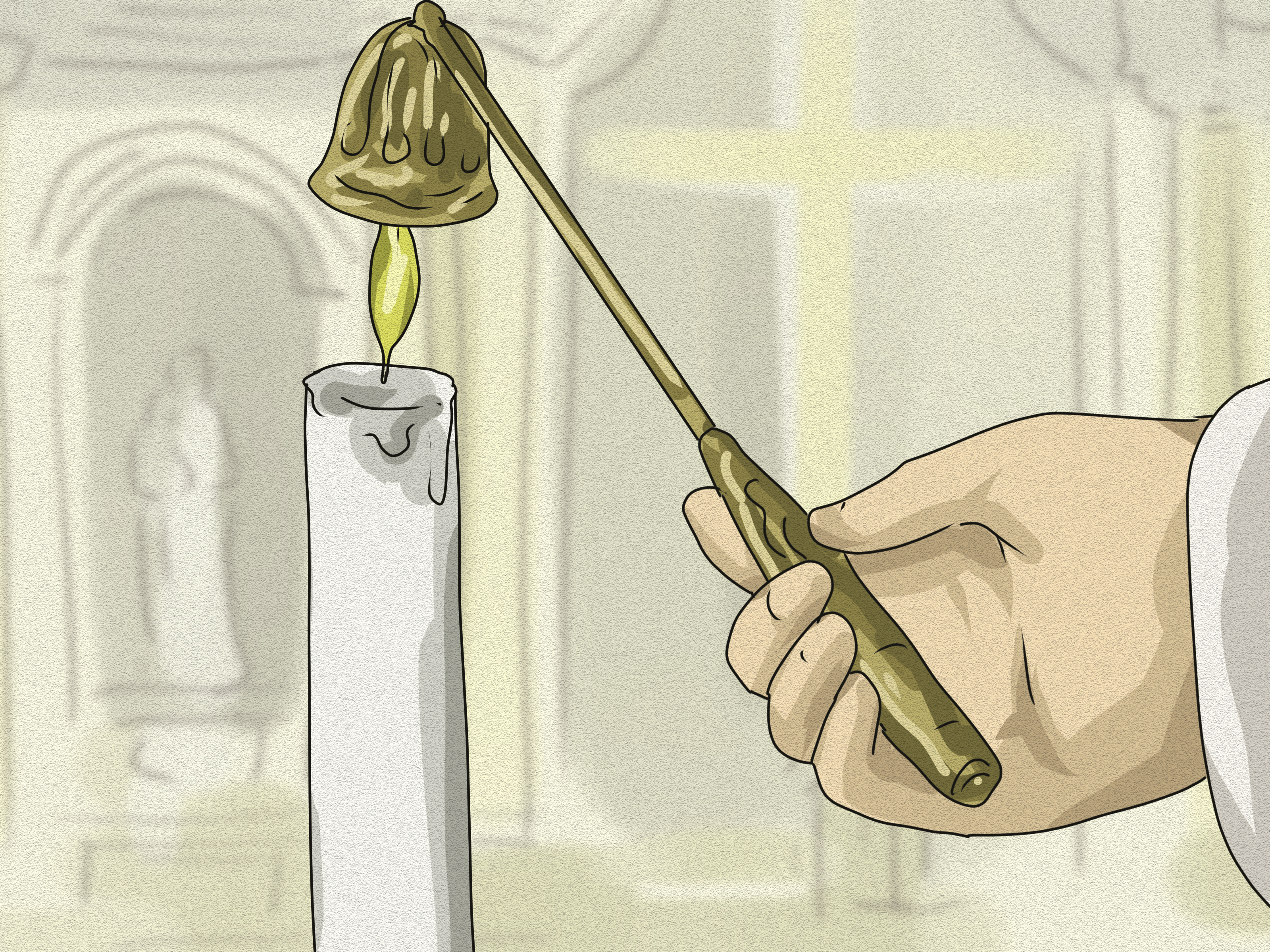
The final way to be a strong altar server is plain old dependability. Show up when scheduled. Find a substitute if you cannot serve. Listen when corrected. Ask questions when you are unsure. Help extinguish candles, return books or vessels, hang up vesture properly, and leave the sacristy better than you found it.
Consistency is what turns a beginner into a trusted server. Priests, sacristans, and fellow servers notice the people who are steady, teachable, and generous. You do not have to be perfect. You do need to be willing. A server who is humble enough to learn usually becomes excellent with time.
Common Mistakes New Altar Servers Should Avoid
Trying to memorize everything at once
Learn the rhythm of the Mass first, then the details. Confidence grows in layers.
Looking only at yourself instead of the liturgy
Watch the priest, deacon, and action of the Mass. The liturgy itself gives most of the cues you need.
Forgetting that reverence is visible
How you walk, stand, sit, bow, and listen says a lot. People can tell when a server is collected and prayerful.
Panicking after one mistake
Almost every altar server has had a first-day blunder. The key is to recover calmly and keep serving.
Why Altar Serving Matters
Altar serving helps a parish celebrate Mass with dignity, but it also shapes the server. It teaches responsibility, attention, teamwork, reverence, and love for the liturgy. Many servers say that once they began serving, they noticed the Mass in a deeper way. They started hearing the prayers more carefully, understanding the seasons of the Church more clearly, and recognizing that worship is something you enter with your whole self.
That makes altar serving more than a church activity. It becomes formation. It trains the mind, the body, and the soul. And in a world that rewards noise, speed, and self-promotion, there is something quietly powerful about learning how to serve well, pray well, and stand in the sanctuary without needing the spotlight.
Experiences Related to Being an Altar Server in the Catholic Church
For many altar servers, the first real experience is a blend of honor and panic. You are excited because serving at the altar feels important, and it is. But you are also trying to remember whether you are supposed to walk first, bow first, hold the candle higher, or simply avoid turning the entrance procession into interpretive dance. That nervousness is normal. In fact, it is almost a rite of passage.
Many servers remember their first Mass vividly. The alb feels a little too long. The church seems bigger than usual. The sanctuary steps suddenly look like mountain terrain. You become deeply aware that every movement matters. Even so, something begins to shift after the first few minutes. Once the prayers start and the familiar rhythm of the Mass takes over, the anxiety usually gives way to focus.
Another common experience is learning just how physical the ministry is. You are not running a marathon, but you are standing, walking, kneeling, turning, holding books, carrying candles, and paying attention almost constantly. New servers often discover that reverence is not vague or mystical. It is concrete. It lives in posture, timing, stillness, and small acts of care.
There is also the experience of teamwork. Good altar serving is rarely solo. You learn to move with other servers, priests, deacons, sacristans, and musicians. You start noticing how each person’s role supports the prayer of the whole congregation. That sense of shared purpose can be deeply satisfying. It teaches cooperation without requiring a group chat, a whiteboard, or seventeen reminder notifications.
Over time, altar servers often describe a change in how they experience Mass itself. You stop seeing the liturgy as something happening “up there” while you sit “back here.” You begin to understand the order of the rites, the meaning of the sacred objects, and the reason for moments of silence, prayer, and gesture. The Mass becomes more familiar, but also more profound.
Some of the most powerful experiences happen during special liturgies. Serving at Christmas, Easter, funerals, weddings, Holy Week, or confirmations often leaves a strong impression. These occasions are more complex, sometimes more intense, and often more beautiful. They can stretch a server’s skills, but they also deepen a server’s appreciation for the richness of Catholic worship.
Perhaps the biggest long-term experience is growth in confidence. A server who once worried about every step can become someone younger servers look up to. That transformation does not happen in a day. It happens through repetition, correction, humility, and grace. One Mass at a time, the awkward beginner becomes the calm, dependable server who knows where to stand, what to carry, and how to help others feel at ease.
That may be one of the hidden gifts of altar serving. It forms not only good liturgical habits but also strong personal ones: punctuality, attentiveness, discipline, and respect. For many Catholics, those lessons remain long after they stop serving regularly. The ministry stays with them because the experience was never just about tasks. It was about learning how to serve God well in public, with reverence, consistency, and heart.
Conclusion
If you want to be an altar server in the Catholic Church, the path is both simple and meaningful. Learn your parish’s expectations. Understand the Mass. Train carefully. Show up early. Dress neatly. Move reverently. Pray the prayers. Do the small things well. And keep learning. The ministry of altar serving is not about perfection on day one. It is about faithful service, offered with humility and attention, week after week.
When altar servers do their work well, they help the whole parish worship more peacefully. And when they embrace the role as a ministry instead of a performance, they usually discover something even better: serving at the altar changes the server, too.












