
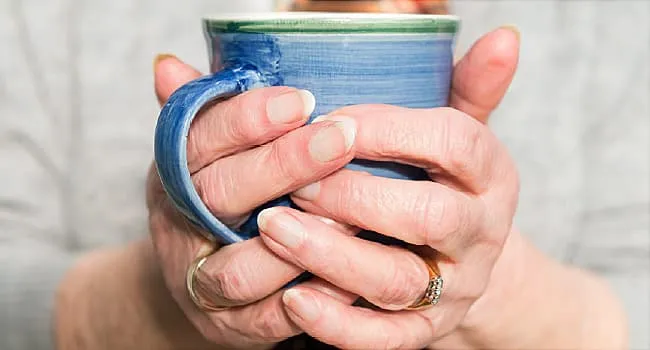
Your circulatory system is the body’s delivery network, carrying oxygen and nutrients to tissues while helping move waste products away. When blood flow is compromised, the signs can range from tired, heavy legs and swelling to pain with walking or wounds that are slow to heal. The tricky part is that the phrase poor circulation describes a symptom or concern, not a single disease.
Reduced circulation may involve narrowed arteries, problems with veins returning blood to the heart, prolonged inactivity, diabetes-related blood vessel damage, or, in some cases, a blood clot. Peripheral artery disease (PAD), for example, reduces blood flow to the legs and feet because arteries become narrowed or blocked. Venous problems, by contrast, may allow blood to pool in the legs.
The good news is that everyday habits can support healthy blood vessels and cardiovascular function. No, you do not need to perform interpretive dance beside your desk every houralthough technically that would get you moving. These 12 practical tips explain how to improve circulation while also protecting your heart, arteries, veins, and overall health.
How to Improve Blood Circulation: 12 Practical Tips
1. Make Walking a Daily Habit
If there is one circulation-friendly habit that deserves a permanent spot on your calendar, it is walking. When you walk, muscles in your legs repeatedly contract. This movement supports venous blood return and gives your cardiovascular system a regular physical challenge.
Federal physical activity guidance recommends that adults work toward at least 150 to 300 minutes of moderate-intensity aerobic activity each week, or 75 to 150 minutes of vigorous activity, along with muscle-strengthening exercise. Even smaller amounts of movement are useful when you are starting from a sedentary lifestyle.
Brisk walking is particularly important in vascular medicine. Structured walking exercise is a common part of treatment for people with PAD and can improve walking ability. If walking causes repeatable calf, thigh, or buttock pain that appears during exercise and improves with rest, however, do not simply decide your legs are being dramatic. That pattern can be associated with PAD and deserves medical evaluation.
2. Break Up Long Periods of Sitting
Your fancy ergonomic chair may love you, but your legs would appreciate some personal space.
Prolonged sitting can slow venous blood flow in the legs. This is one reason long periods of immobility are associated with blood clot concerns, particularly when other risk factors are present. The CDC recommends moving the legs frequently during long trips, exercising the calf muscles, and taking opportunities to stand, stretch, and walk.
At work, build movement into activities you already perform. Stand when making a phone call. Walk to refill your water. Take a brief lap after finishing a meeting. While seated, alternate between lifting your heels and lifting your toes.
The goal is not to achieve a perfect desk-exercise streak worthy of a trophy. It is simply to interrupt hours of stillness with frequent muscular movement.
3. Add Strength Training to Your Routine
Aerobic exercise gets much of the attention when people discuss blood flow, but strength training belongs in the conversation too. Exercises involving the calves, thighs, hips, and upper body create repeated muscle contractions while supporting overall physical and metabolic health.
Adults are generally advised to perform muscle-strengthening activities involving major muscle groups on at least two days each week.
You do not need to turn your garage into a professional weight room. Bodyweight squats, supported calf raises, resistance-band exercises, light dumbbells, and appropriately modified strength exercises can all count.
Start at a level that matches your health and fitness. Anyone with known cardiovascular disease, significant PAD, serious balance problems, or symptoms during exercise should discuss a safe program with a healthcare professional.
4. Stay Properly Hydrated
Water is not a magical artery-cleaning potion, despite what an enthusiastic social media video may imply. Still, adequate fluid balance is important for normal body function, and fluid and electrolyte balance helps maintain healthy blood volume and blood pressure. Dehydration can become medically serious when fluid losses are substantial.
Drink regularly based on thirst, activity, weather, and your individual medical needs. You may require more attention to fluids during hot weather or exercise.
More is not automatically better. People with certain kidney or heart conditions may receive specific fluid recommendations from their healthcare teams. If you have been told to restrict fluids, your prescription wins the argument over a generic wellness article.
A simple routine can help: keep water accessible, drink with meals, and pay attention to increased thirst during exercise or heat.
5. Stop Smoking and Avoid Tobacco Smoke
Few lifestyle changes protect blood vessels as meaningfully as quitting smoking.
Smoking can damage cells lining blood vessels, promote plaque buildup, contribute to narrowing of blood vessels, and make blood more likely to clot. Even secondhand smoke can interfere with normal cardiovascular function and damage blood vessel linings.
If you smoke, consider quitting a circulation strategy, a heart strategy, and a whole-body health strategy rolled into one. The CDC identifies smoking cessation as one of the most important actions a person who smokes can take to reduce cardiovascular disease risk.
Quitting can be difficult because nicotine dependence is real, not a character flaw. A healthcare professional can discuss counseling and evidence-based smoking cessation treatments with you.
6. Eat for Healthy Blood Vessels
There is no single “circulation superfood” that can undo years of vascular risk while wearing a tiny cape. Overall eating patterns matter more.
A DASH-style eating pattern emphasizes vegetables, fruits, whole grains, beans, nuts, fish, poultry, low-fat dairy, and healthier oils while limiting foods high in saturated fat and sodium. The NHLBI-supported DASH approach has strong evidence for lowering blood pressure, an important cardiovascular risk factor.
Current USDA evidence reviews also associate dietary patterns higher in vegetables, fruits, legumes, nuts, whole grains, and unsaturated fatsand lower in sodium and heavily processed foodswith healthier cardiovascular risk profiles, including improvements in blood lipids and blood pressure.
In practical terms, try building meals around minimally processed foods. Add beans to soup. Replace some refined grains with whole grains. Snack on fruit or unsalted nuts. Choose fish more often. These small decisions are considerably less glamorous than a $14 bottle of “vascular detox drops,” but evidence has an unfortunate habit of being practical.
7. Keep Blood Pressure, Cholesterol, and Blood Sugar Under Control
You can take 10,000 steps, own six reusable water bottles, and still overlook major vascular risk factors if you never check your basic health numbers.
High blood pressure places additional stress on the cardiovascular system. High cholesterol can contribute to atherosclerosis. Diabetes is especially important because high blood glucose can damage blood vessels, and diabetes can reduce blood flow to the feet.
Get appropriate health screenings and know whether your results are in a healthy range for you. If you have hypertension, diabetes, or a cholesterol disorder, follow your treatment plan and take prescribed medications as directed.
Do not stop cardiovascular medicine because you felt great on Tuesday. Feeling well does not prove a risk factor has disappeared.
8. Work Toward a Healthy Weight for Your Body
Weight is not the only measure of health, and a circulation article should not turn into a surprise lecture from a bathroom scale. However, maintaining a healthy weight can be part of a strategy to protect cardiovascular and vascular health.
Healthy eating and regular physical activity are core lifestyle measures recommended for long-term health. Official NIH health information also includes exercise, healthy food choices, and maintaining a healthy body weight among strategies that support healthy blood vessels and reduce plaque-related risk.
Focus on sustainable changes rather than crash diets. A walking habit you maintain for two years is generally more useful than a punishing “circulation boot camp” abandoned before your laundry finishes drying.
Consider tracking habits instead of obsessing over daily weight: active minutes, home-cooked meals, sleep consistency, and smoking-free days are all meaningful indicators of progress.
9. Elevate Your Legs When Venous Pooling Is the Problem
For people with certain venous problems, elevating the legs may help reduce pooling and swelling. Chronic venous insufficiency occurs when the veins have difficulty moving blood back toward the heart efficiently. Regular exercise and leg elevation are among the supportive lifestyle measures used for venous disease.
When appropriate, rest with your legs supported so they are raised rather than hanging downward for hours. This may be particularly relevant to people with venous swelling or varicose vein symptoms.
Here is the important catch: arterial disease and venous disease are different. Elevating your feet is not a treatment for a narrowed leg artery. Persistent pain with walking, a cold or unusually pale foot, or a sore that will not heal needs medical assessment.
In other words, diagnose before you decorate your sofa with seven circulation pillows.
10. Consider Compression Stockings When They Are Appropriate
Graduated compression stockings gently squeeze the legs and can help move venous blood upward. They are commonly used for certain problems involving leg swelling, varicose veins, or venous circulation.
Fit and pressure level matter. Medical compression is not simply a case of buying the tightest socks available and challenging your legs to a wrestling match.
If you have a diagnosed vascular condition or an unexplained circulation problem, ask your healthcare professional whether compression is suitable. As a practical medical caution, this is especially sensible when PAD or another arterial problem may be involved, because treatments aimed at venous pooling are not substitutes for evaluation and treatment of blocked arteries. That distinction follows from how PAD and venous disease are managed.
People with elevated blood clot risk should also discuss prevention with a healthcare professional rather than relying on compression stockings alone.
11. Protect Your Sleep and Manage Chronic Stress
Circulation is not disconnected from the rest of your cardiovascular health. Sleep plays an important role in heart and blood pressure regulation. During non-REM sleep, heart rate and blood pressure normally fall, giving the cardiovascular system a period of reduced workload.
Chronic stress is also worth addressing. Research supported by NHLBI has linked higher levels of stress hormones with an increased likelihood of developing high blood pressure and experiencing cardiovascular events.
Create a repeatable sleep schedule when possible. Reduce late-night behaviors that reliably keep you awake. For stress, try physical activity, breathing exercises, time outdoors, social support, or professional mental health care when needed.
Stress management does not mean forcing yourself to become a permanently serene human who smiles at traffic jams. The objective is to reduce relentless stress and develop healthier ways of responding to it.
12. Pay Attention to Your Feet, Legs, and Warning Signs
The final tip may be the most important: do not assume every circulation symptom can be solved with walking and more water.
Check your feet and legs, particularly if you have diabetes. Diabetes can cause both nerve damage and reduced blood flow to the feet, making injuries harder to notice and, in some cases, harder to heal.
Talk with a healthcare professional about recurring leg pain during activity, persistent swelling, unexplained skin color changes, numbness, or wounds that heal slowly.
Seek urgent medical attention for symptoms that may indicate a serious vascular emergency. A blood clot in a deep vein can cause swelling, pain, tenderness, or redness, and a clot that travels to the lungs can cause trouble breathing, chest pain, coughing up blood, or an abnormal heartbeat. Pulmonary embolism can be life-threatening.
Small Circulation Habits Can Produce a Bigger Health Routine
Improving circulation is usually less about one heroic health decision and more about creating an environment in which healthy blood vessels are supported every day. Walk regularly. Interrupt sitting. Eat foods that support cardiovascular health. Avoid smoking. Manage blood pressure, cholesterol, and blood sugar. Sleep like it is an important biological functionbecause, inconveniently for late-night streaming enthusiasts, it is.
Most importantly, recognize the limits of lifestyle advice. Healthy habits can reduce risk and support cardiovascular function, but they cannot personally negotiate with a blocked artery or dissolve a dangerous blood clot. Persistent or sudden circulation symptoms need the correct diagnosis.
Experience Notes: What Improving Circulation Can Look Like in Real Life
Consider an illustrative experience that is common in modern life. An office worker notices that by late afternoon the legs feel heavy and the ankles occasionally look puffy. Most of the workday involves sitting in front of two monitors. Lunch arrives by delivery. Exercise is scheduled for “later,” a mysterious time period apparently located somewhere between next month and never.
The first mistake would be assuming that every symptom is harmless poor circulation. Persistent or one-sided swelling deserves proper medical attention. But after serious causes have been excluded, everyday routine changes may become part of the solution.
The most successful approach is often surprisingly boringand that is a compliment.
During the first week, the person sets a recurring reminder to stand and move. There is no attempt to perform a full workout every hour. Instead, phone calls become standing calls. Trips to refill a water bottle create natural walking breaks. A few heel raises are added while waiting for coffee. The changes feel almost too easy to matter.
Then a 20-minute walk is added after dinner. At first, motivation is inconsistent. On Wednesday, the sofa presents a powerful legal argument against exercise. The solution is not more self-criticism. The walk is shortened to 10 minutes. Maintaining the routine becomes more important than achieving a perfect distance.
Over the following weeks, food choices start changing too. Breakfast becomes oatmeal, fruit, or another fiber-rich option more often. Lunch includes vegetables instead of treating a single pickle on a sandwich as the day’s entire agricultural contribution. Unsalted nuts, fruit, beans, fish, and whole grains appear more frequently.
Hydration becomes more intentional, particularly during hot weather. Instead of waiting until intense thirst appears, water is kept nearby. At the same time, no one starts forcing down an absurd number of gallons because an influencer said water should be consumed “until your cells sparkle.” Individual needs still matter.
The routine eventually expands to two short strength-training sessions each week. Squats are modified to match current ability. Calf raises are performed near a stable surface. Resistance bands live beside the desk, where they are harder to forget and slightly more difficult to blame on the gym being “too far away.”
Sleep turns out to be the stubborn part. Going to bed consistently requires putting the phone down earlier. This feels strangely offensive for the first few evenings. Gradually, however, the evening schedule becomes more predictable.
The most valuable experience is not necessarily a dramatic sensation of blood suddenly “rushing better.” In fact, healthy circulation habits do not always produce a cinematic moment with inspirational background music. The real signs of progress may be increased walking endurance, more daily movement, improved cardiovascular measurements, better fitness, or more consistent management of diabetes and blood pressure.
Another important lesson is learning to observe symptoms without guessing. If one leg suddenly becomes swollen and painful, that is not the moment to buy new compression socks and search for a massage tutorial. If a foot becomes persistently cold, unusually pale, or develops a wound that is not healing, a medical evaluation is more appropriate than adding an extra lap around the neighborhood.
This experience highlights the most realistic way to improve circulation: combine modest daily habits with appropriate medical care. The habits reinforce one another. Walking makes movement feel normal. More movement may support weight management. Healthier meals support blood pressure and cardiovascular risk reduction. Better sleep makes exercise feel less like an elaborate punishment invented by morning people.
Eventually, the routine stops being a “circulation program.” It simply becomes daily life.
That is often the sweet spot. The best healthy habits are not the ones that create maximum excitement for 72 hours. They are the ones ordinary people can repeat on busy Tuesdays, rainy Saturdays, and those Mondays when the coffee seems to be doing absolutely nothing.
Conclusion
Learning how to improve circulation starts with understanding that healthy blood flow depends on more than one quick remedy. Regular aerobic activity, frequent movement breaks, strength training, proper hydration, smoking cessation, a heart-healthy diet, risk-factor management, appropriate weight management, sufficient sleep, and careful attention to vascular symptoms can all form part of a circulation-friendly lifestyle.
For venous symptoms, healthcare professionals may sometimes recommend leg elevation or graduated compression. For arterial disease, diabetes-related circulation problems, or possible blood clots, correct diagnosis and medical treatment are essential.
The simplest place to begin is movement. Take a walk. Stand up more frequently. Flex your calves during a long trip. Then build additional healthy habits gradually. Your circulatory system works around the clock; giving it a little daily support seems only fair.
Note: This content is for general educational purposes and is not a substitute for individual medical diagnosis or treatment. Sudden one-sided leg swelling, trouble breathing, chest pain, coughing up blood, or other severe or rapidly worsening vascular symptoms require urgent medical attention.












