
Antique stores are basically treasure hunts with better lighting and more porcelain owls. One minute you are politely browsing a shelf of chipped teacups; the next, you are holding a signed piece of art pottery, a sterling silver serving spoon, or a first edition book that could make your wallet do a tiny happy dance. The trick is knowing which antique store finds are actually worth a lot and which ones are merely “grandma-core” with ambition.
The antiques market rewards rarity, condition, maker, age, provenance, and demand. That means an item is not valuable simply because it is old. Your leftover sandwich from last Tuesday is also old, but Sotheby’s is not calling. A valuable antique usually has a story, a recognizable maker, strong materials, limited production, or a collector base that keeps the competition lively.
This guide breaks down 12 valuable antique store finds to look for, including sterling silver, vintage watches, first edition books, art pottery, rare coins, designer furniture, and more. Prices can swing widely, so treat the examples as smart hunting clues rather than guaranteed lottery tickets.
How to Spot Valuable Antiques Before Someone Else Does
Before we start raiding the dusty shelves like civilized pirates, remember three rules. First, condition matters. Cracks, missing parts, heavy polishing, replaced hardware, and poor repairs can cut value dramatically. Second, authenticity matters even more. A real maker’s mark, original label, signature, certificate, or documented history can turn a “pretty thing” into a serious collectible. Third, market demand changes. What was hot ten years ago may be cooling, while humble kitchenware, mid-century design, and nostalgic pop-culture collectibles may suddenly become the prom king.
Bring a small flashlight, a magnifying glass, and patience. Look underneath items, inside drawers, behind frames, on watch dials, along book copyright pages, and on silver backs. The valuable clue is often hiding where casual shoppers do not bother to look.
12 Antique Store Finds That Are Worth A Lot
1. Sterling Silver Flatware and Hollowware
Sterling silver is one of the best antique store finds because it has both material value and collector value. Look for marks such as “sterling,” “925,” or recognized maker names like Tiffany & Co., Gorham, Reed & Barton, Wallace, or International Silver. Serving pieces, tea sets, candlesticks, trays, and complete flatware services can be worth far more than random single spoons.
The sweet spot is a piece with a respected maker, desirable pattern, good weight, and minimal damage. Monograms can reduce value for some buyers, but they do not automatically ruin the piece. Rare patterns, ornate Victorian designs, and Art Nouveau or Arts and Crafts examples can attract strong collector interest. If a price tag says “silver plate” but the piece is actually sterling, congratulations: the antiques gods just winked at you.
2. Fine Jewelry and Designer Estate Pieces
Jewelry cases deserve your attention, especially when the store has not fully identified what it owns. Valuable finds include Art Deco rings, Victorian lockets, signed designer brooches, gold bracelets, natural gemstone pieces, and jewelry from houses such as Cartier, Tiffany & Co., Van Cleef & Arpels, Boucheron, or David Webb.
Check for karat marks like 14K, 18K, or platinum marks, along with maker signatures. Gemstones should be evaluated carefully; diamonds are typically judged by cut, color, clarity, and carat weight, while colored stones depend on origin, treatment, saturation, and quality. Avoid guessing wildly. A cloudy “diamond” could be glass, and a modest-looking sapphire may be the star of the show. When in doubt, a gemologist or reputable jeweler is worth the appointment.
3. Vintage Watches
Vintage watches can be tiny machines with enormous collector appeal. Brands such as Rolex, Omega, Patek Philippe, Jaeger-LeCoultre, Longines, Heuer, and Cartier are especially worth a second look. However, value is not just about the name on the dial. Original parts, case condition, movement, reference number, dial originality, service history, and box or papers all matter.
Collectors often prefer honest wear over sloppy restoration. A refinished dial, replacement hands, or incorrect crown can reduce value. Flip the watch carefully, note markings, and never force it open. If a dealer has priced an old watch as a fashion accessory rather than a collectible timepiece, you may have found the kind of treasure that makes antique shopping feel like a spy mission with better snacks.
4. Rare Coins and Paper Currency
Old coins and currency can hide in bowls, boxes, desk drawers, and display cases. Look for silver dollars, pre-1965 U.S. silver coins, early copper cents, gold coins, Morgan dollars, Peace dollars, obsolete banknotes, and notes with unusual serial numbers or printing errors. Mint mark, date, rarity, metal content, and condition all play major roles.
Professional grading from respected coin services can dramatically affect market confidence. A coin that looks ordinary to a beginner may be valuable because of a scarce date, low mintage, variety, or exceptional condition. Do not clean coins. Seriously, step away from the polish. Cleaning can destroy collector value faster than you can say, “But I made it shiny.”
5. First Edition and Signed Books
Books are among the most overlooked valuable antique store finds. Many shoppers see a dusty shelf; collectors see first editions, signed copies, limited printings, and scarce dust jackets. Look for classic literature, early children’s books, important science fiction, modern firsts, illustrated volumes, signed author copies, and books with strong cultural importance.
The copyright page is your detective zone. First edition statements, number lines, publisher details, and printing history help determine whether the book is truly collectible. Dust jackets are critical for many modern first editions. A first edition without its jacket may still be interesting, but the same book with a clean original jacket can be worth much more. Condition, scarcity, author signature, and historical significance all influence value.
6. Mid-Century Modern Furniture
Mid-century modern furniture remains a strong category because it blends function, style, and Instagram-friendly lines. Look for pieces by or associated with Herman Miller, Knoll, Eames, George Nelson, Milo Baughman, Paul McCobb, Florence Knoll, Hans Wegner, Arne Jacobsen, and quality Danish teak makers.
Labels, stamps, construction details, original upholstery, and wood quality matter. A clean-lined teak credenza, lounge chair, dining set, or sculptural side table can outperform bulky Victorian furniture in today’s market. The best finds are sturdy, original, and well-proportioned. If it looks like it belongs in a stylish 1960s apartment where everyone drinks coffee from tiny cups and says “marvelous,” inspect it closely.
7. Art Pottery and Studio Ceramics
Art pottery is a classic antique store category with real upside. Watch for makers such as Rookwood, Roseville, Weller, Van Briggle, Grueby, McCoy, Fulper, and Newcomb. Studio pottery by known artists can also be valuable, especially when signed, dated, or connected to a respected regional movement.
Turn pottery over and check the base for marks, impressed stamps, artist initials, paper labels, and glaze clues. Matte glazes, unusual forms, rare colors, and excellent condition can add value. Chips, cracks, and repairs usually hurt, although rare pieces may still sell despite flaws. The phrase “it’s just a vase” has cost many people money. Sometimes the vase is the point.
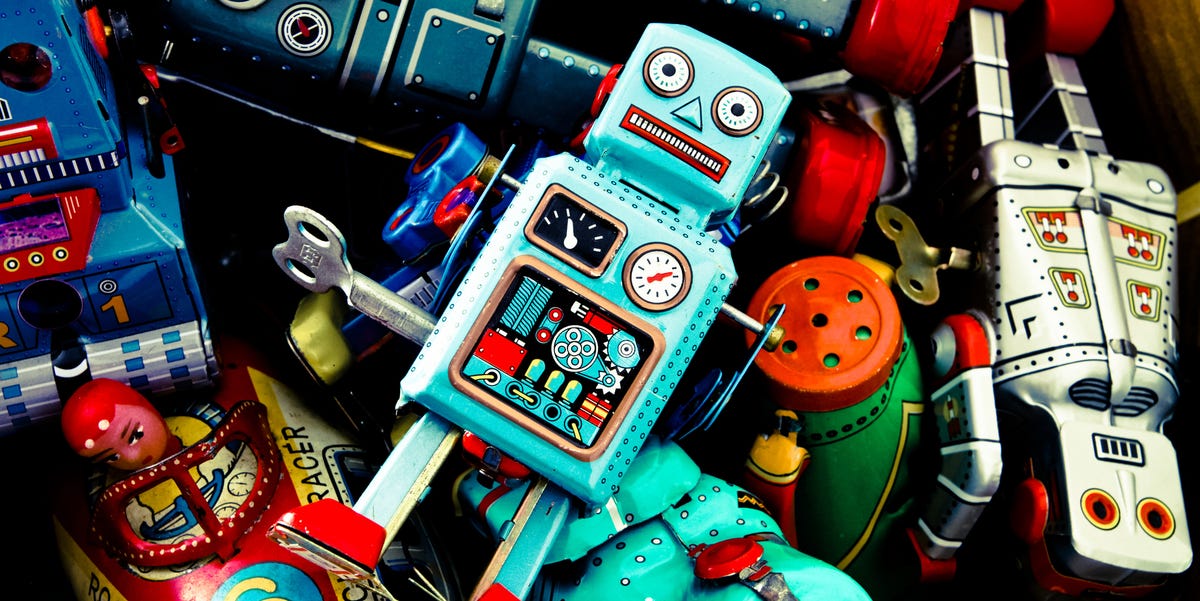
8. Vintage Toys, Trains, and Games
Vintage toys can be surprisingly valuable because nostalgia is a powerful economic force with a toy chest. Look for early tin toys, cast iron vehicles, Lionel trains, Marx playsets, Steiff animals, vintage board games, action figures, model kits, and unopened toys from popular franchises.
Condition and completeness are everything. Original boxes can multiply value, especially for trains, dolls, action figures, and model kits. Missing parts, repainting, broken mechanisms, or heavy rust can reduce prices. Still, rare toys in played-with condition may attract collectors if the item is scarce enough. When you see an old toy still in its box, do not dismiss it as clutter. That “clutter” may have a fan club.
9. Original Artwork and Listed Artist Prints
Art is one of the trickiest categories, but it can be one of the most rewarding. Look for original paintings, drawings, etchings, lithographs, signed prints, regional artists, outsider art, and works with gallery labels or exhibition tags. A frame shop sticker, estate label, or handwritten inscription can provide useful clues.
Do not rely on beauty alone. Research the artist’s name, medium, date, provenance, and auction history. A signed limited-edition print by a known artist may be valuable, while a decorative painting with no listed artist may have modest resale value even if it looks lovely above a sofa. Also inspect the back. Sometimes the back of a painting tells a better story than the front, which feels unfair but is very antique-store accurate.
10. Vintage Glassware and Crystal
Glass can be confusing because there is a lot of it, but certain pieces are highly collectible. Look for Lalique, Tiffany Favrile glass, Steuben, Fenton, Blenko, Murano, Cambridge, Heisey, and Depression glass in desirable colors or patterns. Cut crystal by respected makers can also be worthwhile, especially complete sets or rare forms.
Check for signatures, polished pontil marks, pattern clarity, color, and condition. Damage can be hard to see, so run a careful finger around rims and bases. Cloudiness inside decanters or vases may reduce value. The best glass pieces often have exceptional color, elegant form, or a recognizable maker. If a bowl glows with personality from across the room, investigate. If it also literally glows under blacklight, you may be dealing with uranium glass, which collectors often love for display.
11. Designer Handbags, Scarves, and Accessories
Not every antique store specializes in fashion, which is exactly why valuable accessories can slip through. Look for vintage handbags, silk scarves, belts, luggage, and small leather goods from Hermès, Chanel, Louis Vuitton, Gucci, Dior, Fendi, and Cartier. Older luxury items with strong condition and authentic markings can command serious resale interest.
Authentication is essential. Study stitching, hardware, serial numbers, labels, lining, zippers, stamping, and material quality. Counterfeits exist, and some are annoyingly convincing. Scarves should be checked for rolled edges, artist signatures, care tags, fabric quality, and stains. A genuine silk scarf tucked in a basket for a few dollars is the kind of find that makes you believe in retail destiny.
12. Vintage Kitchenware and Enamelware
Kitchen collectibles have surged because they combine nostalgia, color, and practical display appeal. Vintage Pyrex, Fire-King, Cathrineholm enamelware, Dansk cookware, Le Creuset, Griswold cast iron, Wagner cast iron, Jadeite, and collectible advertising tins can all be worth more than expected.
Patterns, colors, and condition are key. Rare Pyrex patterns, clean Jadeite, early cast iron pans, and enamel pieces without major chips can attract enthusiastic buyers. Cast iron should be checked for cracks, warping, heavy pitting, and maker marks. Kitchenware is also easy to display, which helps demand. After all, a bright vintage mixing bowl can look charming on a shelf while silently judging your modern plastic containers.
Common Signs an Antique Store Find May Be Valuable
Several clues appear across categories. A maker’s mark is one of the biggest. Signatures, hallmarks, labels, stamps, edition numbers, original boxes, receipts, and certificates can all raise confidence. Quality materials also matter: sterling silver, solid wood, real gold, natural gemstones, hand-blown glass, fine leather, and archival paper often signal better value.
Rarity is another major factor. Limited production, discontinued patterns, regional makers, short-lived designs, and unusual colors can all increase interest. Provenance can be powerful too. If an item has documented ownership by a notable person, appeared in an exhibition, or came from a known estate, the story can become part of the price.
Finally, trust your hands. Valuable antiques often feel better made. Drawers slide smoothly, silver has weight, glass has clarity, leather feels rich, and pottery shows intentional craftsmanship. Your fingertips may notice quality before your brain catches up.
What Not to Do When You Think You Found Something Valuable
Do not clean, polish, repaint, repair, or “improve” the item before getting advice. Many collectors prefer original surfaces, even with age-related wear. Polishing silver too aggressively, cleaning coins, refinishing furniture, replacing watch parts, washing textiles incorrectly, or removing labels can reduce value.
Do not announce your discovery in the store like you just found buried treasure on live television. Stay calm, confirm the price, inspect for damage, and ask about return policies if appropriate. Take photos only if the shop allows it. If the item is expensive, ask whether the store has documentation or knows its source.
Most importantly, do not assume every online asking price is real value. Anyone can list a teacup for $9,000. That does not mean someone bought it, unless the teacup also makes breakfast and files taxes. Sold prices, auction results, expert appraisals, and reputable price guides are far more useful.
Extra Field Notes: Real-World Experiences From Antique Hunting
The best antique store finds usually happen when you are not rushing. Serious collectors develop a rhythm: walk the store once for the obvious pieces, then circle back slowly for the overlooked corners. The second pass is where the magic happens. That is when you check the bottom shelf, the box under the table, the case near the register, and the awkward cabinet everyone else avoids because it requires bending like a yoga instructor with a flashlight.
One useful habit is to pick a few categories and become unusually good at them. You do not need to know everything about every antique. In fact, trying to master coins, watches, ceramics, furniture, glass, jewelry, books, textiles, and toys all at once is how your brain turns into a dusty curio cabinet. Start with two or three categories that genuinely interest you. If you love books, learn first edition points and dust jacket grading. If you love jewelry, study hallmarks and gemstone basics. If furniture catches your eye, learn joinery, woods, labels, and silhouettes.
Another experience-based rule: weight often tells a story. Sterling feels different from silver plate. Quality brass feels different from flimsy decorative metal. Solid wood feels different from veneer over particleboard. A real leather designer bag feels different from a cheap imitation. This is not foolproof, but handling hundreds of items teaches your hands to recognize quality. Antique stores are classrooms where the tuition is optional but the temptation is not.
Ask polite questions. Dealers often know more than the tag reveals, and many enjoy sharing information if you are respectful. A simple “Do you know anything about this piece?” can uncover estate history, maker details, or how long the item has been sitting there. If something has been in the store for months, there may be room to negotiate. If it arrived that morning, maybe do not start the bargaining with “I’ll give you half,” unless you enjoy being stared at over reading glasses.
Keep a small research kit on your phone. Save notes on maker marks, pattern names, common fakes, and sold-price resources. Photograph marks for later study when allowed. Create a personal “watch list” of items you hope to find: a specific pottery line, a first edition author, a watch model, a silver pattern, or a furniture designer. This keeps you focused when the store tries to distract you with 47 decorative roosters and a lamp shaped like a pineapple.
Finally, buy with both your head and your taste. Not every find needs to be flipped for profit. Sometimes the best antique store find is valuable because it makes your home feel more personal. But when beauty, authenticity, rarity, and a fair price all show up together, act decisively. Great pieces do not wait around while you “think about it” for three weeks. Someone else will think faster.
Conclusion: The Treasure Is Usually in the Details
Finding valuable antiques is not about luck alone. It is about curiosity, patience, pattern recognition, and knowing where value hides. Sterling silver, vintage watches, estate jewelry, rare books, coins, pottery, toys, art, glass, designer accessories, furniture, and kitchenware can all be worth serious money when the right maker, condition, rarity, and demand come together.
The next time you walk into an antique store, slow down. Turn pieces over. Read labels. Check signatures. Open books carefully. Look inside drawers. Study the marks. The object everyone else ignored may be the one with a story, a collector market, and a price tag that has not caught up yet. That is the fun of antique hunting: sometimes the quietest item in the room is the one worth listening to.












