
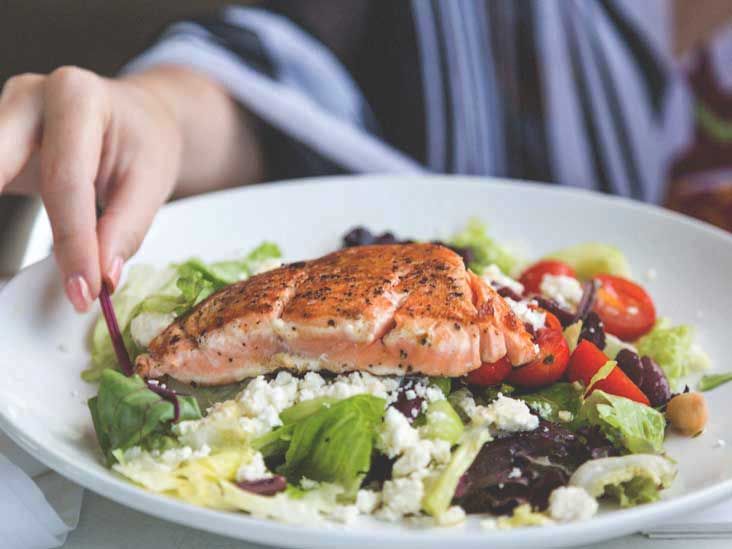
Let’s start with the truth before anyone starts sprinkling cayenne pepper on ice cream and calling it “wellness.” No single food magically melts fat while you sit on the couch watching cooking videos. Your body is not a candle, and broccoli is not a tiny blowtorch. However, certain healthy foods can support fat loss by helping you feel full, stabilize energy, preserve lean muscle, improve diet quality, and make it easier to eat fewer empty calories without feeling like you are negotiating with your stomach every hour.
The best fat-burning foods are not weird powders, suspicious teas, or snacks with packaging louder than a gym playlist. They are simple, nutrient-dense foods: protein-rich yogurt, eggs, fish, beans, oats, berries, greens, avocado, nuts, peppers, and green tea. These foods work because they bring useful tools to the table: protein, fiber, healthy fats, antioxidants, hydration, and flavor. In other words, they help your metabolism do its job without making mealtime feel like punishment.
This guide breaks down 11 healthy foods that help you burn fat in a realistic way. You will learn why each food matters, how to eat it, and how to avoid common mistakes that can turn a good choice into a calorie ambush wearing a health halo.
What Does “Burn Fat” Really Mean?
Fat loss happens when your body uses more energy than it stores over time. That sounds simple, but real life includes hunger, stress, busy schedules, cravings, sleep, hormones, and the emotional power of warm bread. Foods that support fat loss usually help in one or more of these ways:
- They are high in protein, which supports muscle and helps you feel satisfied.
- They are rich in fiber, which slows digestion and keeps meals more filling.
- They have a low calorie density, meaning you can eat a satisfying portion without overdoing calories.
- They provide nutrients that support energy, recovery, and overall metabolic health.
- They replace ultra-processed foods that are easy to overeat.
So when we say these foods “help you burn fat,” we mean they support a healthier eating pattern that makes fat loss more manageable. No drama. No starvation. No pretending cauliflower is pizza unless you truly enjoy lying to yourself.
1. Greek Yogurt
Why it helps
Plain Greek yogurt is a protein powerhouse. Protein is helpful for fat loss because it supports fullness, helps maintain lean muscle, and takes more energy to digest than carbohydrates or fats. Greek yogurt also offers calcium and, when it contains live and active cultures, gut-friendly bacteria.
The key word here is plain. Many flavored yogurts contain enough added sugar to make dessert feel underdressed. Choose unsweetened Greek yogurt and add your own fruit, cinnamon, or a small drizzle of honey if needed.
How to eat it
Try Greek yogurt with berries and chia seeds for breakfast, use it as a creamy base for smoothies, or swap it for sour cream in tacos, baked potatoes, and dips. It brings creaminess without needing a parade of heavy sauces.
2. Eggs
Why it helps
Eggs are affordable, convenient, and rich in high-quality protein. They also provide important nutrients such as choline, vitamin B12, selenium, and vitamin D. A protein-forward breakfast that includes eggs can help reduce the urge to snack later, especially compared with a breakfast built mostly on refined carbs.
Eggs are also wonderfully practical. They cook quickly, pair with vegetables, and do not require you to own a blender, a spiralizer, or the emotional stamina to meal prep 42 identical containers.
How to eat it
Make a veggie omelet with spinach, mushrooms, and peppers. Boil a few eggs ahead of time for easy snacks. Scramble eggs with leftover roasted vegetables for a breakfast that tastes like you tried harder than you did.
3. Fatty Fish
Why it helps
Salmon, sardines, trout, tuna, and mackerel provide protein plus omega-3 fatty acids. Omega-3 fats are linked with heart and brain health, and fatty fish can make meals more satisfying. Protein helps preserve muscle during fat loss, while healthy fats help meals feel complete.
Fatty fish is also a great replacement for heavily processed meats. Swapping a greasy sausage breakfast or fried dinner for grilled salmon or sardines on whole-grain toast is a small move with big nutritional benefits.
How to eat it
Grill salmon with lemon and herbs, add tuna to a big salad, or mash sardines with avocado and a squeeze of lime. If you are new to sardines, start with mild varieties packed in olive oil. Your taste buds may need a handshake meeting first.
4. Beans and Lentils
Why they help
Beans and lentils are one of the best combinations of plant protein and fiber. That duo is excellent for fullness, blood sugar steadiness, and long-lasting energy. Black beans, chickpeas, kidney beans, pinto beans, split peas, and lentils can all support a fat-loss-friendly diet because they make meals hearty without requiring large amounts of meat, cheese, or creamy sauces.
They are also budget-friendly. If your wallet had a nutritionist, it would probably recommend beans.
How to eat them
Add lentils to soups, toss chickpeas into salads, make black bean tacos, or blend white beans into a creamy dip. To reduce digestive surprise, start with smaller portions, rinse canned beans, and drink enough water.
5. Oats
Why they help
Oats are rich in soluble fiber, especially beta-glucan, which helps slow digestion and supports a steady release of energy. A bowl of oats can keep you full longer than many sugary breakfast cereals that disappear from your stomach faster than your phone battery at 2%.
Oats are especially useful because they are versatile. They can be sweet, savory, hot, cold, simple, or dressed up like breakfast decided to attend a fancy brunch.
How to eat them
Make overnight oats with Greek yogurt, chia seeds, and berries. Cook oats with milk or soy milk for extra protein. For a savory version, top oatmeal with an egg, spinach, and a little hot sauce.
6. Berries
Why they help
Blueberries, raspberries, strawberries, and blackberries are naturally sweet, high in fiber, and lower in calories than many desserts. They help satisfy a sweet craving while bringing vitamins, antioxidants, and color to your plate. Raspberries and blackberries are especially fiber-rich, making them excellent choices for anyone trying to build more filling meals.
Berries are also easy to use. Fresh berries are wonderful, but frozen berries are often cheaper and just as practical. They do not judge you from the back of the freezer, which is more than we can say for some abandoned meal-prep containers.
How to eat them
Add berries to yogurt, oats, cottage cheese, smoothies, or salads. For a simple dessert, warm frozen berries in a pan and spoon them over plain Greek yogurt with cinnamon.
7. Leafy Greens and Cruciferous Vegetables
Why they help
Spinach, kale, arugula, romaine, broccoli, cauliflower, Brussels sprouts, cabbage, and bok choy are low in calories and high in volume. That means they can help fill your plate and your stomach without adding a lot of calories. They also provide fiber, vitamins, minerals, and plant compounds that support overall health.
These vegetables are not glamorous, but they are reliable. Think of them as the sensible friend who reminds you to bring a jacket and pay your bills.
How to eat them
Add spinach to eggs, roast broccoli until crisp at the edges, toss cabbage into stir-fries, or build a large salad with protein, beans, avocado, and a flavorful dressing. The secret is seasoning. Vegetables are not boring; unseasoned vegetables are boring.
8. Avocado
Why it helps
Avocado is rich in unsaturated fat and fiber, a combination that helps meals feel satisfying. It is not a low-calorie food, so portion size matters, but it can be very useful when it replaces less healthy fats such as heavy spreads, creamy dressings, or processed toppings.
Avocado also makes healthy meals more enjoyable. A salad with avocado feels like lunch. A salad without anything creamy or crunchy can feel like a landscaping project.
How to eat it
Use a quarter to half an avocado on toast, tacos, grain bowls, or salads. Mash it with lime, garlic, and a pinch of salt for a quick spread. Pair it with protein and fiber-rich carbohydrates for a balanced meal.
9. Nuts and Seeds
Why they help
Almonds, walnuts, pistachios, chia seeds, flaxseeds, pumpkin seeds, and hemp seeds provide healthy fats, fiber, protein, magnesium, and other important nutrients. They can help control hunger when used wisely.
The catch is portion size. Nuts are healthy, but they are also calorie-dense. A small handful is helpful. Eating them straight from a giant bag while standing in the kitchen is how almonds become a plot twist.
How to eat them
Add chia or flaxseed to oatmeal, sprinkle pumpkin seeds on salads, or enjoy a small handful of pistachios as a snack. Pre-portion nuts into small containers if you know the bag has hypnotic powers.
10. Chili Peppers
Why they help
Chili peppers contain capsaicin, the compound that gives them heat. Capsaicin may slightly increase thermogenesis, which is the process of producing heat in the body. The effect is modest, not magical, but spicy foods can also make meals more flavorful and satisfying without relying on heavy sauces or extra sugar.
In plain English: hot peppers will not replace balanced meals and movement, but they can make healthy food more exciting. That matters, because food you actually enjoy is easier to keep eating.
How to eat them
Add jalapeños to eggs, chili flakes to roasted vegetables, hot sauce to bean bowls, or fresh salsa to grilled fish. If spicy food bothers your stomach, skip it. Fat loss is not a contest to see who can suffer most dramatically at dinner.
11. Green Tea
Why it helps
Green tea contains caffeine and catechins, including EGCG. Research on green tea and weight loss is mixed, and the effect is usually small. Still, green tea can be a helpful choice because it is low in calories, hydrating, and a smart replacement for sugary drinks.
The biggest benefit may be what green tea removes from your routine. Replacing soda, sweet tea, or high-calorie coffee drinks with unsweetened green tea can reduce added sugar without making you feel deprived.
How to drink it
Enjoy green tea hot or iced. Add lemon, mint, or ginger for flavor. Avoid turning it into a dessert drink with piles of sugar. Also, be mindful of caffeine, especially later in the day, because poor sleep can make hunger and cravings harder to manage.
How to Build a Fat-Loss-Friendly Plate
Instead of obsessing over one miracle food, build meals around a simple formula:
- Protein: eggs, Greek yogurt, fish, beans, lentils, poultry, tofu, or cottage cheese.
- Fiber-rich carbohydrates: oats, beans, fruit, whole grains, or starchy vegetables.
- Colorful vegetables: leafy greens, broccoli, peppers, cabbage, carrots, or tomatoes.
- Healthy fats: avocado, nuts, seeds, olive oil, or fatty fish.
- Flavor: herbs, spices, citrus, vinegar, salsa, or chili peppers.
This approach keeps meals satisfying and flexible. You do not need to eat perfectly. You need to eat consistently well most of the time. That is less flashy than a 7-day “belly blast,” but it works better and does not require you to fear bananas.
Common Mistakes to Avoid
Mistake 1: Believing “healthy” means unlimited
Avocado, nuts, olive oil, and salmon are nutritious, but portions still matter. Healthy calories are still calories. Use them to improve meals, not bury them.
Mistake 2: Forgetting protein at breakfast
A breakfast made only of refined carbs can leave you hungry quickly. Add eggs, Greek yogurt, cottage cheese, tofu, or nuts to improve staying power.
Mistake 3: Drinking hidden calories
Sugary coffee drinks, juices, sodas, and sweet teas can add calories without much fullness. Green tea, water, sparkling water, and unsweetened coffee are better everyday choices.
Mistake 4: Eating vegetables like a punishment
If your vegetables taste sad, you will avoid them. Roast them, season them, grill them, or pair them with sauces made from yogurt, herbs, lemon, or tahini.
Practical Meal Ideas Using These 11 Foods
Breakfast ideas
Try Greek yogurt with oats, berries, and chia seeds. Make scrambled eggs with spinach and chili flakes. Prepare overnight oats with protein-rich yogurt and frozen blueberries. These meals are simple, filling, and far more useful than a pastry that leaves you hungry before your inbox finishes loading.
Lunch ideas
Build a lentil salad with greens, avocado, pumpkin seeds, and lemon dressing. Make a salmon bowl with broccoli, brown rice, and spicy yogurt sauce. Try black bean tacos with cabbage, salsa, and avocado.
Dinner ideas
Roast fatty fish with Brussels sprouts and a side of beans. Make turkey or tofu chili with kidney beans and peppers. Stir-fry vegetables with eggs or shrimp and serve over a moderate portion of whole grains.
Snack ideas
Choose Greek yogurt with berries, apple slices with nut butter, roasted chickpeas, boiled eggs, or a small handful of pistachios. Good snacks should solve hunger, not create a new snack emergency thirty minutes later.
Experience Section: What Actually Works in Real Life
When people try to eat more fat-burning foods, the biggest challenge is rarely knowing what is healthy. Most people already know that salmon beats fried mystery nuggets and that berries are probably a better idea than a sleeve of cookies. The real challenge is making healthy foods easy, tasty, and normal enough to repeat on a Tuesday when life is busy and motivation has left the building.
One practical experience that works well is starting with breakfast. A protein- and fiber-rich breakfast often changes the whole day. For example, a bowl of Greek yogurt with oats, berries, and chia seeds takes only a few minutes, but it feels more satisfying than a sugary cereal. The protein helps with fullness, the oats and berries bring fiber, and the chia seeds add texture. It is not dramatic. Nobody needs a slow-motion kitchen montage. It just works.
Another helpful habit is keeping “assembly foods” ready. Cooked lentils, canned beans, washed greens, boiled eggs, frozen berries, and plain yogurt can turn into meals quickly. This matters because when hunger shows up, it does not politely wait while you research recipes. If healthy food is ready, you are much more likely to eat it. If it is not ready, the nearest snack wins by default.
Flavor is also a major part of success. Many people give up on healthy eating because they prepare food like they are being punished by a very bland committee. Add garlic, lemon, vinegar, herbs, salsa, chili flakes, smoked paprika, mustard, or hot sauce. Roasted broccoli with olive oil, garlic, and chili flakes tastes completely different from steamed broccoli that looks like it has heard bad news.
Portion awareness helps too, especially with calorie-dense foods like nuts and avocado. These foods are excellent, but they work best as supporting characters, not the entire cast. A small handful of nuts can prevent afternoon hunger. Half a jar of almond butter eaten with a spoon is a different documentary.
The most realistic approach is to build meals instead of chasing rules. Put protein on the plate, add fiber, include vegetables, use healthy fats, and make it taste good. Some days will be better than others. That is normal. One meal does not define your health, and one snack does not cancel your progress. Consistency is built through small choices repeated often: yogurt instead of a sugary breakfast, beans added to lunch, green tea instead of soda, vegetables seasoned properly, and fish once or twice a week.
In real life, the best fat-burning foods are the ones you enjoy enough to keep eating. Healthy eating should support your energy, confidence, and long-term well-being. It should not make you feel trapped in a sad little spreadsheet of forbidden foods. Choose nourishing foods, prepare them in ways you like, and let your routine become easier over time.
Conclusion
The best healthy foods that help you burn fat are not exotic, expensive, or wrapped in wild promises. They are everyday foods that support fullness, muscle, energy, digestion, and better food choices. Greek yogurt, eggs, fatty fish, beans, oats, berries, leafy greens, avocado, nuts, chili peppers, and green tea all have a place in a smart, balanced diet.
The secret is not eating one perfect food. The secret is building meals that make healthy eating easier to repeat. Choose protein. Add fiber. Fill your plate with colorful plants. Use healthy fats wisely. Flavor your food like you actually plan to enjoy it. Do that consistently, and your body gets the support it needs to manage weight in a healthy, sustainable way.












