
Dry eyes have a talent for showing up at the worst possible moment: halfway through a workday, two episodes into a streaming marathon, or exactly when you put on eyeliner and hoped for peace. The good news? For many people with mild to moderate dryness, the right lubricating eye drops can make your eyes feel less like desert sand and more like, well, eyes.
Ophthalmologists commonly recommend artificial tears as a first-line option for occasional dry eye symptoms. These over-the-counter drops help lubricate the eye surface, reduce burning and irritation, and support the tear film. But not all dry eye drops are created equal. Some are watery and light. Some are thicker and longer-lasting. Some are preservative-free, which is often preferred if you use drops frequently or have sensitive eyes.
This guide breaks down 11 of the best eye drops for dry eyes, organized by real-life needs: screen fatigue, contact lens dryness, overnight relief, evaporative dry eye, sensitive eyes, and “my eyeballs feel like they’ve been blow-dried” days. Consider this your practical, ophthalmologist-style shopping guideminus the waiting room magazines from 2014.
How Ophthalmologists Choose Eye Drops for Dry Eyes
Before grabbing the first bottle that says “soothing,” it helps to know what eye doctors usually look for. The best dry eye drops often match the type of dryness you have. A watery tear problem may need one kind of formula, while evaporative dry eyeoften linked to meibomian gland dysfunctionmay benefit from lipid-based drops that help support the oily layer of tears.
Preservative-free formulas are often best for frequent use
If you use artificial tears more than a few times a day, preservative-free eye drops are usually a smarter choice. Preservatives help keep multidose bottles clean, but they may irritate already cranky eyes when used often. Preservative-free drops usually come in single-use vials or specially designed multidose bottles.
Thicker drops last longerbut may blur vision
Gel drops and ointment-style lubricants can be wonderful at night, especially for people who wake up with dry, scratchy eyes. The trade-off is temporary blurry vision. In other words, use thick drops before bed, not right before parallel parking.
Avoid relying on redness-relief drops for dry eye
Dry eye is not just “red eye.” Drops marketed mainly to remove redness can contain decongestants that shrink blood vessels temporarily, but they do not solve tear-film instability. For dry eye, look for lubricants such as carboxymethylcellulose, glycerin, propylene glycol, polyethylene glycol, povidone, hypromellose, mineral oil, or sodium hyaluronate.
11 Best Eye Drops for Dry Eyes
1. Systane Complete PF Best Overall Preservative-Free Pick
Best for: everyday dry eye, mixed dry eye, people who want broad relief.
Systane Complete PF is a strong all-around choice because it combines preservative-free convenience with a formula designed to support multiple layers of the tear film. Its active lubricant is propylene glycol, and the emulsion-style formula includes ingredients such as mineral oil and hydroxypropyl guar to help coat and protect the eye surface.
This is a good option if your dry eye symptoms come from a greatest-hits album of modern life: screens, air conditioning, windy weather, indoor heating, and the occasional “I blinked six times in two hours” computer session.
2. Refresh Relieva PF Best for Sensitive Eyes
Best for: sensitive eyes, frequent use, post-procedure dryness when approved by your doctor.
Refresh Relieva PF uses carboxymethylcellulose sodium and glycerin as lubricants. It also includes sodium hyaluronate, an ingredient often used in moisturizing eye formulas because it helps retain water on the eye surface.
The preservative-free vial format makes it appealing for people who need drops often or who find standard bottled drops sting. It is light enough for daytime use but moisturizing enough to feel more substantial than basic artificial tears.
3. TheraTears Extra Preservative Free Best for Frequent Daily Use
Best for: recurring dryness, office workers, people who need a gentle drop several times daily.
TheraTears Extra Preservative Free contains sodium carboxymethylcellulose 0.25% as its active lubricant. It is designed to mimic aspects of natural tears, including electrolytes that help support comfort on the eye surface.
This is a nice “desk drawer” drop: not dramatic, not flashy, just dependable. If your eyes start complaining every afternoon around the same time your coffee stops working, TheraTears Extra is worth considering.
4. Blink Tears Preservative Free Best for Screen-Related Dryness
Best for: computer users, mild to moderate dryness, tired eyes.
Blink Tears is designed to lubricate with every blink, which is useful because screen use often reduces blinking. When you stare at a monitor, your blink rate can drop, and your tear film may evaporate faster. That is when your eyes start sending angry little emails to your brain.
Blink Tears Preservative Free can be a comfortable daytime option for mild to moderate dry eye symptoms. It is especially helpful for people who experience dryness during long work sessions, gaming, studying, or phone scrolling that mysteriously becomes “just five more minutes” for an hour.
5. Biotrue Hydration Boost Preservative Free Best for Contact Lens Wearers
Best for: contact lens dryness, screen fatigue, environmental irritation.
Biotrue Hydration Boost is a preservative-free moisturizing drop with glycerin as the active lubricant. It is marketed for dry, irritated eyes from screen and environmental stressors and is often popular among contact lens users. As always, check the package directions to confirm whether you can use it while lenses are in, because not every dry eye drop is contact-lens compatible.
This drop feels lightweight and refreshing, making it a good pick for daytime use. It is not the thickest option on this list, but that can be a benefit when you want relief without cloudy vision.
6. iVIZIA Lubricant Eye Drops Best Modern Preservative-Free Bottle
Best for: preservative-free hydration, sensitive eyes, people who dislike single-use vials.
iVIZIA dry eye drops use povidone 0.5% as the active lubricant and include ingredients such as sodium hyaluronate and trehalose. The formula is preservative-free and comes in a multidose bottle, which some people find more convenient than snapping open tiny vials.
This is a good option if you want preservative-free relief but do not want your bathroom counter to look like a science lab full of plastic ampules. It is also a strong choice for people who like a clean, modern drop design with a comfortable feel.
7. OCuSOFT Retaine MGD Best for Evaporative Dry Eye
Best for: meibomian gland dysfunction, evaporative dry eye, oily tear-layer support.
Retaine MGD contains light mineral oil and mineral oil as active emollients. That matters because many dry eye cases are not just about too little water; they are about tears evaporating too quickly because the oily outer layer is weak.
If your eye doctor has mentioned meibomian gland dysfunction, clogged oil glands, or evaporative dry eye, lipid-based drops like Retaine MGD may be more targeted than simple watery artificial tears. Expect the texture to feel richer than basic drops.
8. Soothe XP Preservative Free Best Lipid-Based Alternative
Best for: dry eye linked to tear evaporation, irritated eyes, lipid-layer support.
Soothe XP Preservative Free is another lipid-focused option. Its preservative-free version uses mineral oil-based emollients to help protect against tear loss and support the lipid layer of the tear film.
This drop may be a good fit if standard artificial tears help for five minutes and then your eyes go right back to staging a protest. Lipid-based drops can sometimes provide a more lasting cushion for people whose tears evaporate too quickly.
9. Oasis Tears PF Best Simple Preservative-Free Lubricant
Best for: sensitive eyes, straightforward lubrication, people who prefer minimalist formulas.
Oasis Tears PF uses glycerin as its active lubricant. It is designed for temporary relief of burning and irritation due to dryness and comes in a preservative-free format.
This is a simple, no-drama option. It does not try to be an overnight gel, a lipid emulsion, and a spa day in a bottle all at once. It focuses on lubrication and comfort, which is exactly what many dry eye sufferers need.
10. Refresh Celluvisc Best Gel Drop for Severe Dryness
Best for: moderate to severe dryness, nighttime use, long-lasting moisture.
Refresh Celluvisc contains carboxymethylcellulose sodium 1%, making it thicker than many standard artificial tears. That thicker texture helps it stay on the eye surface longer, which can be useful for people whose eyes feel dry soon after using regular drops.
The downside? Temporary blur. This is not the drop to use right before reading fine print, driving, or trying to admire your own excellent grocery-store coupon strategy. It is better for evening or bedtime use.
11. GenTeal Tears Lubricant Eye Gel Best Nighttime Gel
Best for: overnight dryness, severe symptoms, morning scratchiness.
GenTeal Tears Lubricant Eye Gel uses hypromellose as a lubricant in its severe dry eye gel formula. It is thicker than daytime drops and is often best used at night, when blurred vision is less of a problem.
If you wake up feeling like your eyelids and eyeballs held a tiny wrestling match overnight, a gel drop may help protect the surface while you sleep. Use it before bed, then let it do its job while you dream about having perfectly hydrated corneas.
Quick Comparison: Which Dry Eye Drop Should You Choose?
| Need | Best Pick | Why It Helps |
|---|---|---|
| All-around dry eye relief | Systane Complete PF | Broad preservative-free lubrication |
| Sensitive eyes | Refresh Relieva PF | Preservative-free with moisturizing ingredients |
| Frequent daily use | TheraTears Extra PF | Gentle artificial tear formula |
| Screen fatigue | Blink Tears PF | Comfortable daytime hydration |
| Contact lens dryness | Biotrue Hydration Boost | Light, preservative-free moisture |
| Evaporative dry eye | Retaine MGD | Mineral oil emulsion supports lipid layer |
| Nighttime dryness | GenTeal Tears Gel | Thicker gel for overnight comfort |
How to Use Eye Drops Correctly
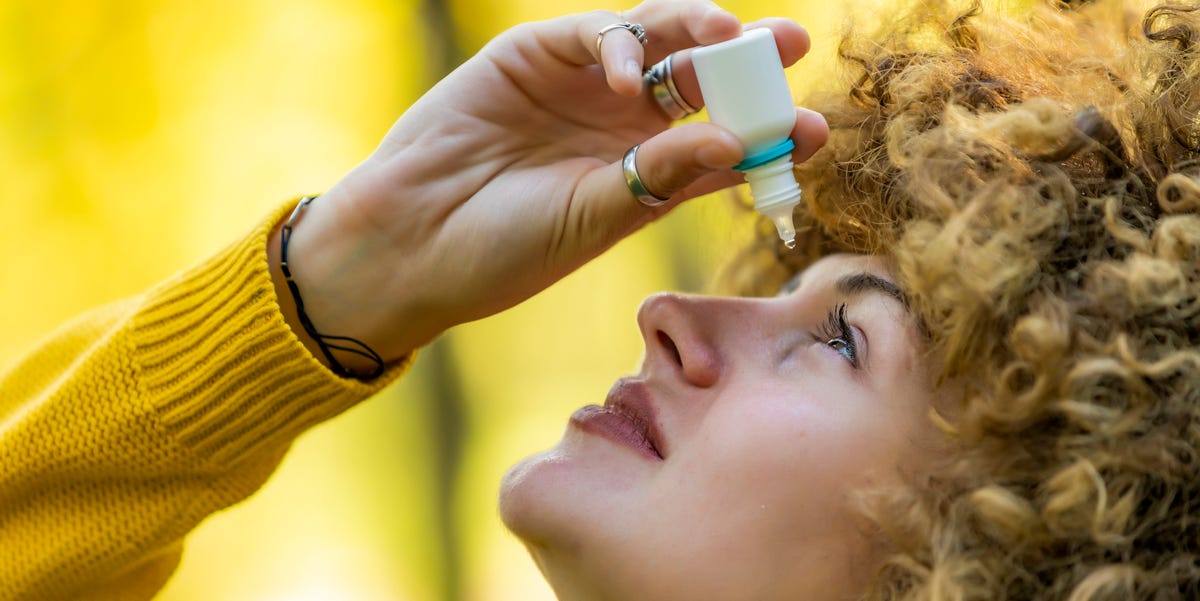
Even the best eye drops can underperform if you use them like you are trying to win a carnival game. Start by washing your hands. Tilt your head back, gently pull down the lower eyelid, and place one drop into the pocket of the lower lid. Try not to touch the bottle or vial tip to your eye, lashes, fingers, countertop, dog, backpack, or anything else living its best germ-filled life.
After the drop lands, close your eye gently for a moment. Do not squeeze your eyelids shut like you are bracing for a plot twist. If you use more than one type of eye drop, wait several minutes between them unless your doctor gives different instructions.
For contact lens wearers, always read the label. Some lubricating drops are safe with contacts, while others should be used before inserting lenses or after removing them. If your contacts are constantly uncomfortable, the solution may not be more drops; it may be a lens fit, material, hygiene, or dry eye issue that needs an eye exam.
When Eye Drops Are Not Enough
Artificial tears can help many people, but they are not a cure-all. See an ophthalmologist or optometrist if your symptoms are severe, one-sided, worsening, or linked with eye pain, light sensitivity, discharge, injury, or changes in vision. You should also get checked if you need drops constantly just to get through the day.
Dry eye can come from many causes: aging, medications, autoimmune conditions, eyelid inflammation, meibomian gland dysfunction, allergies, hormonal changes, contact lens wear, or environmental triggers. Treatment may include warm compresses, eyelid hygiene, prescription anti-inflammatory drops, tear-stimulating medications, punctal plugs, in-office gland treatments, or changes to your screen and room setup.
Real-Life Experience: What Using Dry Eye Drops Actually Feels Like
Choosing eye drops sounds simple until you stand in the pharmacy aisle and realize there are enough options to stock a small airport. The labels all promise relief. The boxes all have calming blues and whites. Suddenly, you are comparing “lubricant,” “hydrating,” “complete,” “advanced,” “severe,” and “extra” like you are decoding a secret eye-care constitution.
In everyday use, the biggest difference is texture. Thin artificial tears feel refreshing and disappear quickly. They are great when your eyes feel mildly dry from screen time or air conditioning. The downside is that some people need to reapply them often. Thicker drops feel more protective, almost like a soft coating. They can be fantastic when your eyes are irritated, but they may blur vision for a few minutes. Gel drops and ointments are the heavy blankets of eye care: cozy, protective, and not something you want to wear while operating machinery.
Preservative-free drops can feel gentler for people who use artificial tears several times a day. Single-use vials are excellent for freshness, but they can be annoying if you are in a hurry. They are tiny, slippery, and somehow disappear into bags like they have joined a witness protection program. Multidose preservative-free bottles solve some of that inconvenience, though they may cost more.
People with screen-related dryness often notice that drops help most when combined with better blinking habits. A drop can moisturize the eye, but it cannot force you to blink while you are deep in a spreadsheet, game, or 47-tab research session. Try the 20-20-20 rule: every 20 minutes, look about 20 feet away for 20 seconds. Your eyes may not throw a parade, but they will appreciate the gesture.
If your dryness is worse in the morning, nighttime gel drops may be more helpful than repeatedly using thin drops during the day. If your symptoms flare in windy weather, lipid-based drops may feel better because they help reduce evaporation. If your eyes sting with many products, a simple preservative-free formula may be the better starting point.
The real lesson? The “best” dry eye drop is not always the one with the fanciest box. It is the one that matches your symptoms, does not irritate your eyes, fits your routine, and comes from a trusted manufacturer. Dry eye management is often trial and adjustmentnot a one-drop fairy tale. Start with a reputable preservative-free artificial tear, pay attention to how long relief lasts, and bring that information to your eye doctor if symptoms continue.
Conclusion
The best eye drops for dry eyes depend on what your eyes are asking for. Mild screen dryness may do well with lightweight preservative-free artificial tears. Frequent dryness may need a gentler preservative-free formula. Evaporative dry eye may respond better to lipid-based drops. Severe nighttime dryness may require a gel or thicker lubricant.
For many people, Systane Complete PF, Refresh Relieva PF, TheraTears Extra PF, Blink Tears PF, Biotrue Hydration Boost, iVIZIA, Retaine MGD, Soothe XP PF, Oasis Tears PF, Refresh Celluvisc, and GenTeal Tears Gel are useful options to discuss with an eye care professional. Just remember: if your eyes are painful, red, light-sensitive, or your vision changes, do not keep experimenting in the eye drop aisle. Get a real exam. Your eyes are small, dramatic, and extremely important.
Note: This article is for general educational publishing purposes and does not replace medical advice from an ophthalmologist or optometrist. Readers should check current product labels, expiration dates, and FDA recall notices before using any eye drop product.












